Learning number patterns Worksheets for Ages 3-9
4 filtered results
-
From - To
Explore our engaging Learning Number Patterns Worksheets designed for kids aged 3 to 9! These interactive resources help young learners master essential math skills through fun activities. Our worksheets focus on recognizing, creating, and extending number patterns, laying a solid foundation for future problem-solving abilities. With vibrant illustrations and age-appropriate exercises, children will develop critical thinking and enhance their numeracy skills while enjoying puzzles and games. Perfect for home, preschool, or classroom use, our printable worksheets support early math learning and encourage independent practice. Start your child on a path to numerical success today with our captivating number patterns worksheets!
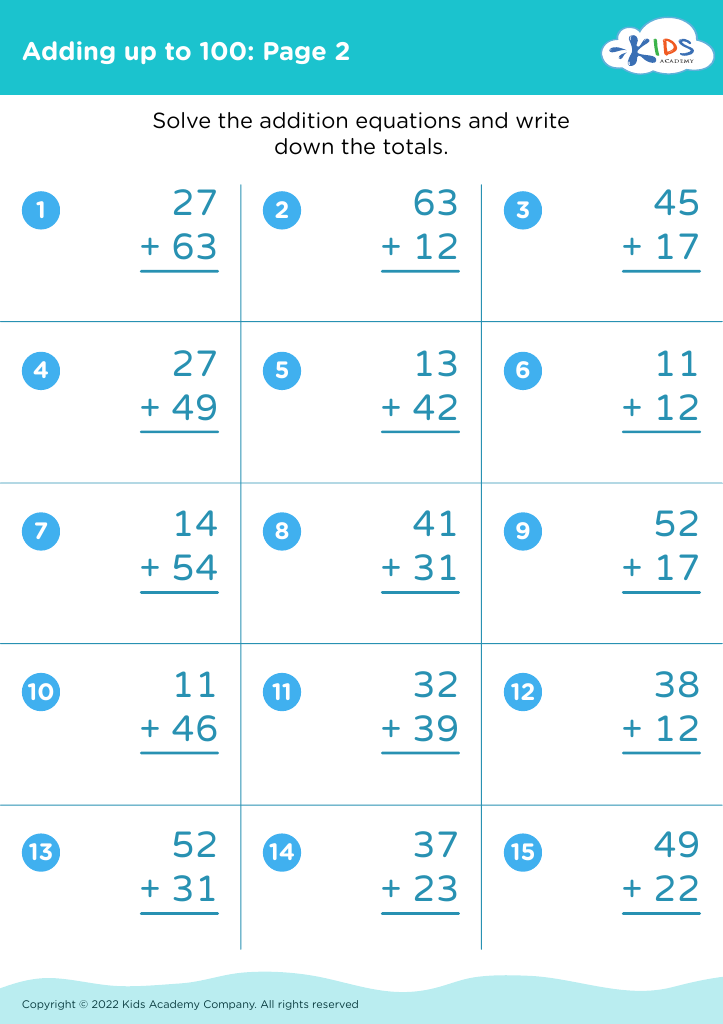
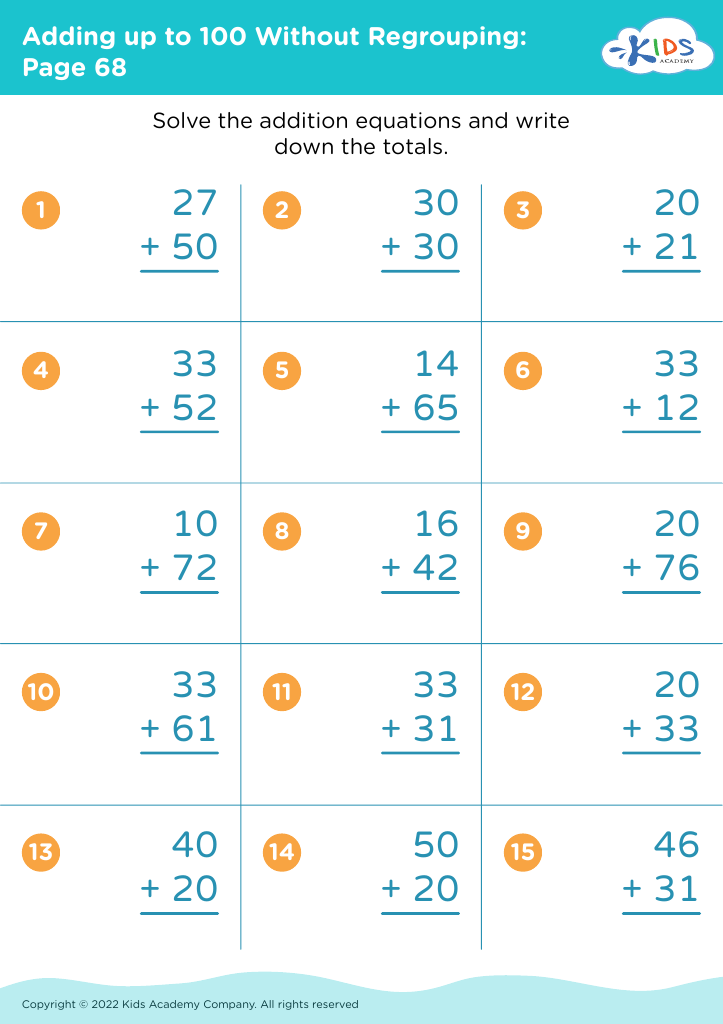
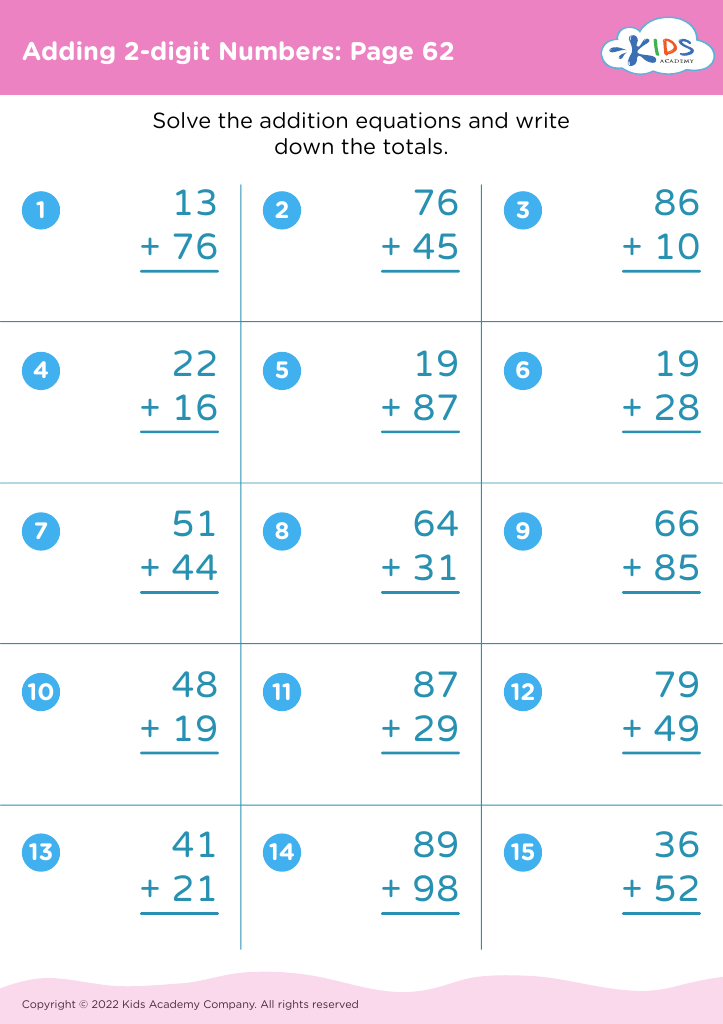
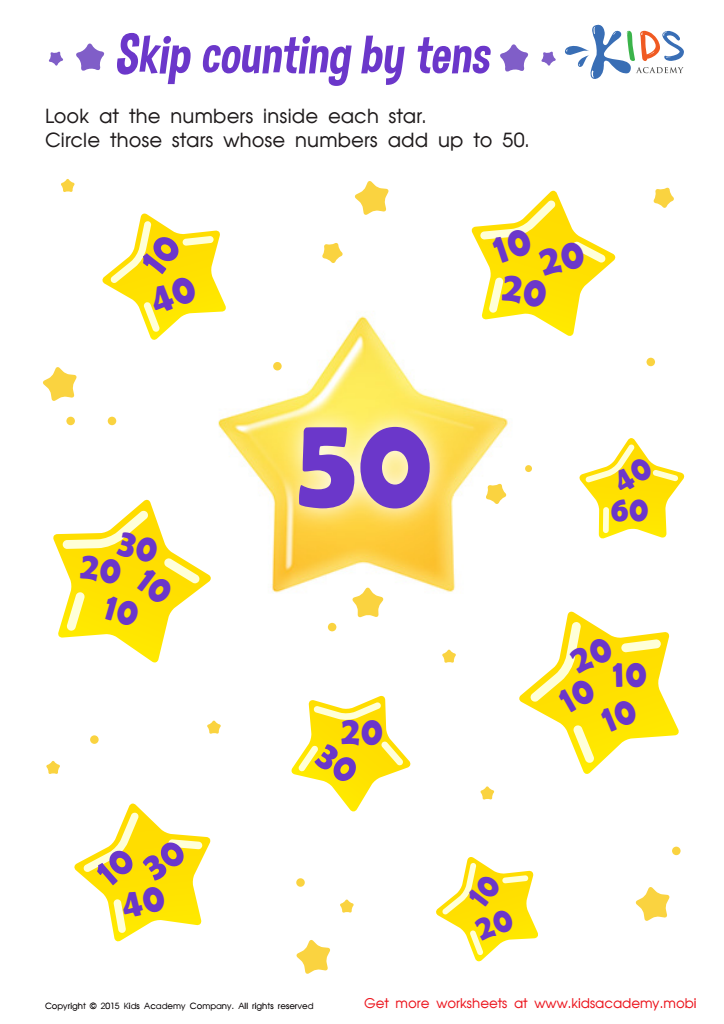
Learn Dozens: Skip Counting by Tens Printable
 Assign to My Students






Learning number patterns is essential for children aged 3-9 as it lays the foundation for mathematical understanding and critical thinking skills. Recognizing patterns helps young learners develop a sense of structure and predictability in numbers, which can ease their transition into more complex mathematical operations such as addition, subtraction, and even algebra.
Engaging with number patterns enhances cognitive skills like memory and attention, as children must identify, replicate, and extend sequences. It fosters problem-solving abilities, encouraging them to think critically and analytically when faced with new challenges. Furthermore, pattern recognition builds confidence in young learners, which can positively affect their overall attitude toward mathematics.
Additionally, teachers and parents can incorporate number patterns into fun activities, such as games or art projects, making learning enjoyable and interactive. By recognizing the significance of this foundational skill, educators and caregivers can further support children's mathematical journey, helping them develop a lifelong appreciation for learning.
Incorporating learning number patterns at a young age not only strengthens mathematical abilities but also cultivates essential skills like creativity, resilience, and flexibility—qualities that are invaluable both inside and outside the classroom as children grow.








