Math skills improvement Worksheets for Ages 3-9
8 filtered results
-
From - To
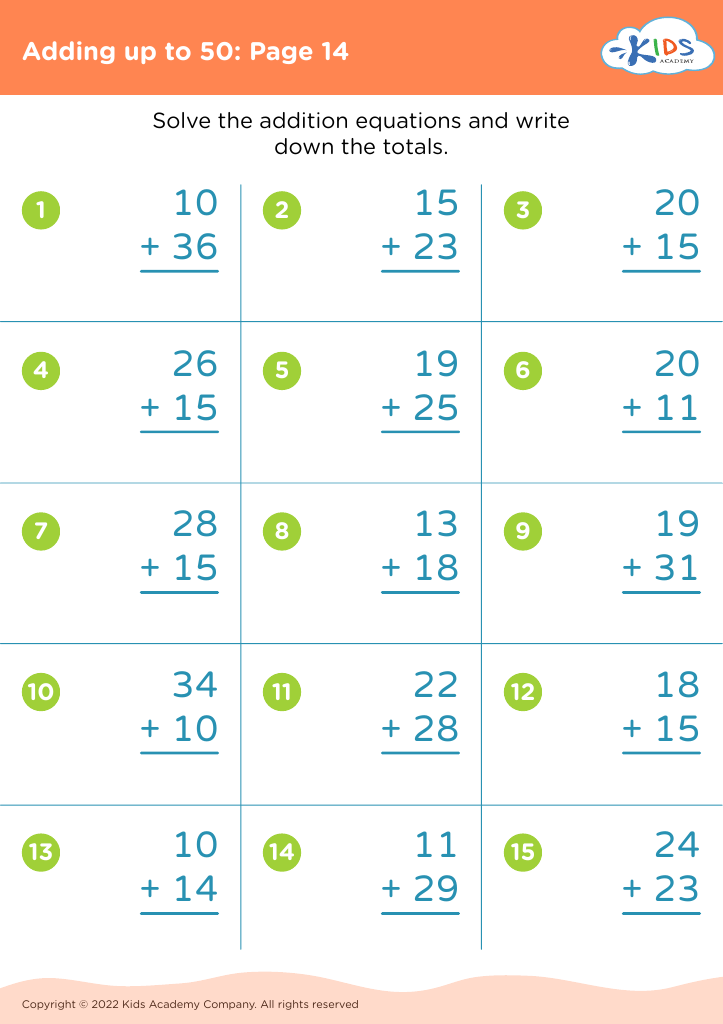
Enhance your child's math skills with our engaging worksheets designed for ages 3-9! Our collection of math skills improvement worksheets provides fun and interactive activities that make learning enjoyable. These expertly crafted worksheets focus on essential math concepts, including counting, addition, subtraction, shapes, and more, catering to various learning levels. With colorful illustrations and relatable themes, children will stay motivated while developing critical thinking and problem-solving abilities. Perfect for at-home or classroom use, our resources support foundational math learning that sets the stage for future success. Download and inspire a love for math today with our easy-to-use and printable worksheets!
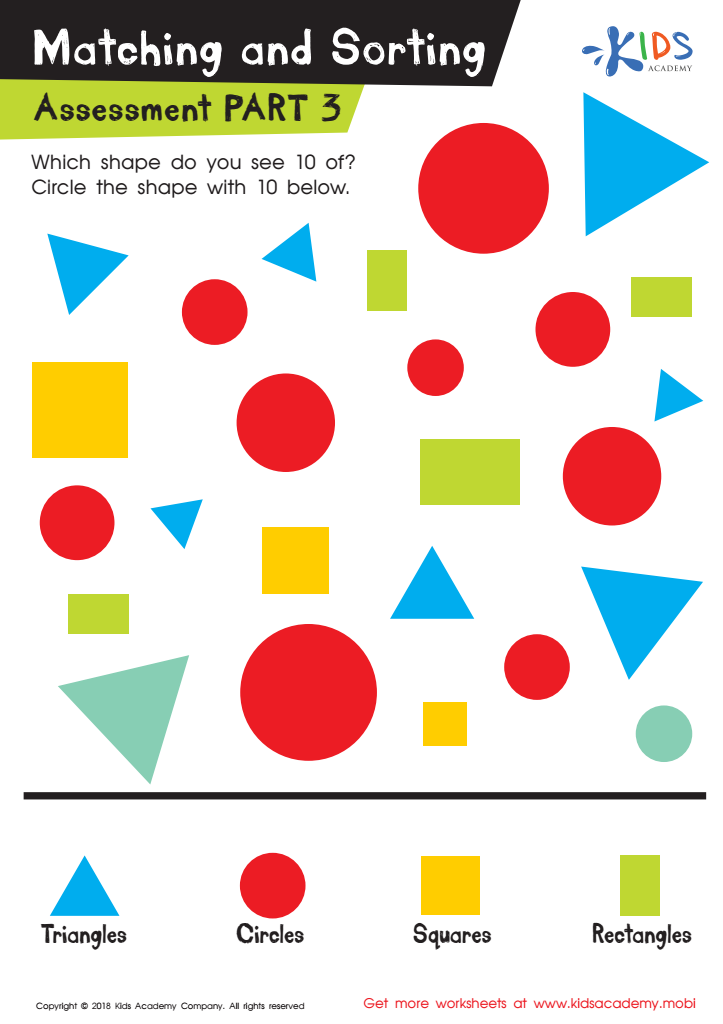
Matching and Sorting for Kindergarten: Assessment 3 Worksheet
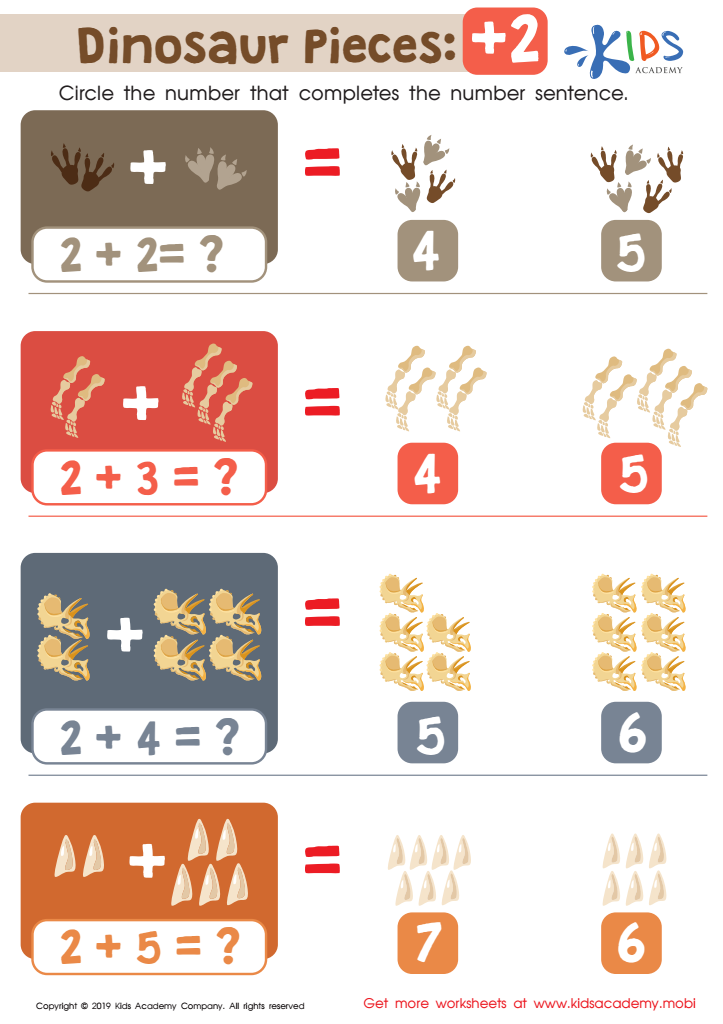
Dinosaur Pieces: +2 Worksheet
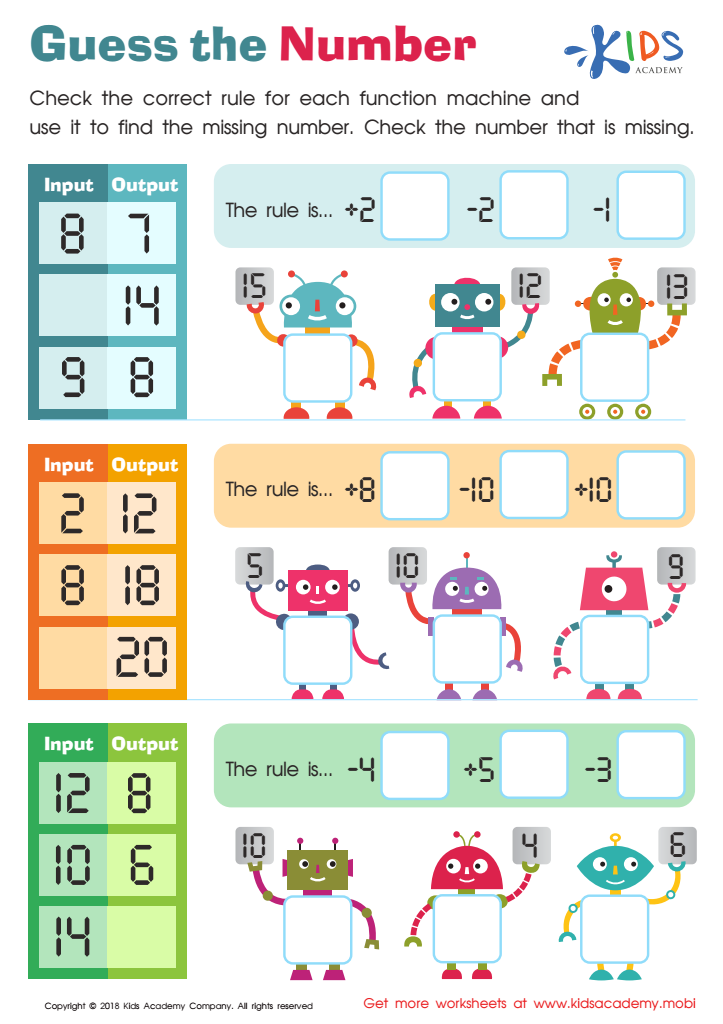
Guess the Number Worksheet
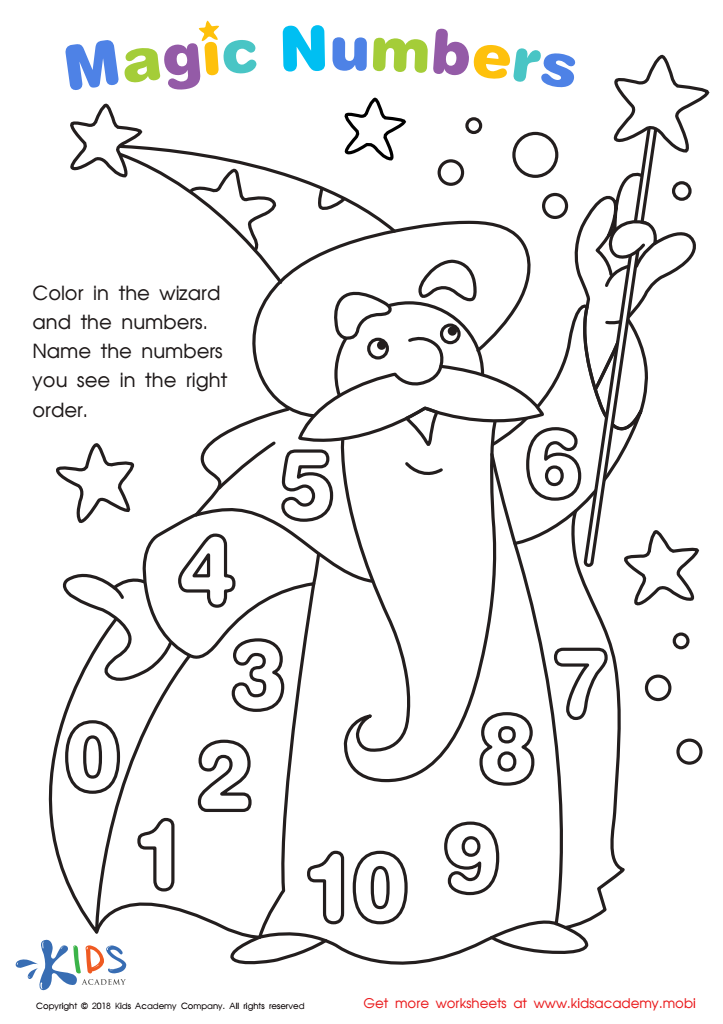
Magic Numbers Worksheet
 Assign to My Students
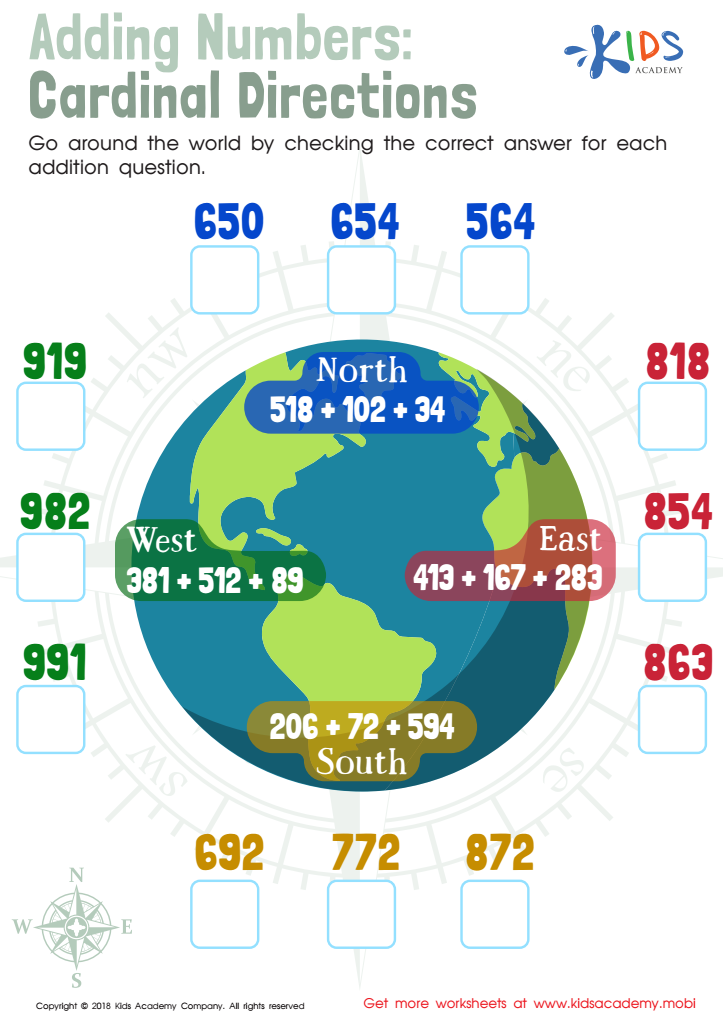
Adding Numbers: Cardinal Directions Worksheet








Empowering young children with strong math skills is essential for their development. From ages 3 to 9, children are in a critical stage of cognitive development, where foundational skills are built. Math is not just about numbers; it fosters critical thinking, problem-solving abilities, and logical reasoning. Early math experiences lay the groundwork for academic success in later grades, as concepts learned during this period often translate into proficiency in subjects like science and technology.
Moreover, a solid grasp of math increases children's confidence, which can positively impact their overall attitude toward learning. When students feel competent in math, they are more likely to engage with complex concepts and tackle challenges head-on. This engagement often spills over into other areas, encouraging persistence and resilience.
Parents and teachers play pivotal roles in creating a supportive learning environment. Engaging activities, such as games, puzzles, and real-life applications of math, can strengthen a child's skills while also making learning enjoyable. By prioritizing math skill improvement for young children, parents and teachers can help set the stage for lifelong success, fostering a generation equipped with the analytical skills necessary to navigate an increasingly complex world. Ultimately, cultivating early math proficiency is an investment in each child's future.








