Number writing Worksheets for Ages 3-9
6 filtered results
-
From - To
Unlock a world of learning with our Number Writing Worksheets for Ages 3-9! Expertly crafted, these easy-to-use, printable worksheets guide kids through recognizing numbers and mastering number formation. Perfect for parents and educators, each activity is designed to blend fun with education, fostering independence and ensuring kids enjoy every step of their mathematical journey. Catered to different skill levels from preschool to early elementary, our unique collection emphasizes hands-on practice, motor skills development, and early arithmetic comprehension. Nurture your child's number skills in an engaging and structured way with Kids Academy's educational resources!
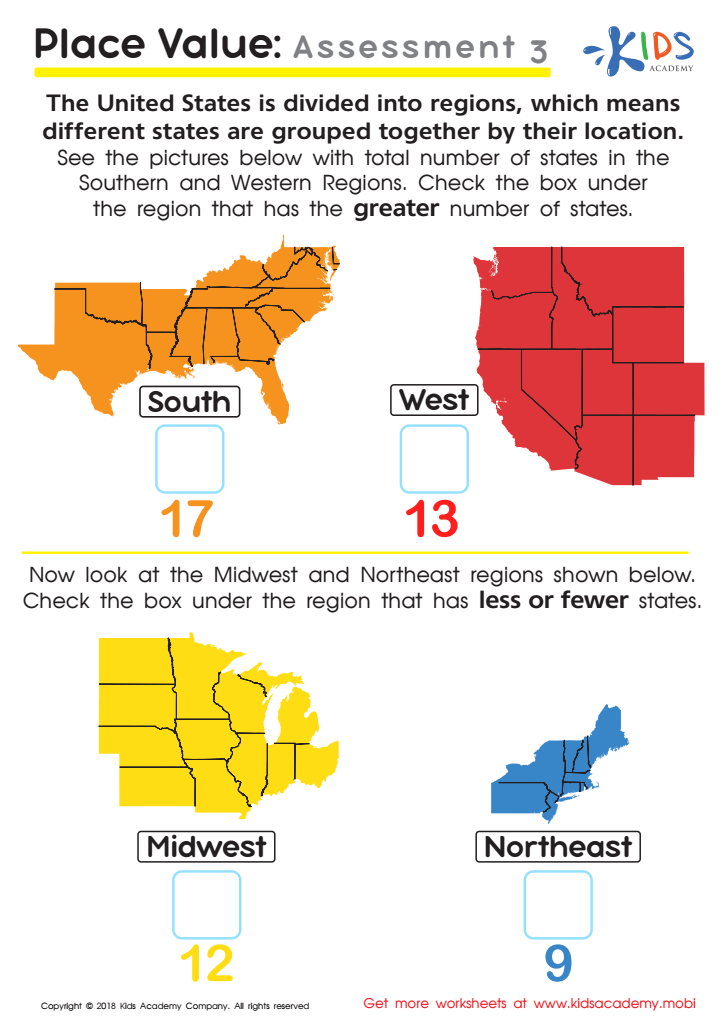
Place Value: Assessment 3 Worksheet
 Assign to My Students
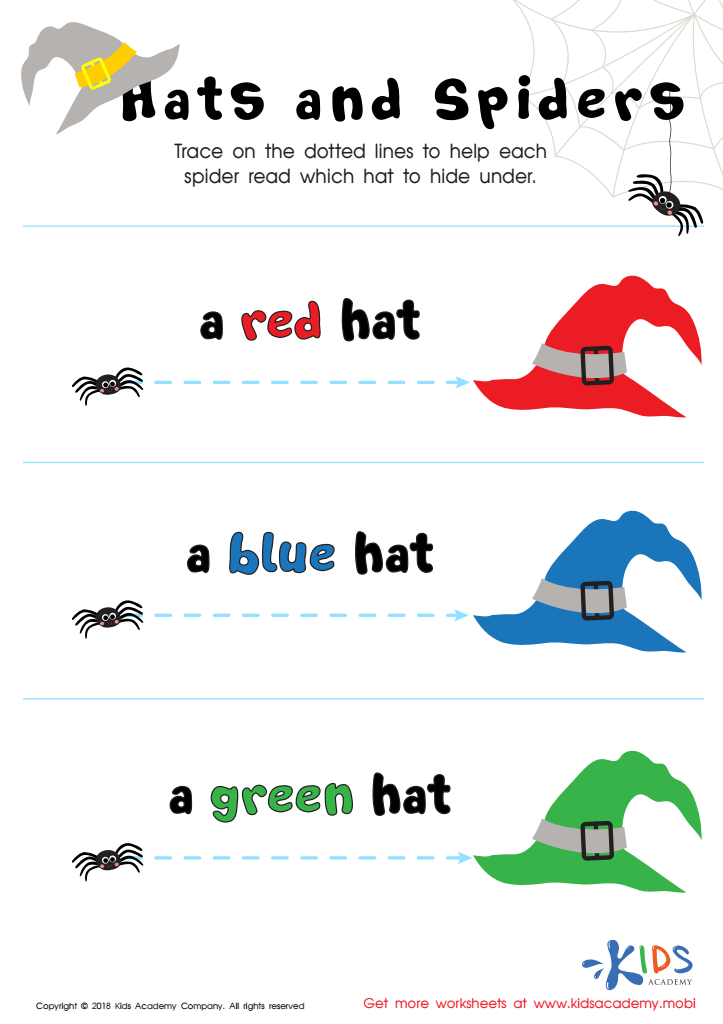
Read from Left to Right: Hats and Spiders Worksheet
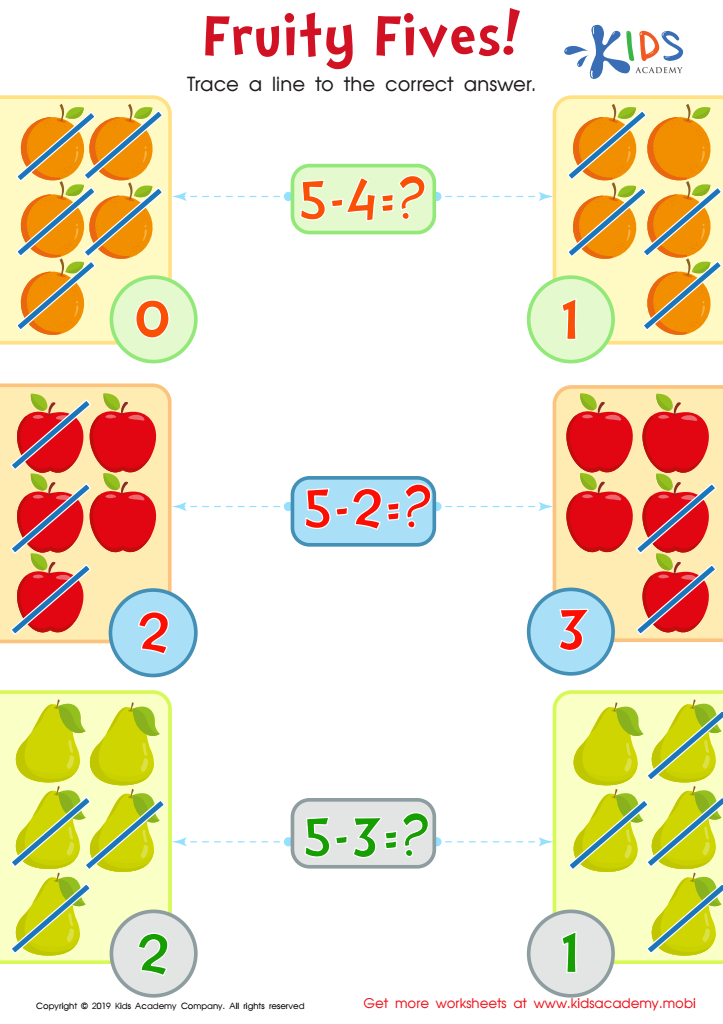
Fruity Fives! Worksheet
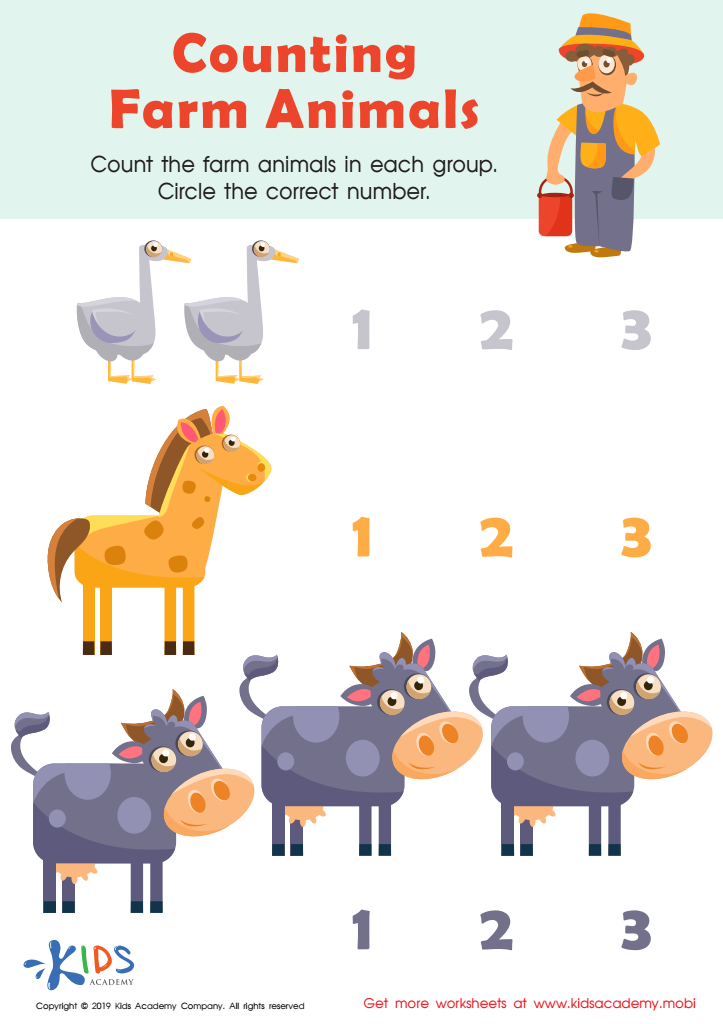
Counting Farm Animals Worksheet
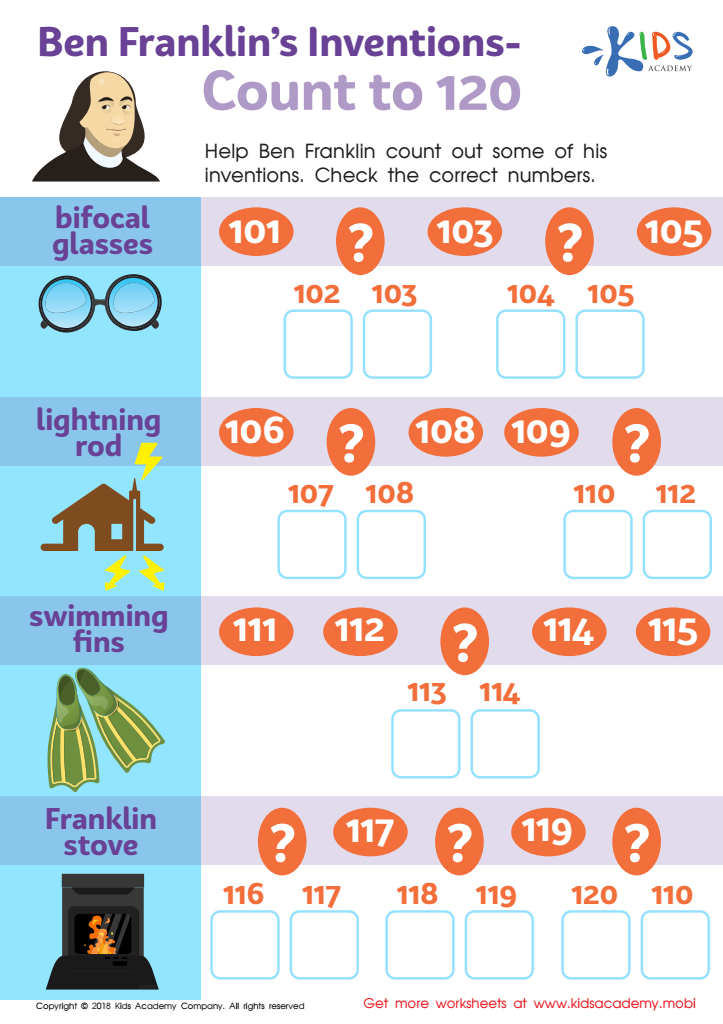
Ben Franklin’s Inventions – Count to 120 Worksheet








Parents and teachers should care about number writing for children ages 3-9 because it is a foundational skill that supports their overall cognitive and academic development. During these formative years, children are developing critical thinking, fine motor skills, and an understanding of mathematical concepts—integral components of their education.
Number writing helps young children recognize and form numbers correctly, fostering number sense—the ability to understand, relate, and connect numbers. This is crucial for everyday activities, such as counting, measuring, and simple arithmetic, which form the basis for more complex mathematical learning later.
Moreover, engaging in number writing activities enhances fine motor skills by requiring coordination and control. These physical skills transfer to other important tasks like writing letters and playing musical instruments.
Teachers and parents who pay attention to number writing are setting children up for success. Mastery in this area increases a child’s confidence and fosters a positive attitude toward learning. Recognizing and encouraging correct number formation early on can prevent confusion and errors as mathematical demands grow.
Finally, familiarity with numbers and the practice of writing them correctly expose children to the expectations of their academic curriculums, bridging home learning and school education in a cohesive manner and ensuring children are well-prepared for future learning experiences.








