
Numerical recognition Worksheets for Ages 3-9
3 filtered results
Difficulty Level
Grade
Age
-
From - To
Subject
Activity
Standards
Discover our engaging Numerical Recognition Worksheets designed specifically for children ages 3-9. These printable resources provide a fun and interactive way for young learners to enhance their number recognition skills. Our carefully crafted worksheets include a variety of activities such as counting, identifying, and matching numbers, tailored to keep toddlers and early grade schoolers excited about learning. With colorful illustrations and age-appropriate exercises, these worksheets foster a solid foundation in numeracy while boosting confidence and critical thinking. Perfect for home or classroom use, our numerical recognition resources are essential tools for nurturing a love for numbers! Download and print today!
Favorites
With answer key
Interactive
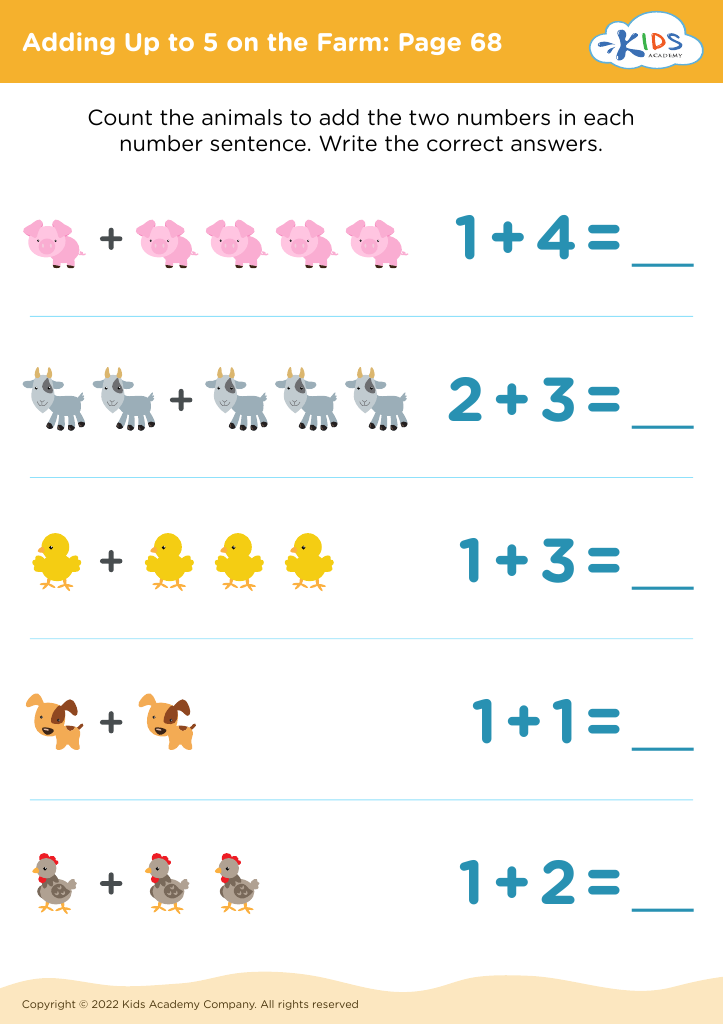
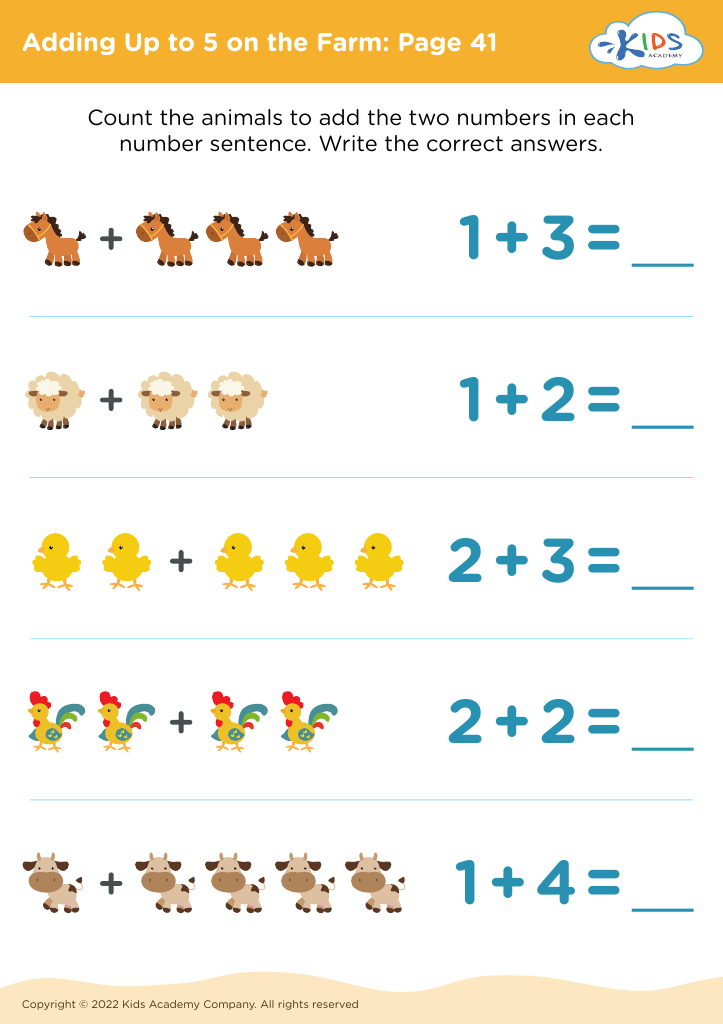
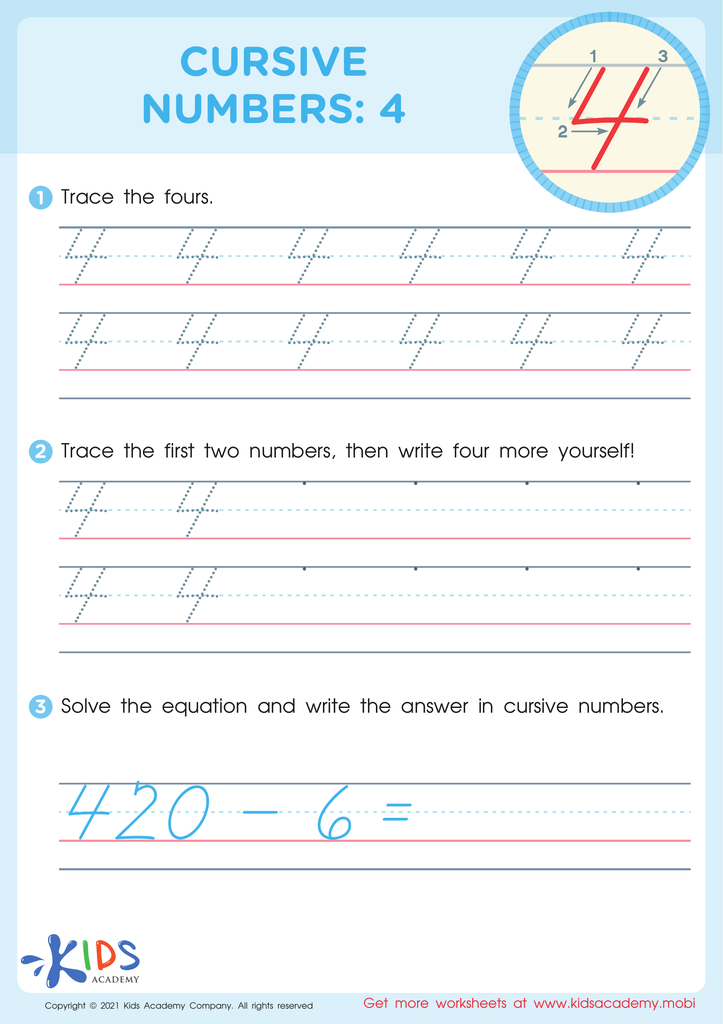
Cursive Numbers: 4 Worksheet
Math is challenging, and teaching cursive alongside it can be overwhelming. Make lessons enjoyable and your child will be more likely to stay engaged. Utilize worksheets to practice tracing the number 4 in cursive. With regular practice, your child can learn to write the number on their own.
Cursive Numbers: 4 Worksheet
Worksheet
Join Kids Academy for Free
Who is primarily going to use this learning content?







Numerical recognition in children aged 3-9 is crucial for several reasons and warrants the attention of both parents and teachers. First, it serves as a foundational skill in mathematics, impacting future academic success. Early familiarity with numbers enables children to grasp basic math concepts like addition, subtraction, and counting, which are essential as they progress through school.
Second, numerical recognition fosters cognitive development. Recognizing numbers helps enhance critical thinking and problem-solving skills, preparing children to tackle more complex mathematical challenges later on. Additionally, numerical recognition is closely linked to everyday life skills, such as telling time, managing money, and understanding quantities, which are vital for independent living.
Furthermore, engaging children with numerical activities can boost their confidence and motivation in learning. When they recognize numbers and can apply their knowledge in practical scenarios, children gain a sense of achievement that encourages a love for learning.
Lastly, instilling numerical recognition early provides opportunities for parents and teachers to create enriching, interactive experiences through games and activities, fostering positive attitudes toward mathematics. By prioritizing numerical recognition, parents and educators set the stage for a lifetime of mathematical understanding and proficiency.








