Problem-solving abilities Worksheets for Ages 3-9 - Page 3
65 filtered results
-
From - To
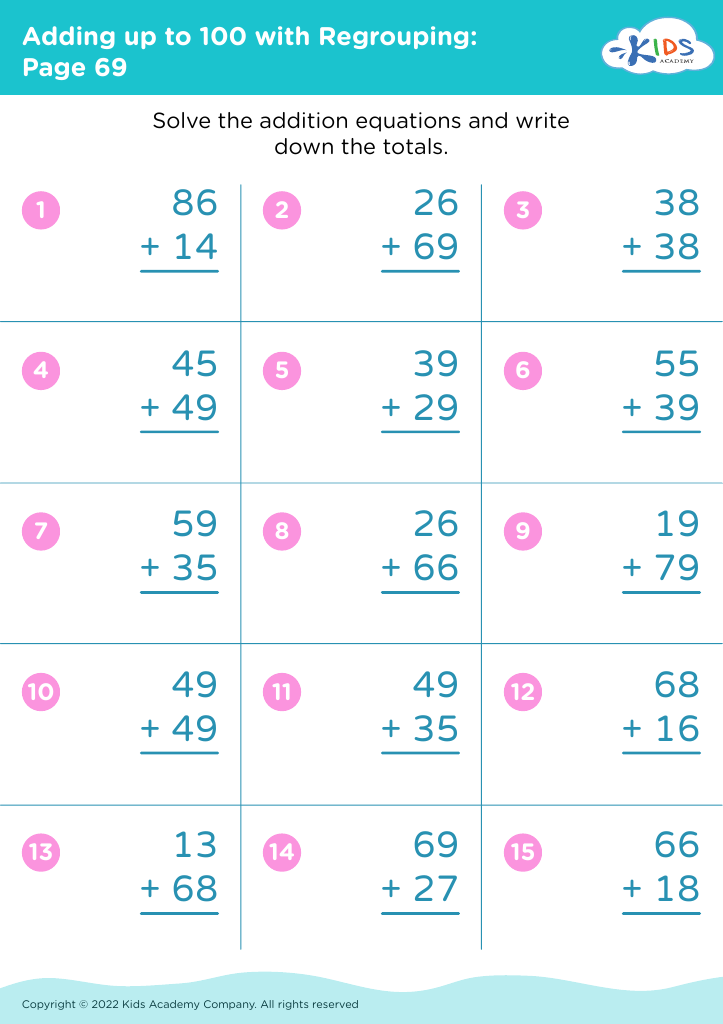
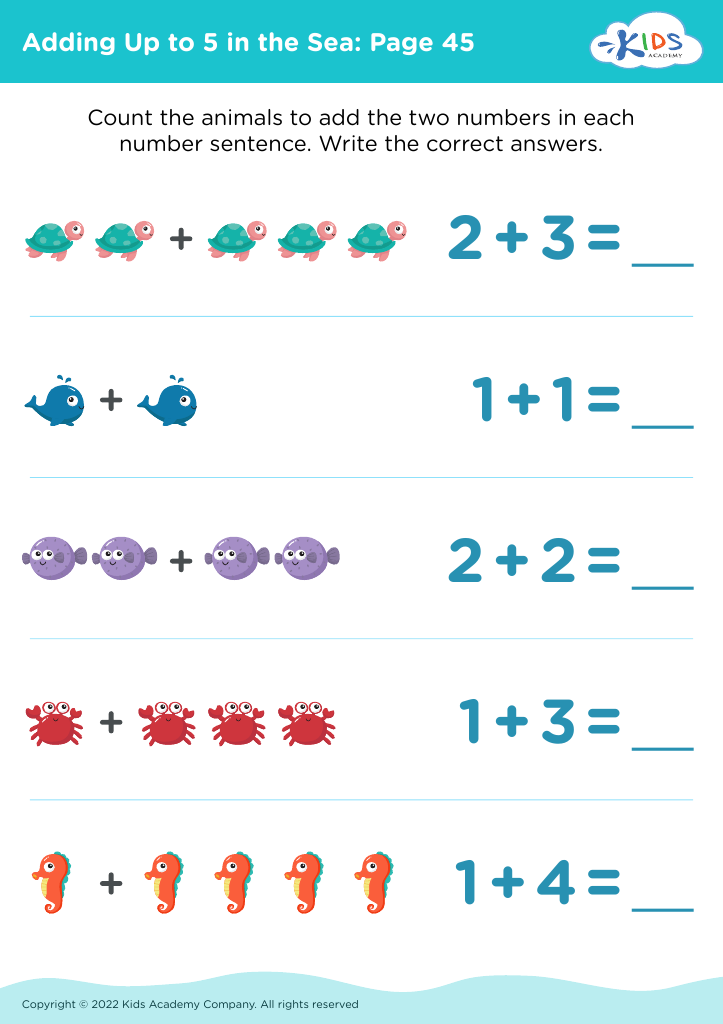
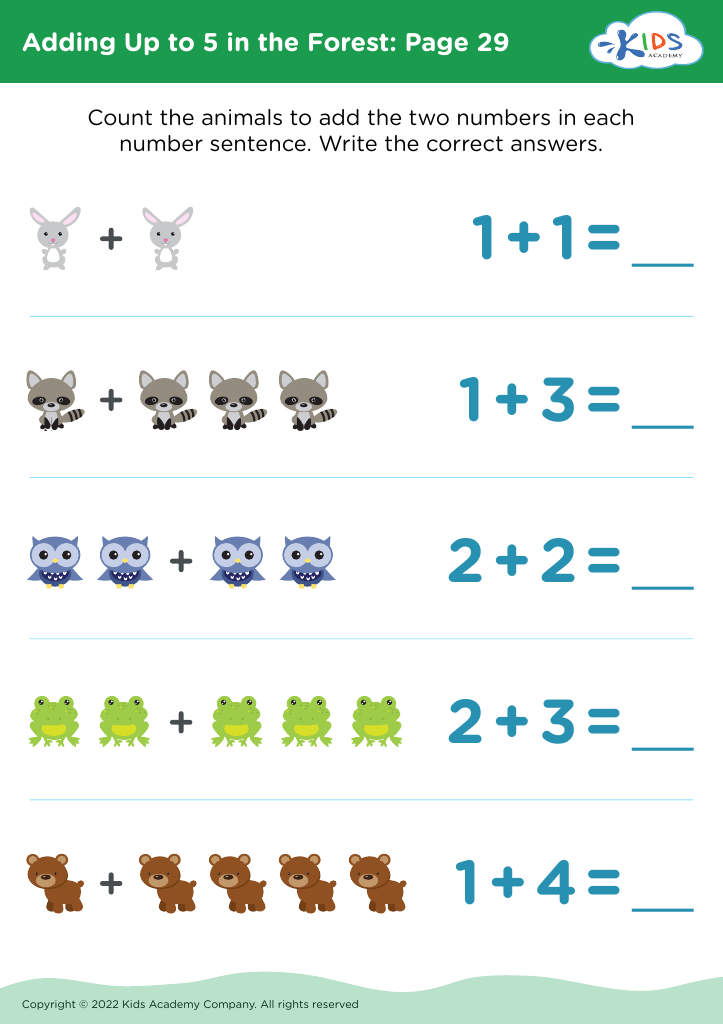
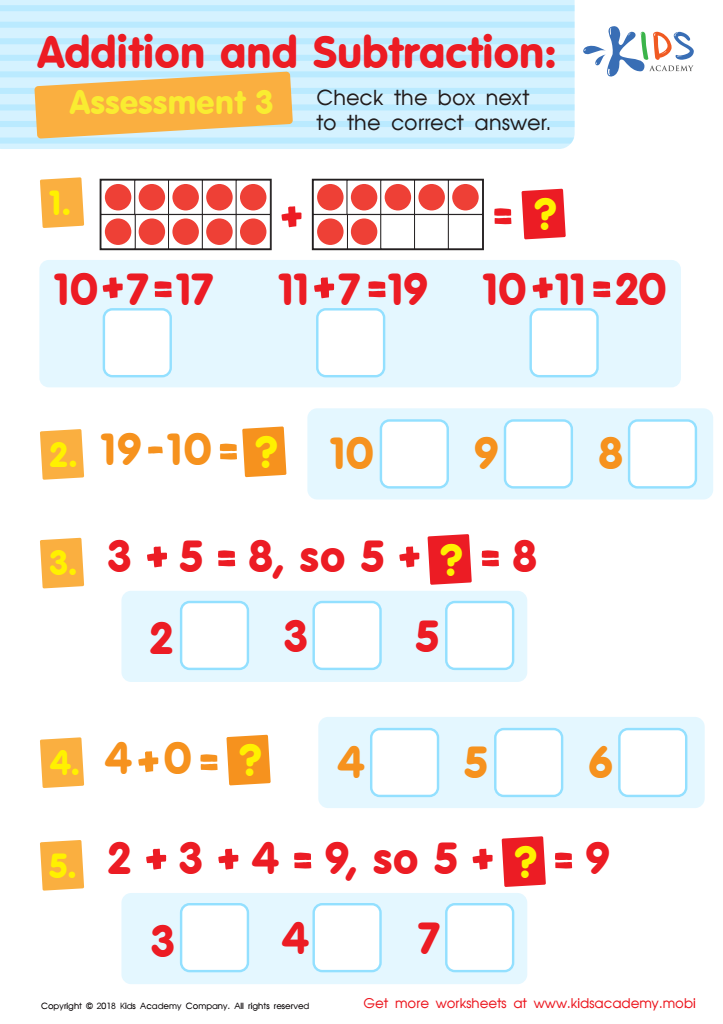
Addition and Subtraction Assessment 3 Worksheet
 Assign to My Students
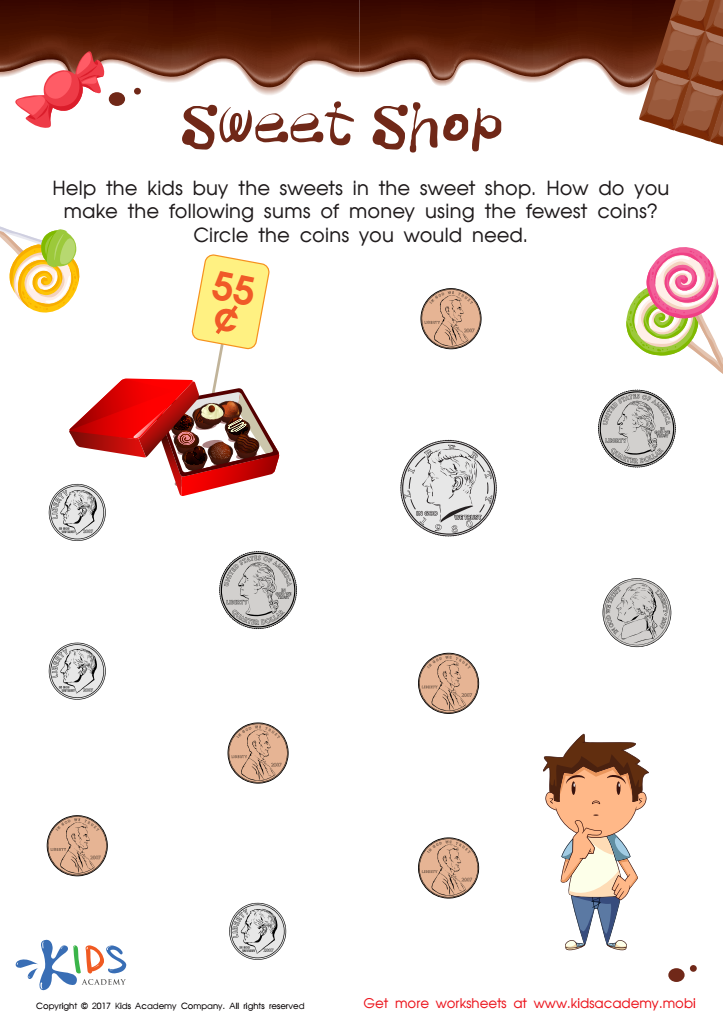
Sweet Shop – Counting Coins Worksheet
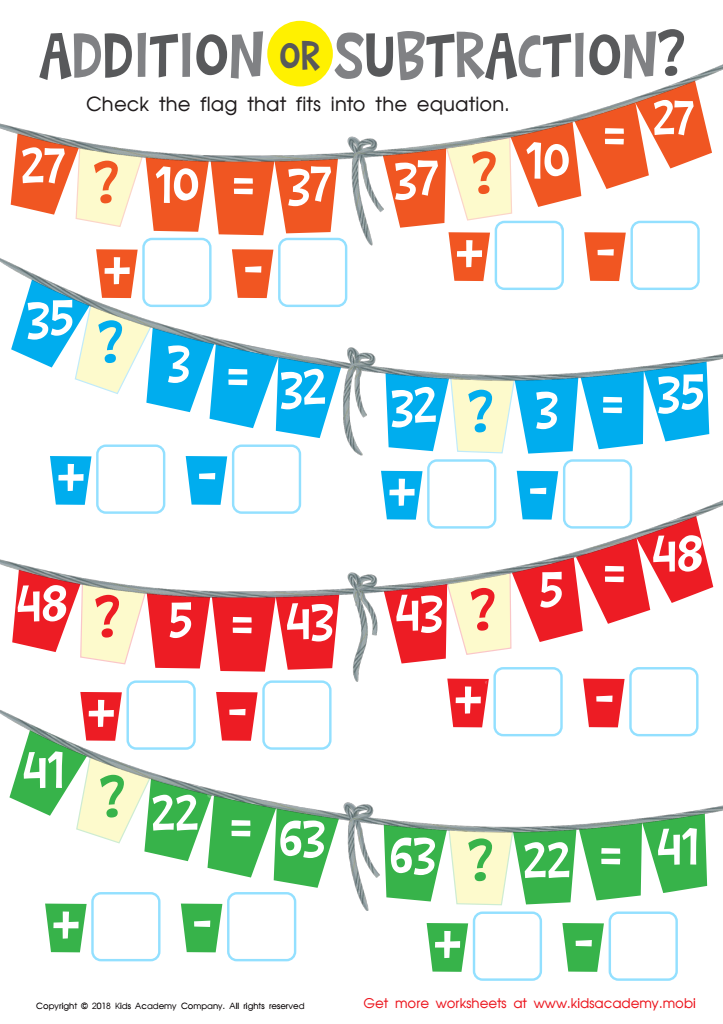
Addition or Subtraction? Worksheet
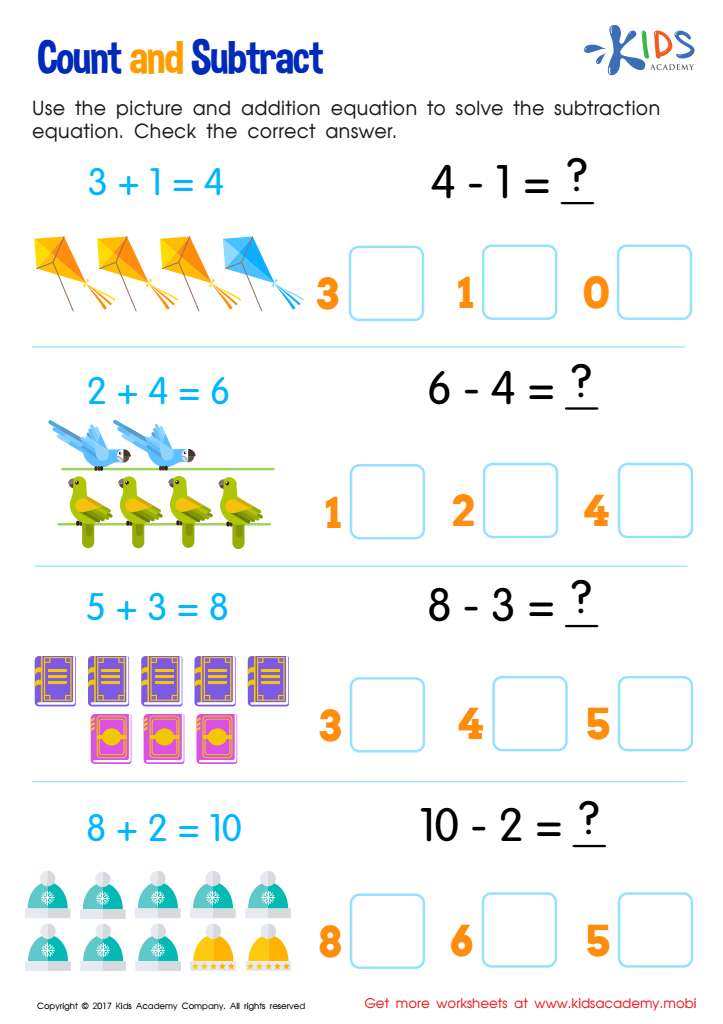
Count and Subtract Worksheet
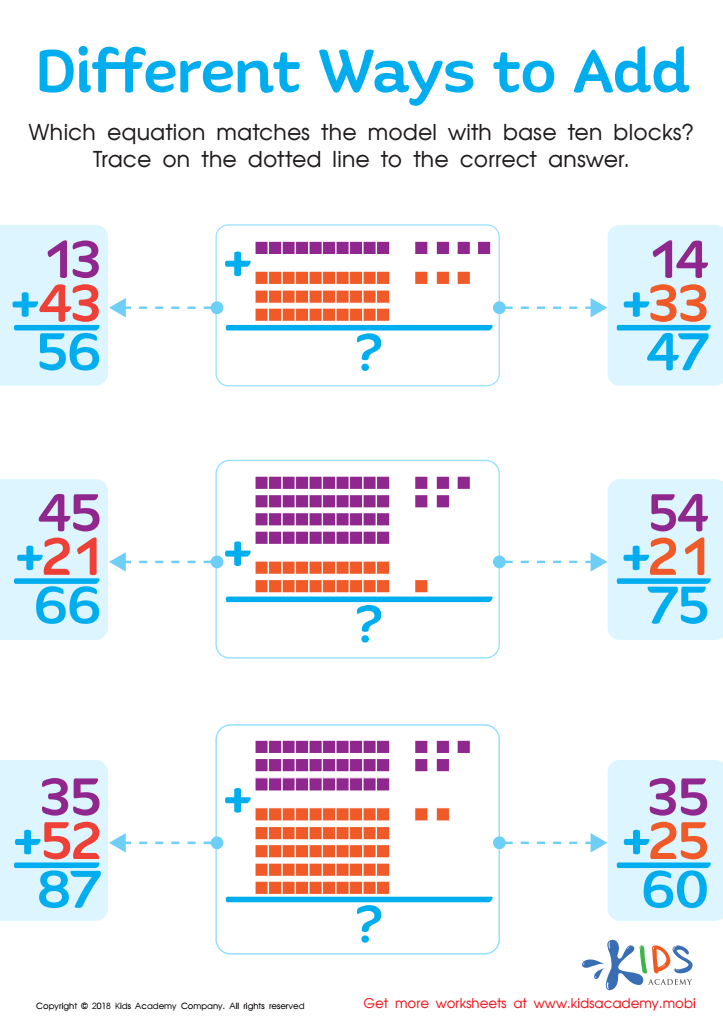
Different Ways to Add Worksheet
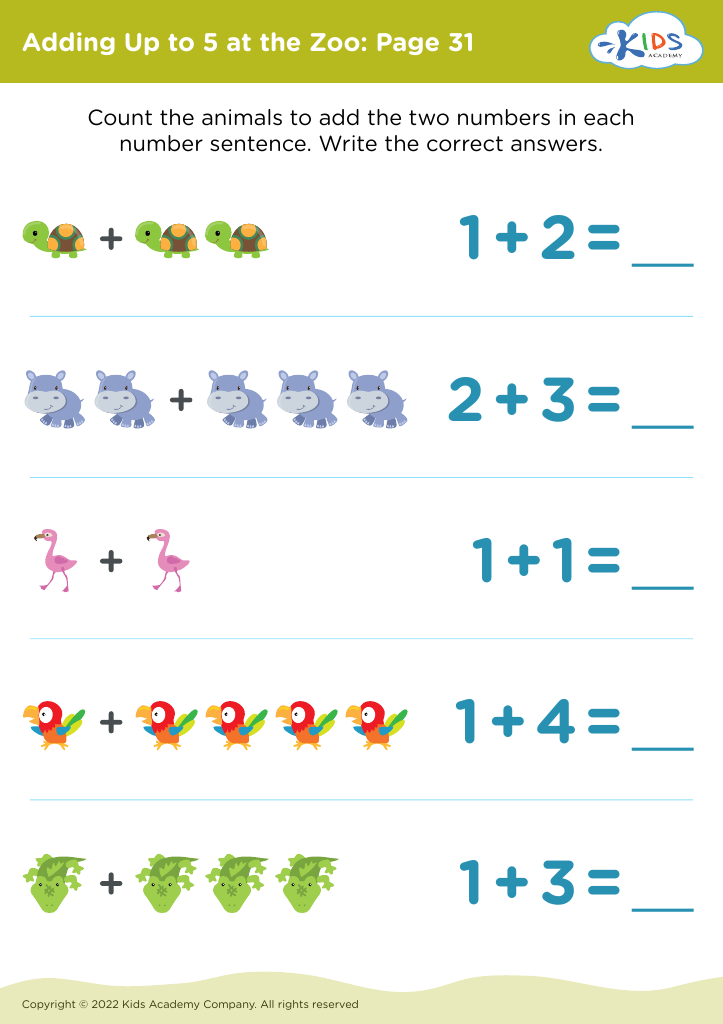
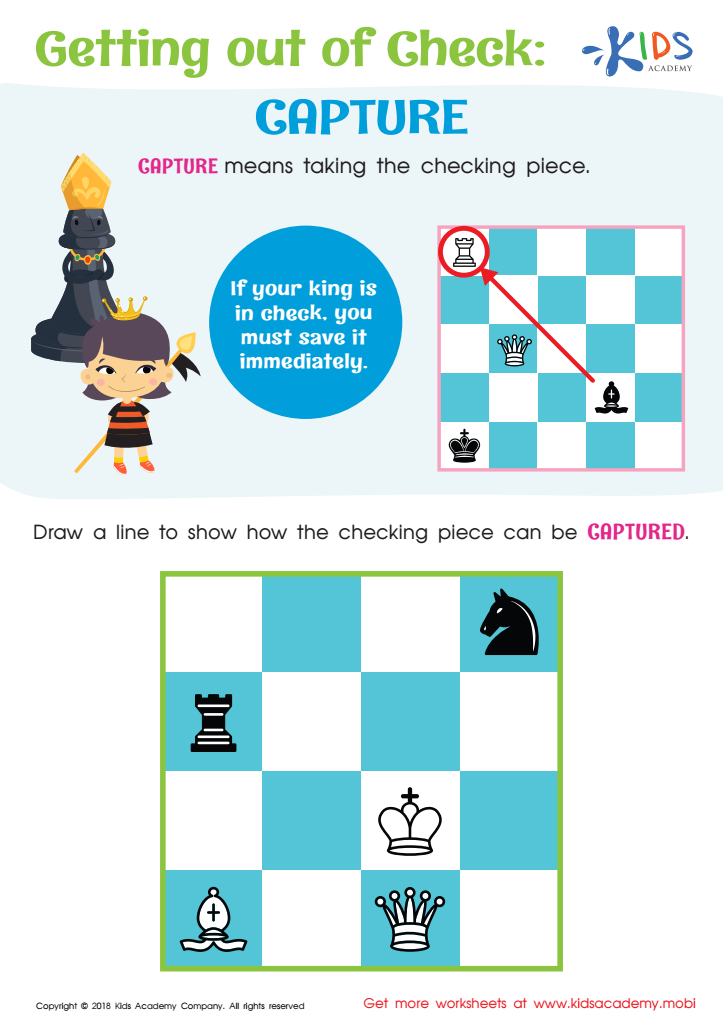
Getting out of Check: Capture

Sudoku Worksheet
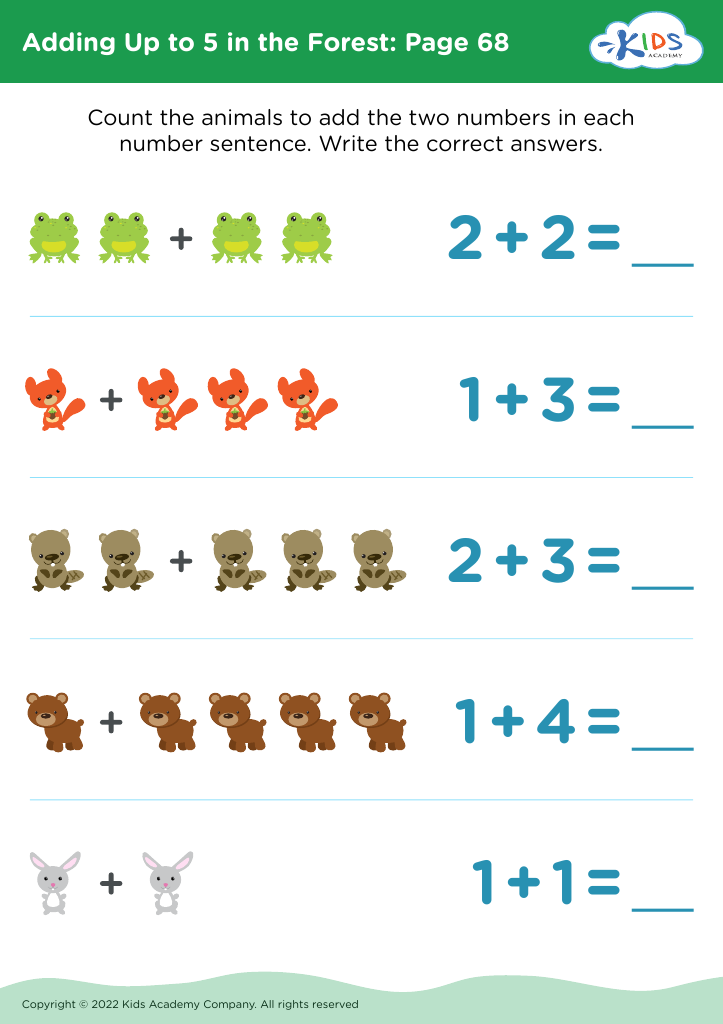
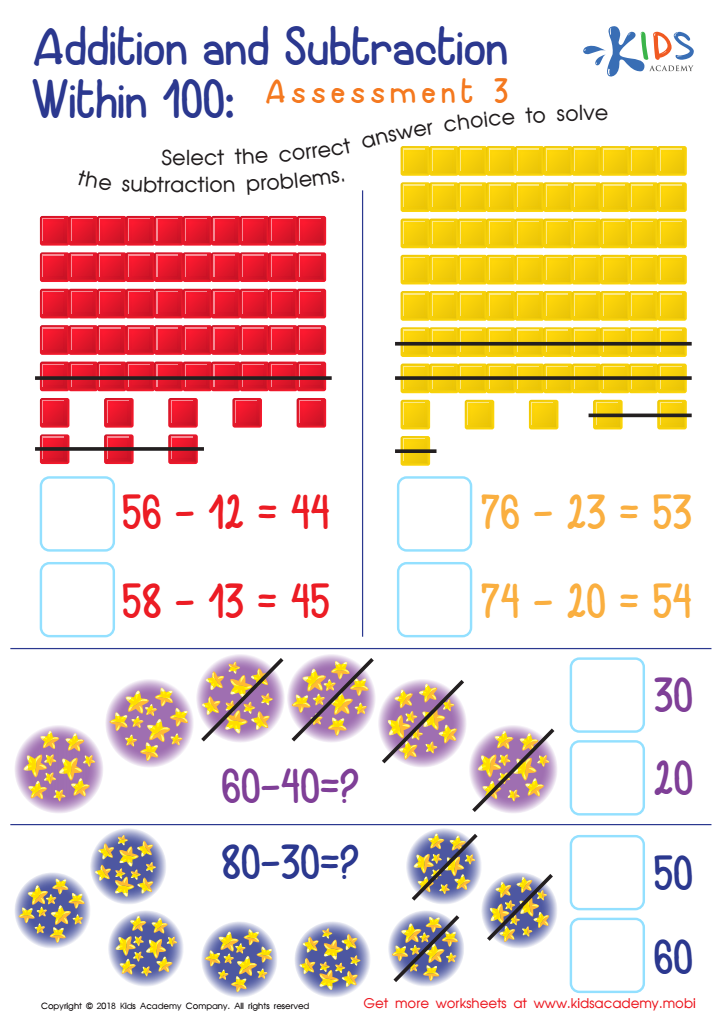
Addition and Subtraction Within 1: Assessment 3 Worksheet
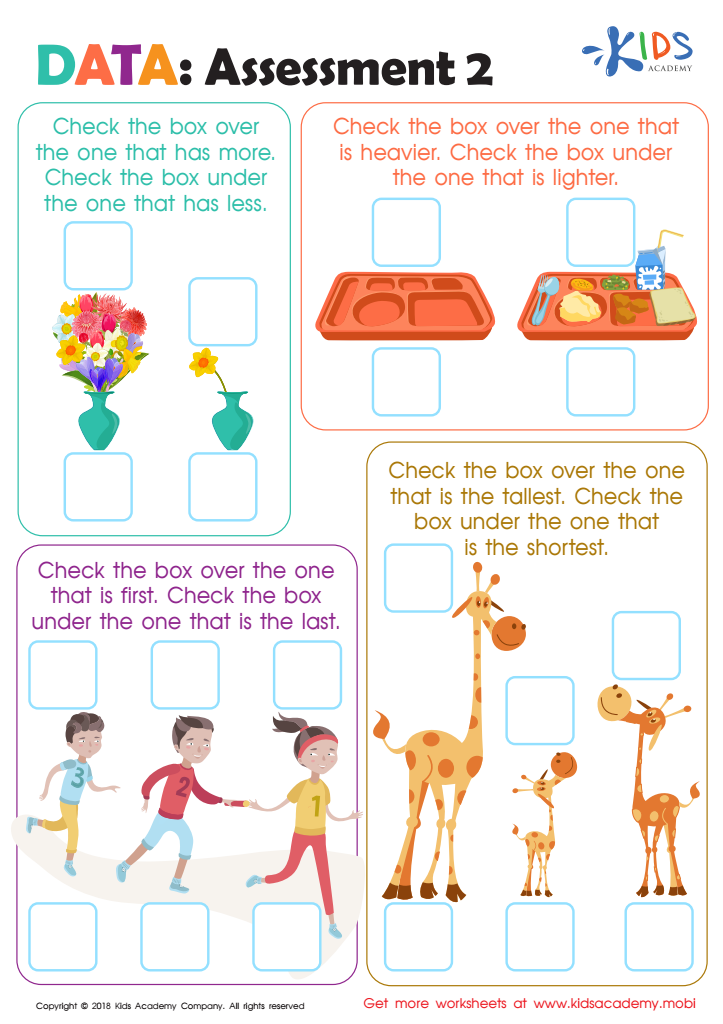
Data: Assessment 2 Worksheet
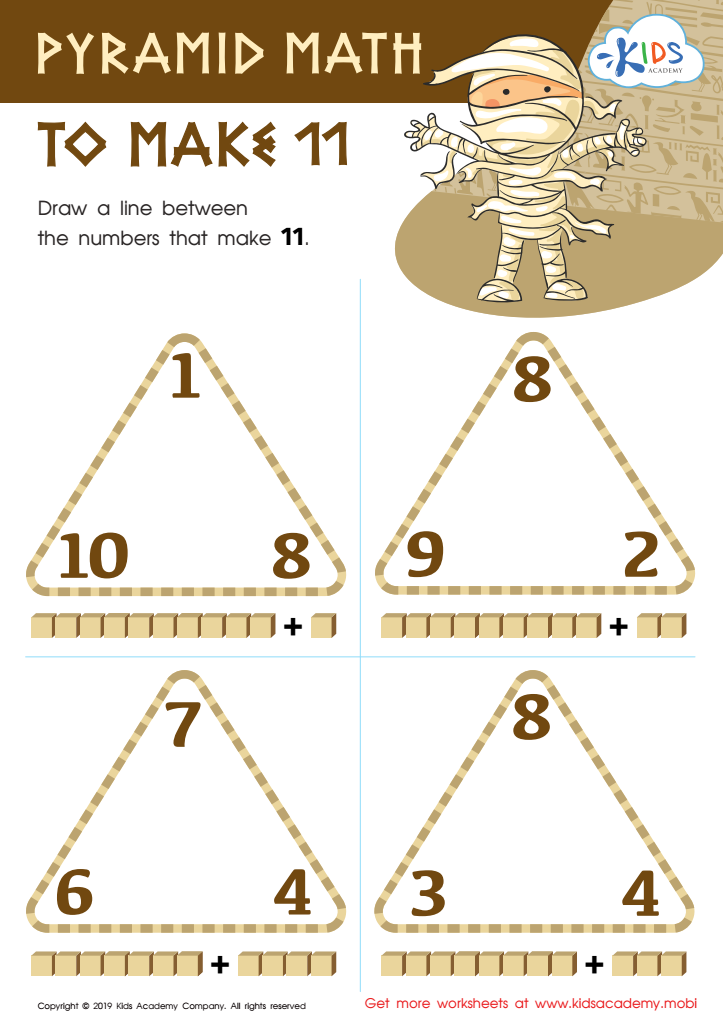
Pyramid Math to Make 11 Worksheet
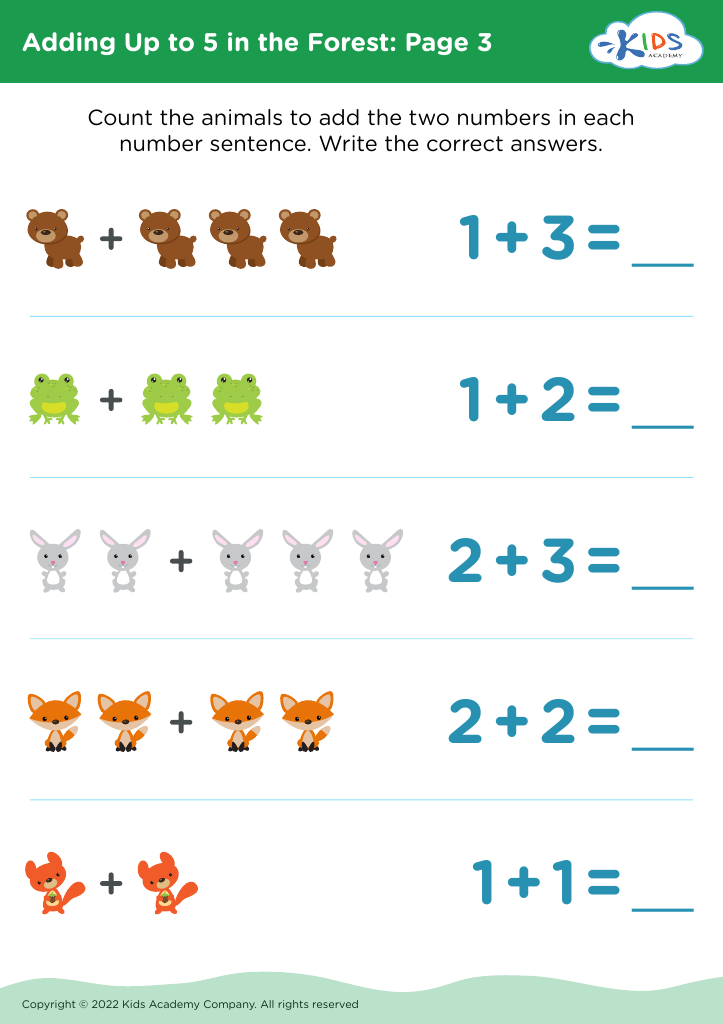








Problem-solving abilities are crucial for children aged 3-9 as they form the foundation for their cognitive, social, and emotional development. During these formative years, children encounter numerous situations that require them to think critically, make decisions, and explore various solutions. By encouraging problem-solving skills, parents and teachers can help children develop resilience and adaptability, essential traits for navigating challenges in life.
Moreover, strong problem-solving abilities promote creativity and innovation. When children learn to approach problems from different angles, they become open-minded thinkers, which is vital in an ever-evolving world. Engaging in problem-solving activities also enhances mathematical and logical thinking skills, preparing children for academic success in the future.
Socially, problem-solving fosters cooperation and communication, as children often work together in groups to reach common goals. This collaborative approach strengthens relationships and empathy, guiding children in building healthy social interactions.
Furthermore, early emphasis on problem-solving leads to improved emotional regulation, as children learn to manage frustration and handle setbacks. In conclusion, investing in the development of problem-solving skills in young children equips them with tools to tackle everyday challenges and paves the way for lifelong learning and success.








