Recognize patterns Worksheets for Ages 3-9
11 filtered results
-
From - To
Discover an engaging collection of Recognize Patterns Worksheets designed for children ages 3-9. Our resources promote early learning and critical thinking by helping young learners identify and create patterns through fun activities. From simple shapes to vibrant colors, these worksheets captivate children’s imagination while boosting their cognitive skills. Perfect for home or classroom use, they encourage independence and problem-solving. Plus, our worksheets are printable, making them convenient for parents and educators alike. Unlock your child’s potential and spark their creativity with our expertly designed pattern recognition sheets—ensuring a solid foundation for future mathematical concepts and skills!
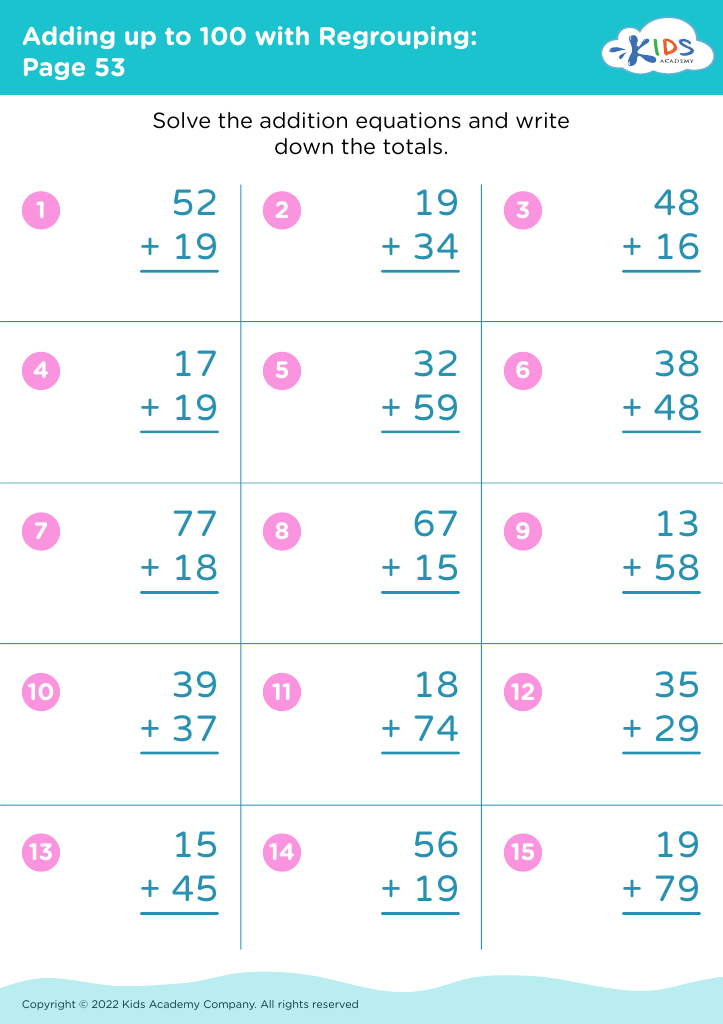
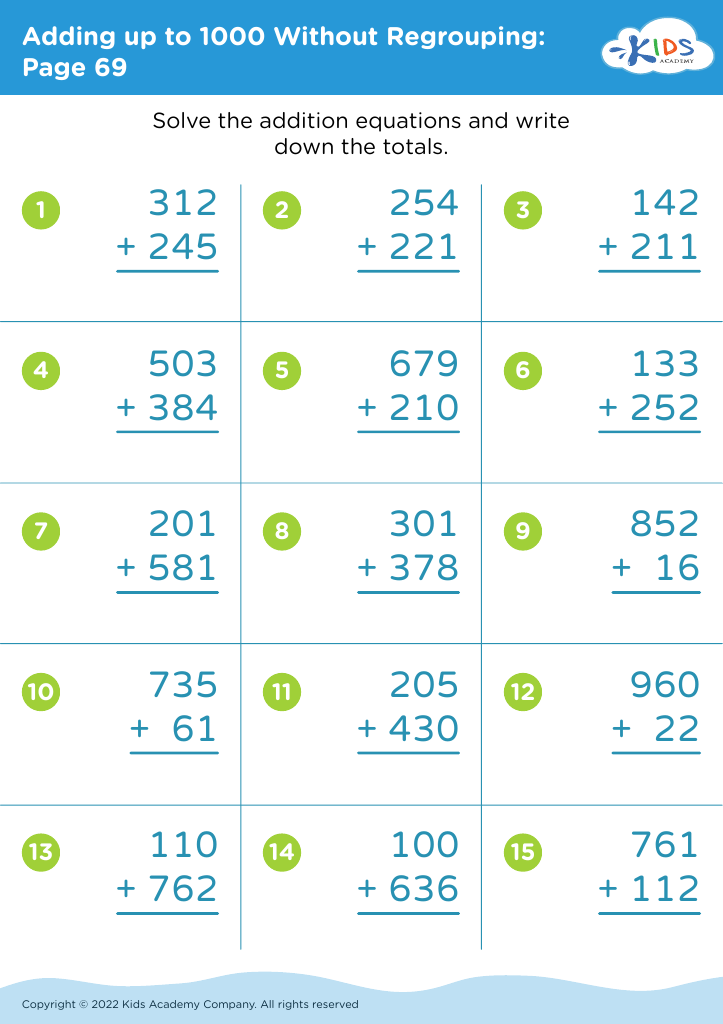
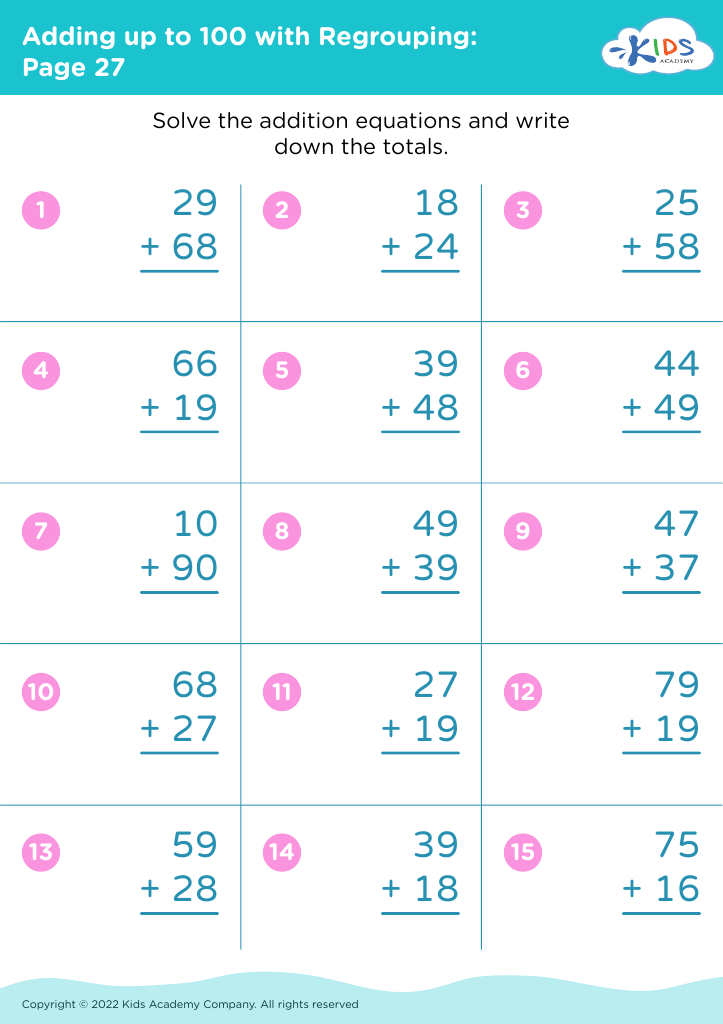
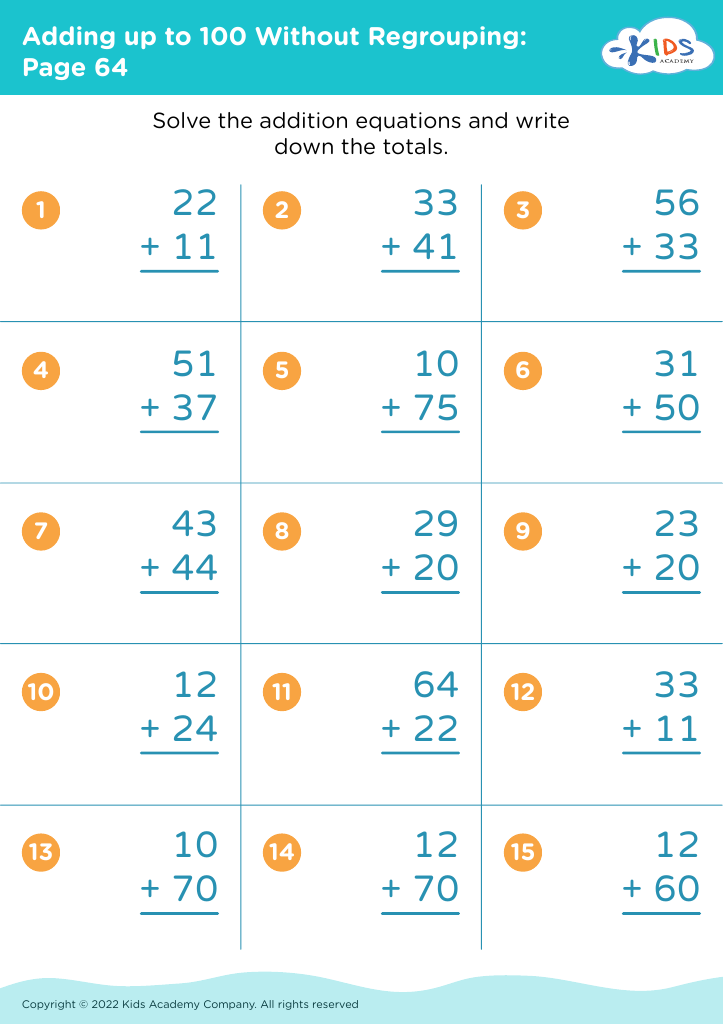








Recognizing patterns is a fundamental skill that fosters critical thinking and problem-solving abilities in children aged 3-9. As young learners engage in pattern recognition, they develop essential cognitive skills that lay the foundation for more complex mathematical reasoning. This ability supports their success not only in mathematics but across subjects and in everyday life.
Parents and teachers should emphasize pattern recognition as it encourages observational skills and promotes logical thinking. For example, children learn to predict what comes next in a sequence, enhancing their understanding of order and structure. This skill translates into better reading comprehension, as children notice patterns in language and narrative structures.
Furthermore, pattern recognition nurtures creativity and allows children to make connections between different concepts. Engaging in activities that incorporate patterns, such as music, art, and games, makes learning fun and interactive, giving children opportunities to collaborate and experiment.
By fostering a strong foundation in recognizing patterns, parents and teachers can equip children with the skills they need to thrive academically and build resilience in problem-solving. Therefore, recognizing patterns is not just an academic exercise; it is a critical element in holistic child development that should be prioritized by caregivers and educators alike.








