Recognizing Patterns Worksheets for Ages 3-9 - Page 2
35 filtered results
-
From - To
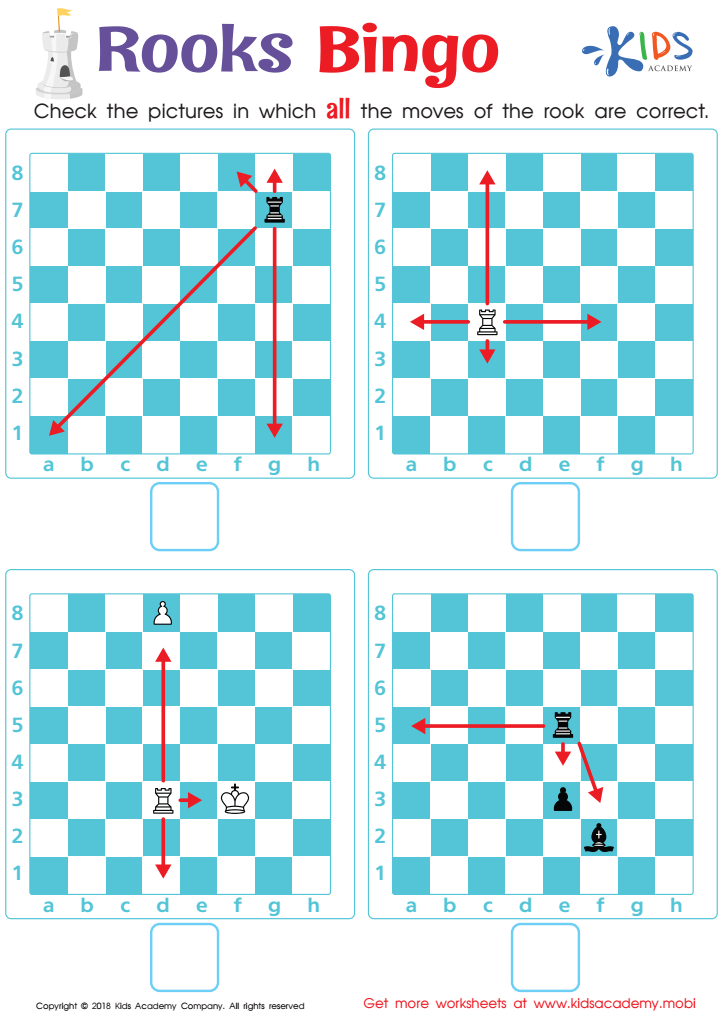
Rooks Bingo Worksheet
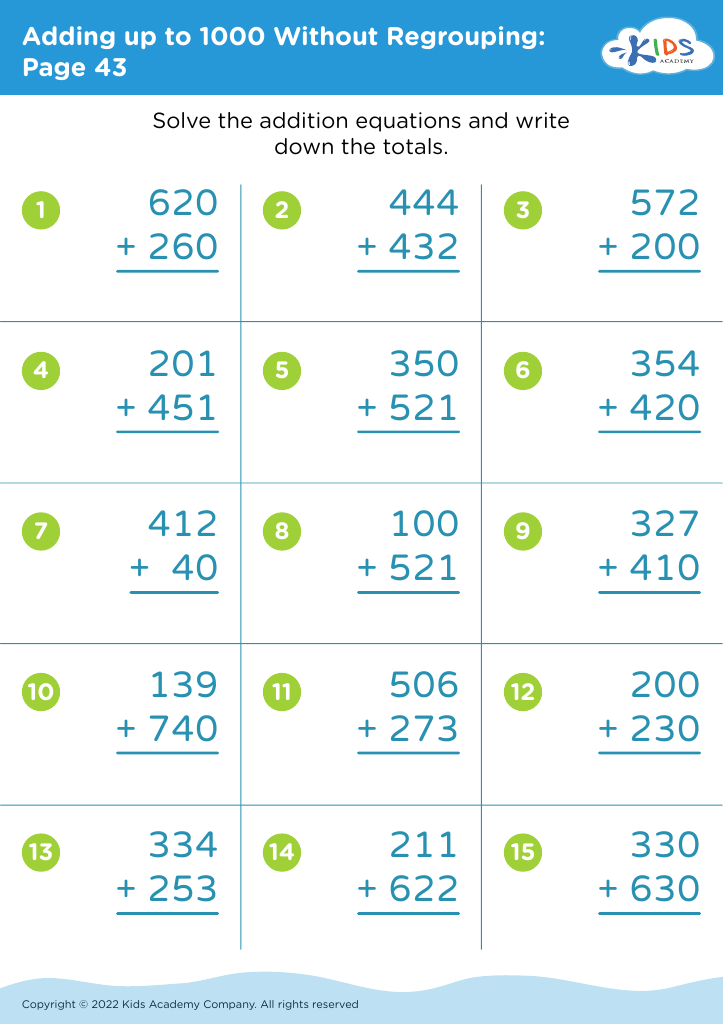
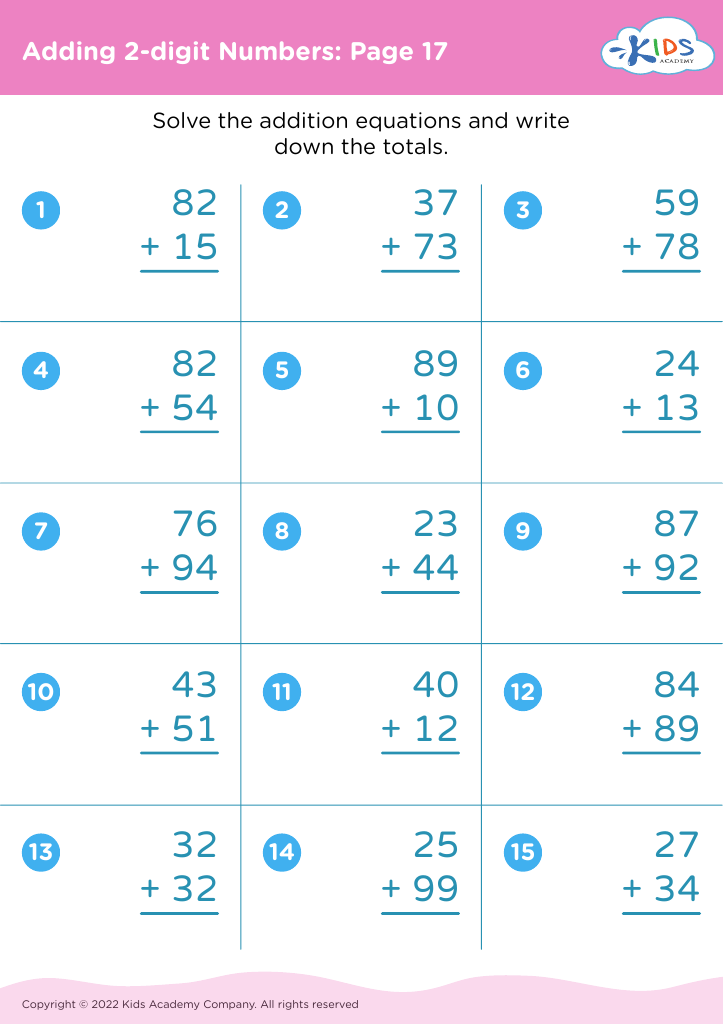
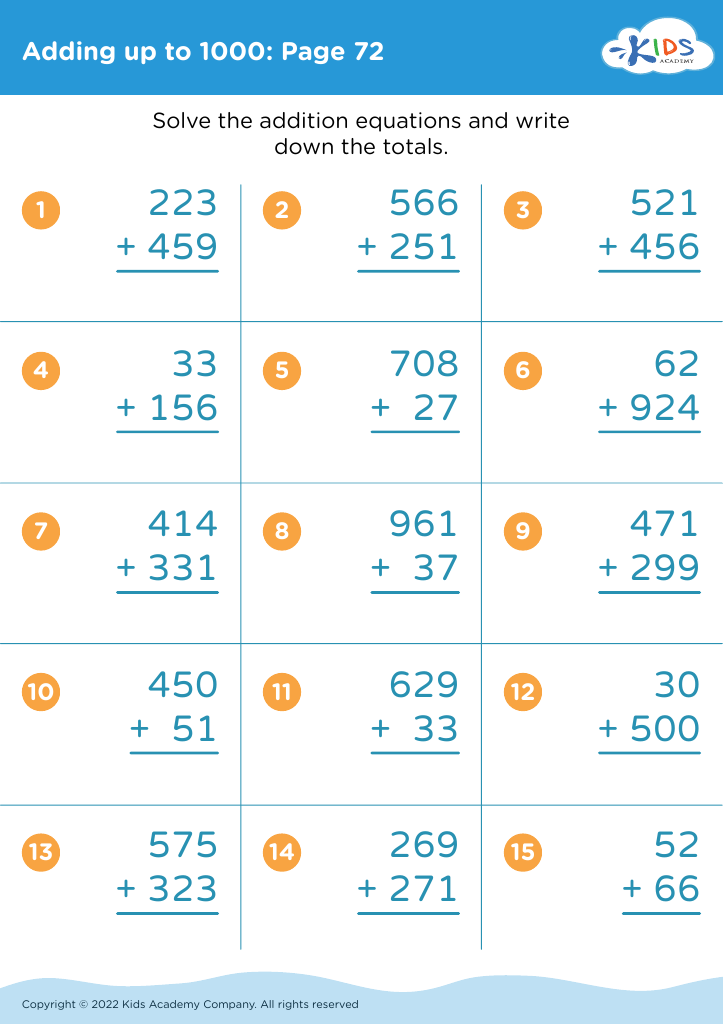







Recognizing patterns is a fundamental skill that serves as a building block for critical thinking and problem-solving in young children ages 3-9. For parents and teachers, emphasizing this concept contributes significantly to a child's early development in various ways.
Firstly, pattern recognition enhances mathematical abilities. Understanding sequences and relationships between numbers helps children grasp more complex mathematical concepts in later grades, laying a strong foundation for future learning.
Additionally, recognizing patterns is essential in language development. Children learn to discern structures in spoken and written language, aiding their reading skills and vocabulary acquisition. The ability to identify patterns fosters cognitive skills, improving children’s memory and attention, essential components of overall academic success.
Socially, recognizing patterns helps children navigate the world around them. They observe similarities and differences in behavior, which is critical for developing empathy and social skills.
Moreover, engaging children in activities involving patterns—like music, art, and rhythm—can enhance creativity and emotional expression. In short, fostering pattern recognition not only enriches a child’s cognitive abilities but also supports their social, emotional, and creative development, making it a crucial focus for parents and educators alike.








