Story sequencing Worksheets for Ages 3-9 - Page 2
31 filtered results
-
From - To
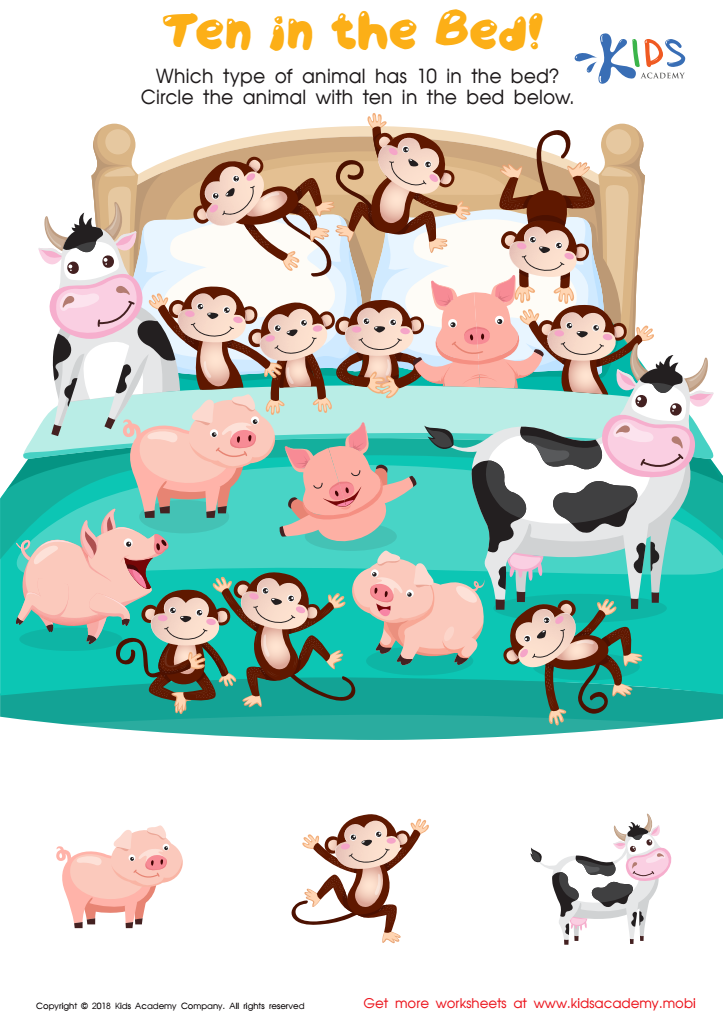
Ten in the Bed Worksheet
 Assign to My Students
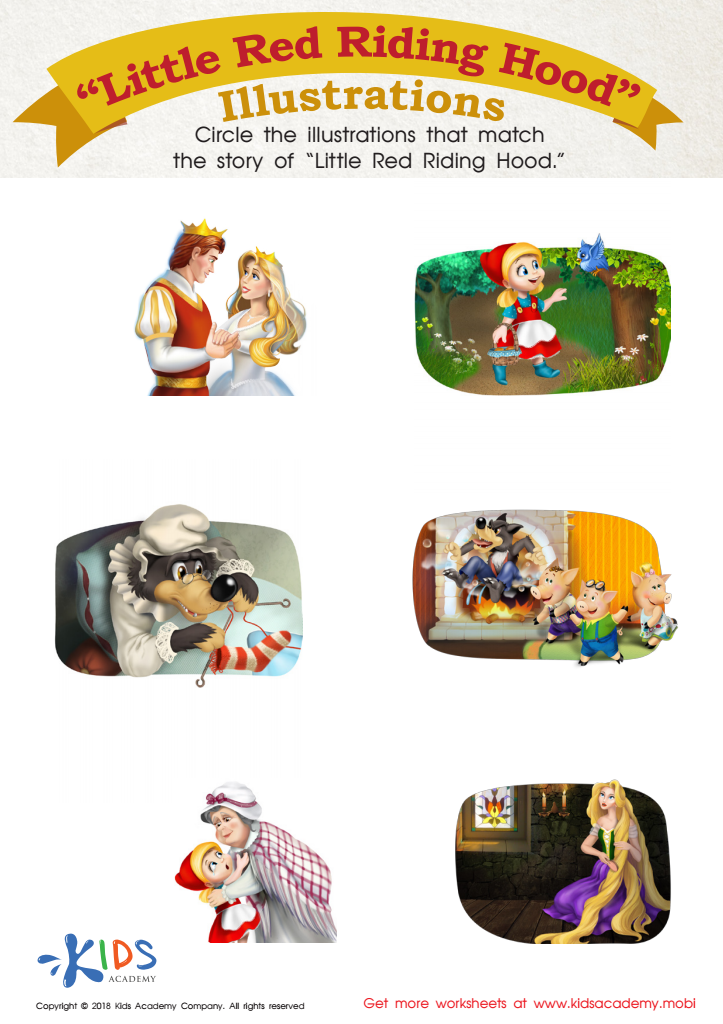
Little Red Riding Hood: Illustrations Worksheet
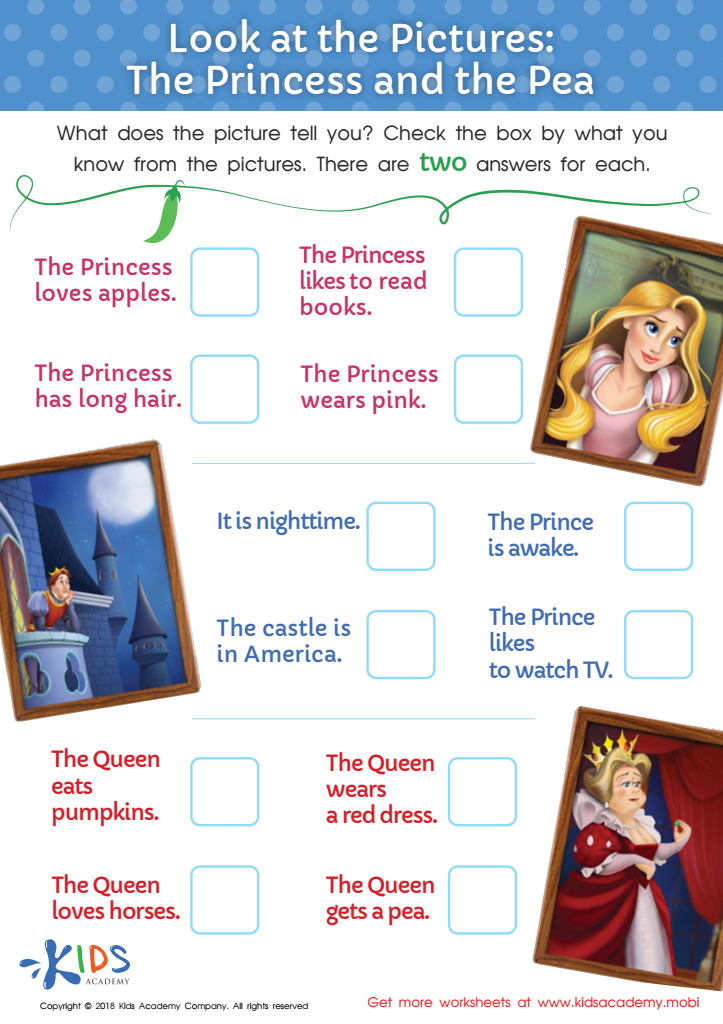
Look at the Pictures: The Princess and the Pea Worksheet
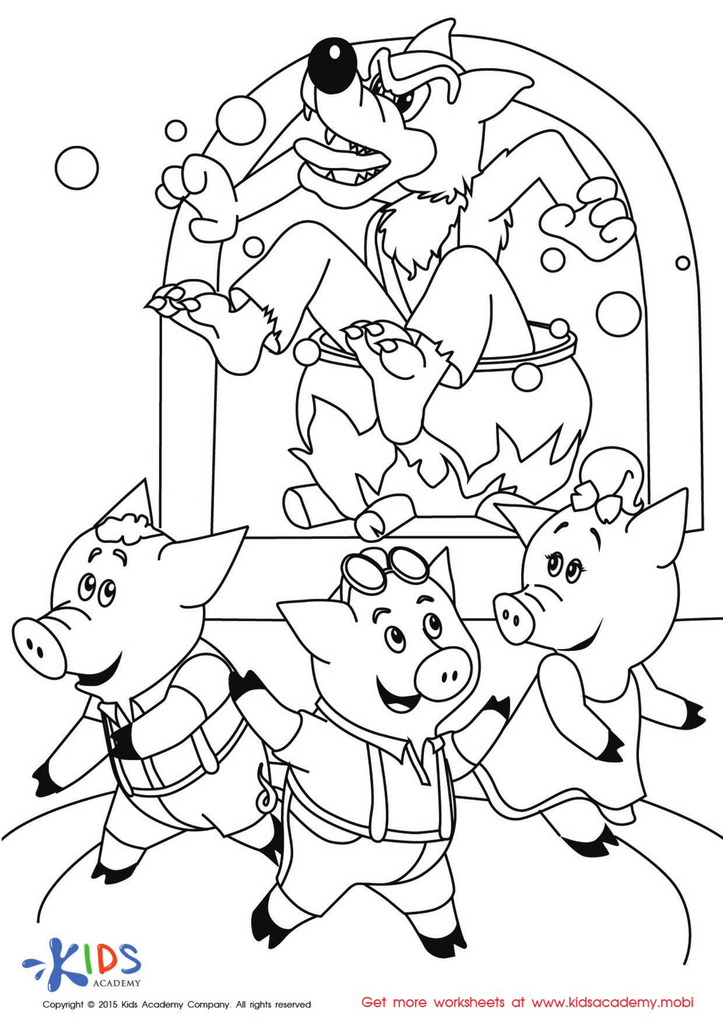
The Three Little Pigs and The Big Bad Wolf Printable
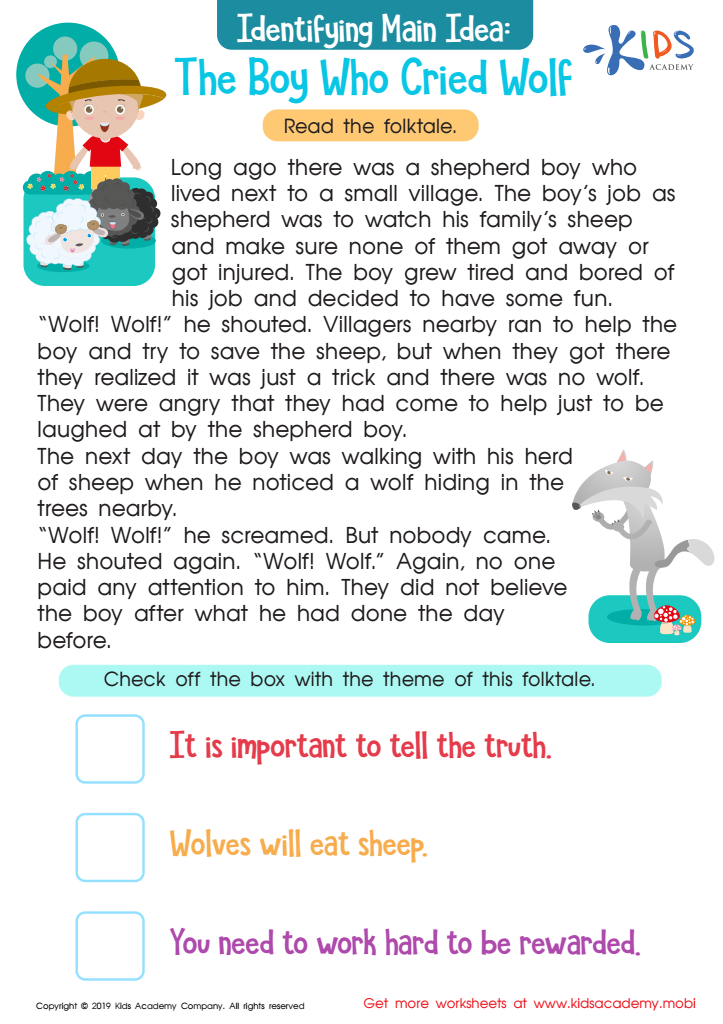
The Boy Who Cried Wolf Part 2 Worksheet
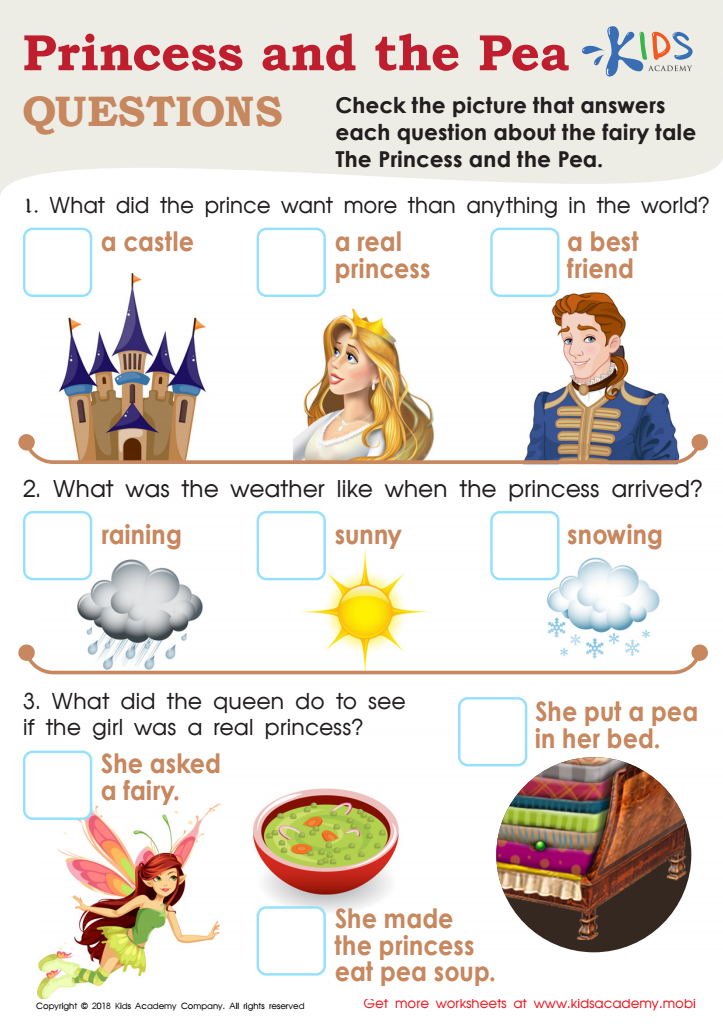
Princess and the Pea Questions Worksheet
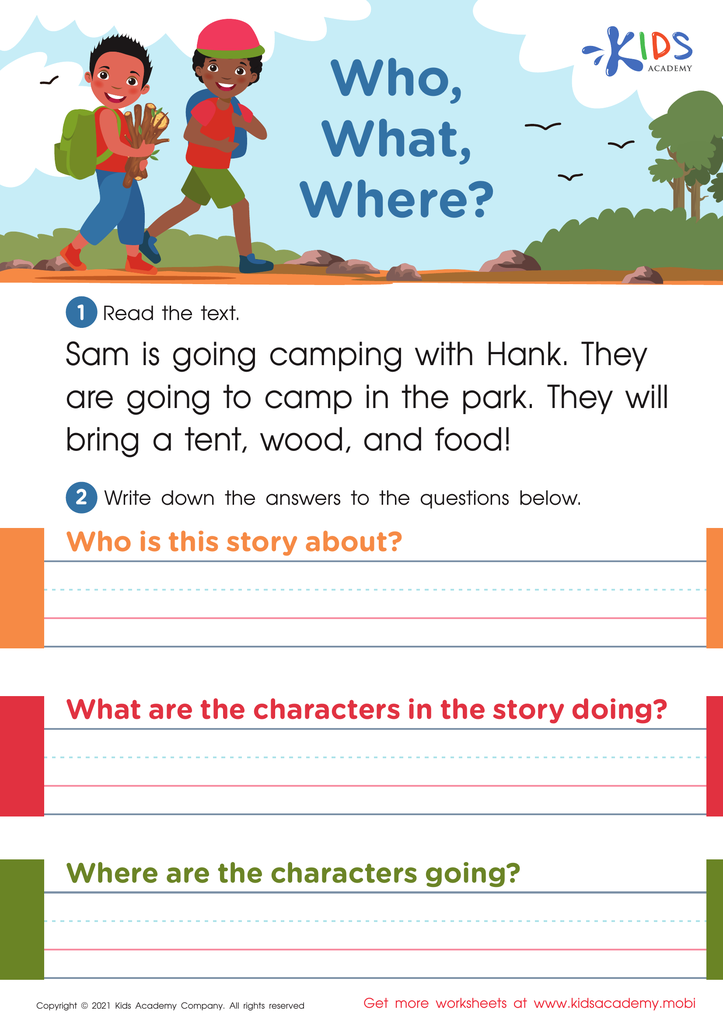
Who, What, Where? Worksheet






Story sequencing is a crucial skill for children ages 3-9 that significantly impacts their cognitive and language development. For parents and teachers, understanding and implementing these skills is vital for several reasons. First, story sequencing helps children develop critical thinking skills by enabling them to organize events logically, understand cause-and-effect relationships, and predict outcomes. This cognitive organization lays the foundation for stronger comprehension when they encounter more complex narratives in the future.
Moreover, sequencing activities promote language development. As children recount stories in order, they learn to use descriptive language, timelines, and vocabulary effectively, enhancing their communication skills. This practice also fosters listening skills, as they must pay close attention to details to retain the sequence.
Additionally, story sequencing nurtures creativity and imagination. Encouraging children to create their own sequences encourages them to explore new storylines and characters, enhancing their ability to think outside the box. Lastly, it bolsters collaboration and social skills, as group activities often involve collective storytelling and negotiation. Therefore, parents and teachers should prioritize story sequencing in early education to equip children with essential literacy skills and foster personal and social development that will benefit them throughout their academic journey.








