Tracing practice Worksheets for Ages 3-9
3 filtered results
-
From - To
Unlock your child's full potential with our Tracing Practice Worksheets for Ages 3-9! Designed to enhance fine motor skills, hand-eye coordination, and handwriting readiness, these worksheets provide engaging tracing activities suitable for preschool to elementary school students. With beautifully crafted letters, shapes, and patterns to trace, kids will build confidence and develop essential writing skills through fun, interactive practice. Our expert-approved, age-appropriate sheets make learning enjoyable and effective, laying a strong foundation for academic success. Start your child's educational journey with our top-notch tracing worksheets today! Discover the joy of learning with Kids Academy.
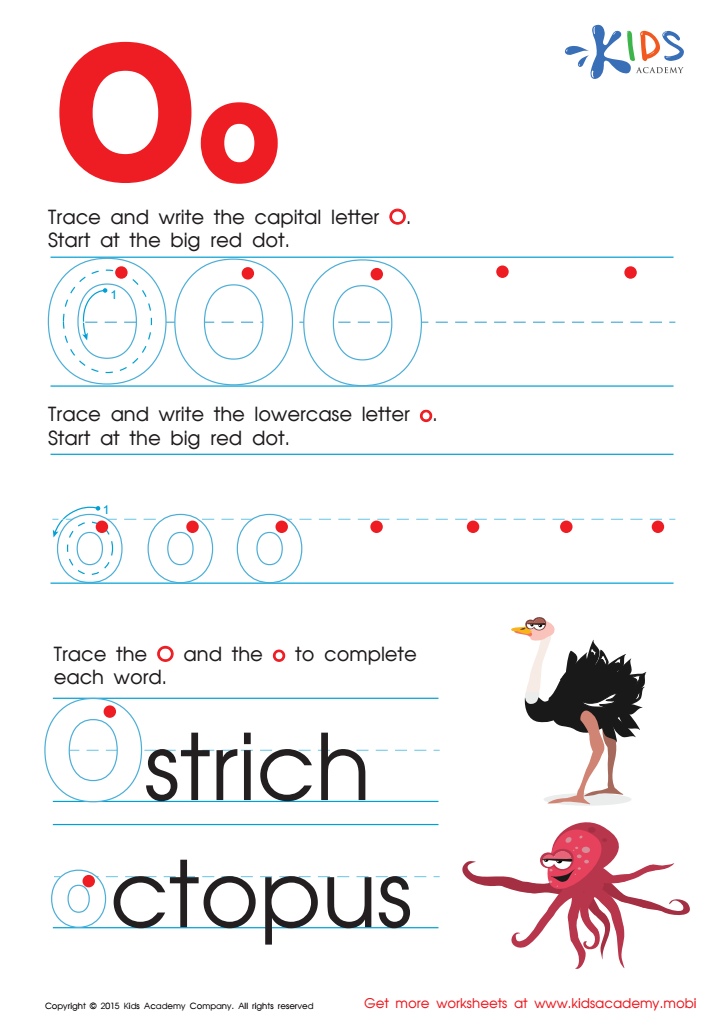
Letter O Tracing Page
 Assign to My Students
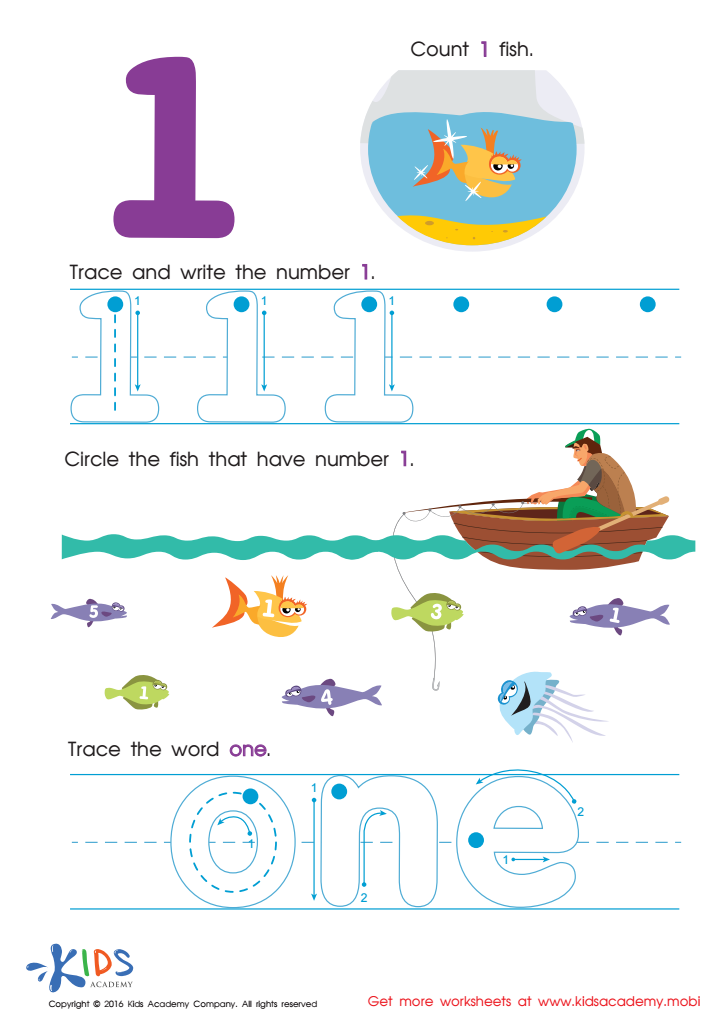
Learning to Write 1 Worksheet
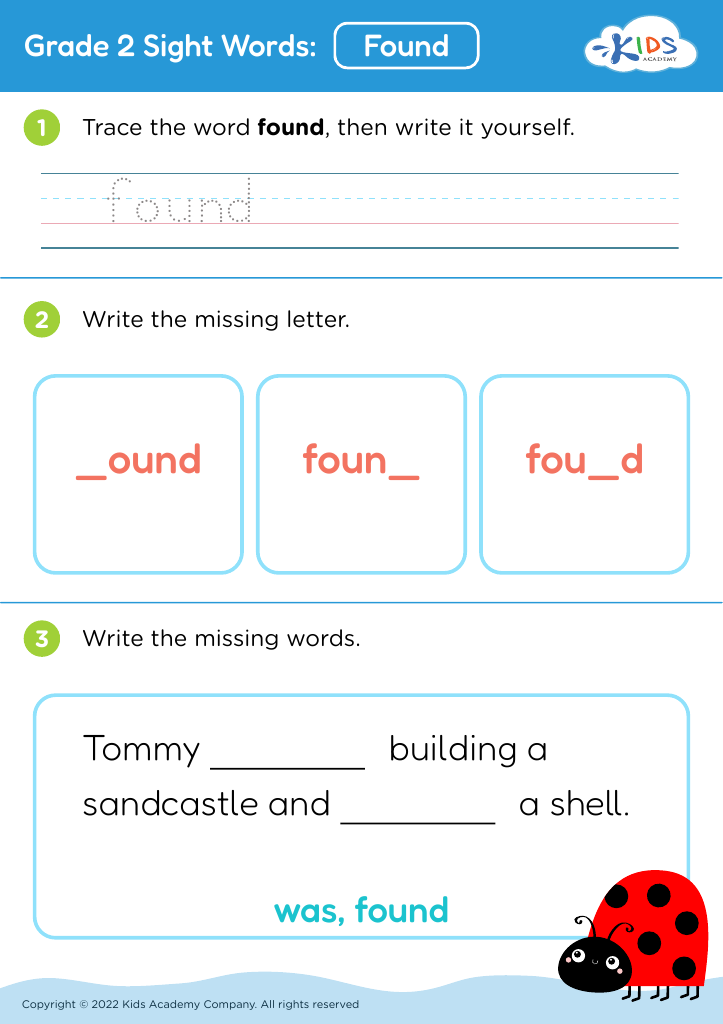




.jpg)

Parents and teachers should prioritize tracing practice for children aged 3-9 because it lays a crucial foundation for their cognitive, motor, and language development. Tracing activities help fine-tune children’s fine motor skills by strengthening the small muscles in their hands and fingers, which are essential for tasks such as writing, drawing, and using utensils. These skills are intrinsically linked to their academic success as they move through school.
Additionally, tracing enhances hand-eye coordination, a vital competency for writing accuracy and overall dexterity. As children trace letters, shapes, and numbers, they begin to recognize patterns and understand the basics of letter formation and number sequences, aiding early literacy and numeracy. This practice helps them familiarize with the alphabet and numerical symbols, bridging the gap towards more complex reading and math skills.
Cognitively, tracing activities promote focus, discipline, and a sense of achievement when children successfully replicate patterns. This boost to their self-confidence encourages a positive attitude towards learning and persistence. It helps inculcate a structured and step-by-step approach to problem-solving and tasks, essential lifelong skills.
Thus, regular tracing practice offers a multifaceted developmental benefit, preparing children uniquely and robustly for future academic challenges and success.








