Understanding communities Worksheets for Ages 3-9
6 filtered results
-
From - To
Explore our "Understanding Communities Worksheets" designed for children ages 3-9! These engaging worksheets help young learners discover their surroundings, encouraging them to identify different community roles and relationships. Through fun activities, children will learn about essential services, community helpers, and the significance of cooperation. Our resources aim to build familiarity with the concept of community, sparking curiosity and social awareness. Perfect for teachers and parents, these worksheets support classroom activities and home learning, fostering essential early skills. Download now to enrich your child's understanding of community dynamics in an enjoyable and educational way!
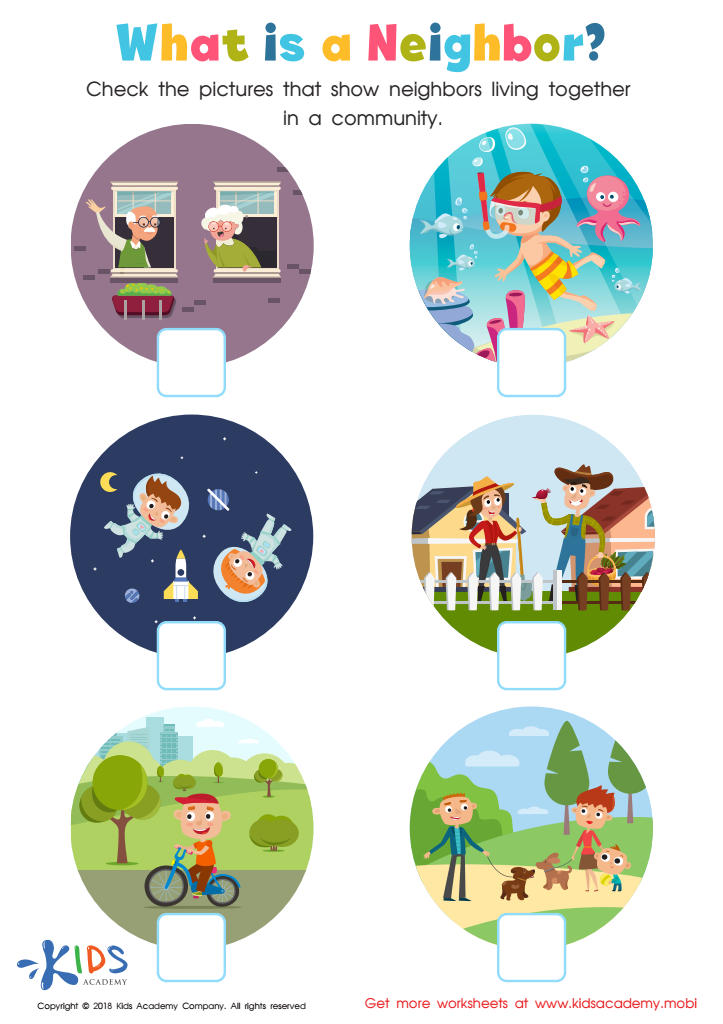
What is a neighbor Worksheet
 Assign to My Students
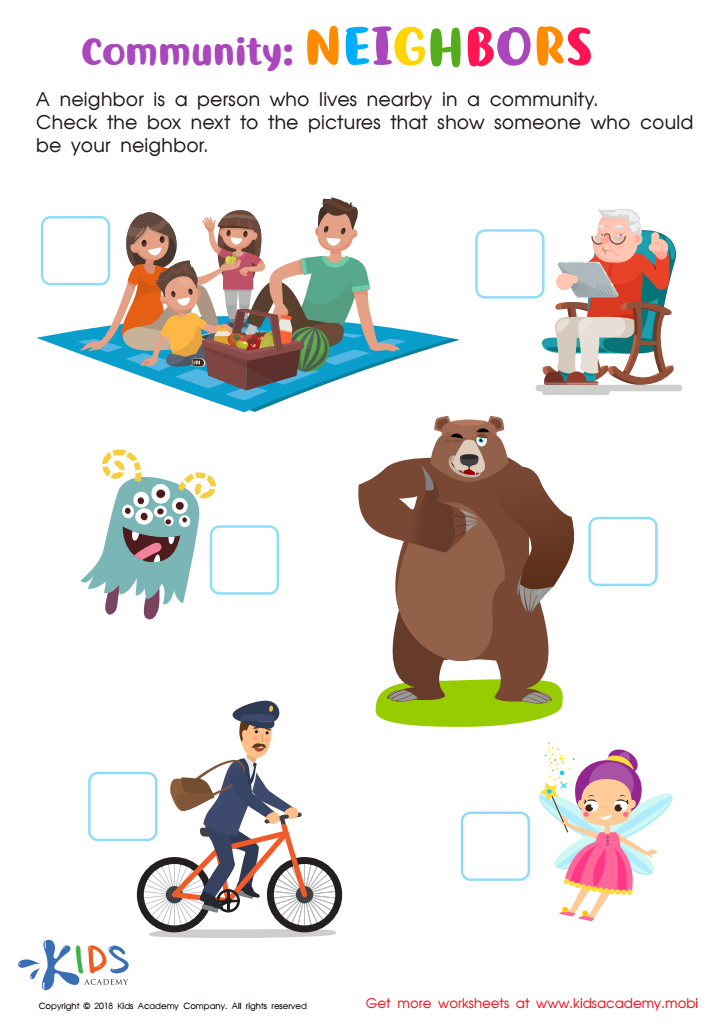
Community: Neighbors Worksheet
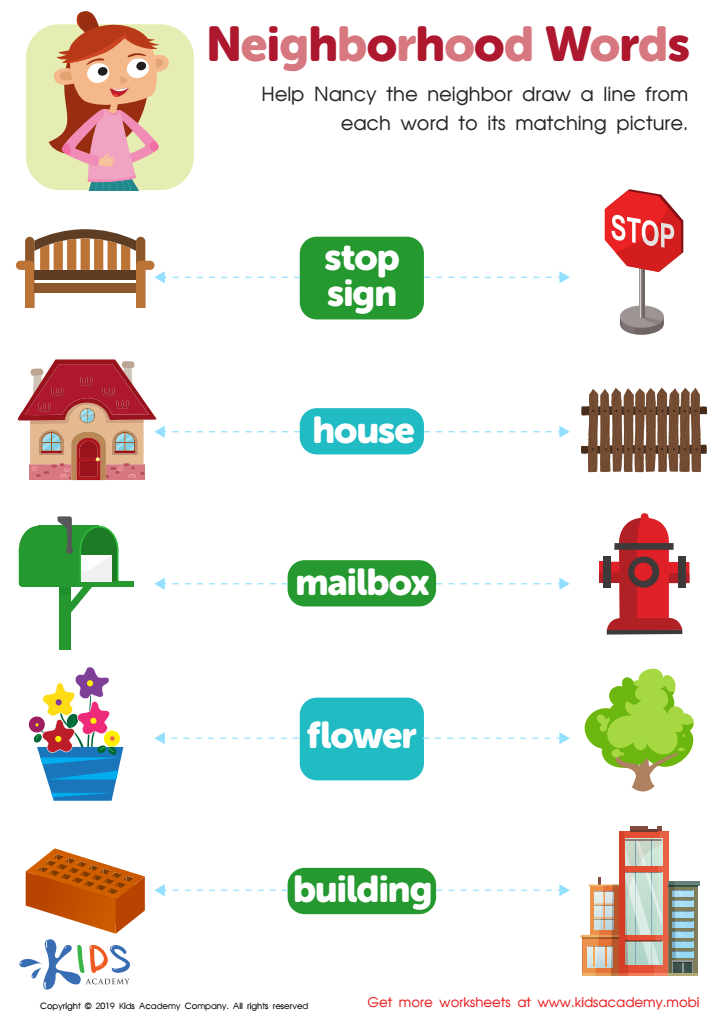
Neighborhood Words Worksheet
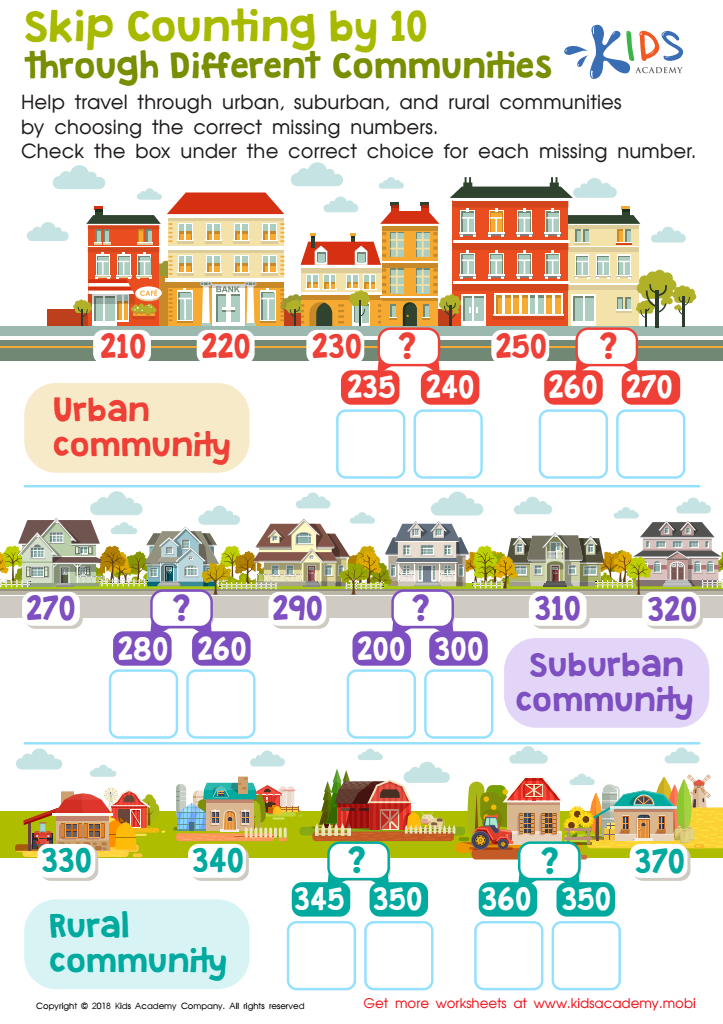
Skip Counting by 10 through Different Communities Worksheet
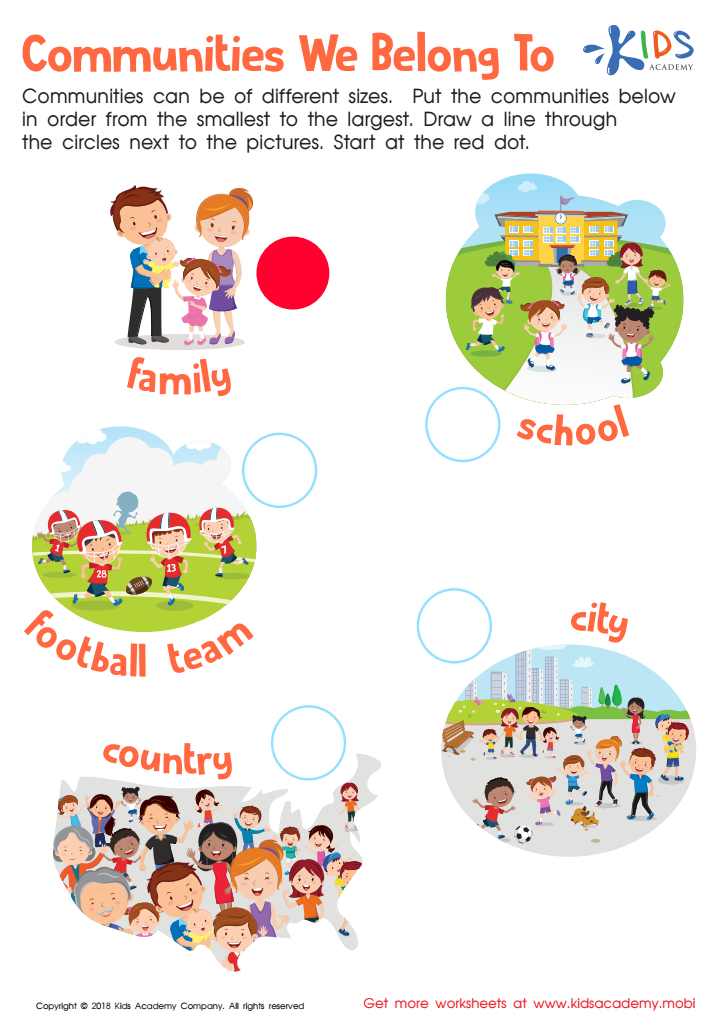
Communities We Belong to Worksheet
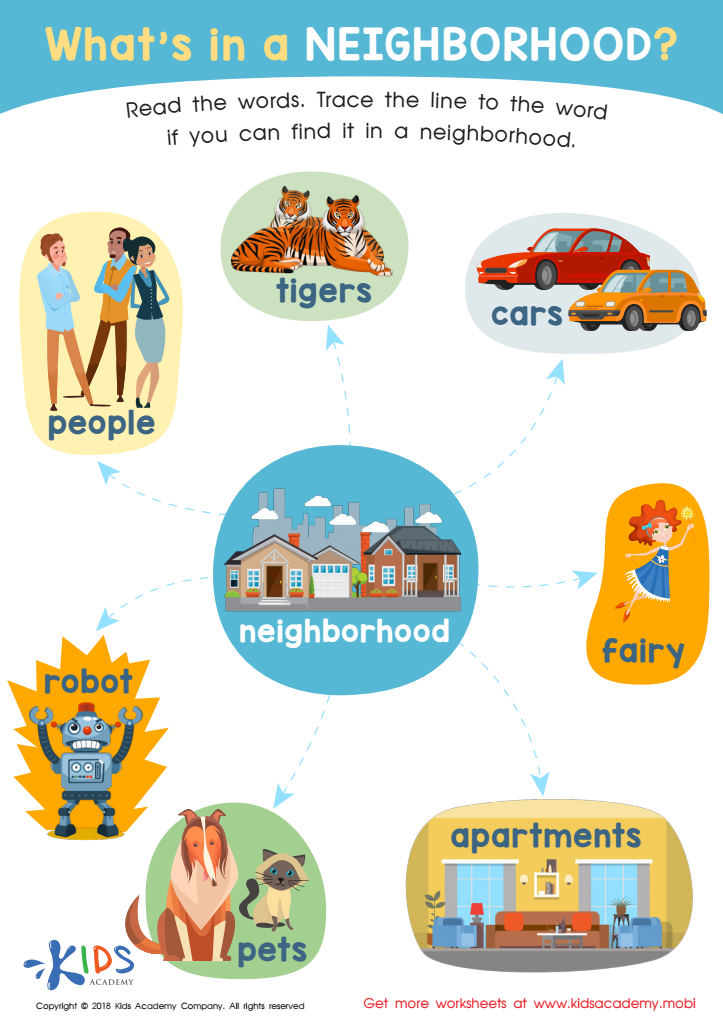
What's in a Neighborhood? Worksheet



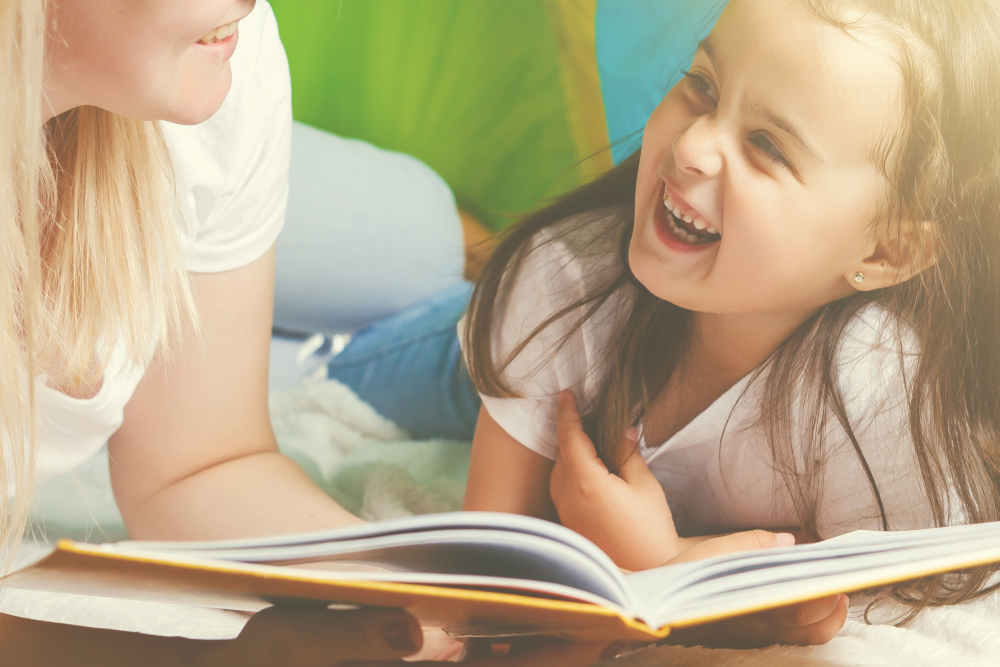


Understanding communities is crucial for parents and teachers of children aged 3-9 as it lays a foundational framework for social and emotional development. At this formative age, children are beginning to comprehend their place in the world and are developing interpersonal skills. When parents and teachers emphasize the importance of community, children learn about relationships, cooperation, and empathy.
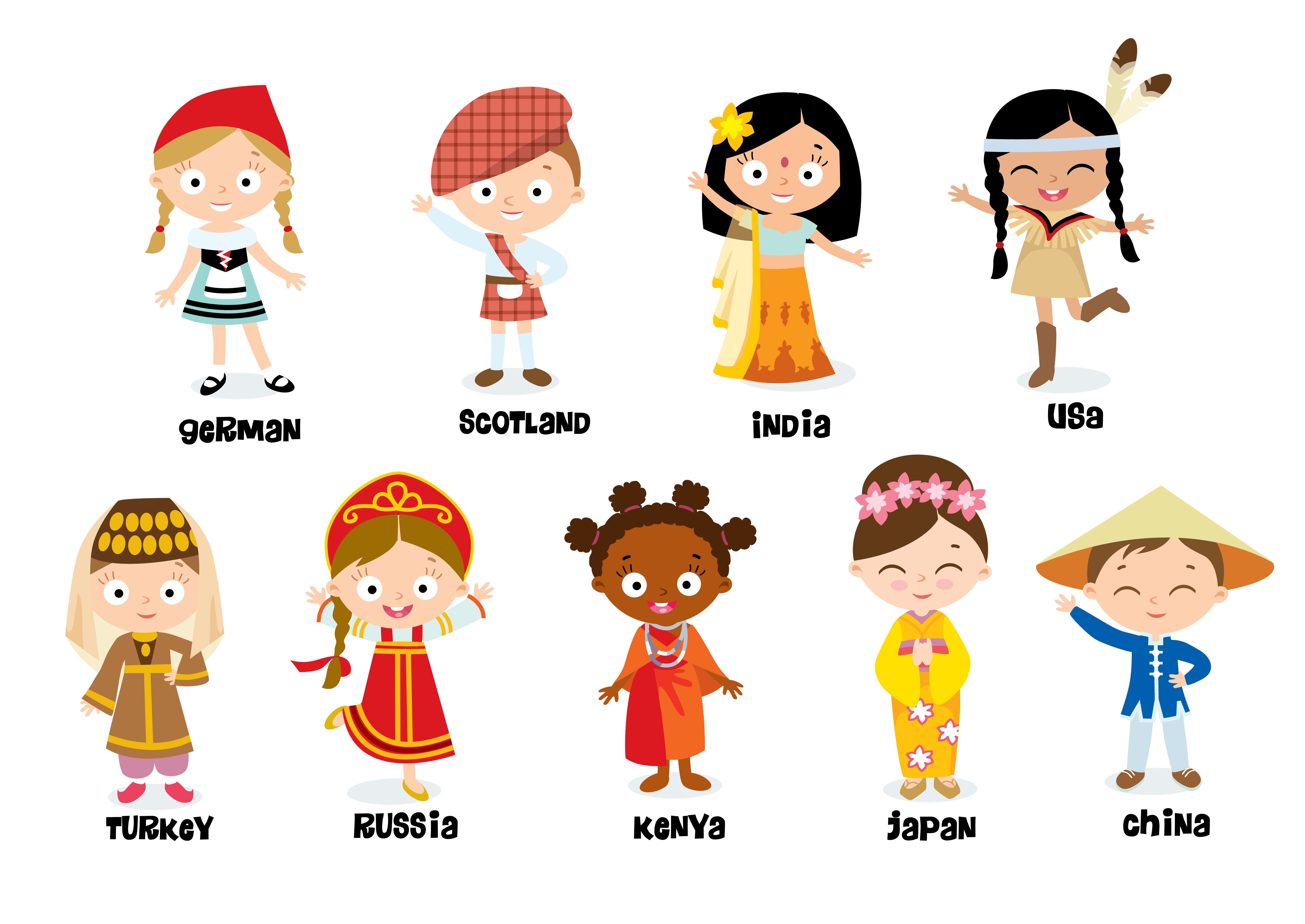
Exploring community allows children to recognize diversity and appreciate different cultures, fostering inclusivity from an early age. Engaging with community-centric activities can help children understand various roles within a community, creating a sense of belonging and identity. Additionally, when children learn to work collaboratively, they develop critical problem-solving and communication skills that support academic and social success.
Parents and teachers can nurture curiosity about communities through storytelling, field trips, and group projects, which enhance children's understanding and encourage them to contribute positively to their environment. Furthermore, fostering a sense of responsibility towards their community can instill values such as respect, kindness, and service, contributing to the creation of compassionate future citizens. Overall, understanding communities equips young learners with the tools they need to thrive both socially and emotionally throughout their lives.








