Understanding equality Worksheets for Ages 3-9
7 filtered results
-
From - To
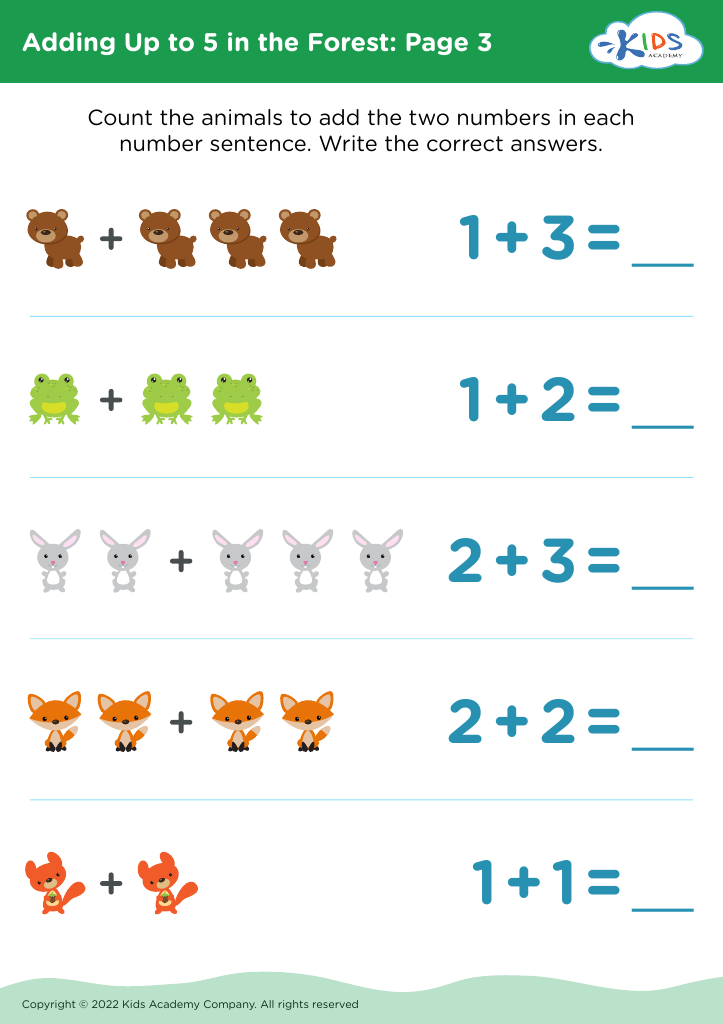
Explore our engaging "Understanding Equality Worksheets" designed for children ages 3-9. These worksheets provide fun and interactive activities that help young learners grasp the concept of equality in math. With colorful visuals and relatable examples, kids will enjoy practicing essential skills, such as identifying equal sets, comparing numbers, and solving simple equations. Our thoughtfully crafted resources encourage critical thinking and promote a deep understanding of equality, laying a solid foundation for future math concepts. Perfect for both classroom and home use, these worksheets make learning enjoyable and accessible. Discover the joy of learning with our equality worksheets today!
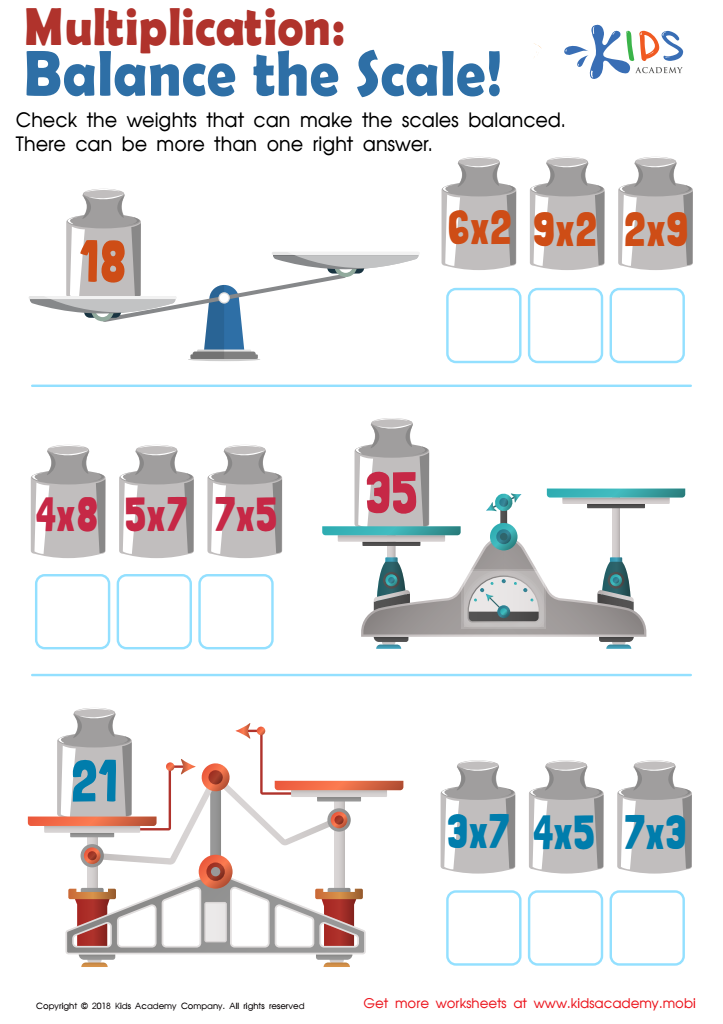
Balance the Scales Multiplication Worksheet
 Assign to My Students
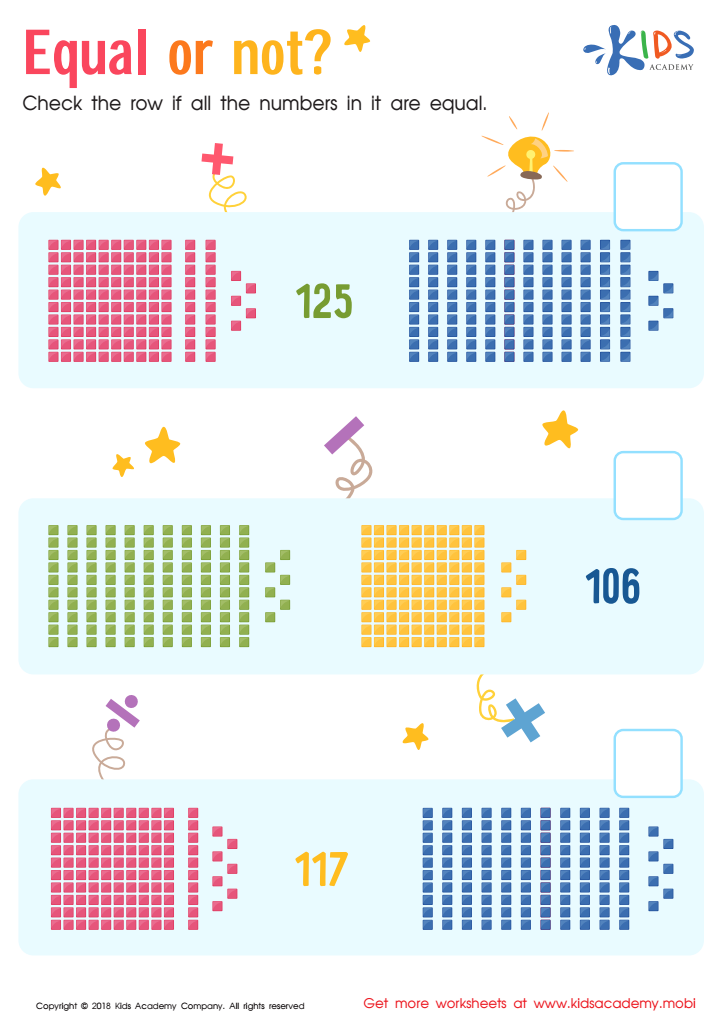
Equal or not Worksheet
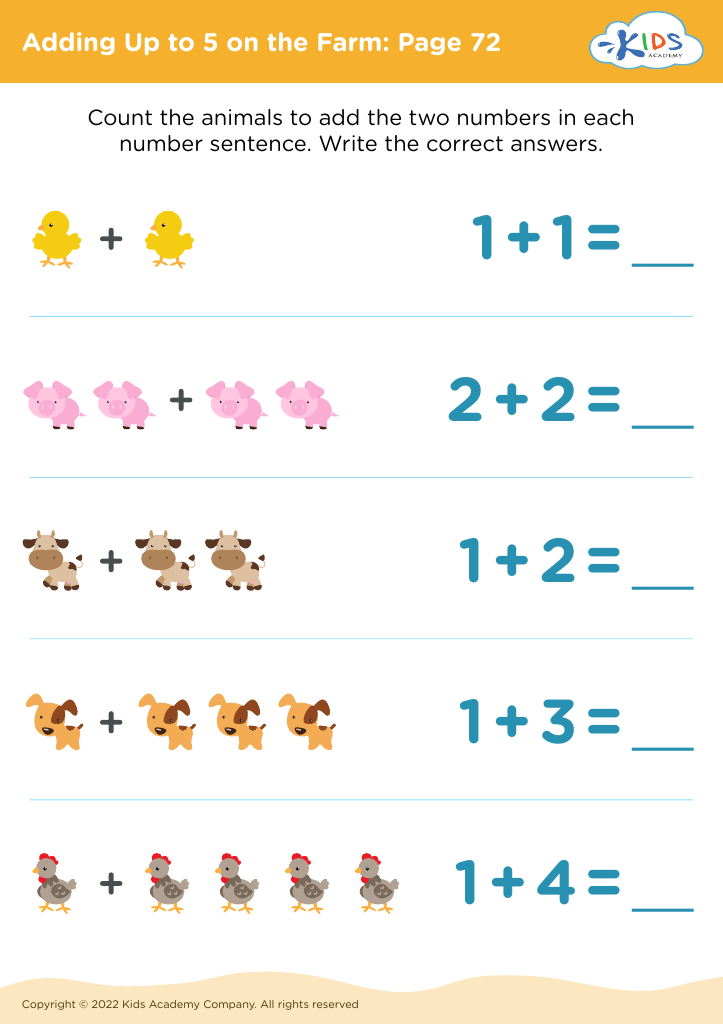
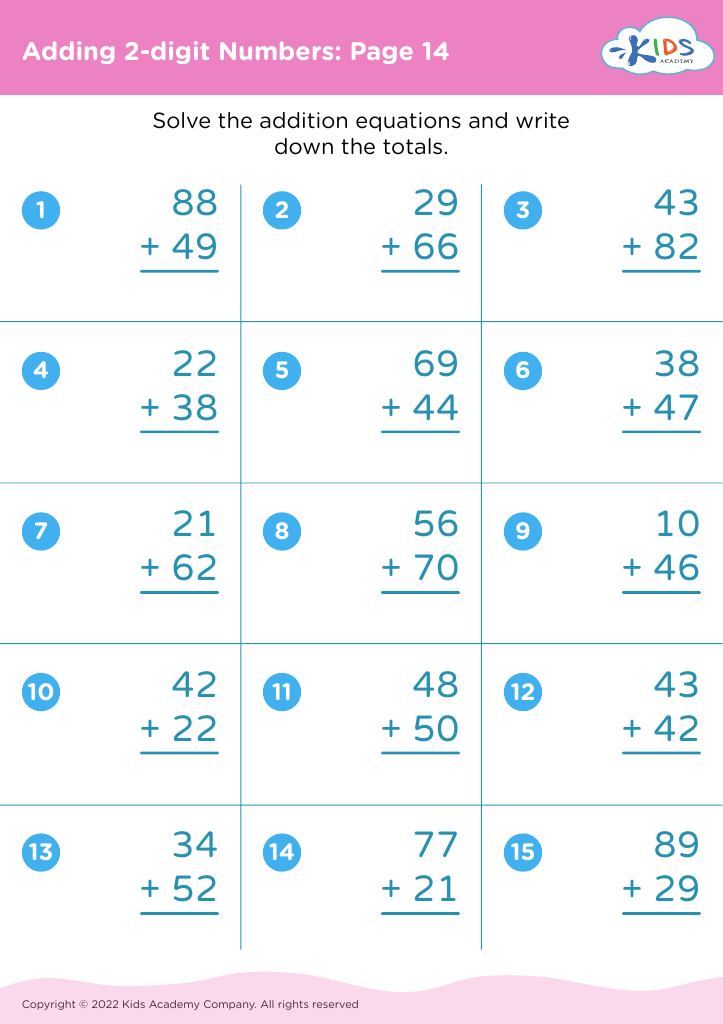
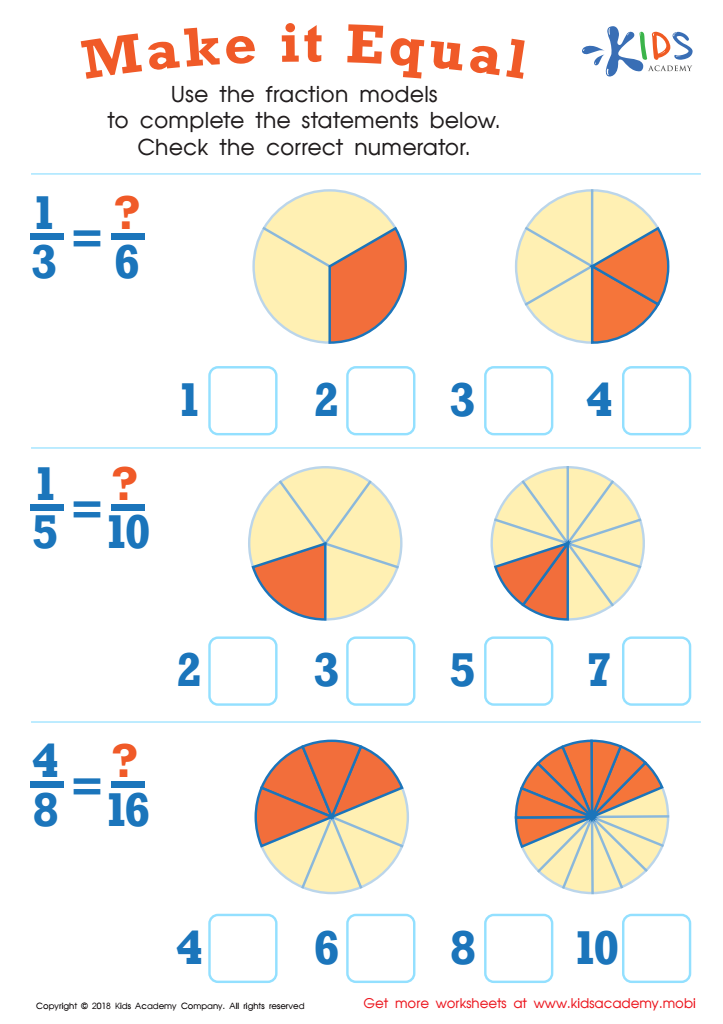
Make It Equal Worksheet
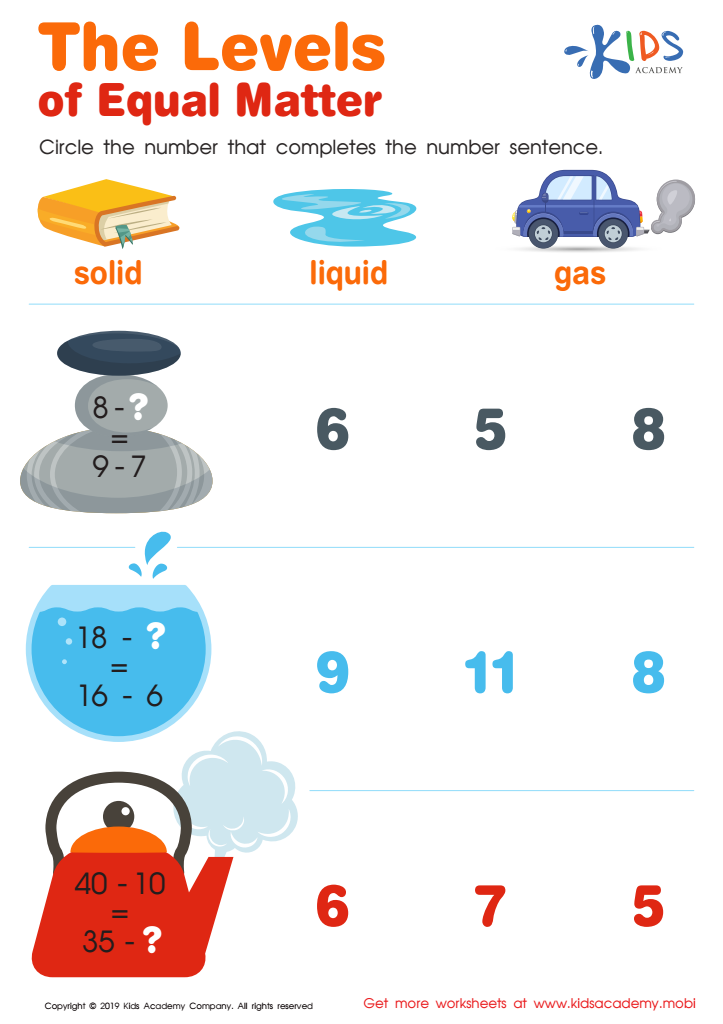
The Levels of Equal Matter Worksheet



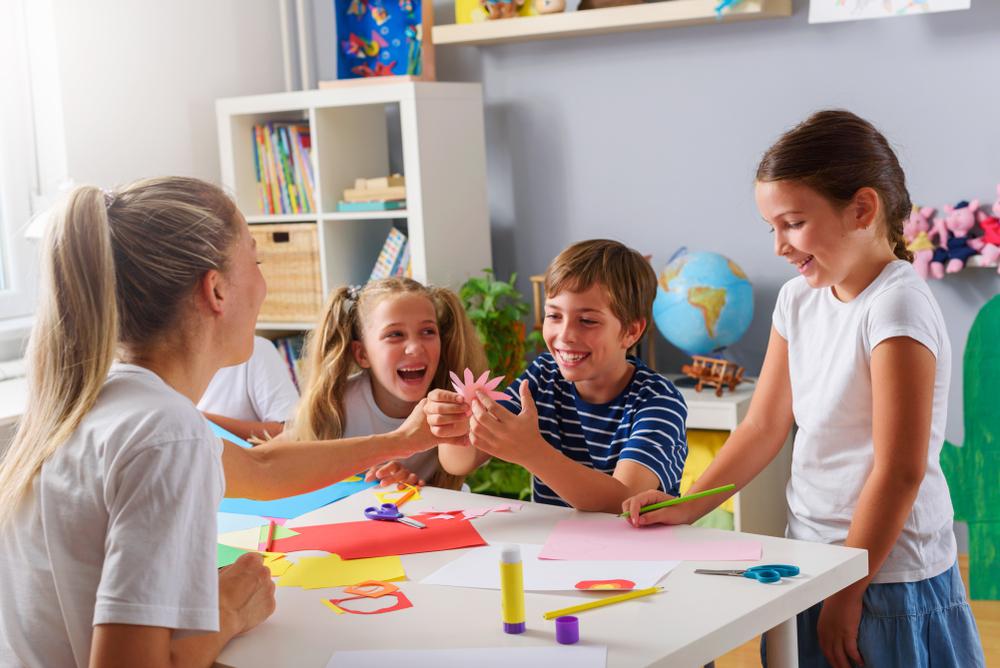



Understanding equality is crucial for children aged 3-9 as it lays the foundation for their social development and interpersonal relationships. During these formative years, children begin to make sense of the world around them, including concepts of fairness, justice, and respect for others. Parents and teachers play a significant role in guiding them through these concepts.
By teaching children about equality, adults instill values of empathy and inclusivity. This enables them to recognize and appreciate diversity in various forms—whether it's race, gender, ability, or socioeconomic background. When children learn that every individual deserves respect and opportunities, they are better equipped to build meaningful relationships with peers and to stand against bullying and discrimination.
Additionally, an understanding of equality fosters critical thinking skills, as children are encouraged to question stereotypes and injustices in society. This critical lens becomes essential for developing informed, responsible adults who champion equality in their communities. Including these lessons in early education also promotes a positive classroom environment, where collaborative learning thrives as all students feel valued and heard. Overall, nurturing an understanding of equality at a young age is fundamental for developing a compassionate, just, and equitable society.








