Understanding number sequence Worksheets for Ages 3-9
8 filtered results
-
From - To
Explore our "Understanding Number Sequence Worksheets" designed for children ages 3-9, which make learning numbers fun and engaging! These worksheets help develop essential early math skills by teaching kids how to recognize, order, and extend number sequences. Each activity is tailored to improving logical thinking, pattern recognition, and counting abilities, fostering a strong foundation for future mathematical concepts. With colorful illustrations and interactive exercises, children will enjoy practicing while enhancing their cognitive skills. Perfect for teachers and parents, these worksheets are a valuable resource for reinforcing number sequencing in both classroom and home settings. Start your child's math journey today!
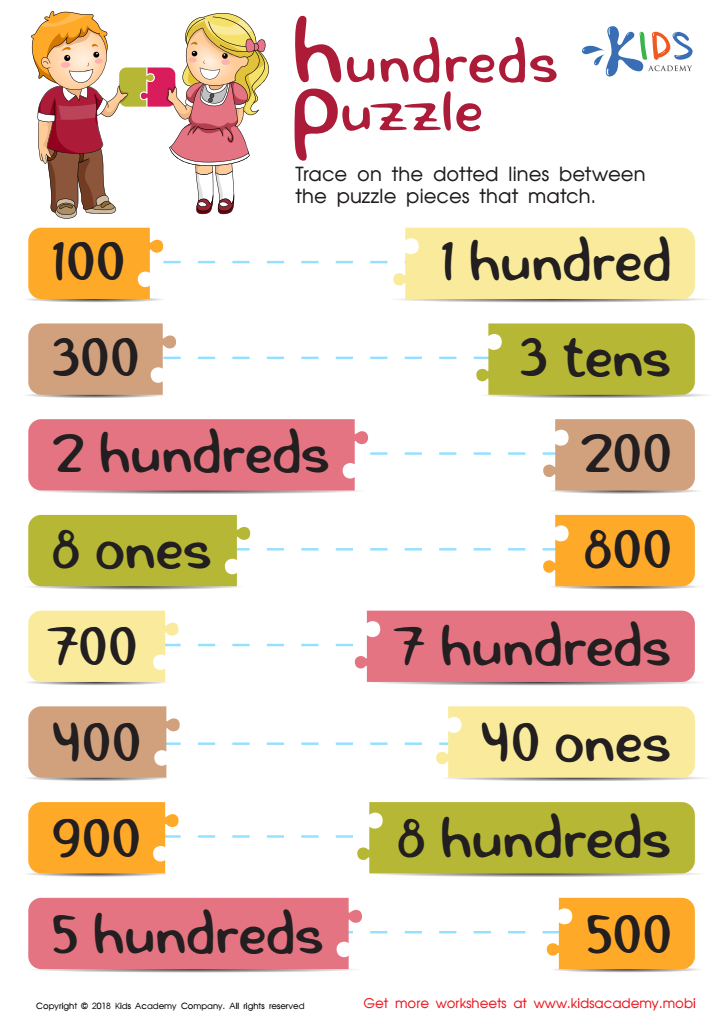
Hundreds Puzzle Worksheet
 Assign to My Students
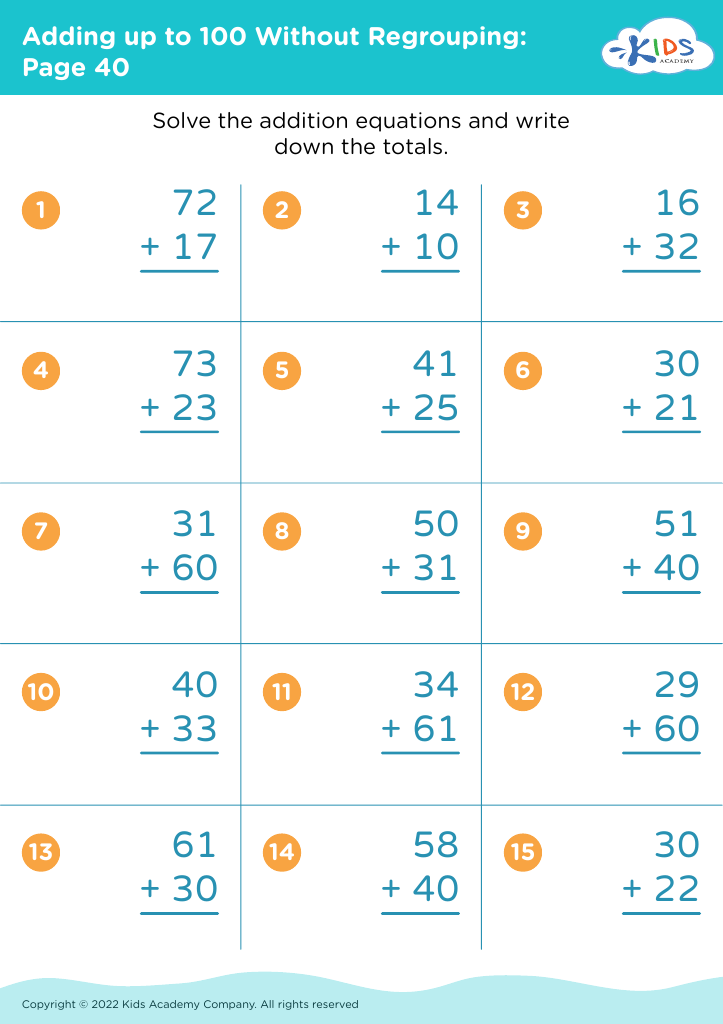
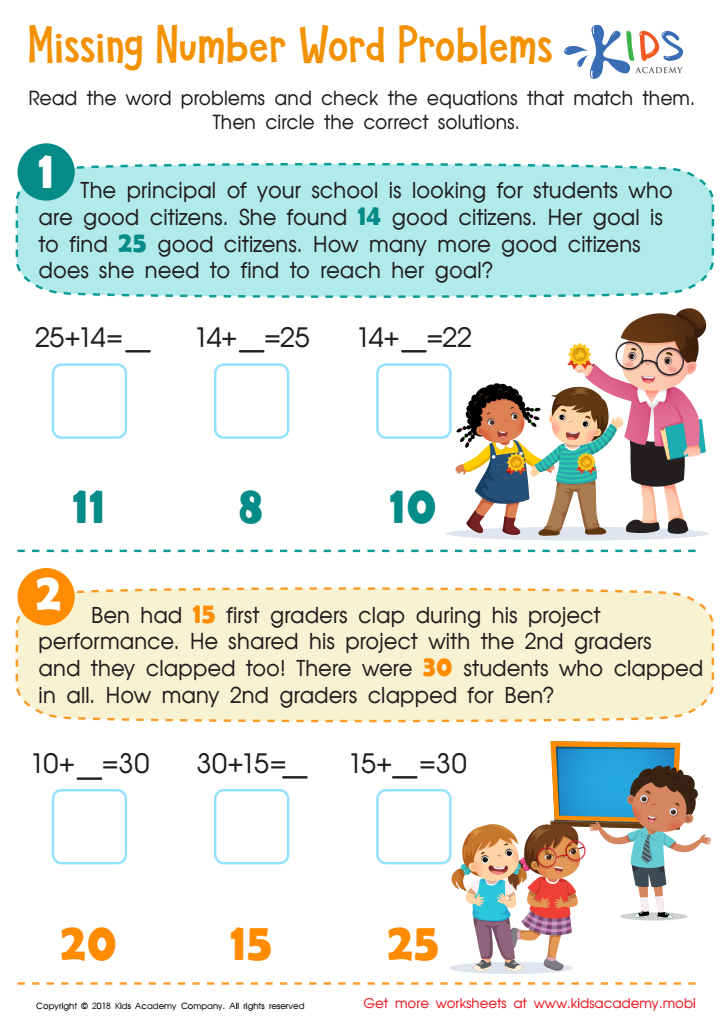
Missing Number Word Problems Worksheet
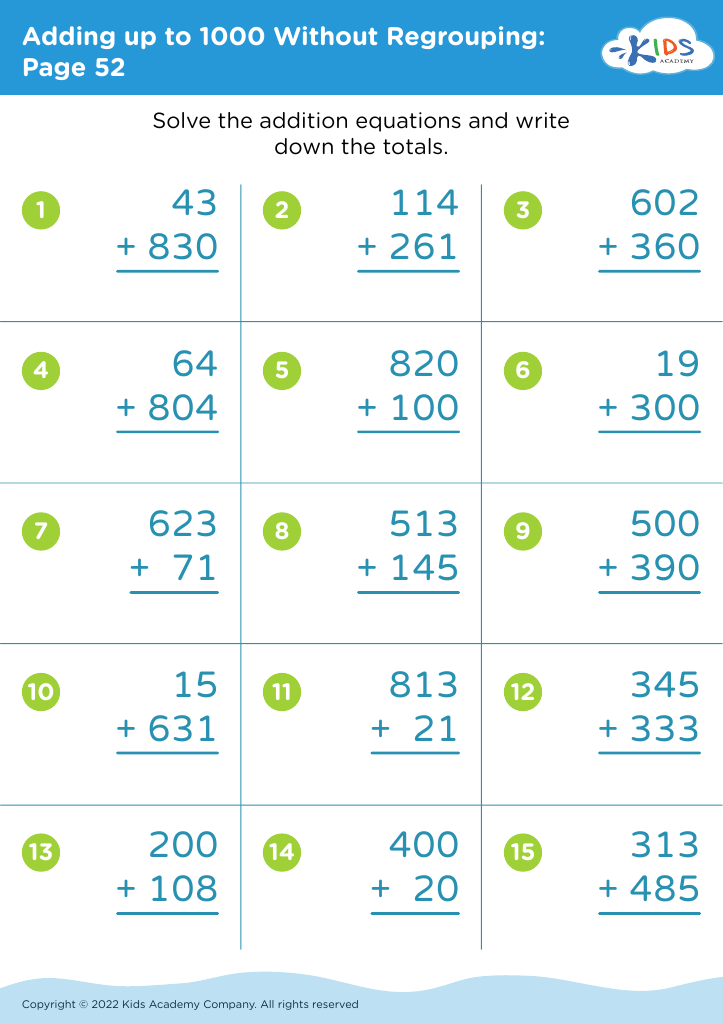
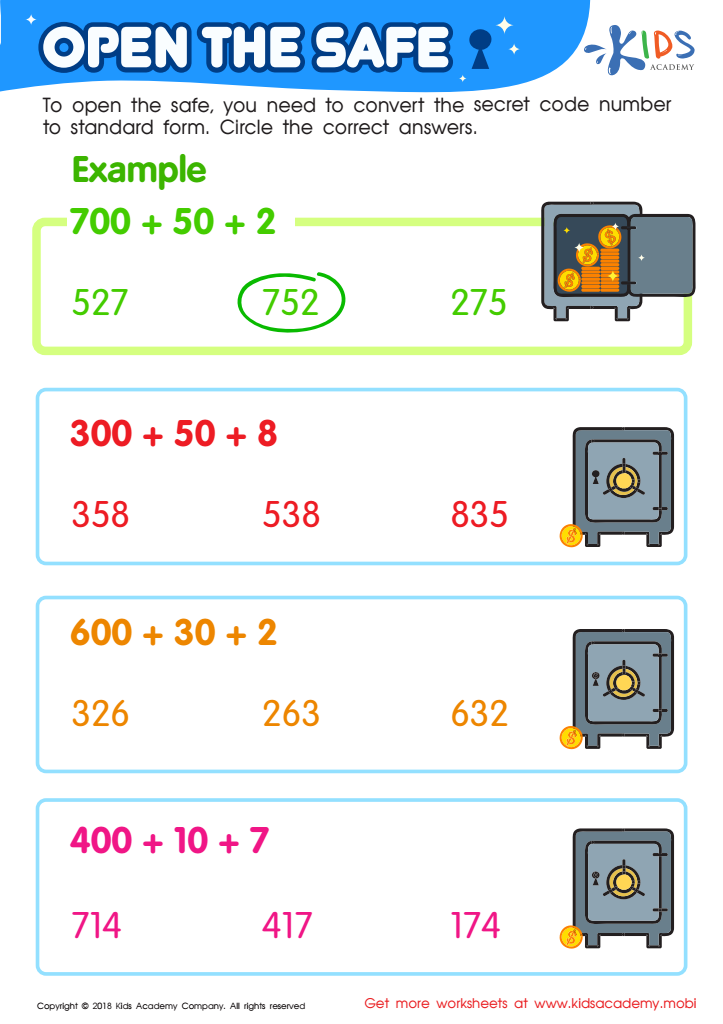
Open the Safe Worksheet
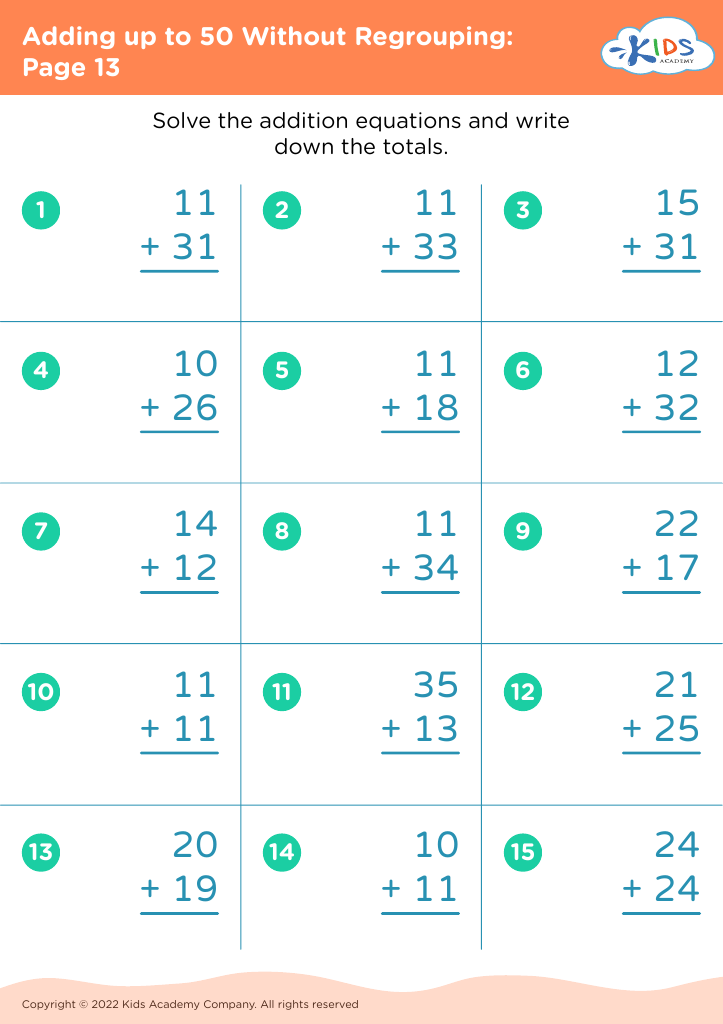
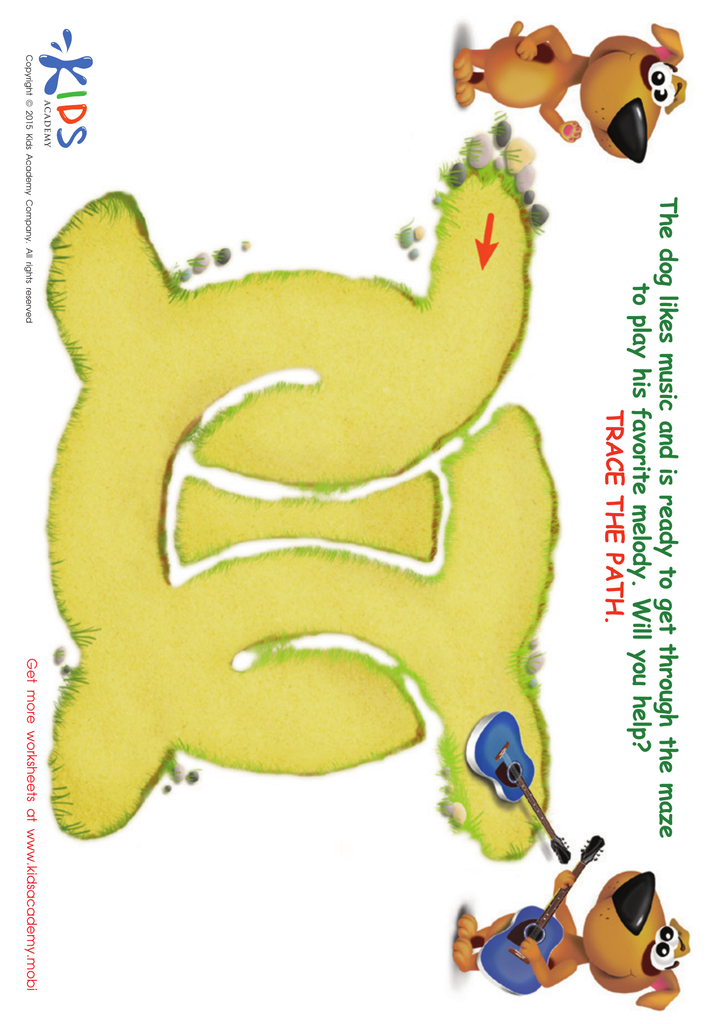
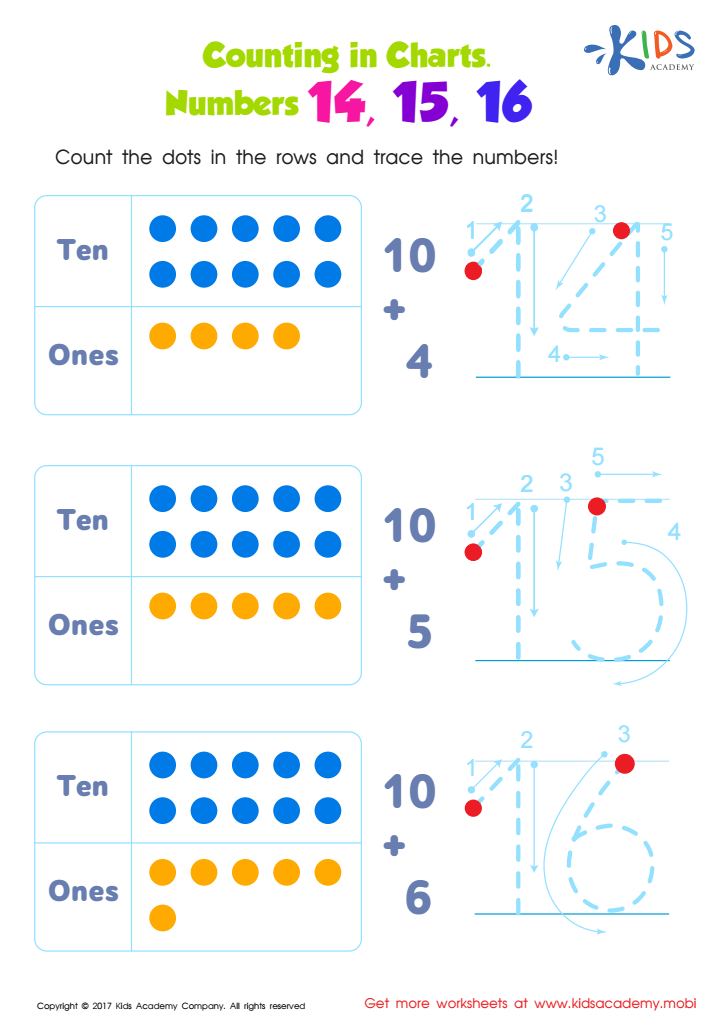
Number Tracing Worksheet








Understanding number sequences is fundamental for children's mathematical development, particularly for ages 3-9. This foundational skill lays the groundwork for more advanced mathematical concepts, such as addition, subtraction, and understanding patterns. Early comprehension of number sequences helps children recognize relationships between numbers, develop problem-solving skills, and build their capacity for logical reasoning.
For parents and teachers, fostering this understanding supports children's cognitive and academic growth. Engaging children in number sequences enhances their ability to predict outcomes, fosters memory skills, and develops spatial awareness. Moreover, competence in number sequences enriches children's everyday experiences—whether counting objects during play or organizing items in patterns—thereby making math more relatable and enjoyable.
Additionally, mastering number sequences contributes to self-confidence in their abilities, which can positively influence their overall attitude toward learning. In diverse learning environments, a solid grasp of number sequences can help educators create targeted interventions for students who may be struggling. Therefore, prioritizing this understanding not only equips children with essential skills for future academic success but also encourages a lifelong love for learning in mathematics. By nurturing these skills early, parents and teachers play a critical role in shaping proficient and enthusiastic learners.








