Understanding numeracy Worksheets for Ages 3-9
4 filtered results
-
From - To
Explore our "Understanding Numeracy Worksheets for Ages 3-9" designed to build foundational math skills in young learners. Our engaging, age-appropriate worksheets focus on key numeracy concepts such as counting, number recognition, basic addition and subtraction, and pattern recognition. With colorful illustrations and fun activities, children will develop their mathematical understanding while enjoying the learning process. These worksheets are perfect for parents and educators alike, providing valuable tools to enhance classroom learning or at-home practice. Equip your child with essential numeracy skills that pave the way for future academic success. Start fostering a love for math today with our interactive resources!
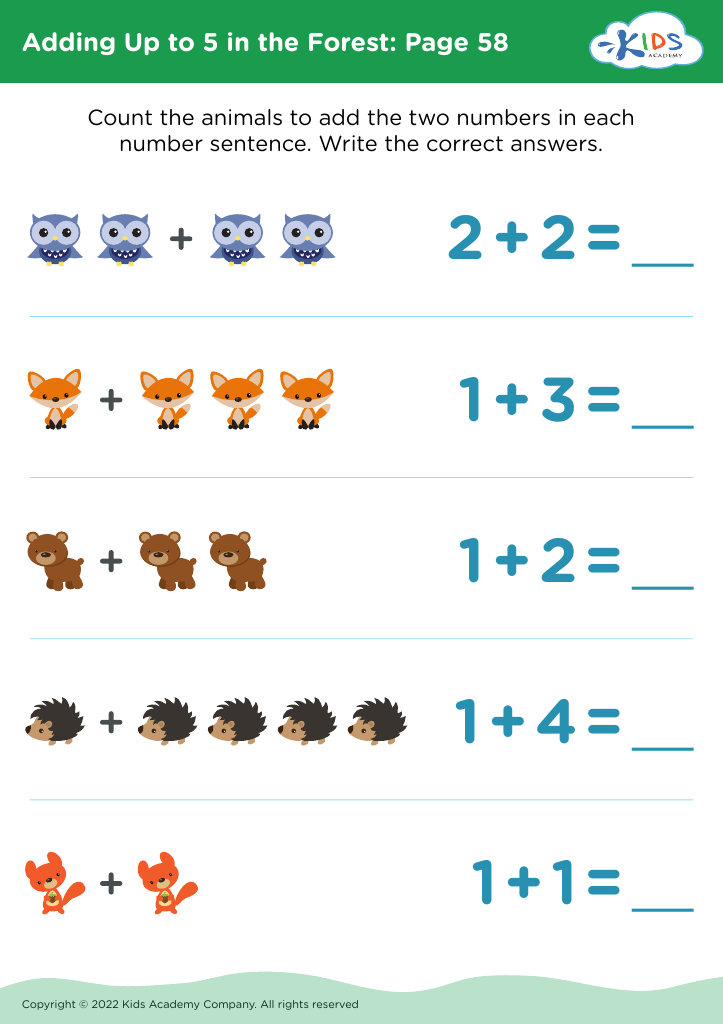
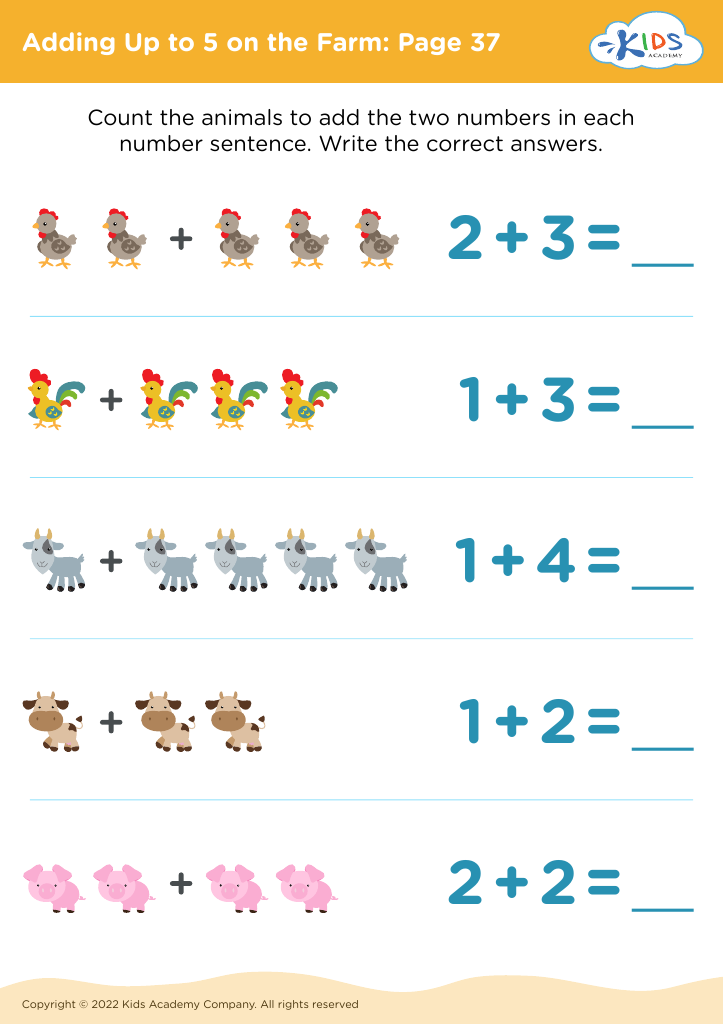
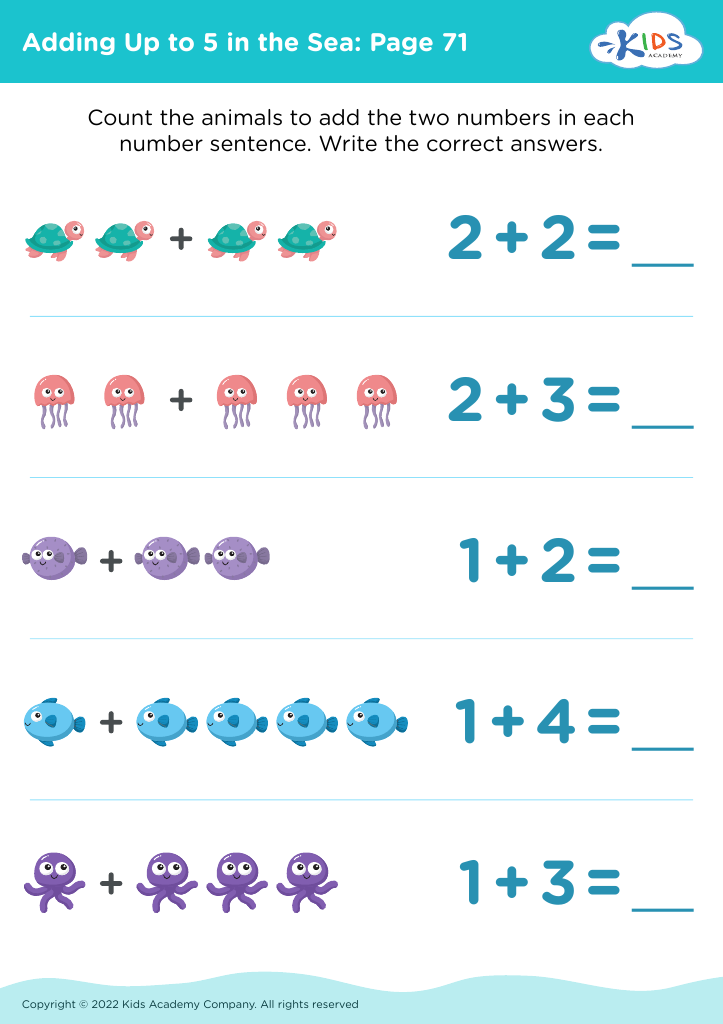
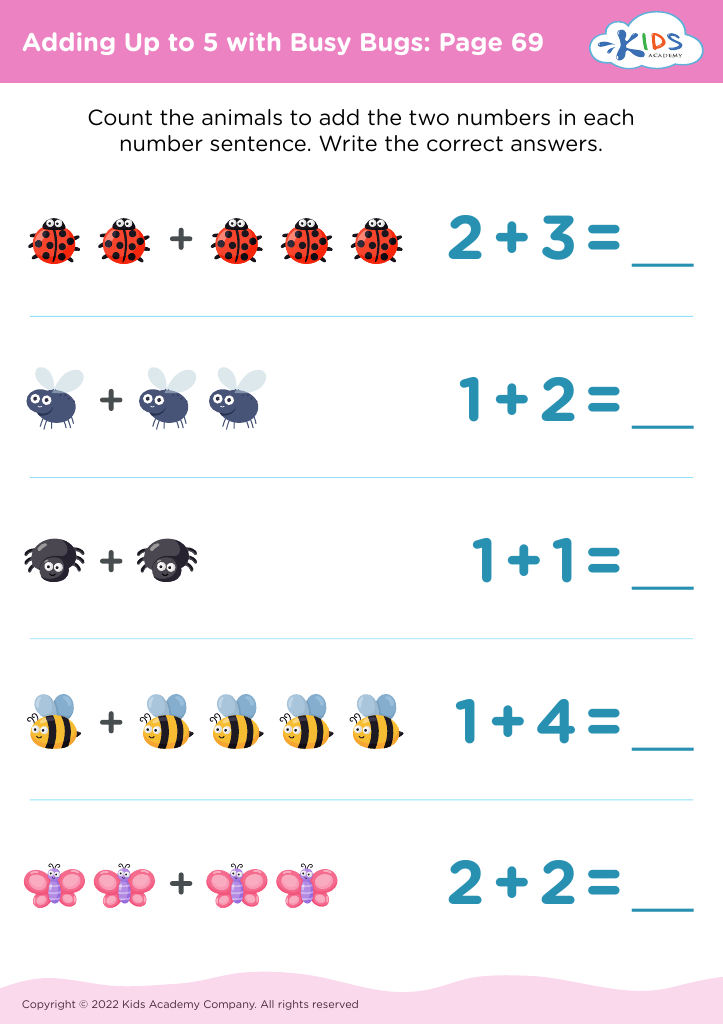







Understanding numeracy is crucial for children aged 3-9 as it lays the foundational skills for both academic success and everyday life. During these formative years, children develop essential mathematical concepts, such as counting, number recognition, and basic operations. These early numeracy skills not only influence a child’s performance in later math subjects but also impact their confidence and attitude toward learning.
Parents and teachers should care about numeracy because it encourages critical thinking and problem-solving abilities. Engaging in numeracy activities fosters cognitive development and helps children understand the world around them, from quantifying objects to comparing sizes and understanding patterns. Positive experiences with numbers can also cultivate a lifelong interest in mathematics.
In addition, numeracy skills support other academic areas, such as science and reading, by enhancing children’s ability to analyze information and make informed decisions. For parents, being involved in their child's numeracy development reinforces the bond between learning and home life. Ultimately, nurturing numeracy in early years equips children with essential tools that empower them throughout their educational journey and everyday interactions, contributing to their overall personal and academic growth.








