Visual analysis Worksheets for Ages 3-9
3 filtered results
-
From - To
Unlock your child's potential with our Visual Analysis Worksheets designed for ages 3-9. These engaging, printable worksheets are crafted to strengthen critical thinking and observation skills. Kids will enjoy activities like matching, spot-the-difference, and pattern recognition, which enhance visual perception and analytical abilities. Perfect for both classroom and at-home learning, our expertly created resources support early developmental milestones, helping children excel in reading, math, and overall cognitive growth. With fun, colorful graphics and easy-to-follow instructions, learning becomes an exciting adventure. Discover the joy of learning and boost your child's confidence with our Visual Analysis Worksheets today!
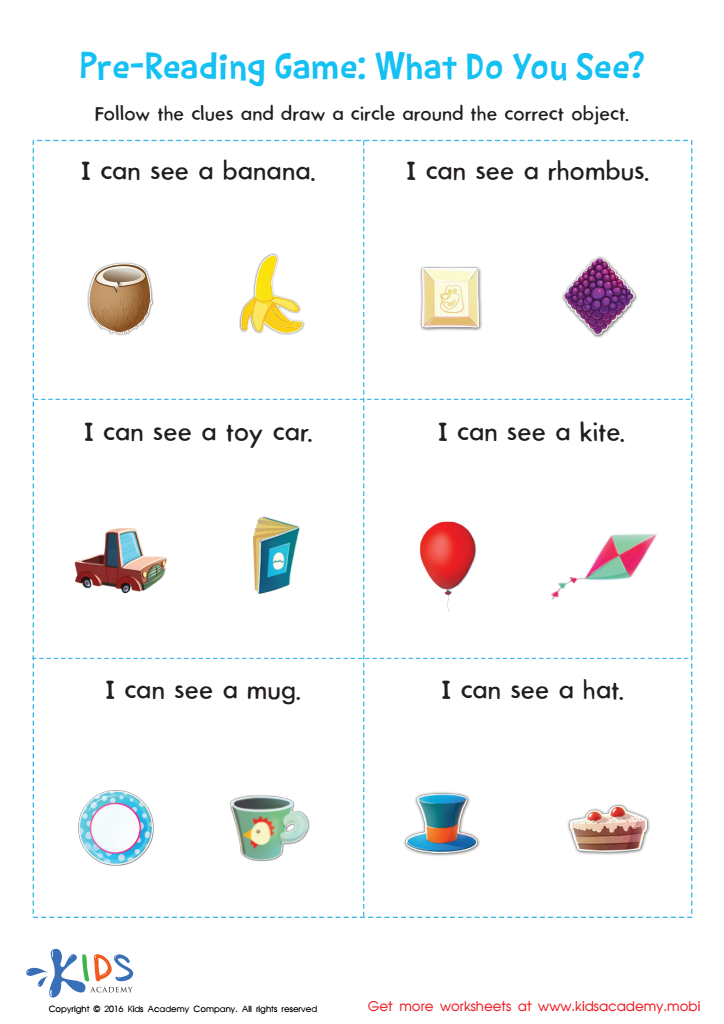
Pre–reading Worksheet: What Do You See?
 Assign to My Students
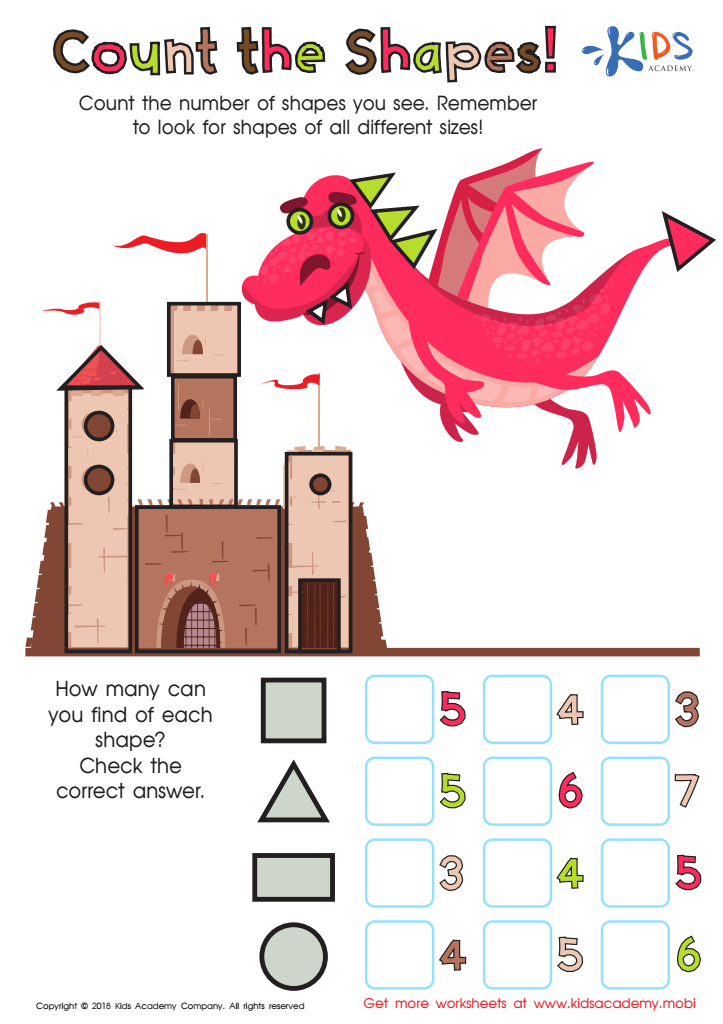
Count the Shapes Worksheet
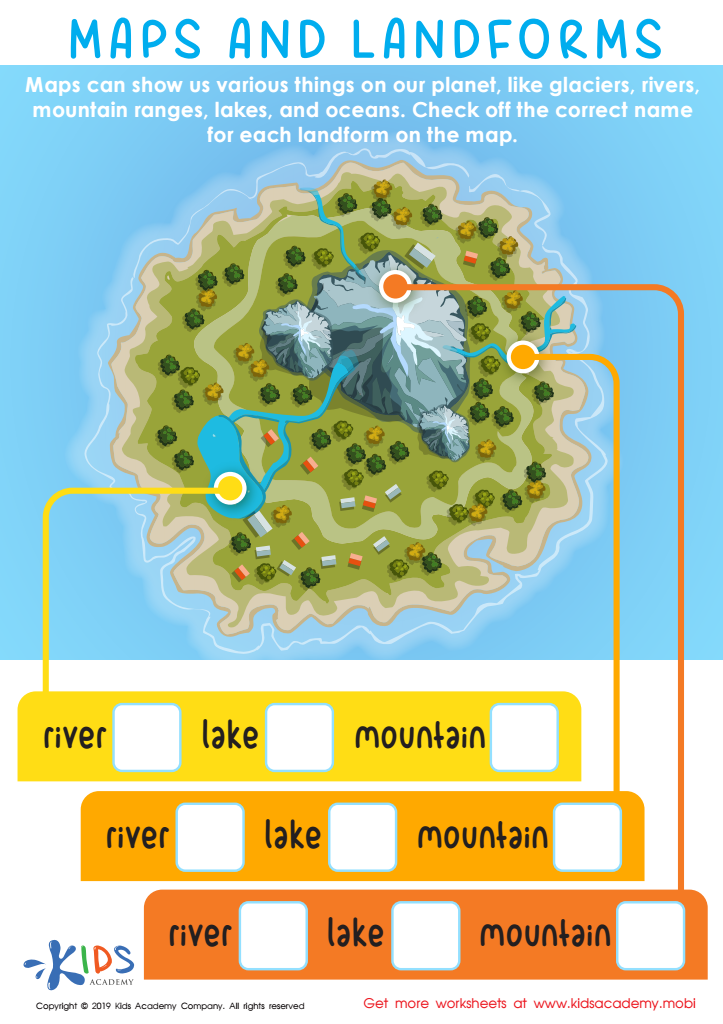
Maps and Landforms Worksheet








Visual analysis is a crucial skill for young children, especially those aged 3-9, because it significantly influences their cognitive development, creativity, and academic performance. At this formative stage, children's brains are highly receptive to visual stimuli, and engaging in visual analysis helps enhance their observational skills and attention to detail. This foundation is valuable for reading comprehension, as children learn to interpret visual cues and contextual clues from illustrations which support understanding text.
Additionally, visual analysis encourages critical thinking and problem-solving. By examining pictures, objects, or patterns, children practice making predictions and inferences, skills crucial in academic subjects like math and science. It helps them recognize and understand complex concepts by breaking them down into simpler visual elements.
Creativity is another area enhanced through visual analysis. When children explore colors, shapes, and compositions, they foster their imagination and self-expression. This can be particularly beneficial in art and writing as they use visual components to inspire their creations.
Lastly, visual analysis assists children in social and emotional learning. By interpreting facial expressions and body language in pictures or real-life, they develop empathy and communication skills. Therefore, both parents and teachers should prioritize visual analysis to support children's holistic growth and prepare them for future educational success.








