Visual-motor skills Worksheets for Ages 3-9
6 filtered results
-
From - To
Enhance your child's development with our Visual-Motor Skills Worksheets for ages 3-9. Expertly designed, these engaging activities focus on improving coordination between visual perception and motor control, essential for daily tasks like writing and sports. With fun, colorful exercises that challenge without overwhelming, children progressively build crucial skills at their own pace. Our worksheets cover a range of activities including tracing, puzzles, and drawing to support attention to detail, hand-eye coordination, and fine motor skills. A perfect blend of education and entertainment, these resources foster developmental growth while keeping children excited about learning. Start the journey to adept visual-motor skills today!
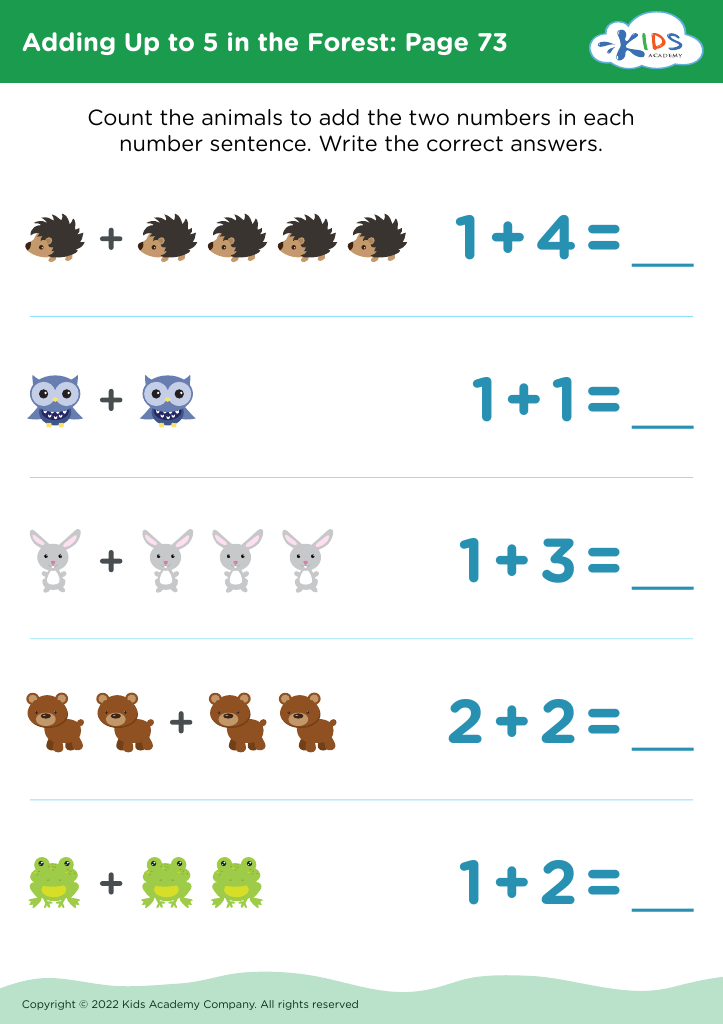
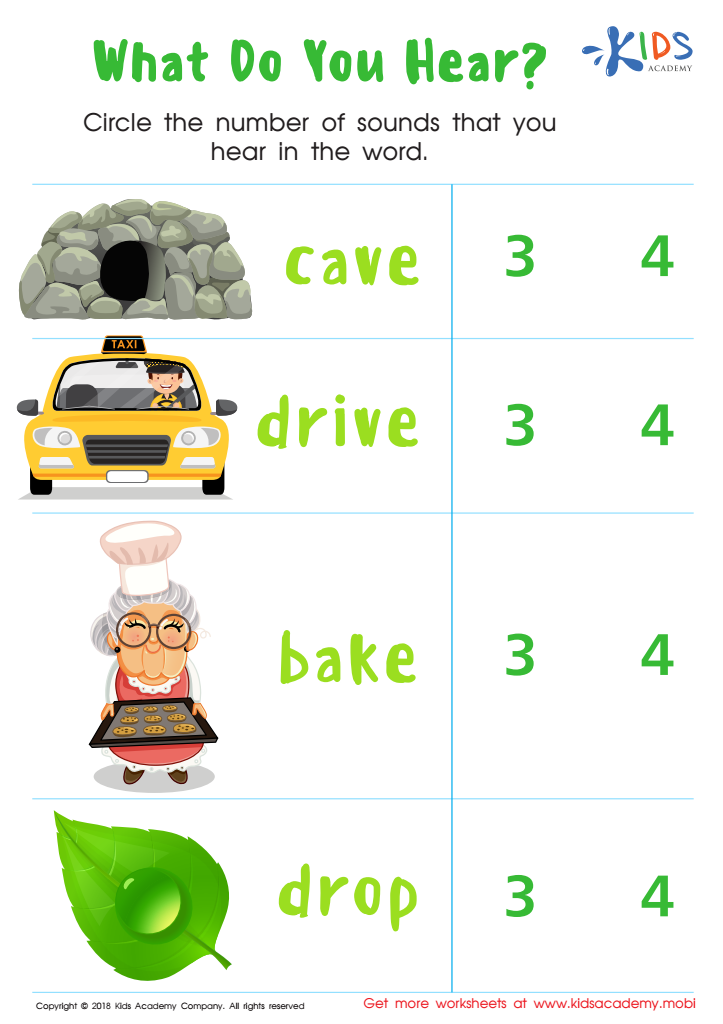
What Do You Hear? Worksheet
 Assign to My Students
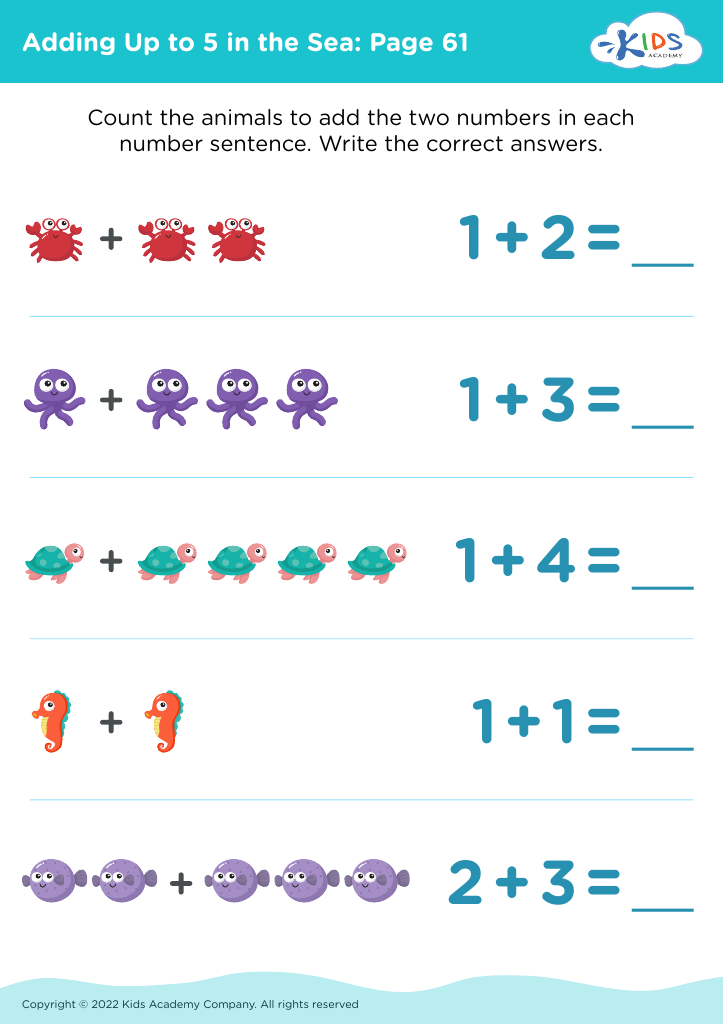
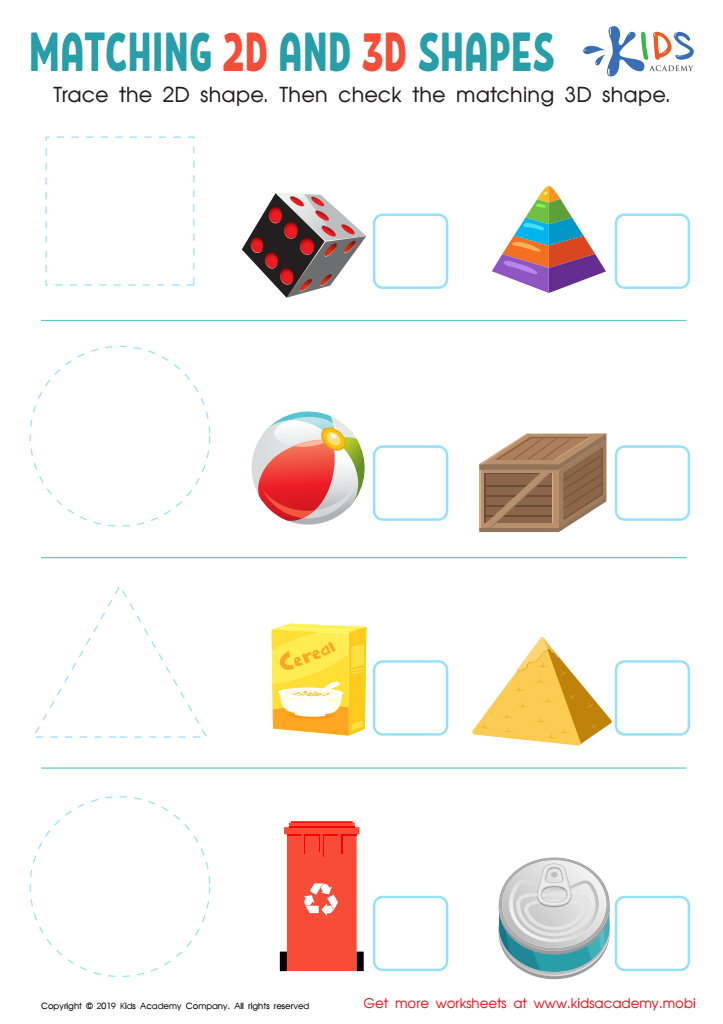
Matching 2D and 3D Shapes Worksheet
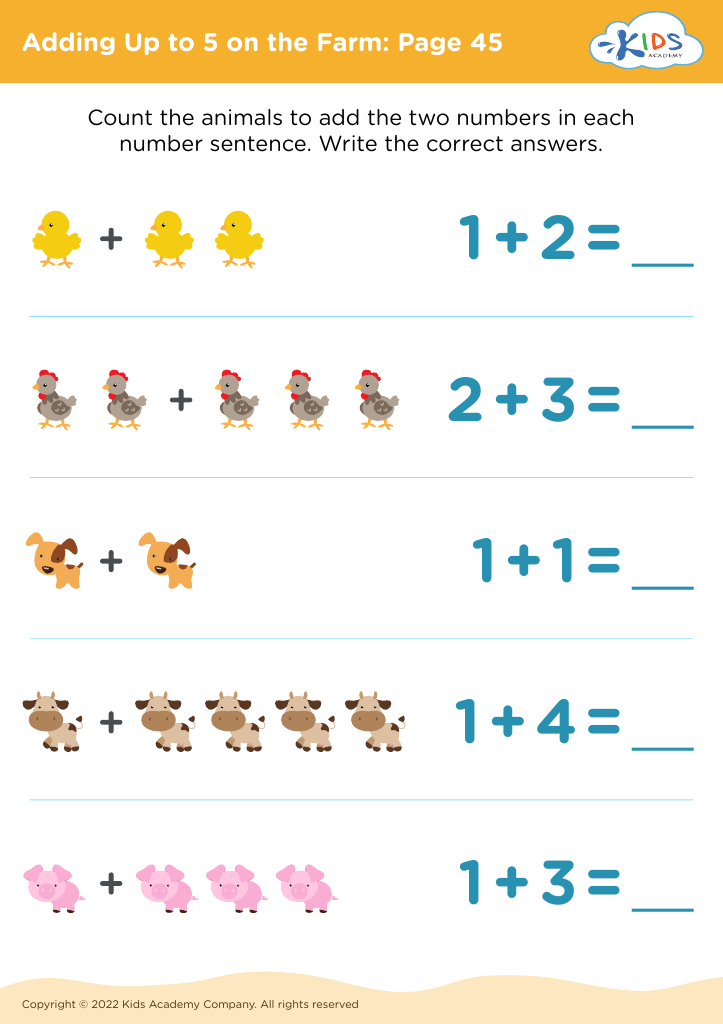
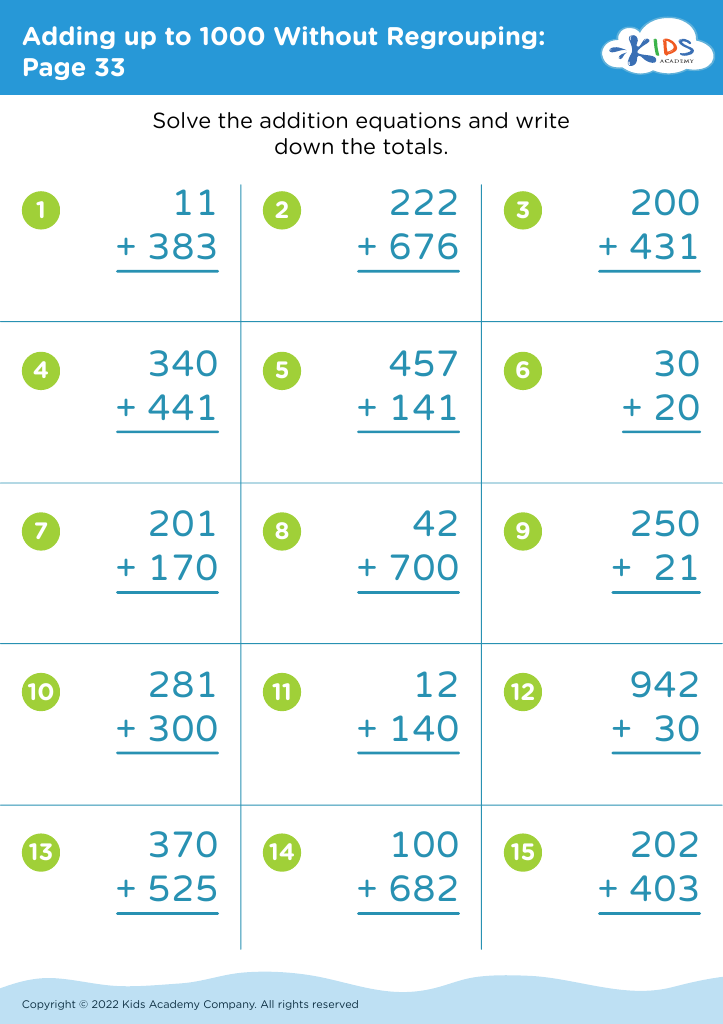








Visual-motor skills, also known as eye-hand coordination, are crucial for children ages 3-9 because they form the foundation for many essential educational and daily life activities. These skills involve the efficient communication between the eyes and the hands to coordinate tasks such as writing, drawing, cutting with scissors, catching a ball, and tying shoes. Strong visual-motor skills are imperative for academic success; they enable children to follow along in the classroom, complete homework, and evolve in their fine motor skill development, which is necessary for legible handwriting, note-taking, and other classroom work.
Moreover, visual-motor skills contribute to a child's athletic abilities and overall physical development. They help children to participate in physical education, playground activities, and sports, which are all critical for their physical health, social interaction, and self-esteem.
For children with poor visual-motor skills, daily tasks can become a source of frustration and may affect their confidence and social relationships. Early identification and support from parents and teachers can help in providing appropriate interventions, whether through occupational therapy, specialized activities, or regular practice aimed at improvement. By focusing on the development of visual-motor skills, caregivers and educators ensure a well-rounded growth environment, setting the stage for future academic and social success.








