Visual-spatial skills Worksheets for Ages 3-9
3 filtered results
-
From - To
Explore our engaging Visual-Spatial Skills Worksheets for children aged 3-9, designed to enhance critical thinking and learning through fun activities! These worksheets encourage youngsters to develop essential skills like puzzle-solving, pattern recognition, and spatial awareness. Each printable resource is tailored to suit various learning stages, making them perfect for home or classroom use. Watch your child unleash their creativity and boost their cognitive abilities while navigating imaginative exercises involving shapes, angles, and spatial orientation. With our captivating visual-spatial activities, you’ll provide an enriching experience that lays the foundation for lifelong learning. Get started today and spark your child's curiosity!
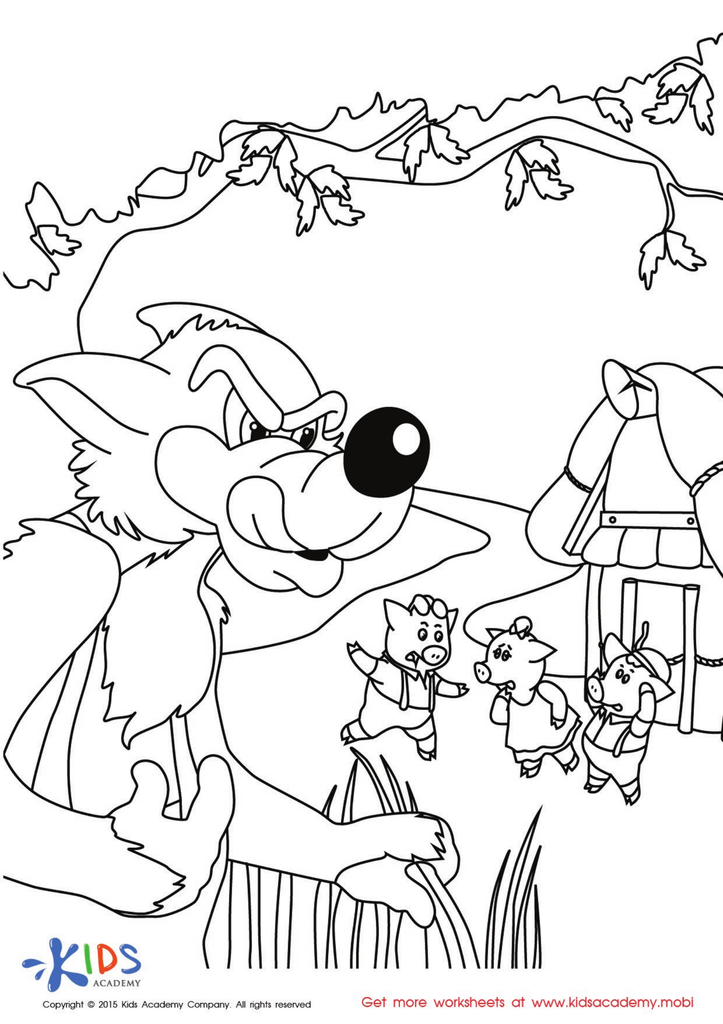
The Story of the Three Little Pigs Coloring Worksheet
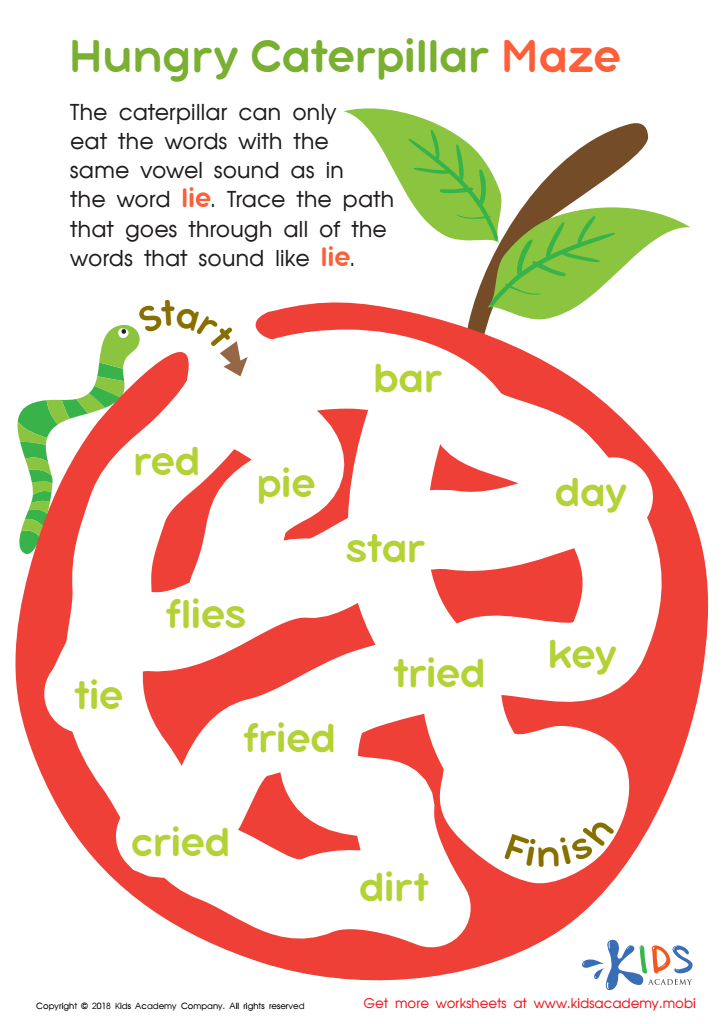
Hungry Caterpillar Maze Worksheet
 Assign to My Students
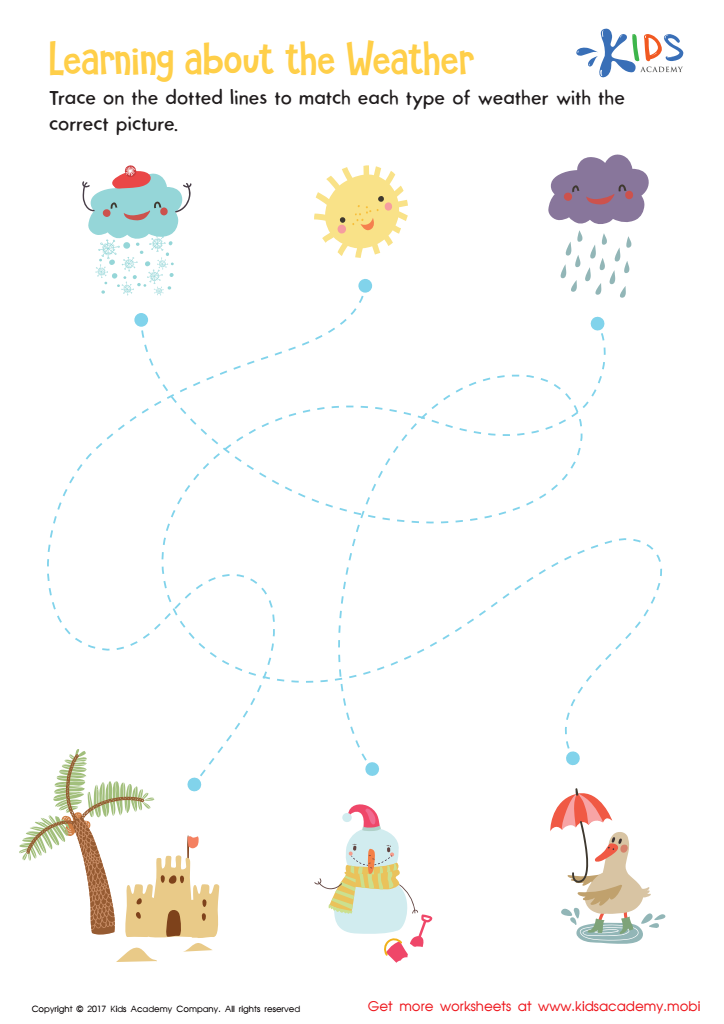



.jpg)



Visual-spatial skills are crucial for children's cognitive and physical development, especially between the ages of 3 and 9. These skills involve understanding how objects relate to one another in terms of space and can greatly impact a child’s learning abilities. When parents and teachers prioritize the development of visual-spatial skills, they equip children with essential tools for success in various areas, from mathematics and science to creativity and problem-solving.
At this formative stage, children are naturally curious and explorative. Engaging in activities that sharpen visual-spatial skills, such as puzzles, building blocks, and pattern games, not only stimulates their minds but also enhances hand-eye coordination and fine motor skills. Research has shown that a strong foundation in visual-spatial abilities correlates with future proficiency in reading and mathematical concepts.
Moreover, fostering these skills in early education can set the stage for enhanced academic readiness and confidence. Students with well-developed visual-spatial skills often excel in subjects that require logical reasoning and abstract thinking. Therefore, it's essential for parents and teachers to integrate visual-spatial training into daily activities, understanding its long-term benefits on a child’s overall education, creativity, and future career prospects.








