Visualization skills Worksheets for Ages 3-9
5 filtered results
-
From - To
Enhance your child's visualization skills with our engaging worksheets designed specifically for ages 3-9. These interactive activities encourage children to strengthen their imagination and critical thinking while developing essential cognitive skills. Our age-appropriate worksheets feature colorful illustrations and diverse themes, helping children visualize concepts and improve their memory retention. Ideal for at-home learning or classroom use, these worksheets offer enjoyable exercises that promote creativity and awareness. Encourage your child's love for learning with our printable resources, perfect for parents and educators alike. Discover the joy of visual learning today and watch your child excel in their thinking abilities!
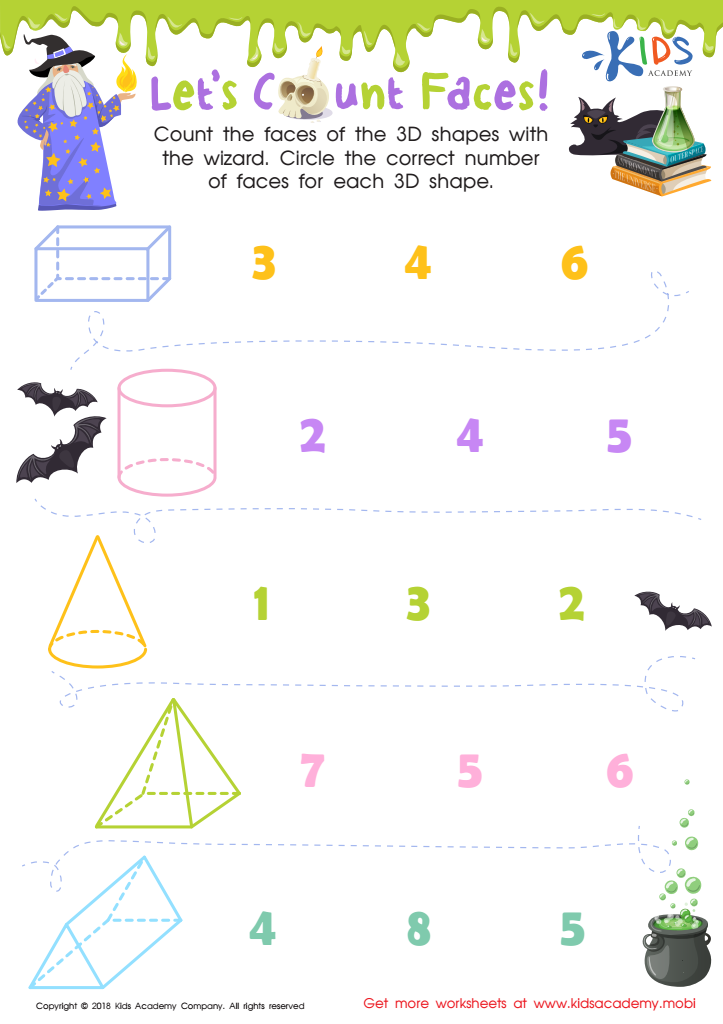
Let's Count Faces! Worksheet
 Assign to My Students
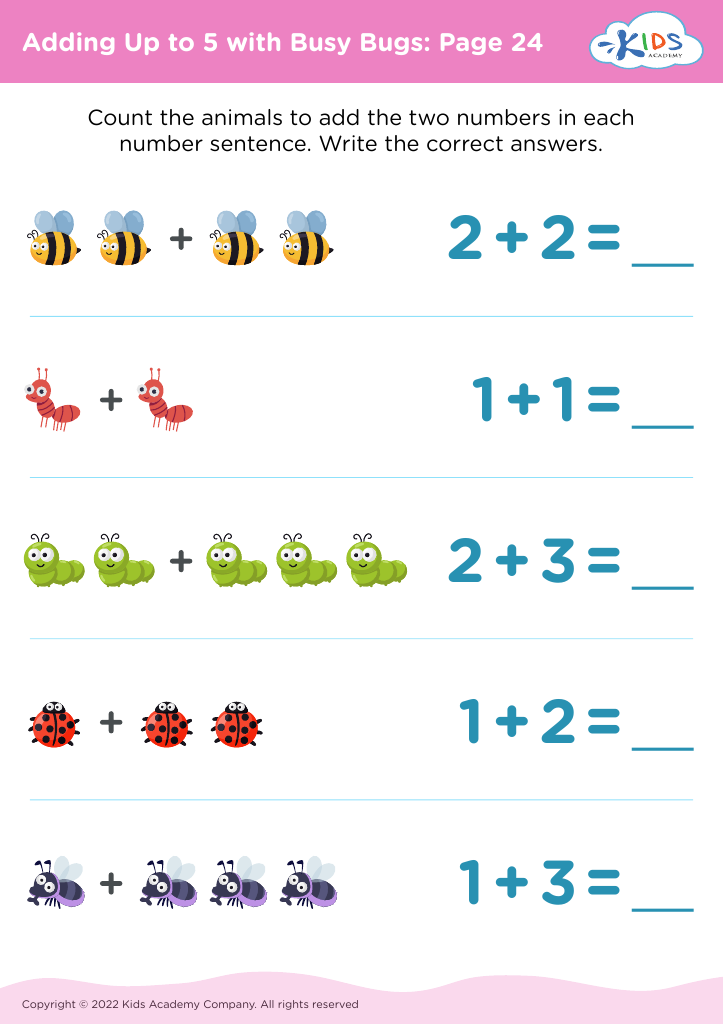
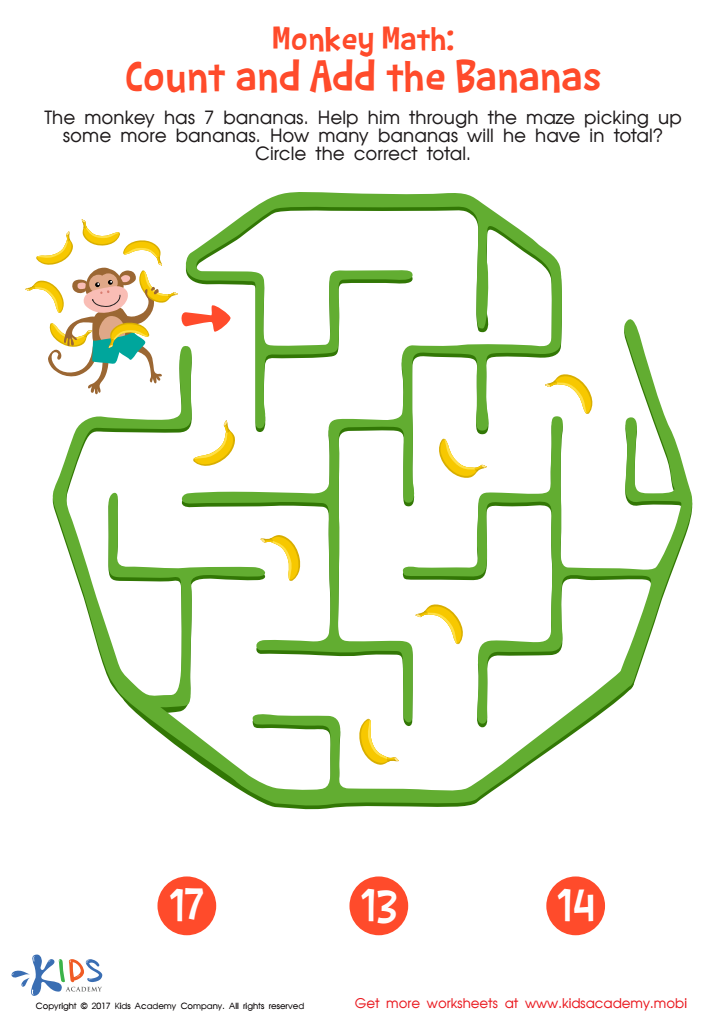
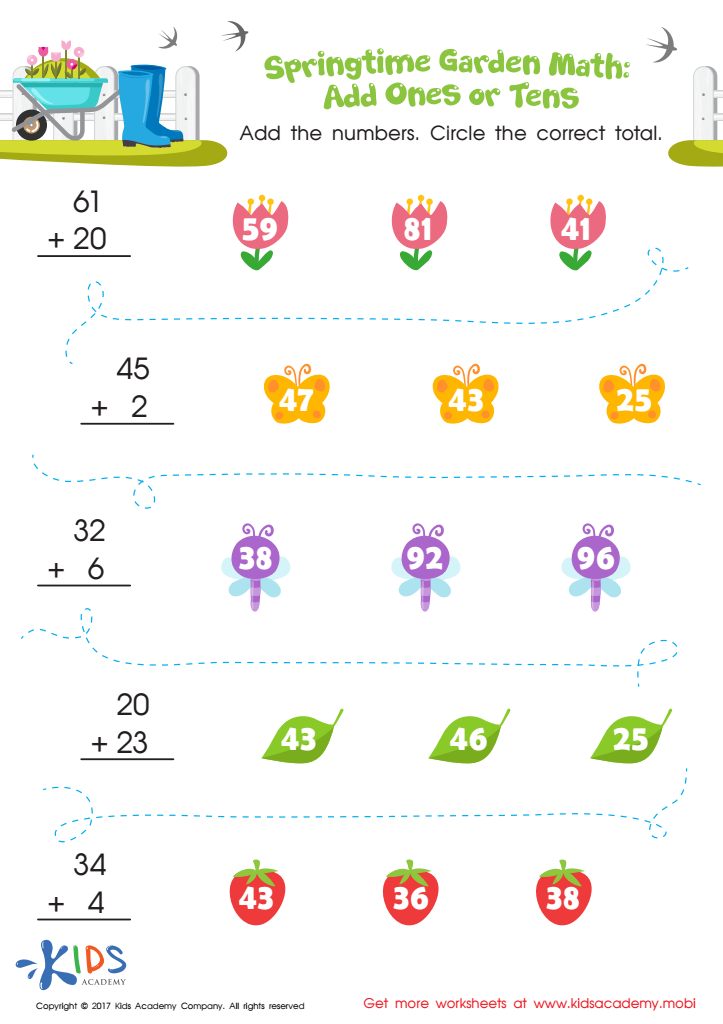
Springtime Garden Math Worksheet
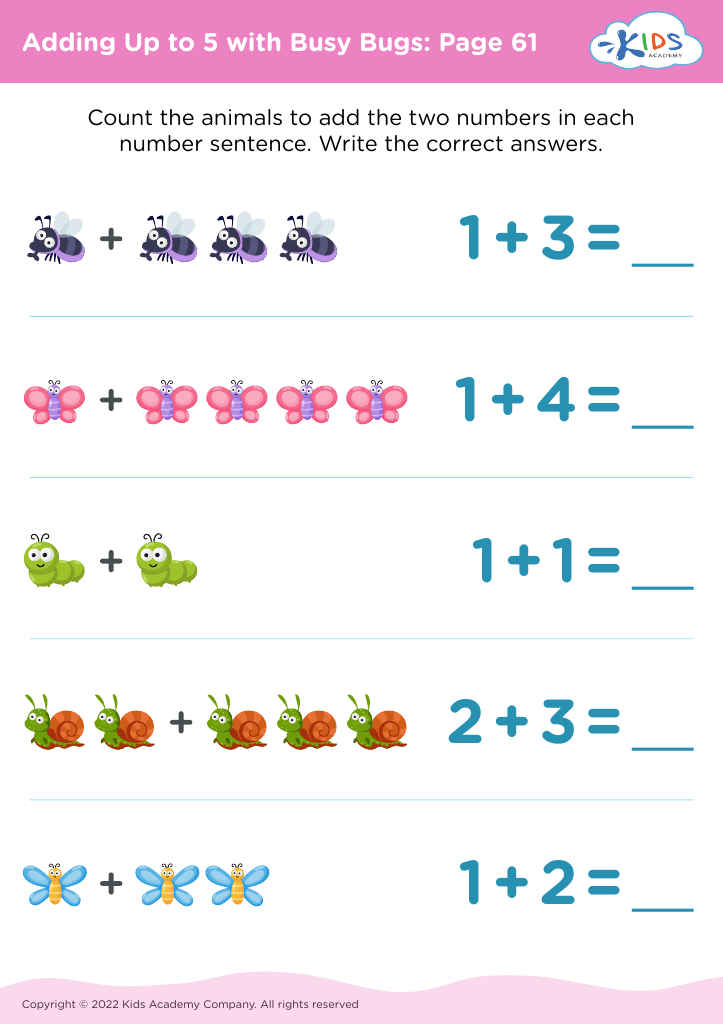








Visualization skills are vital for children aged 3-9 as they underlie numerous cognitive and academic abilities. During these formative years, children develop the capacity to create mental images based on their experiences, which significantly enhances their comprehension. Strong visualization skills support reading comprehension by allowing children to picture narratives and understand plot dynamics, settings, and character emotions.
Moreover, visualization aids in problem-solving and critical thinking. By mentally manipulating images or concepts, children can explore different possibilities and outcomes, making it easier for them to approach challenges creatively. This skill is also integral to the development of spatial awareness, which is crucial in subjects like mathematics and science.
Additionally, good visualization skills foster creativity and imagination, allowing young learners to express themselves artistically and conceptually. Through activities that promote visualization, such as storytelling, drawing, or play, parents and teachers can nurture a richer, more engaging learning environment. Investing in children's visualization abilities not only enhances their academic performance but also builds essential skills for lifelong learning, social interaction, and emotional intelligence. Therefore, recognizing and supporting the development of visualization skills should be a priority for caregivers and educators.








