Word Recognition Worksheets for Ages 3-9 - Page 4
77 filtered results
-
From - To
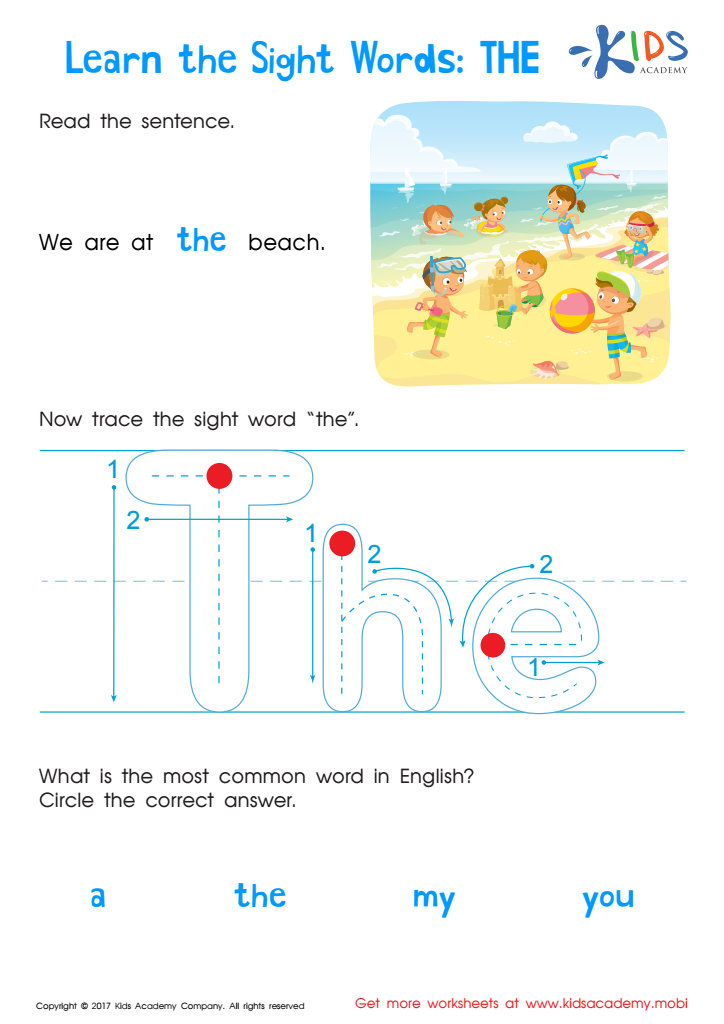
Sight Words: The Worksheet
 Assign to My Students
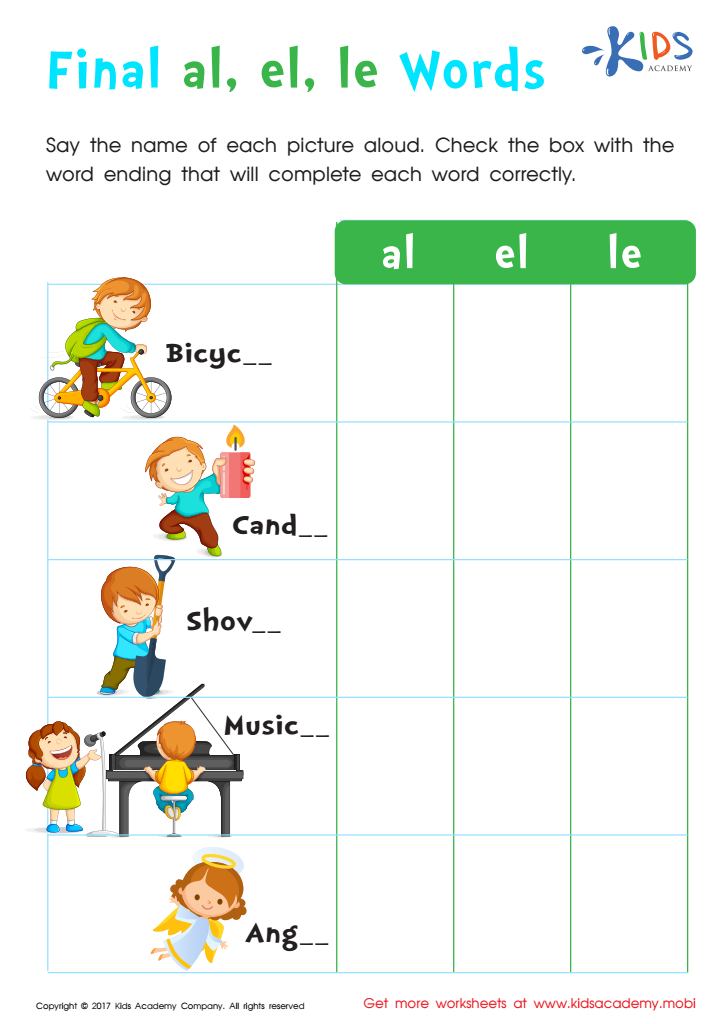
Spelling Words Ending with –le, –el and –al Worksheet
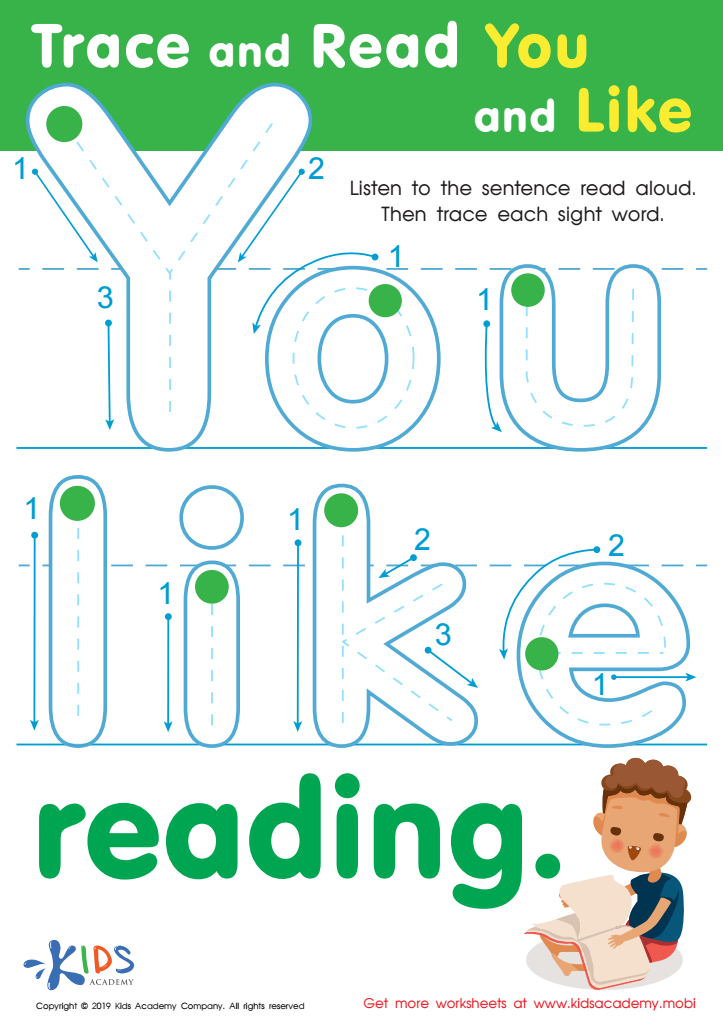
Trace Read You Like Worksheet
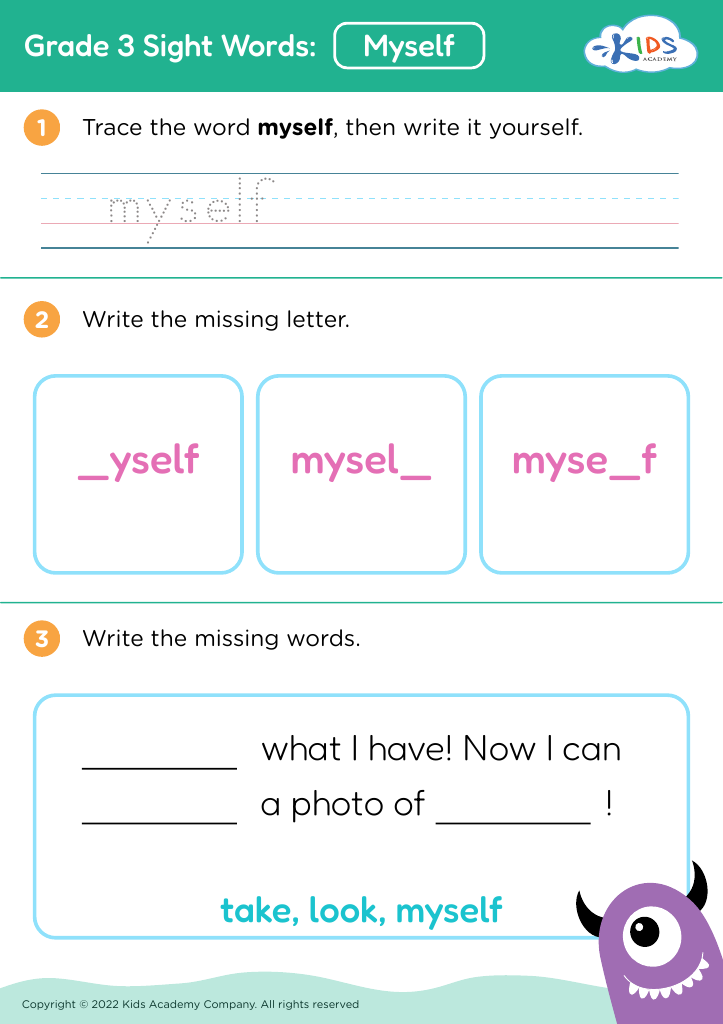
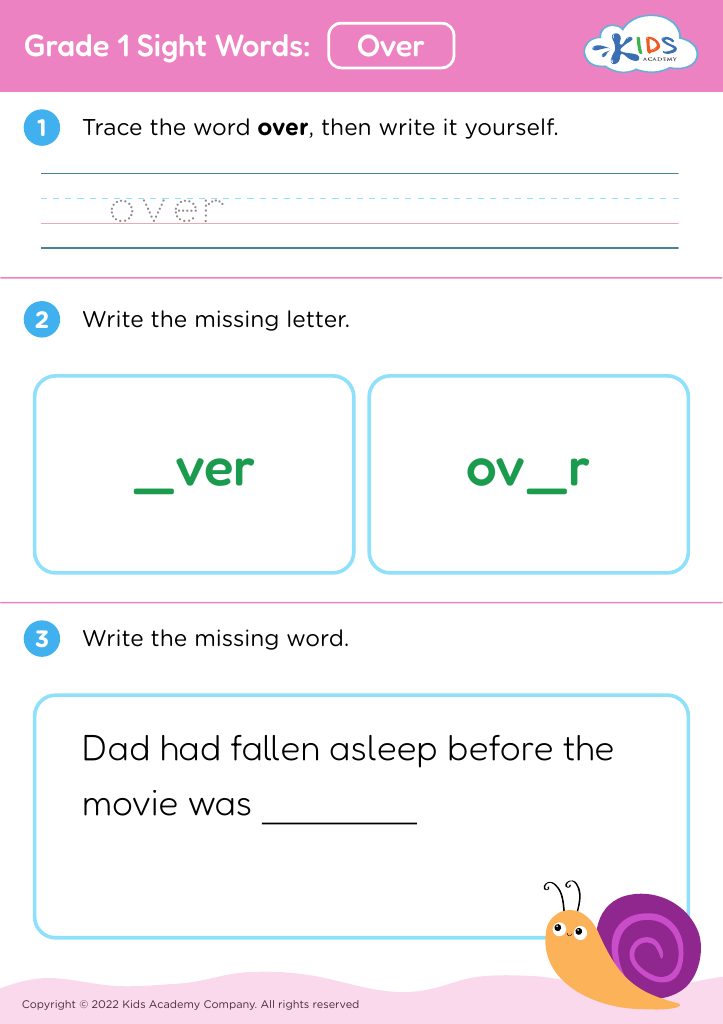







Word recognition is crucial for children ages 3-9 because it lays the foundation for reading proficiency, which is essential for learning across all subjects. At this formative stage, children are developing the cognitive skills required to decode spoken and written language, a key literacy milestone. Children who struggle with word recognition often face difficulties in comprehension, limiting their ability to absorb new information. Recognizing words quickly and accurately helps them read more fluently, making it easier to understand and engage with the text.
For parents and teachers, fostering word recognition helps identify potential reading difficulties early, allowing for timely intervention. This can prevent long-term academic challenges and support children in developing a love for reading. Through activities such as phonics games, flashcards, and read-aloud sessions, caregivers can make learning to read enjoyable, while also providing the repetition and practice necessary for mastery.
Moreover, strong word recognition skills correlate with better communication abilities and higher confidence levels. Children who can read effortlessly tend to participate more actively in class and show a greater interest in learning. Thus, emphasizing word recognition not only boosts academic performance but also supports overall cognitive and emotional development, setting the stage for lifelong learning success.








