Filters

18 filtered results

Clear all filters
Favorites
With answer key
Interactive

18 filtered results

Difficulty Level

Grade


Subject

    Explore our engaging "Adding at the Zoo Worksheets," designed for children ages 3-9! These fun-filled worksheets not only introduce basic addition concepts but also enhance cognitive development through interactive zoo-themed activities. Kids will enjoy counting adorable animals, solving simple addition problems, and improving their number skills while discovering the wonders of the zoo. Perfect for young learners, these worksheets encourage critical thinking and foster a love for math in a vibrant, playful context. Download now to provide your child with the tools they need for mathematical success while they have fun exploring and learning! Ideal for classrooms and home learning alike!
    Check out this FREE Trial Lesson on Adding at the Zoo for age 3-9!

    Z

    Favorites
    With answer key
    Interactive
    • 3-9
    • Cognitive Development
    • Adding at the Zoo
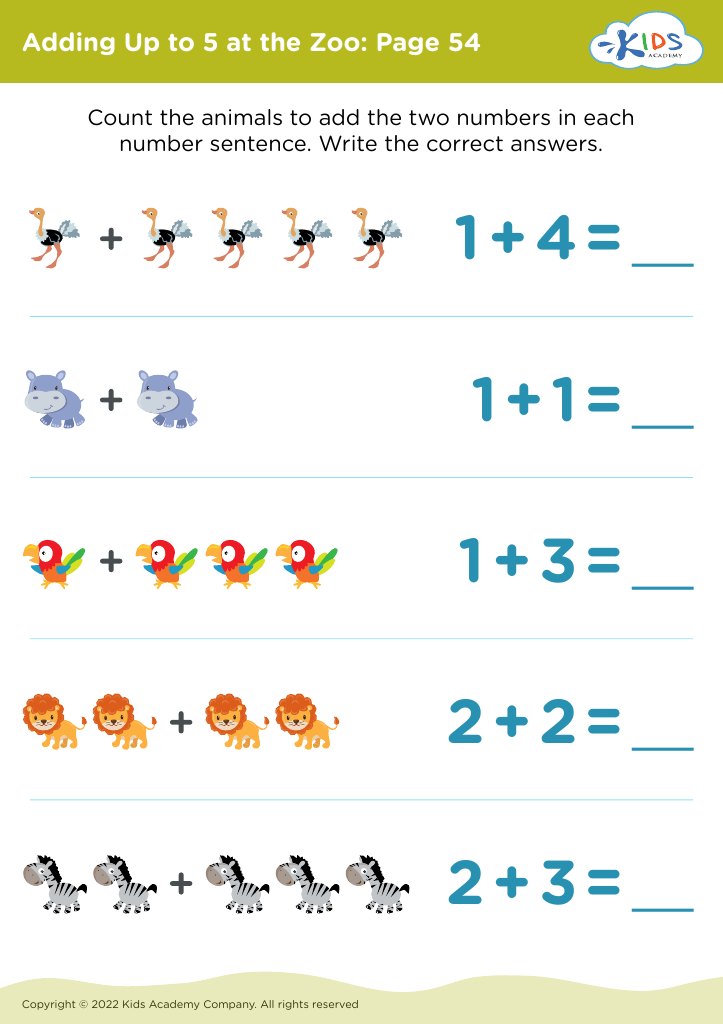
    Adding Up to 5 at the Zoo: Page 54
    Adding Up to 5 at the Zoo: Page 54
    Adding Up to 5 at the Zoo: Page 54
    Worksheet
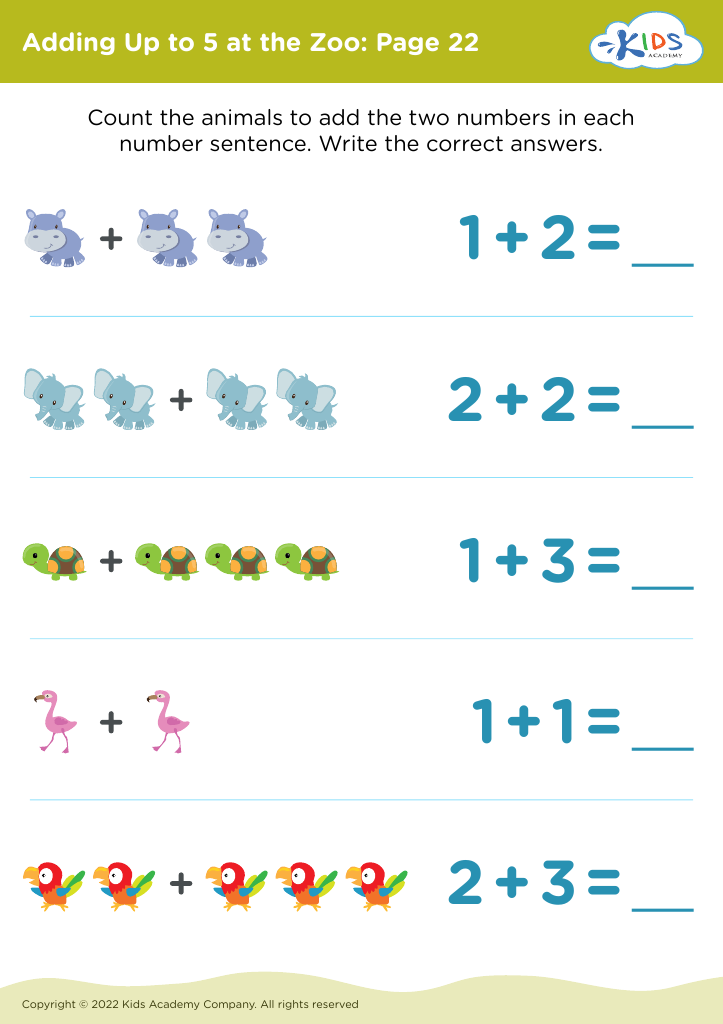
    Adding Up to 5 at the Zoo: Page 22
    Adding Up to 5 at the Zoo: Page 22
    Adding Up to 5 at the Zoo: Page 22
    Worksheet
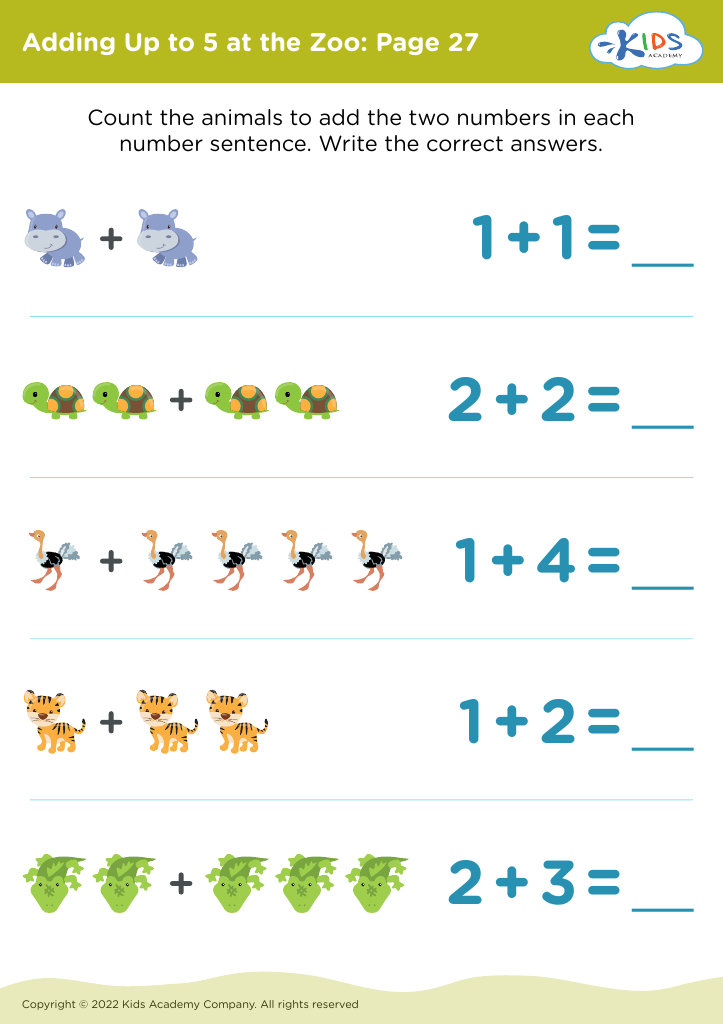
    Adding Up to 5 at the Zoo: Page 27
    Adding Up to 5 at the Zoo: Page 27
    Adding Up to 5 at the Zoo: Page 27
    Worksheet
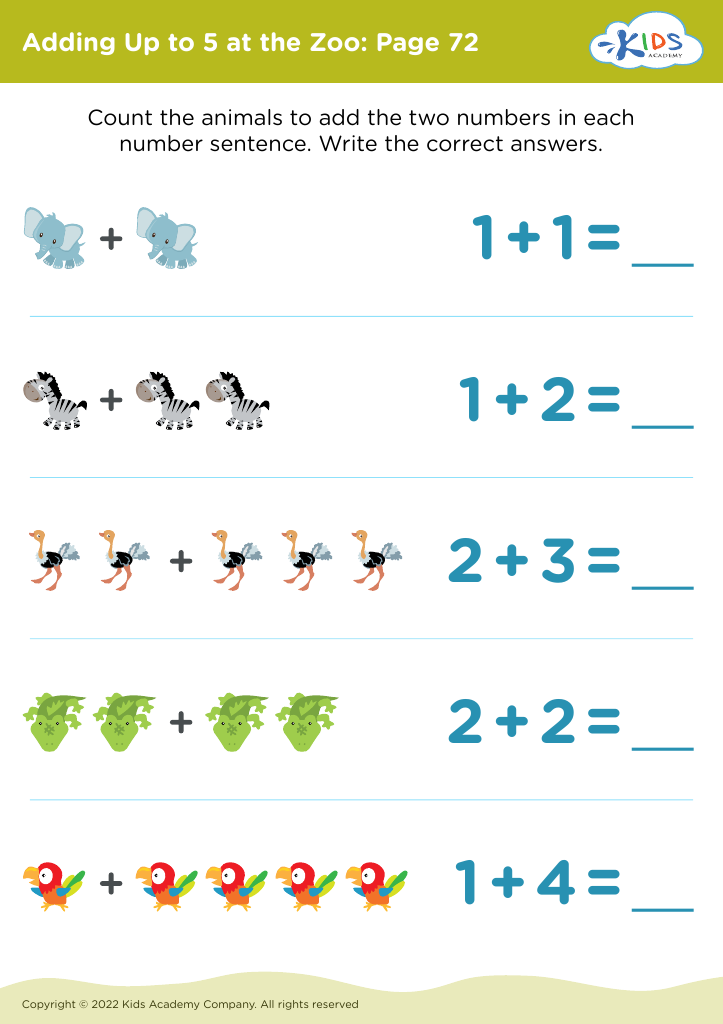
    Adding Up to 5 at the Zoo: Page 72
    Adding Up to 5 at the Zoo: Page 72
    Adding Up to 5 at the Zoo: Page 72
    Worksheet
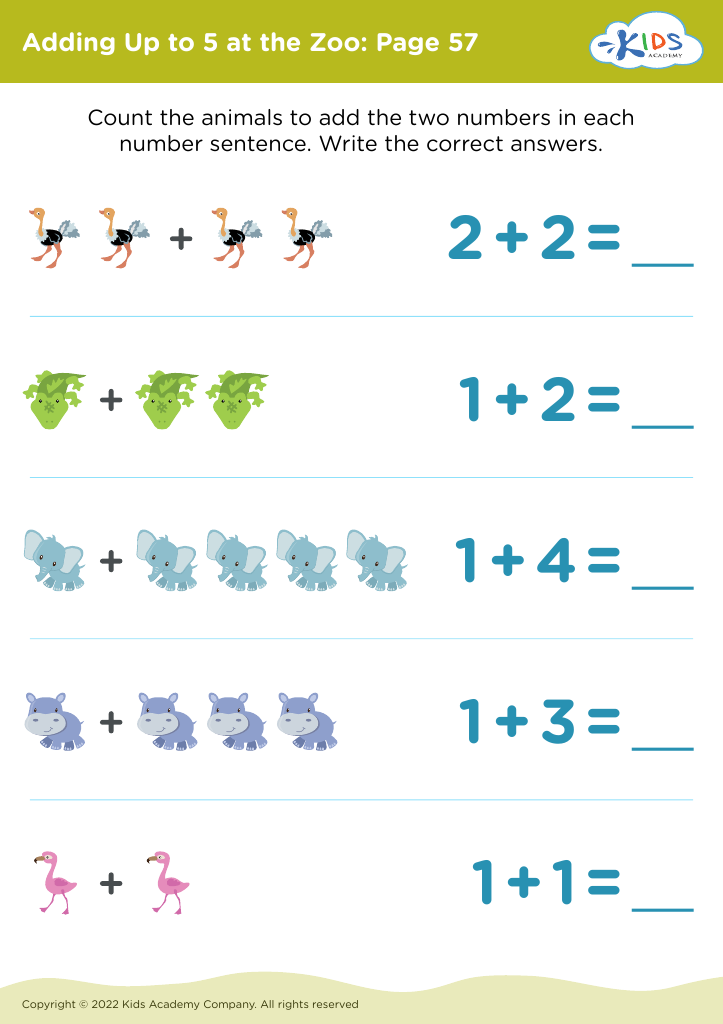
    Adding Up to 5 at the Zoo: Page 57
    Adding Up to 5 at the Zoo: Page 57
    Adding Up to 5 at the Zoo: Page 57
    Worksheet
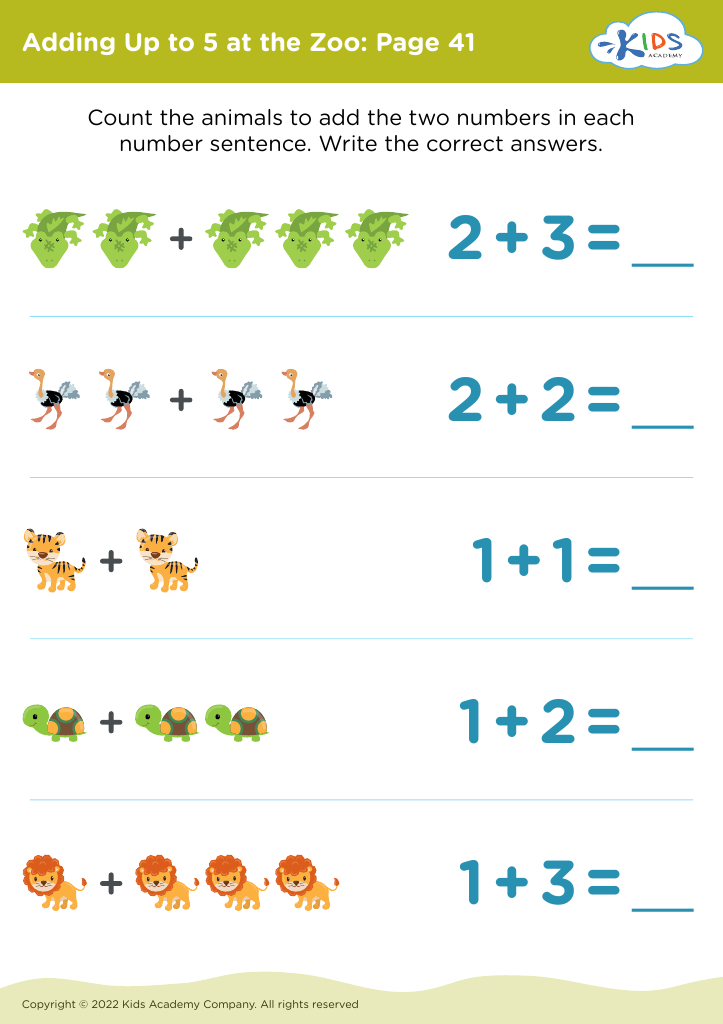
    Adding Up to 5 at the Zoo: Page 41
    Adding Up to 5 at the Zoo: Page 41
    Adding Up to 5 at the Zoo: Page 41
    Worksheet
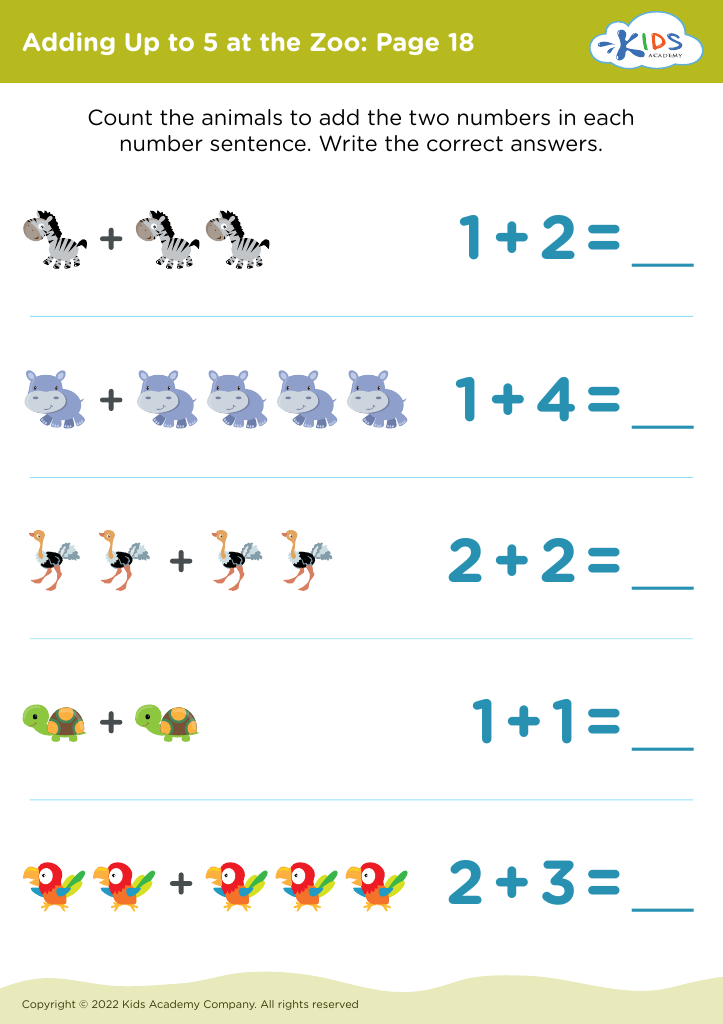
    Adding Up to 5 at the Zoo: Page 18
    Adding Up to 5 at the Zoo: Page 18
    Adding Up to 5 at the Zoo: Page 18
    Worksheet
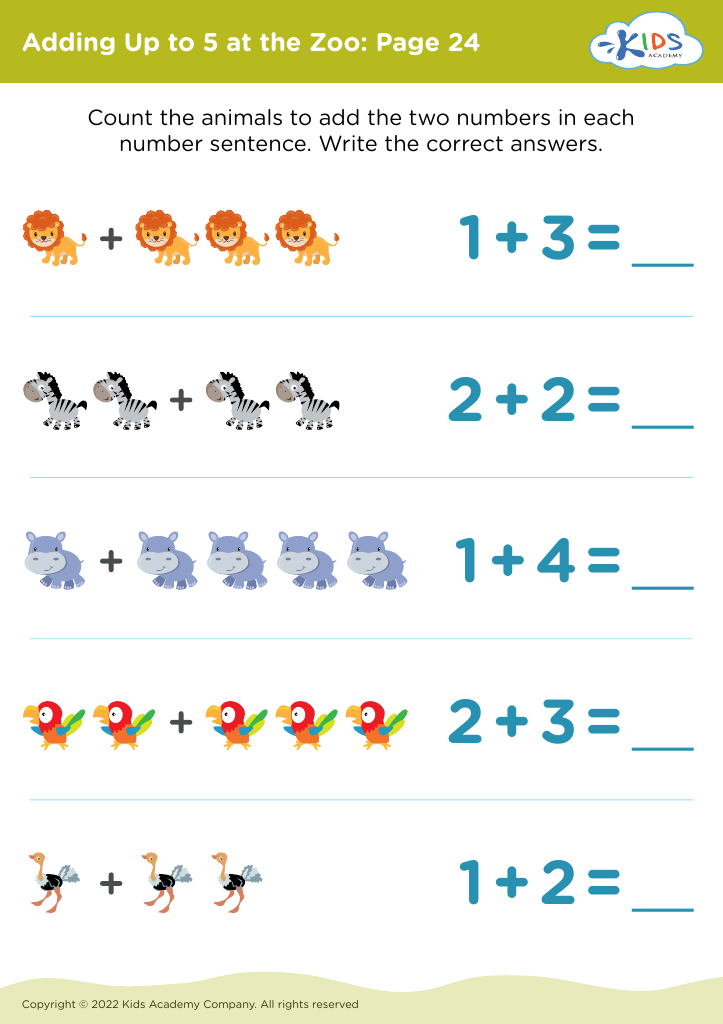
    Adding Up to 5 at the Zoo: Page 24
    Adding Up to 5 at the Zoo: Page 24
    Adding Up to 5 at the Zoo: Page 24
    Worksheet
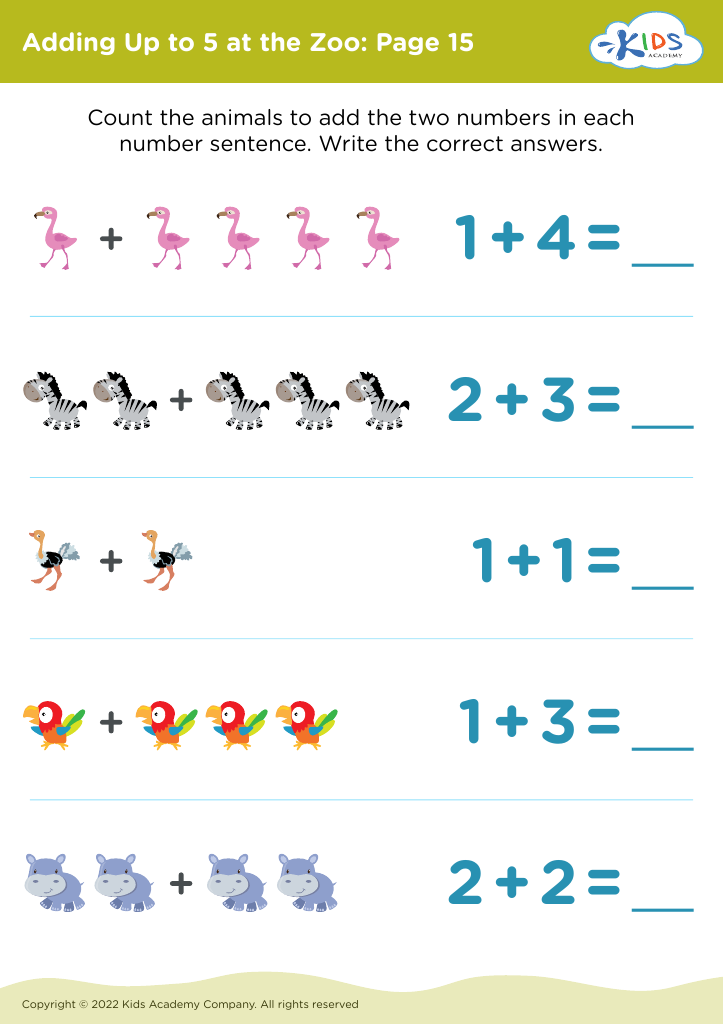
    Adding Up to 5 at the Zoo: Page 15
    Adding Up to 5 at the Zoo: Page 15
    Adding Up to 5 at the Zoo: Page 15
    Worksheet
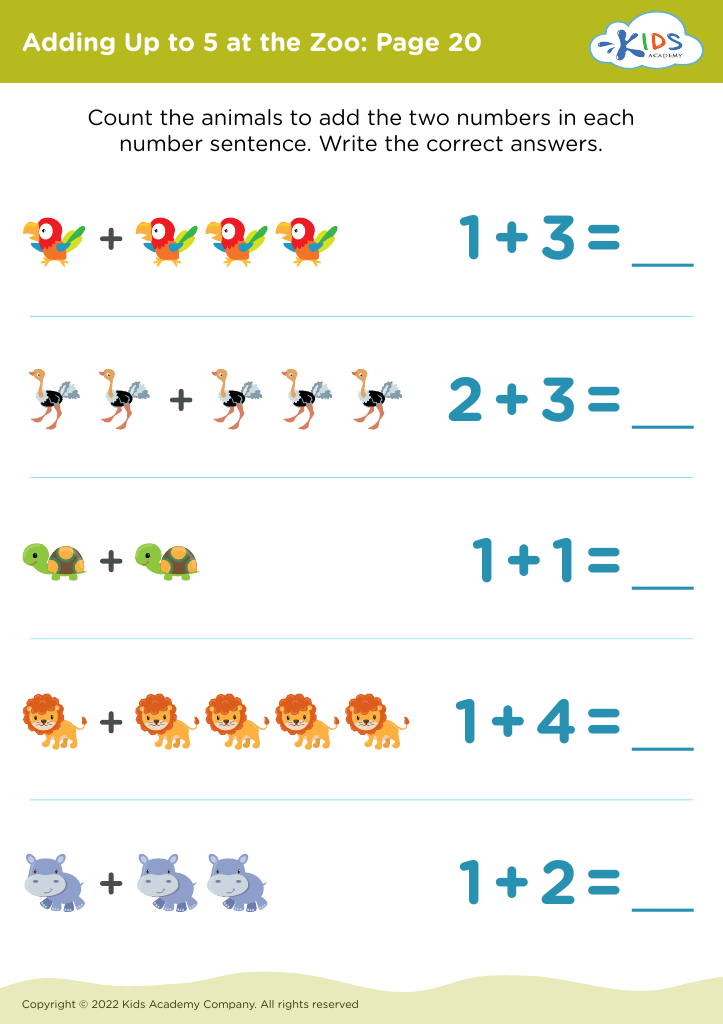
    Adding Up to 5 at the Zoo: Page 20
    Adding Up to 5 at the Zoo: Page 20
    Adding Up to 5 at the Zoo: Page 20
    Worksheet
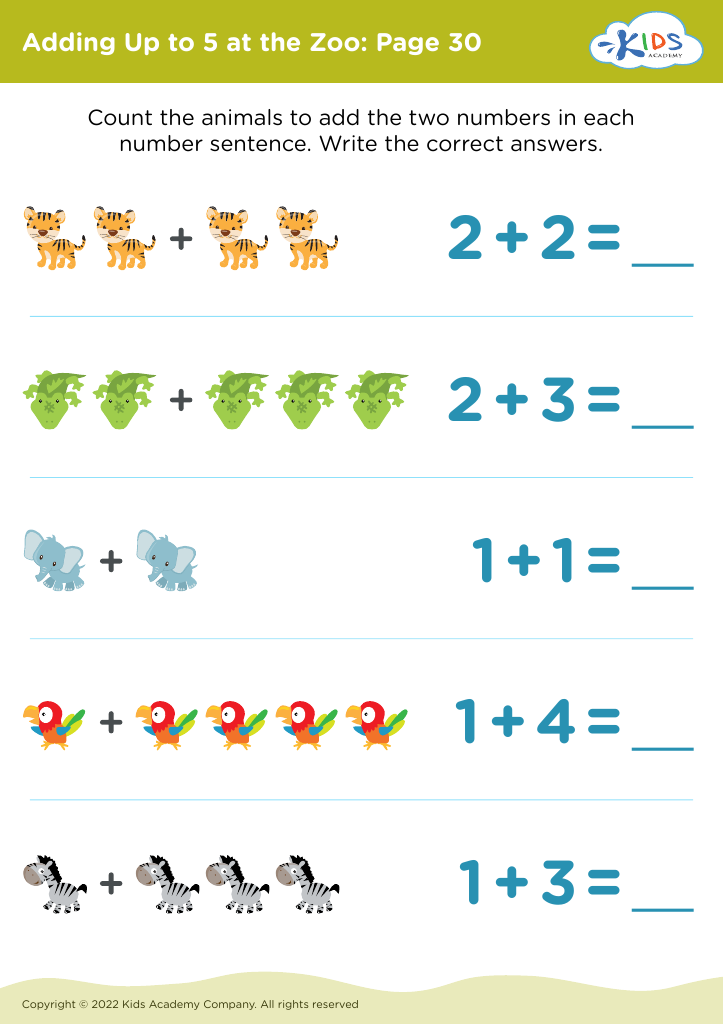
    Adding Up to 5 at the Zoo: Page 30
    Adding Up to 5 at the Zoo: Page 30
    Adding Up to 5 at the Zoo: Page 30
    Worksheet
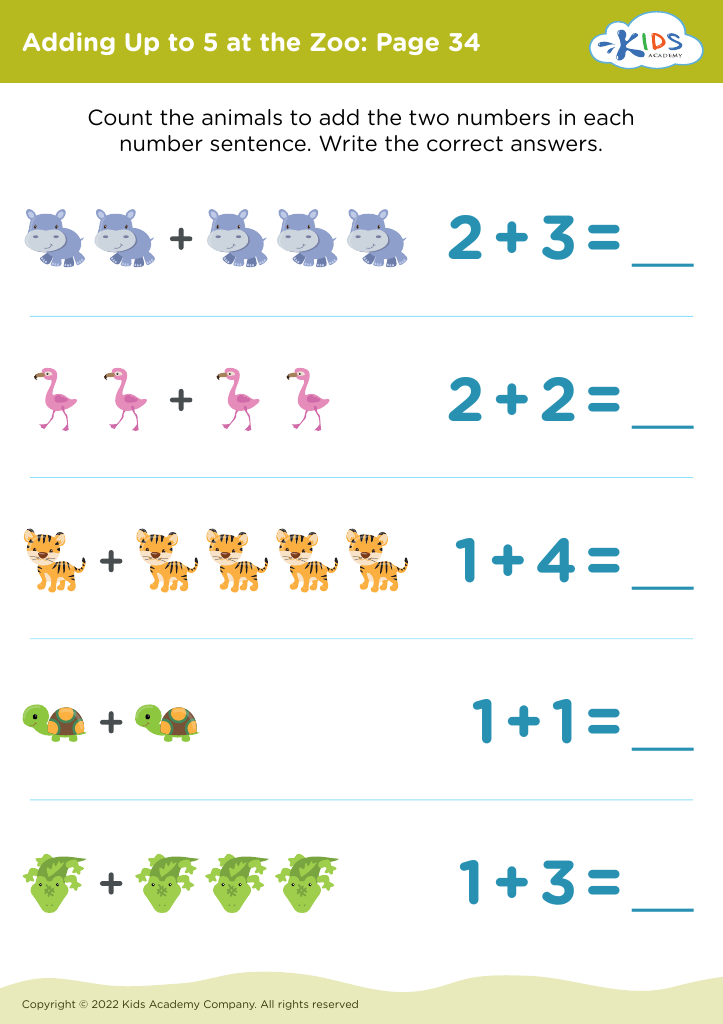
    Adding Up to 5 at the Zoo: Page 34
    Adding Up to 5 at the Zoo: Page 34
    Adding Up to 5 at the Zoo: Page 34
    Worksheet
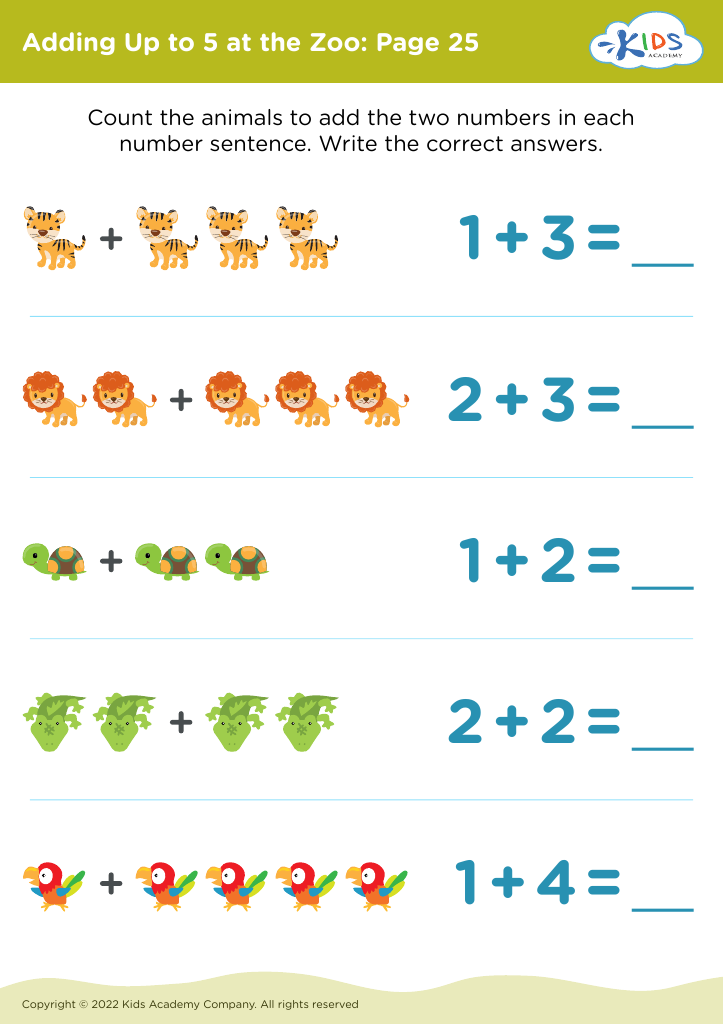
    Adding Up to 5 at the Zoo: Page 25
    Adding Up to 5 at the Zoo: Page 25
    Adding Up to 5 at the Zoo: Page 25
    Worksheet
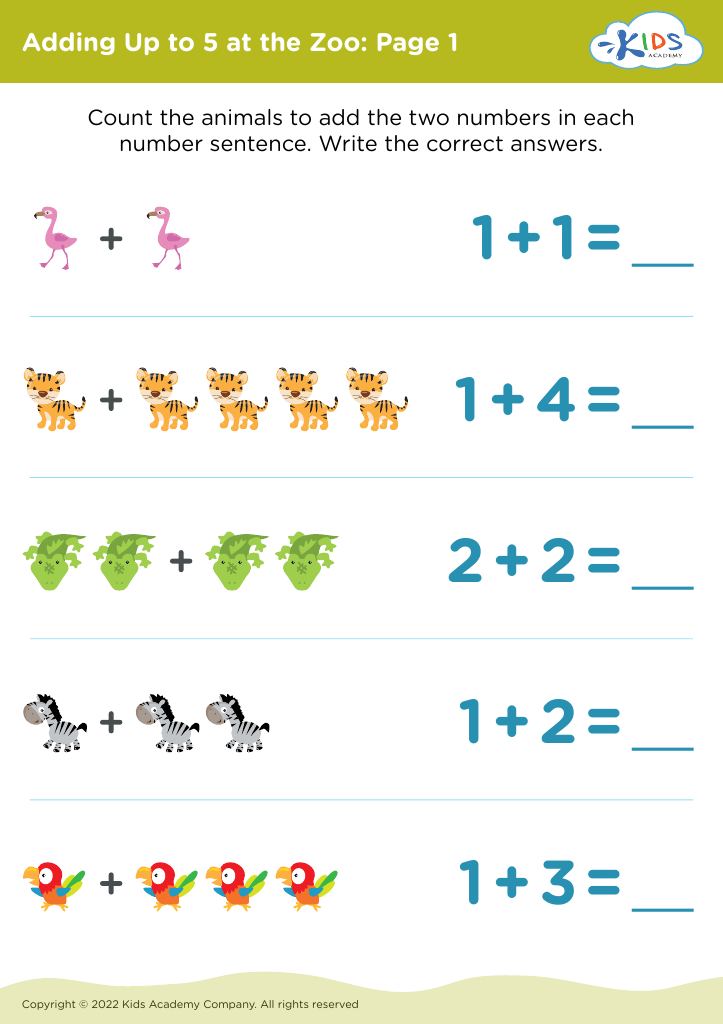
    Adding Up to 5 at the Zoo: Page 1
    Adding Up to 5 at the Zoo: Page 1

    Adding Up to 5 at the Zoo: Page 1

    Adding Up to 5 at the Zoo: Page 1
    Worksheet
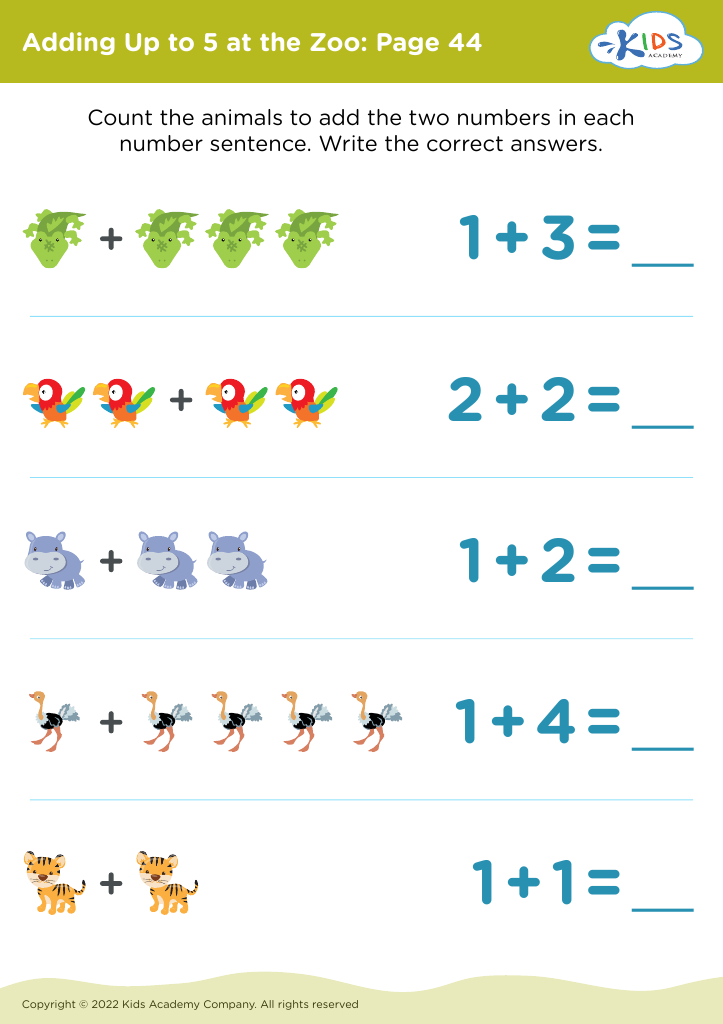
    Adding Up to 5 at the Zoo: Page 44
    Adding Up to 5 at the Zoo: Page 44
    Adding Up to 5 at the Zoo: Page 44
    Worksheet
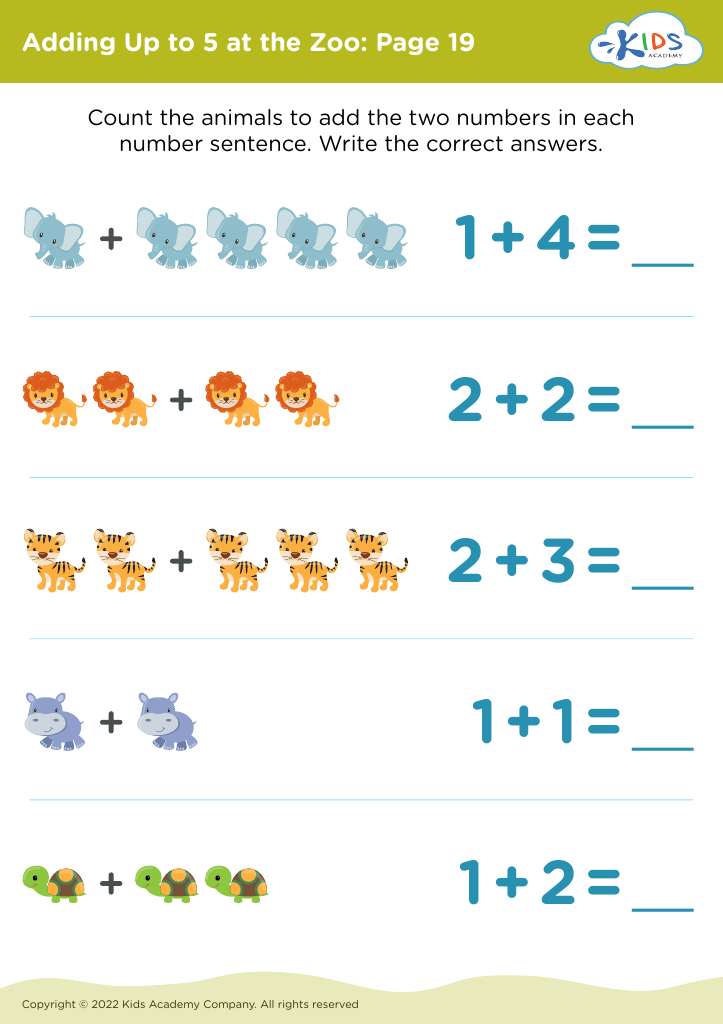
    Adding Up to 5 at the Zoo: Page 19
    Adding Up to 5 at the Zoo: Page 19
    Adding Up to 5 at the Zoo: Page 19
    Worksheet
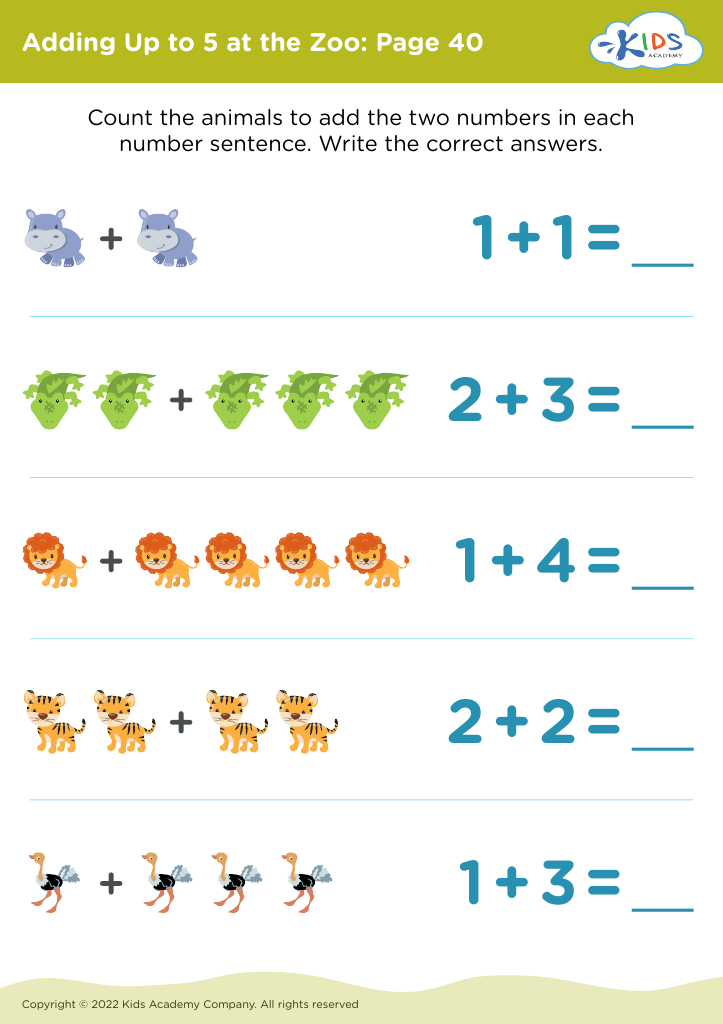
    Adding Up to 5 at the Zoo: Page 40
    Adding Up to 5 at the Zoo: Page 40
    Adding Up to 5 at the Zoo: Page 40
    Worksheet
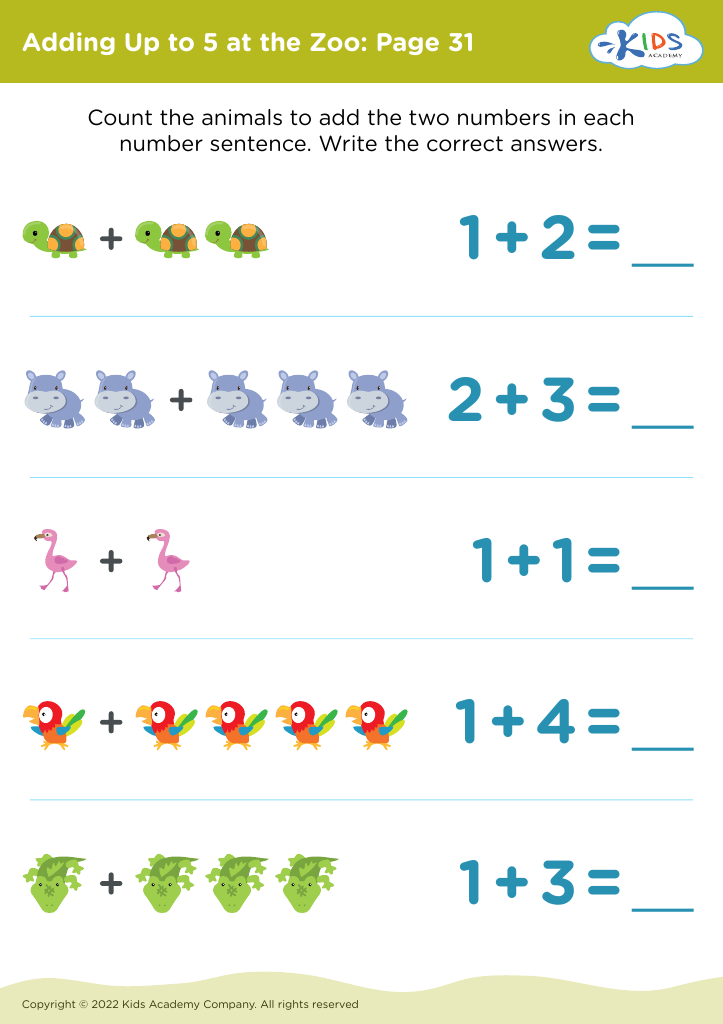
    Adding Up to 5 at the Zoo: Page 31
    Adding Up to 5 at the Zoo: Page 31
    Adding Up to 5 at the Zoo: Page 31
    Worksheet


    Cognitive development in early childhood is crucial, as it lays the foundation for critical thinking, problem-solving, and social skills that children will use throughout their lives. Activities like a "Cognitive Development Adding at the Zoo" program can significantly enhance this development for children ages 3-9 by providing engaging, interactive experiences. Such programs use real-world contexts, like animals and their habitats, to make learning about numbers and addition exciting and relevant.

    Parents and teachers should care about these initiatives because they promote active learning in naturalistic settings that captivate children's interest. When children explore concepts through play and exploration at the zoo, they are more likely to retain the information and develop a yearning for continued learning.

    Moreover, these experiences support various areas of cognitive development, including language acquisition, memory, and critical thinking, all essential for school readiness and future academic success. Additionally, activities can foster social skills as children work in groups, enhancing collaboration and communication. This holistic approach to learning equips children not only with basic math skills but also vital interpersonal skills and a deep appreciation for the natural world, making it a valuable investment in their overall development.