


%20(1).jpg)
.jpg)



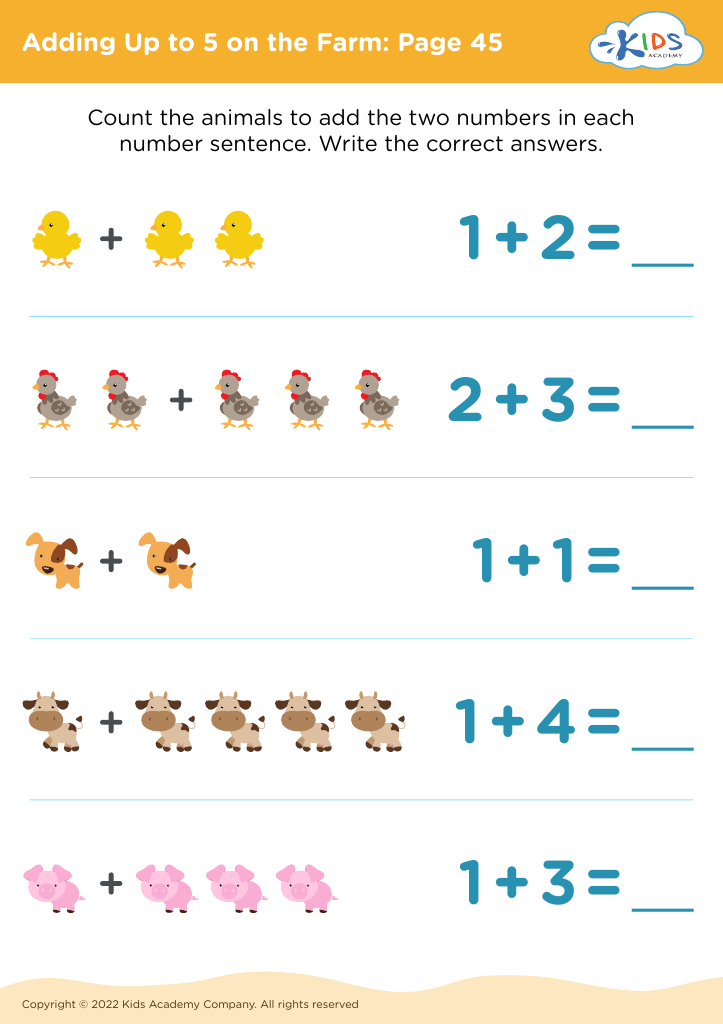
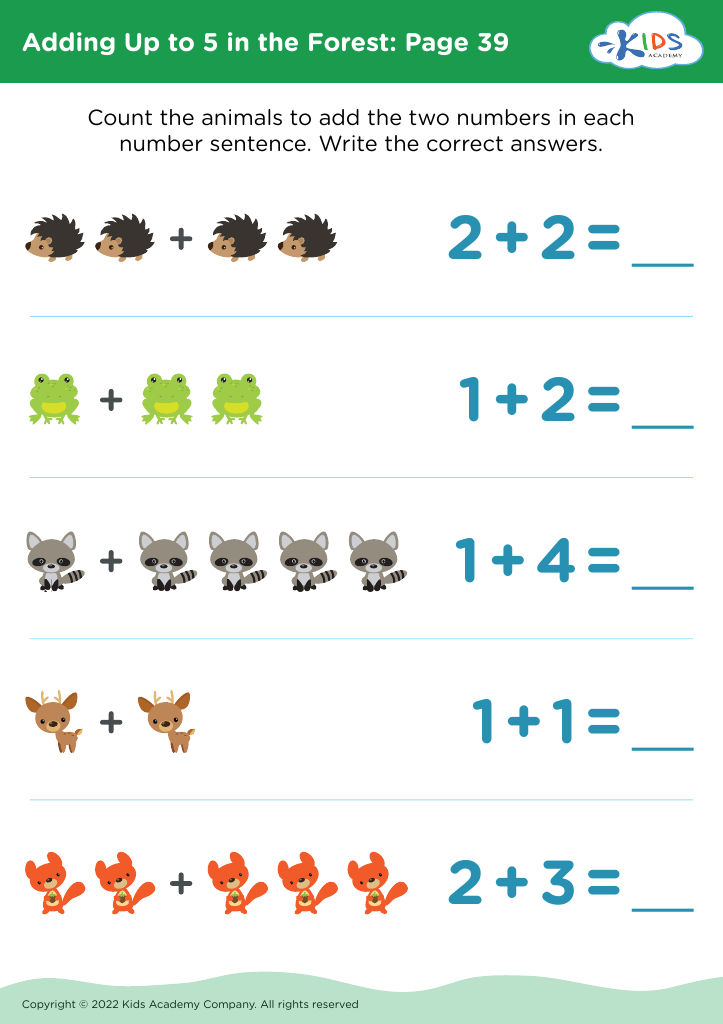
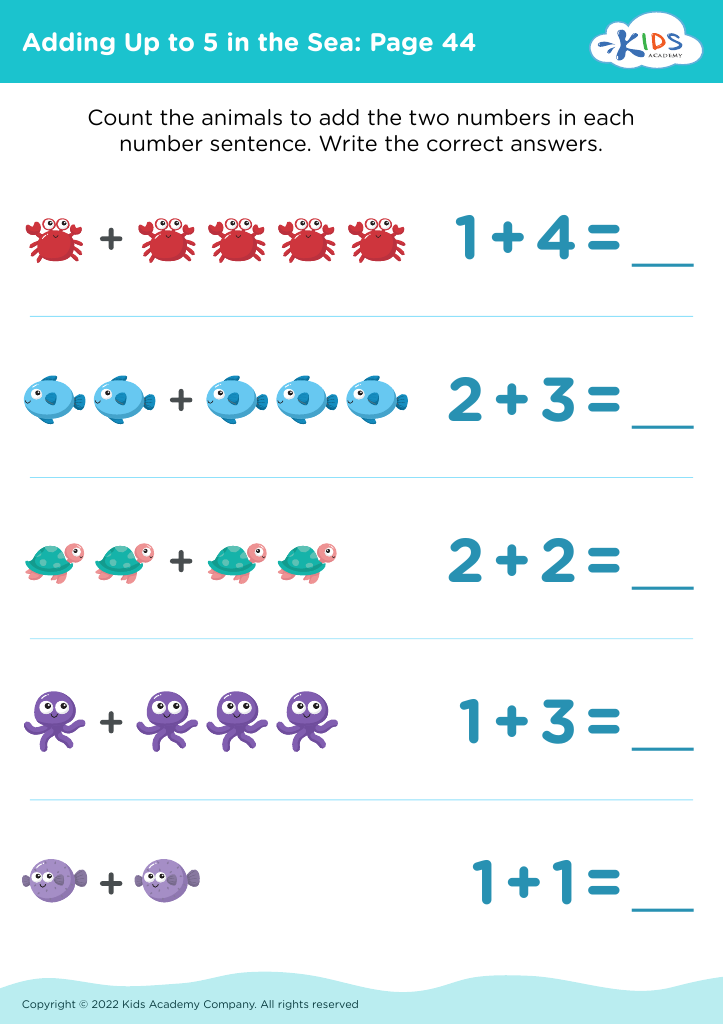
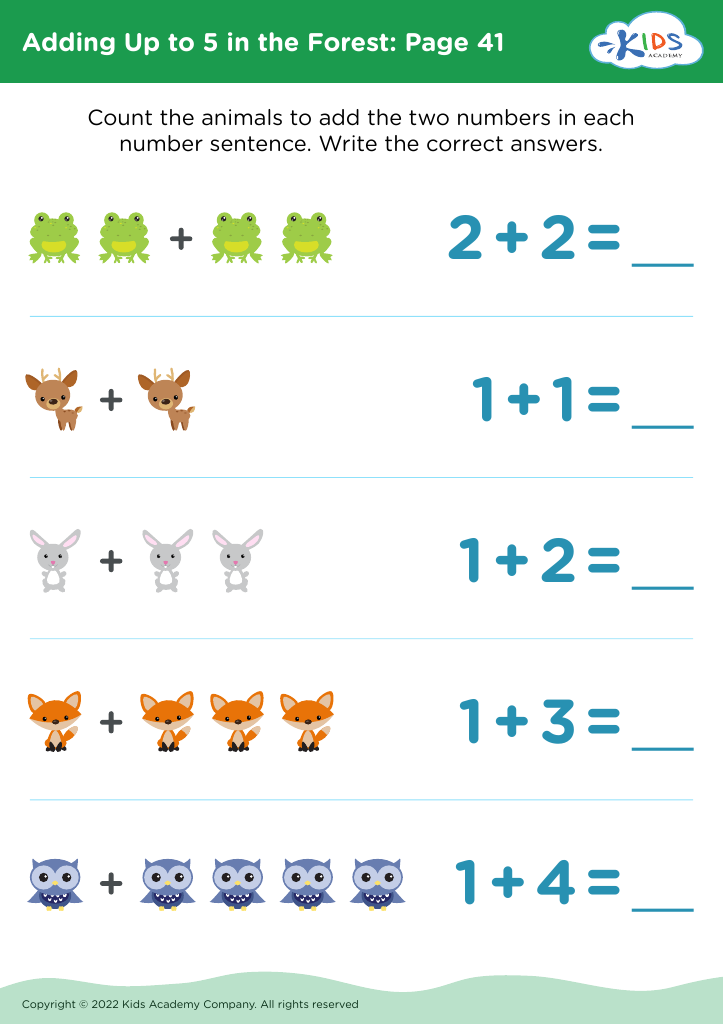
Fine motor skills are crucial for young children aged 3-9 as they lay the foundation for numerous daily tasks and cognitive development. These skills refer to the ability to use smaller muscles in the hands and fingers, essential for various activities such as writing, drawing, and manipulating objects. When children learn to manage fine motor tasks like counting and adding numbers up to 5, they enhance their hand-eye coordination, dexterity, and problem-solving abilities.
Parents and teachers should prioritize the development of fine motor skills because they correlate directly with academic success in early education. Children who struggle with these skills may experience challenges in essential tasks such as writing and completing worksheets, hindering their overall learning process. Furthermore, fine motor skills play a role in emotional wellness; proficiency in these activities can boost a child’s self-esteem and motivation.
Engaging children in activities like coloring, building blocks, or simple math games not only fosters fine motor development but also makes learning enjoyable. When both parents and teachers invest time in enhancing these skills, they equip children for lifelong learning and the ability to tackle more complex challenges as they grow. Prioritizing fine motor skills is an investment in a child’s future academic and life success.








