Counting practice Addition and Subtraction Word Problems Worksheets for Ages 3-9
5 filtered results
-
From - To
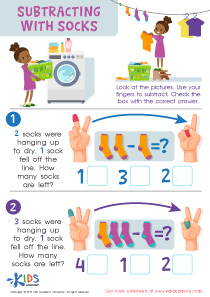
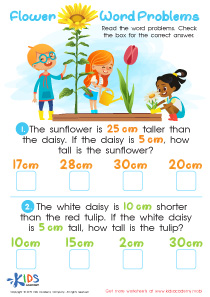
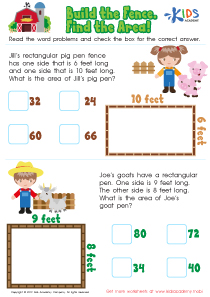
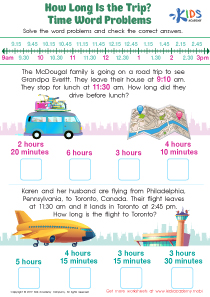
Explore our "Counting Practice Addition and Subtraction Word Problems Worksheets" designed for children ages 3-9! These engaging worksheets help young learners develop essential math skills through fun and interactive word problems that reinforce addition and subtraction concepts. Tailored to foster critical thinking and problem-solving, each worksheet encourages children to apply their counting abilities in real-life scenarios. Perfect for home and classroom use, our resources provide a strong foundation in numeracy and build confidence in tackling mathematical challenges. Start your child's math journey today with our creative and educational worksheets that make learning a delightful adventure!
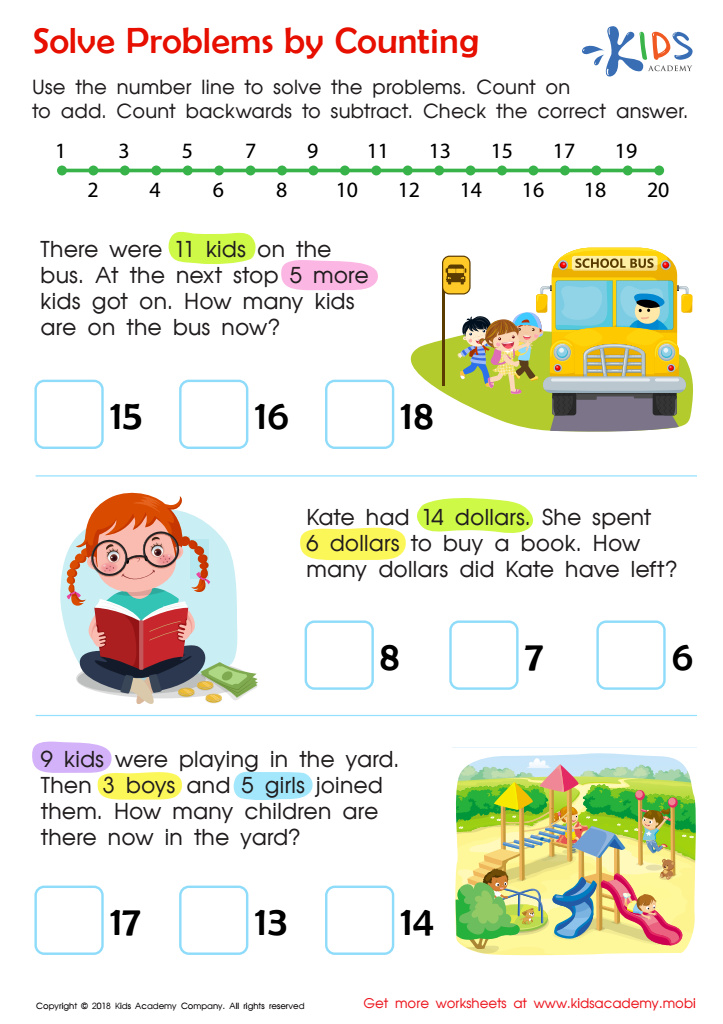
Solve Problems by Counting Worksheet
 Assign to My Students
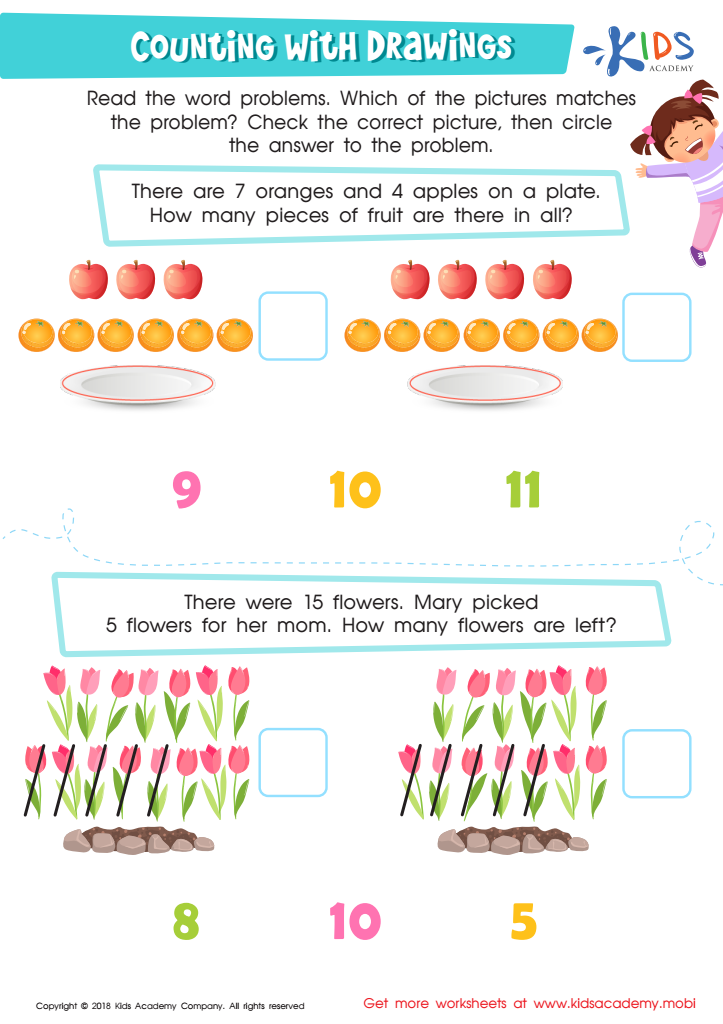
Counting with Drawings: Fruits & Chocolates Worksheet
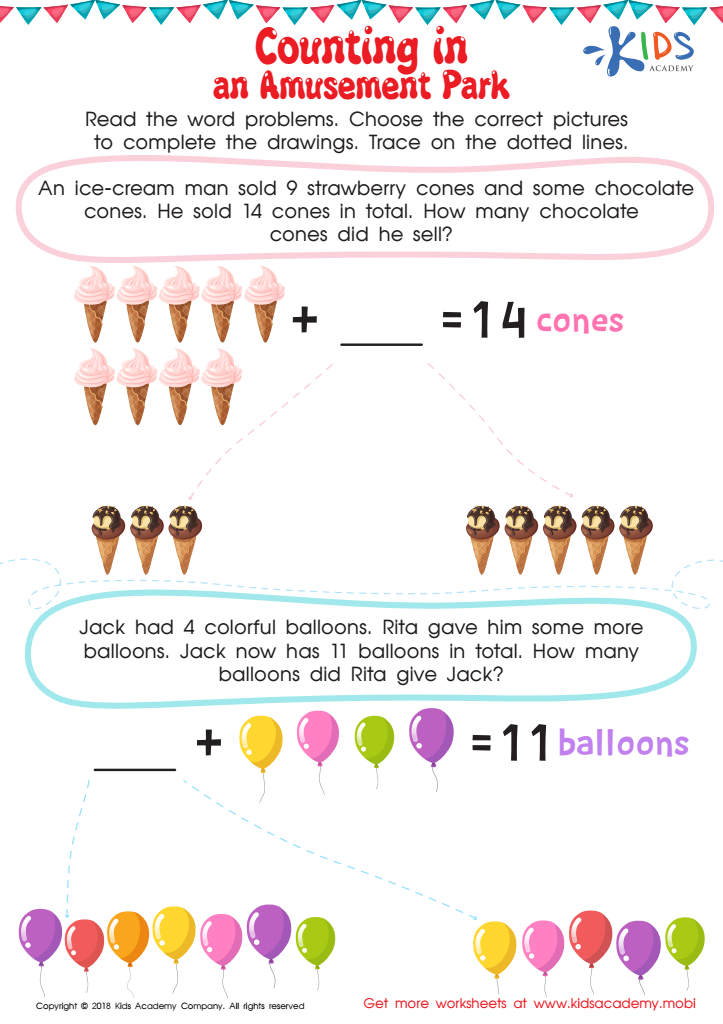
Counting in an Amusement Park Worksheet
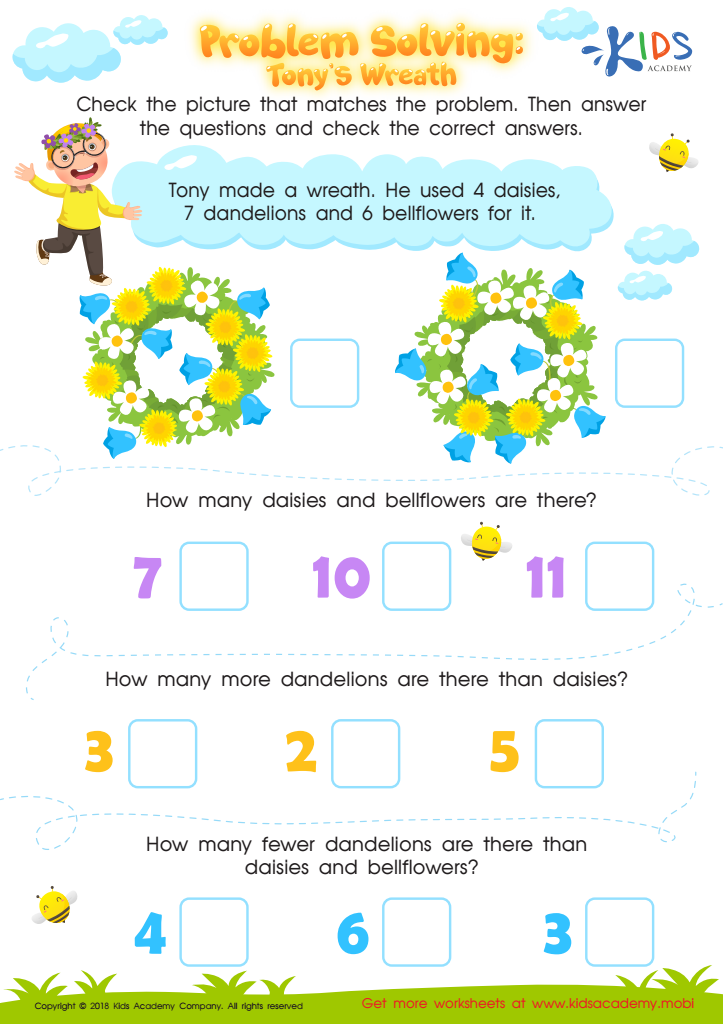
Problem Solving: Tony's Wreath Worksheet
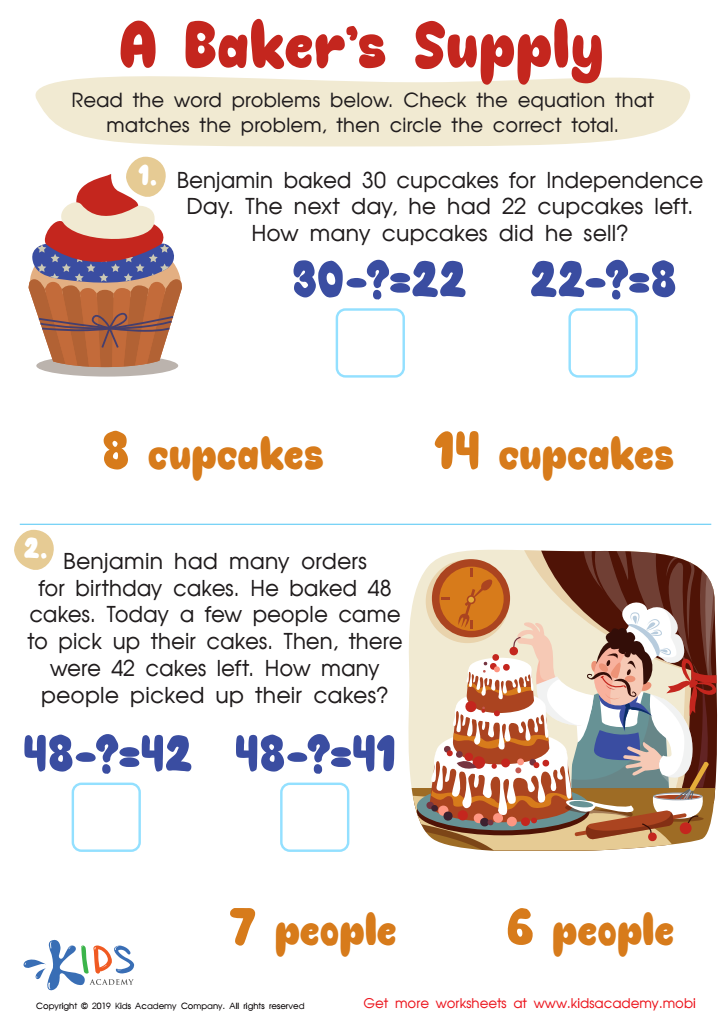
A Baker's Supply Worksheet








Counting practice and word problems in addition and subtraction are crucial for children aged 3-9 as they form the foundation of mathematical understanding. At this early stage, kids are developing their problem-solving skills, critical thinking, and numerical literacy. Engaging in word problems helps them to apply mathematical concepts to real-life situations, enhancing their reasoning abilities.
For parents and teachers, focusing on word problems can make math relatable and fun. It encourages children to visualize numbers in tangible scenarios, fostering mental math skills. As they work through these problems, youngsters learn to identify relevant information, making it easier to process mathematical operations.
Additionally, counting and basic operations promote fine motor skills and cognitive development. Early practice establishes a positive attitude toward math, reducing math anxiety in later years. Moreover, children exposed to varied problem types gain confidence, making them more adept at tackling complex concepts as they progress.
Involving children in these activities also strengthens the bond between parents and educators, as they collaborate to facilitate learning. Ultimately, prioritizing counting, addition, and subtraction practice equips children with essential skills that will serve them throughout their educational journey and everyday life, paving the way for future academic success.