Logical Reasoning Addition and Subtraction Word Problems Worksheets for Ages 3-9
5 filtered results
-
From - To
Our Logical Reasoning Addition and Subtraction Word Problems Worksheets for Ages 3-9 help young learners build fundamental math skills in an engaging way. These carefully crafted worksheets are designed to develop critical thinking by presenting real-life scenarios that require addition and subtraction. Ideal for both classroom and home learning, they boost children's ability to understand and solve problems logically. By practicing with these worksheets, kids enhance their math fluency, logical reasoning, and confidence. Get these printable activities to foster a love for math in your child while reinforcing essential education standards. Perfect for young curious minds!
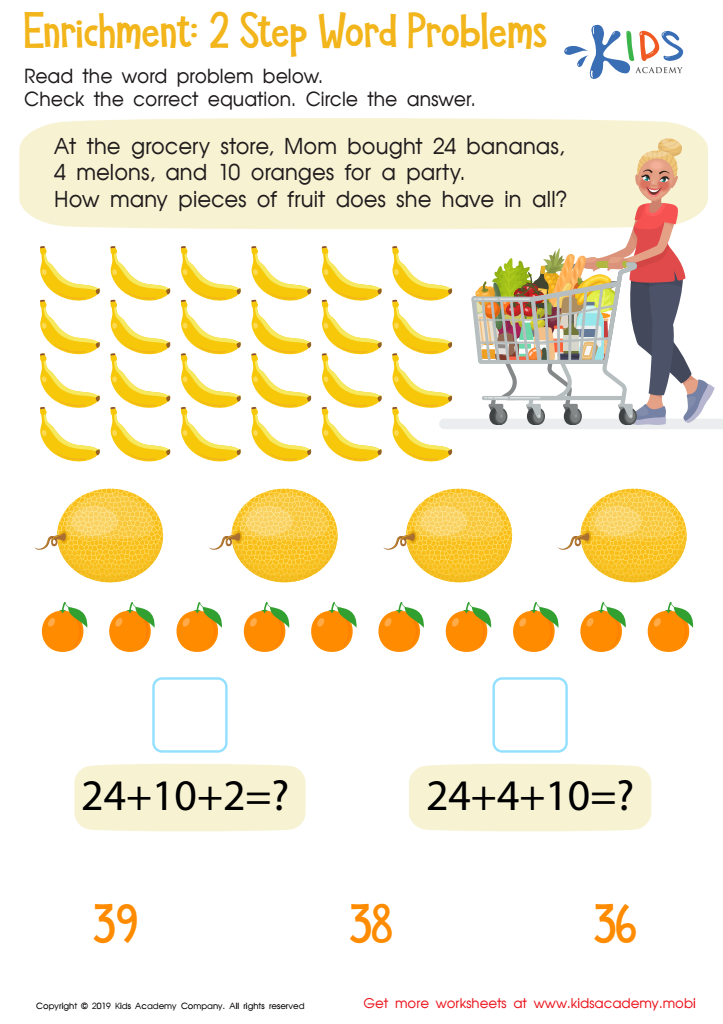
Enrichment -2 Step Word Problems Worksheet
 Assign to My Students
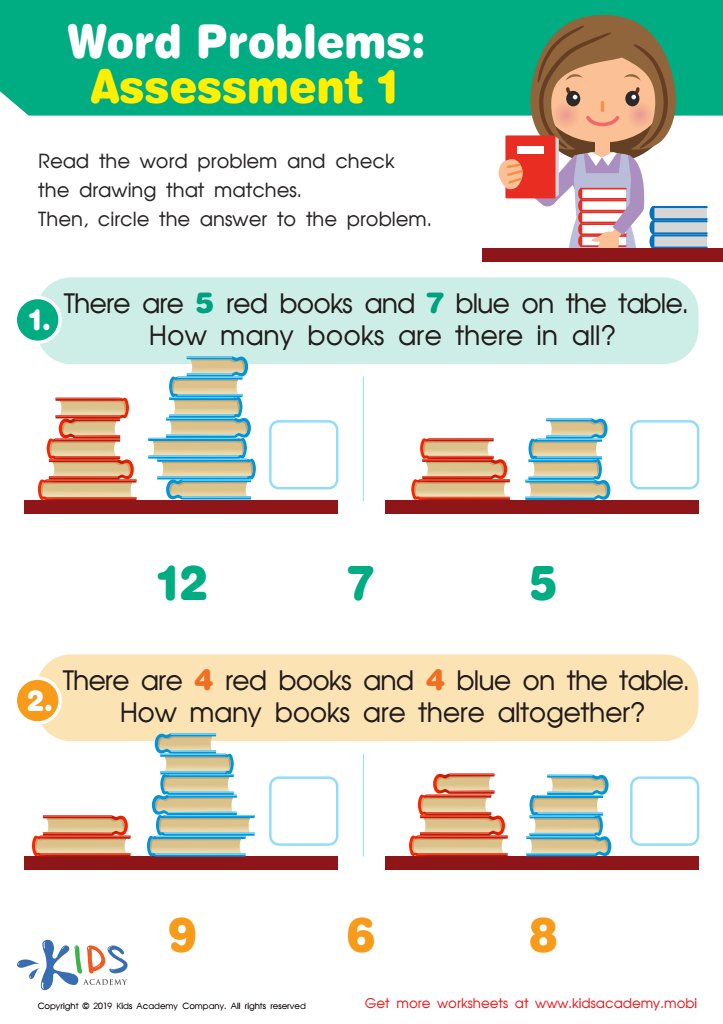
Word Problems: Assessment 1 Worksheet
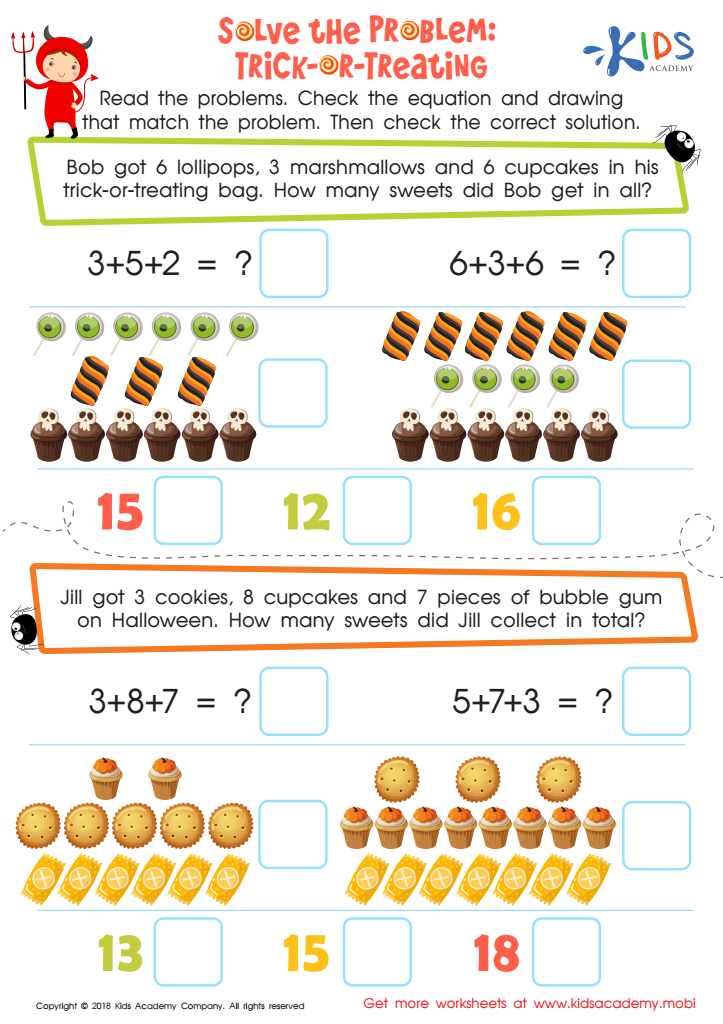
Solve the Problem: Trick–or–treating Worksheet
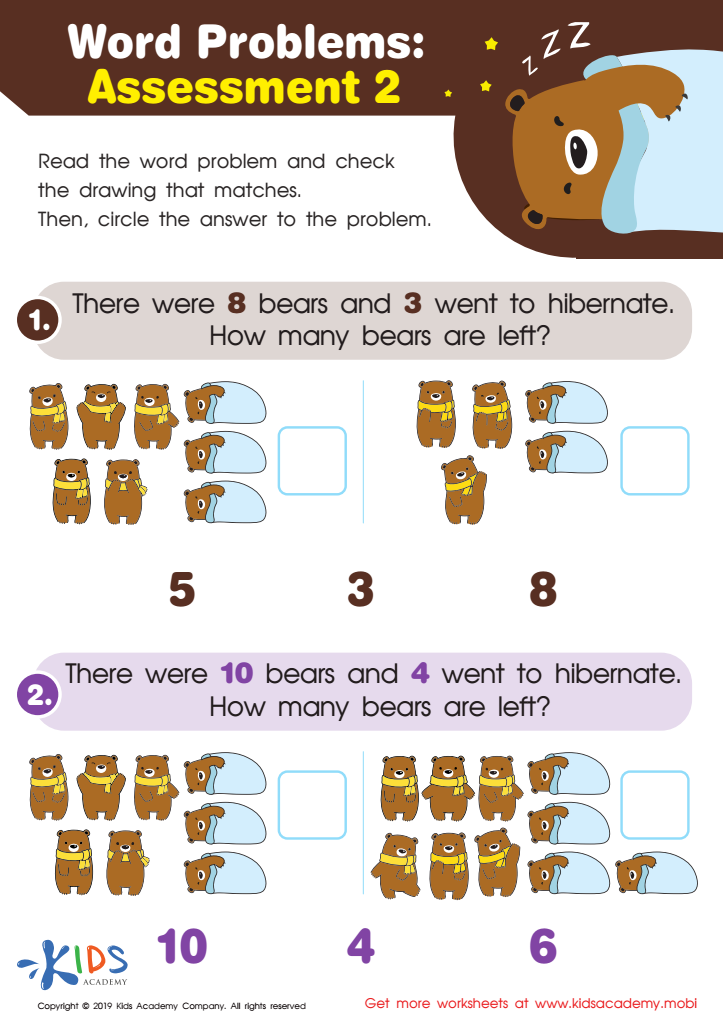
Word Problems: Assessment 2 Worksheet
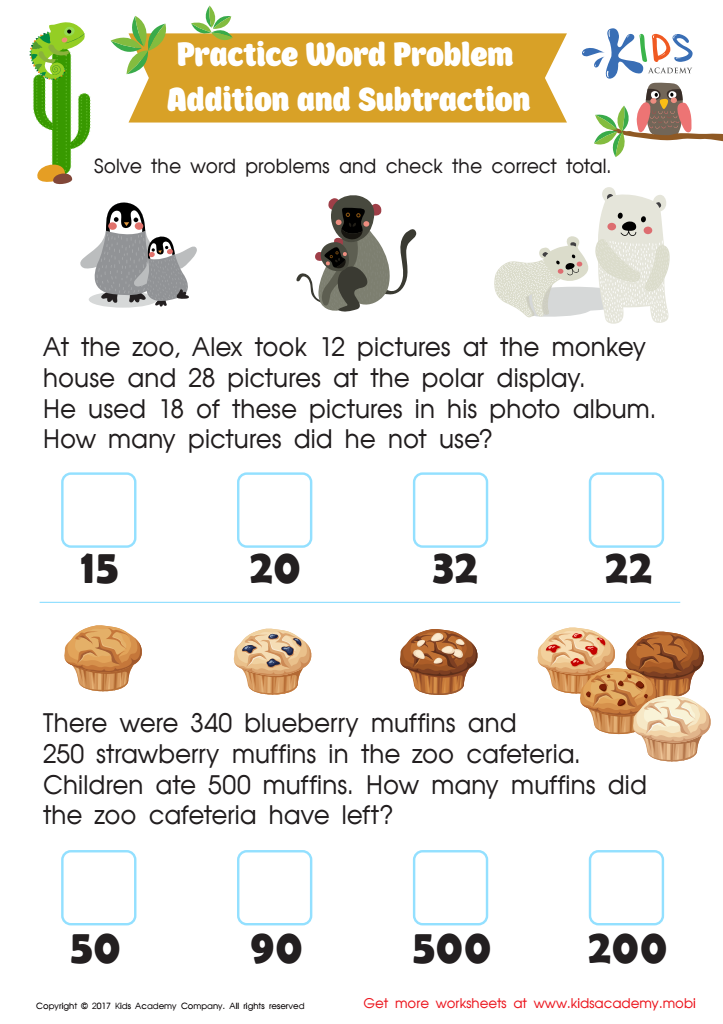
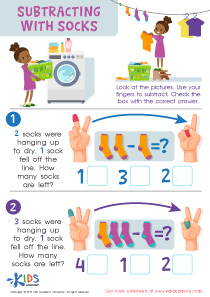
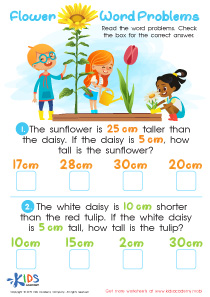
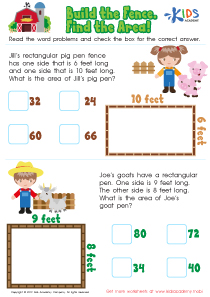
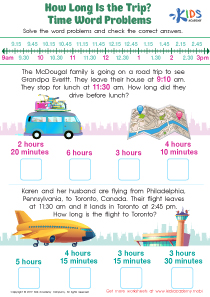
Addition and Subtraction: Word Problems Worksheet








Parents and teachers should care about logical reasoning addition and subtraction word problems for children ages 3-9 because these activities are fundamental building blocks of mathematical thinking and problem-solving skills. Engaging with such problems helps young children develop critical cognitive abilities like numerical literacy, which is essential for understanding more complex math topics in later school years. These problems invite kids to envision real-world scenarios, promoting practical application skills that boost their confidence in handling everyday tasks.
Moreover, these age-appropriate word problems enhance analytical thinking by requiring children to assess different parts of a problem, decide on appropriate operations (addition or subtraction), and reason through their answers logically. This helps in cultivating patience, attention to detail, and the ability to follow steps systematically. Important skills like pattern recognition, memory retention, and even language comprehension also benefit, as kids learn to parse narrative information accurately and link it with numerical data.
Finally, early positive experiences with math build a solid foundation and attitude towards the subject, which can prevent math anxiety in later years. Thus, prioritizing addition and subtraction word problems not only aids immediate academic growth but fosters long-term educational benefits, equipping youngsters with vital life skills that transcend academics.