Color differentiation Addition & Subtraction Worksheets for Ages 3-9
3 filtered results
-
From - To
Enhance your child's math and color recognition skills with our engaging Color Differentiation Addition & Subtraction Worksheets for ages 3-9. These carefully designed printable worksheets combine vibrant imagery with essential math problems, making learning both fun and effective. By solving addition and subtraction exercises distinguished by different colors, children not only improve their arithmetic abilities but also their capability to distinguish and understand colors. Perfect for early learners, these worksheets support cognitive development and provide a stimulating challenge that captures young imaginations and keeps them inspired. Ideal for use at home or in the classroom, start your child’s educational journey today!
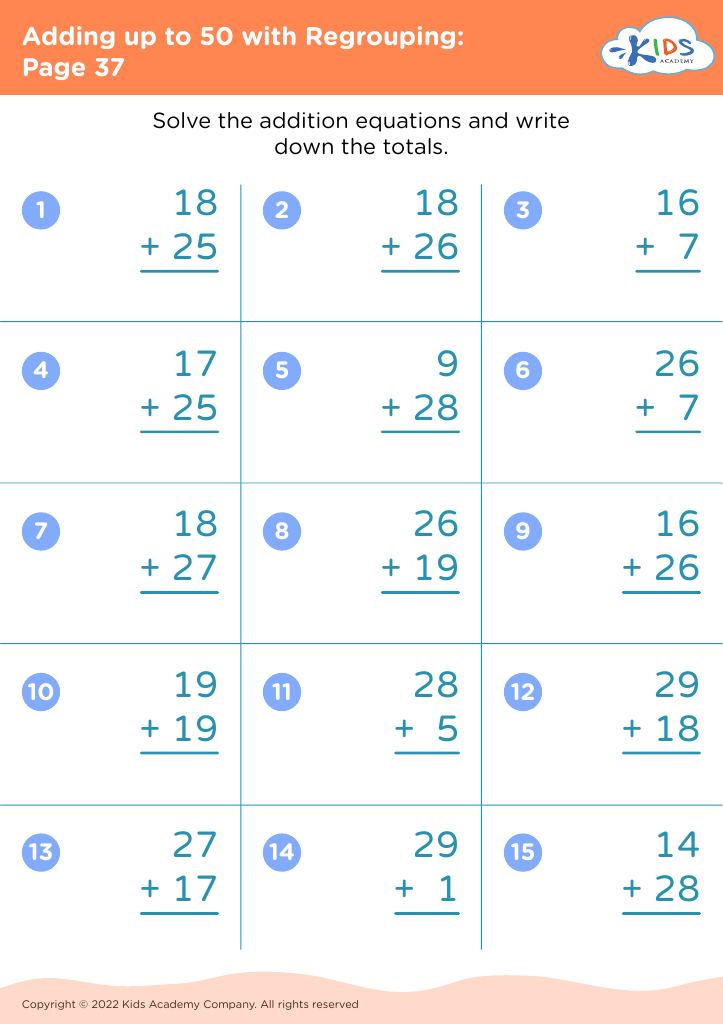
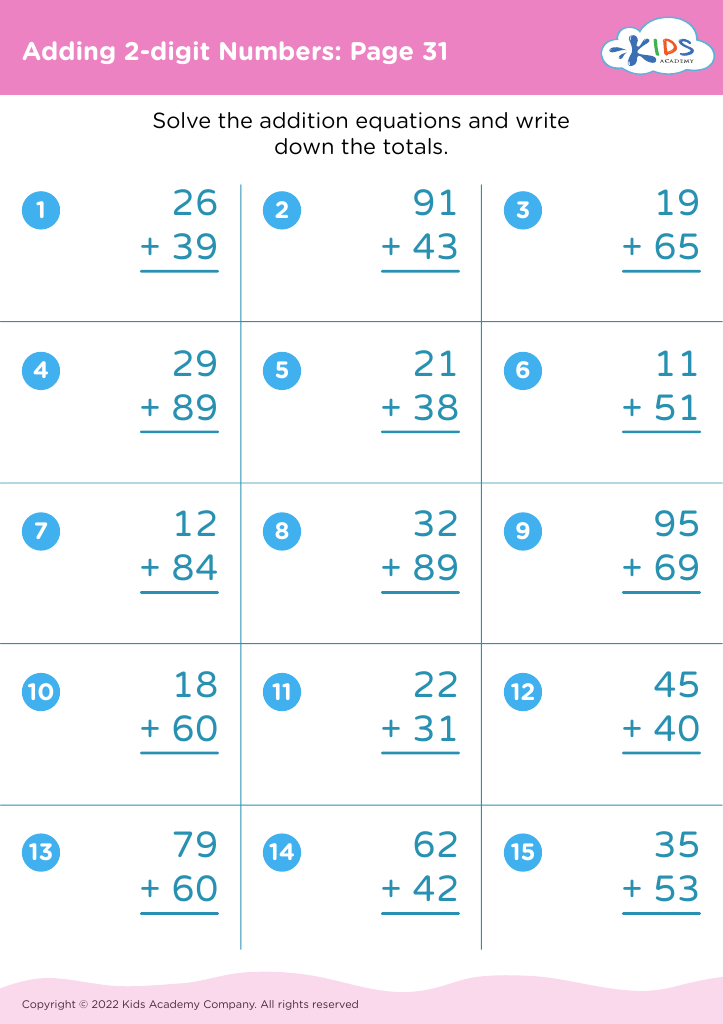
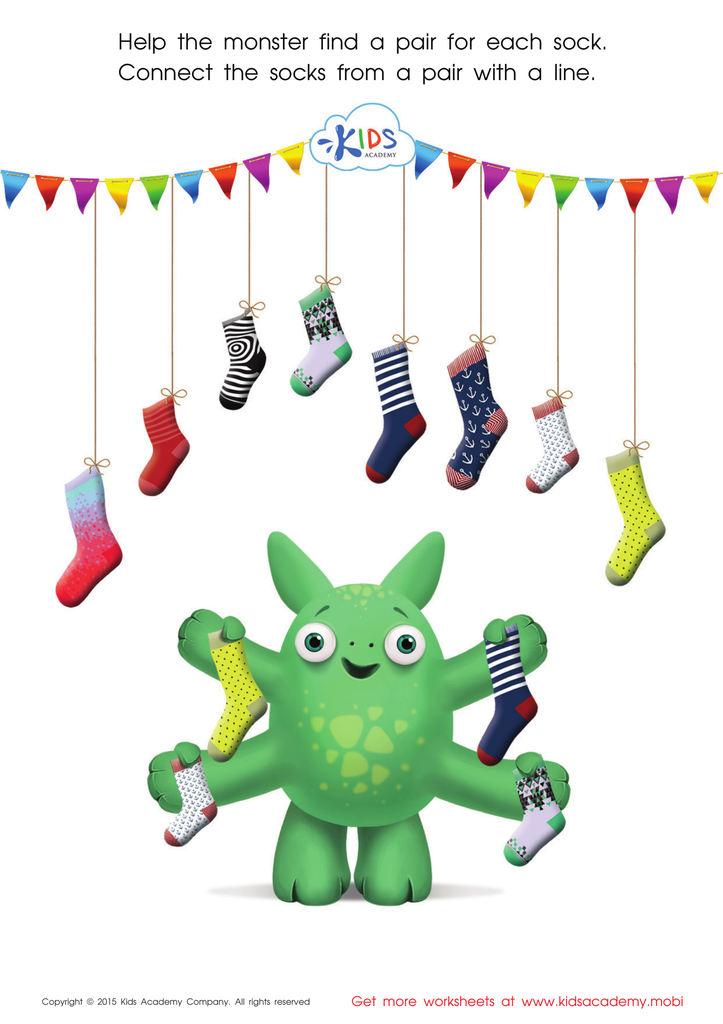
Math Matching Pairs Game: Monsterв's Socks Worksheet








Color differentiation, addition, and subtraction are foundational concepts critical to the development of young children, ages 3-9, for several reasons. Firstly, color recognition is an essential early cognitive skill that aids in identifying and categorizing the world around them. The more adept children become at distinguishing colors, the better they understand their environment and improve their daily functioning, such as following instructions like “red means stop” or being able to choose specific colored objects.
Integrating addition and subtraction into their skill set introduces them to basic mathematical concepts that form the foundation for all future learning in math. Mastering these early arithmetic skills helps build numeracy, which is crucial not just for classroom learning but also for everyday problem-solving and decision-making.
Combined, teaching children color differentiation alongside addition and subtraction can make learning more engaging and more effective. Using colorful objects or visuals in mathematical exercises can help hold their attention better and make abstract concepts more tangible. For example, using colored blocks to teach addition helps children visually see what is happening as they combine objects.
In gaining proficiency in these areas, children strengthen their critical thinking, hone their ability to follow multi-step instructions, and build confidence in their academic capabilities—all of which are important for their overall growth and eventual academic success.








