
Develop analytical thinking Addition & Subtraction Worksheets for Ages 3-9
3 filtered results
Difficulty Level
Grade
Age
-
From - To
Subject
Activity
Standards
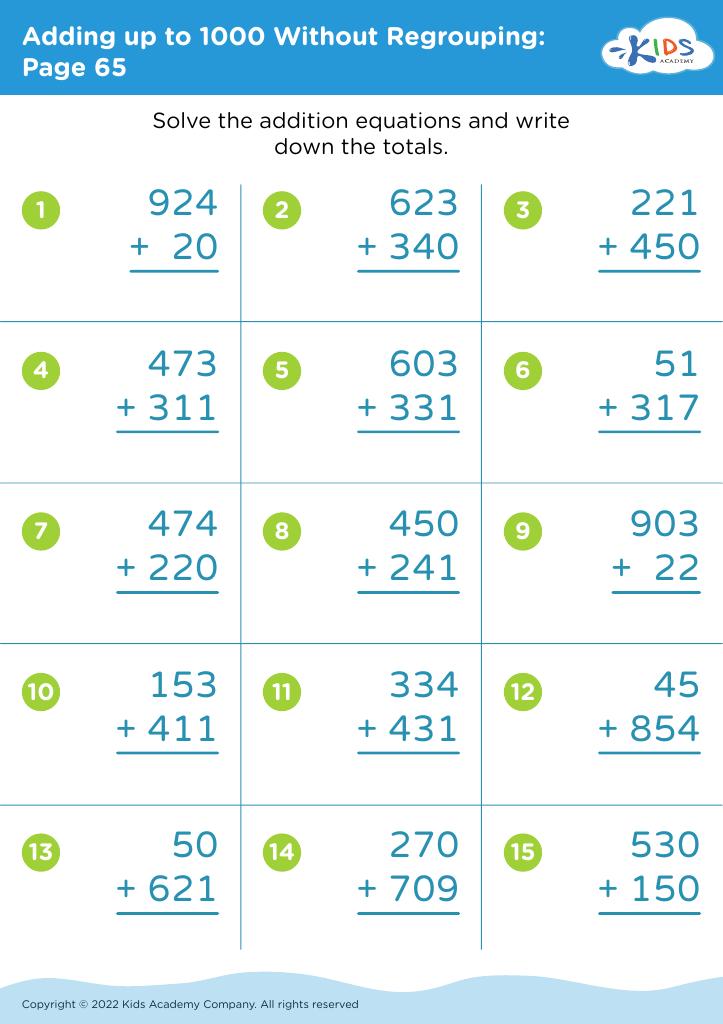
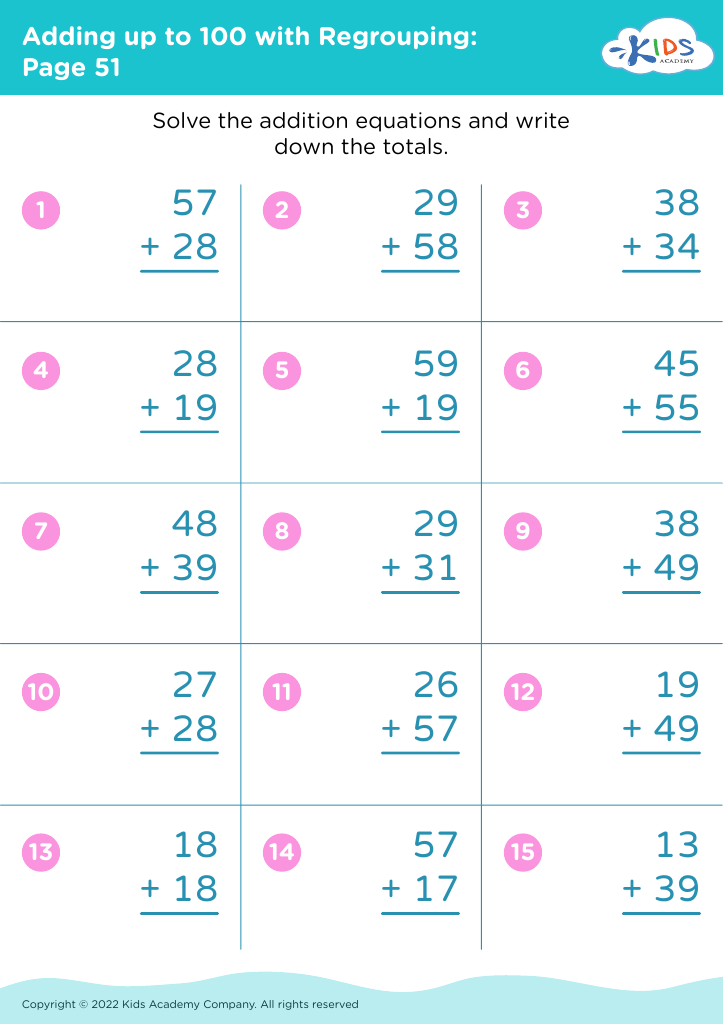
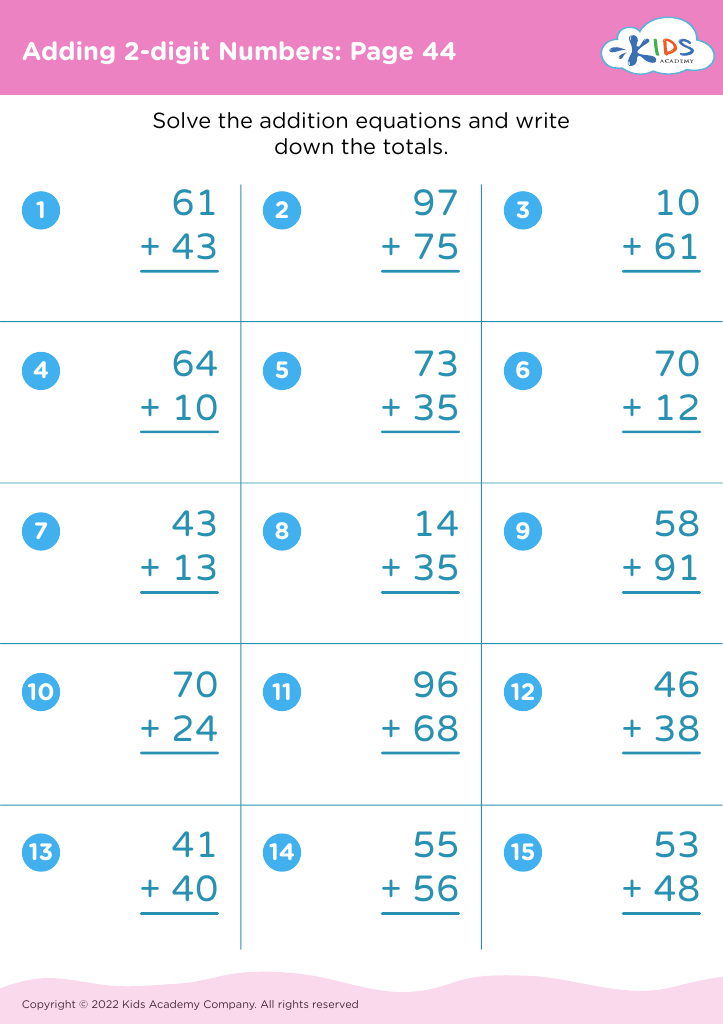
Unlock the power of analytical thinking in young learners with our engaging Addition and Subtraction Worksheets designed for ages 3-9. These worksheets not only reinforce basic math skills but also encourage problem-solving and critical thinking. Each activity is crafted to challenge students in a fun, interactive way, promoting cognitive development alongside math proficiency. Children will explore numbers through colorful imagery and relatable scenarios, making learning enjoyable and effective. Perfect for classrooms or at-home practice, our resources ensure that kids build a strong foundation in math while developing essential analytical skills. Start the journey towards confident math mastery today!
Favorites
With answer key
Interactive
Join Kids Academy for Free
Who is primarily going to use this learning content?








Developing analytical thinking skills in children, particularly in the context of addition and subtraction, is crucial for their overall cognitive growth and problem-solving abilities. For children ages 3-9, engaging in these foundational mathematical concepts fosters a deeper understanding of numbers and their relationships. When parents and teachers encourage analytical thinking through math, children learn to approach problems systematically, breaking them down into manageable parts. This cultivates patience, resilience, and a growth mindset, essential traits for lifelong learning.
Moreover, mastery of basic arithmetic lays the groundwork for more advanced mathematical concepts as children progress in their education. By instilling strong analytical skills early, educators help children connect math to real-life situations, enhancing their ability to reason and make informed decisions. Early proficiency in addition and subtraction also builds confidence in young learners, creating a positive attitude toward mathematics and reducing anxiety as they advance.
Involving parents in this process can strengthen the home-school connection, encouraging children to apply what they learn in engaging, everyday situations. As both a foundation for academic success and practical life skills, developing analytical thinking in addition and subtraction is essential for nurturing well-rounded, critical thinkers ready to tackle future challenges.








