Fine motor skills (writing) Addition & Subtraction Worksheets for Ages 3-9 - Page 2
40 filtered results
-
From - To
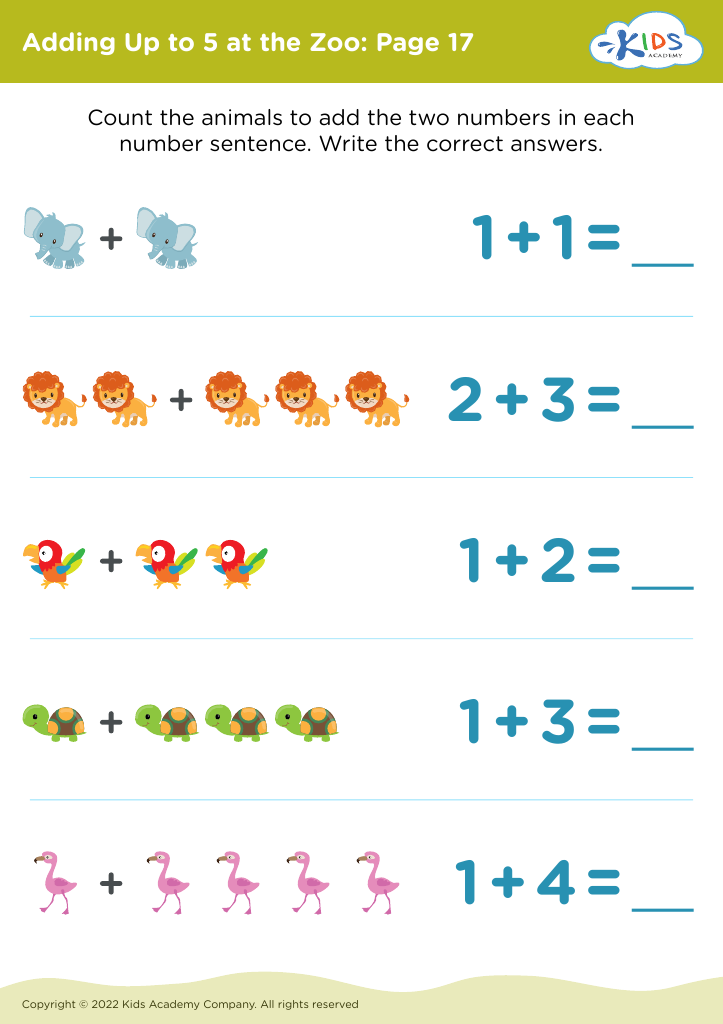
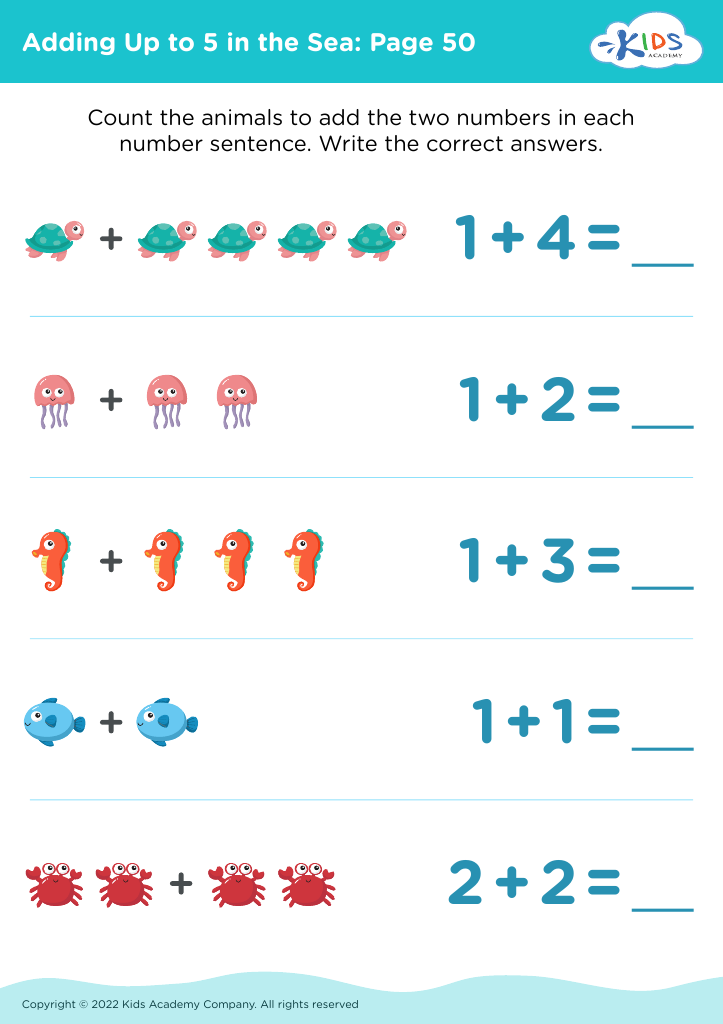
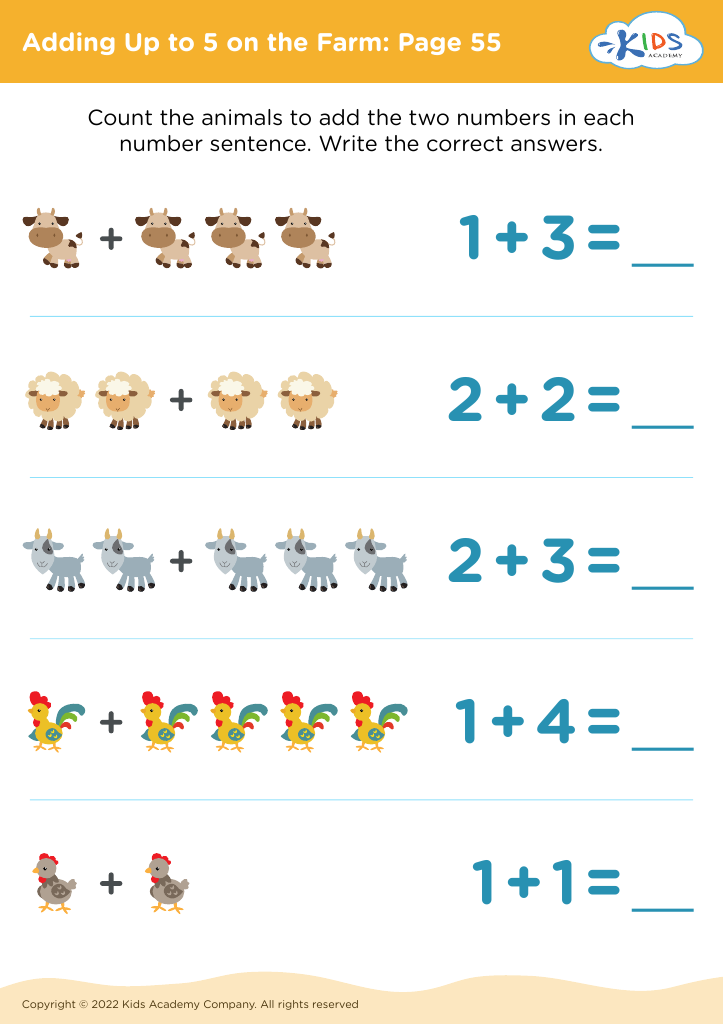
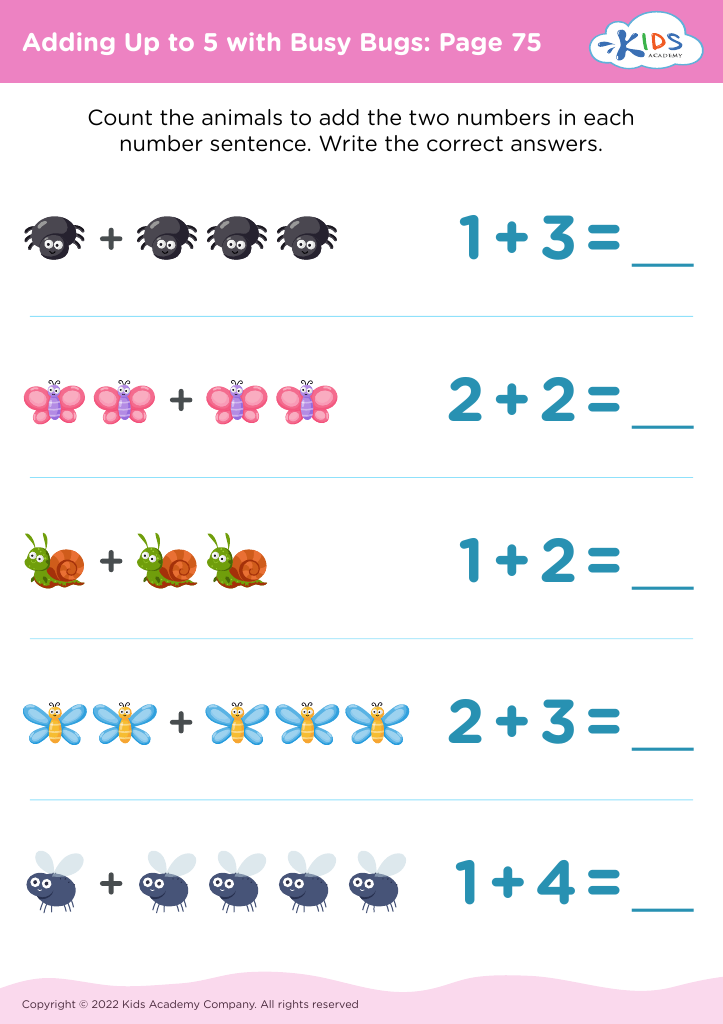
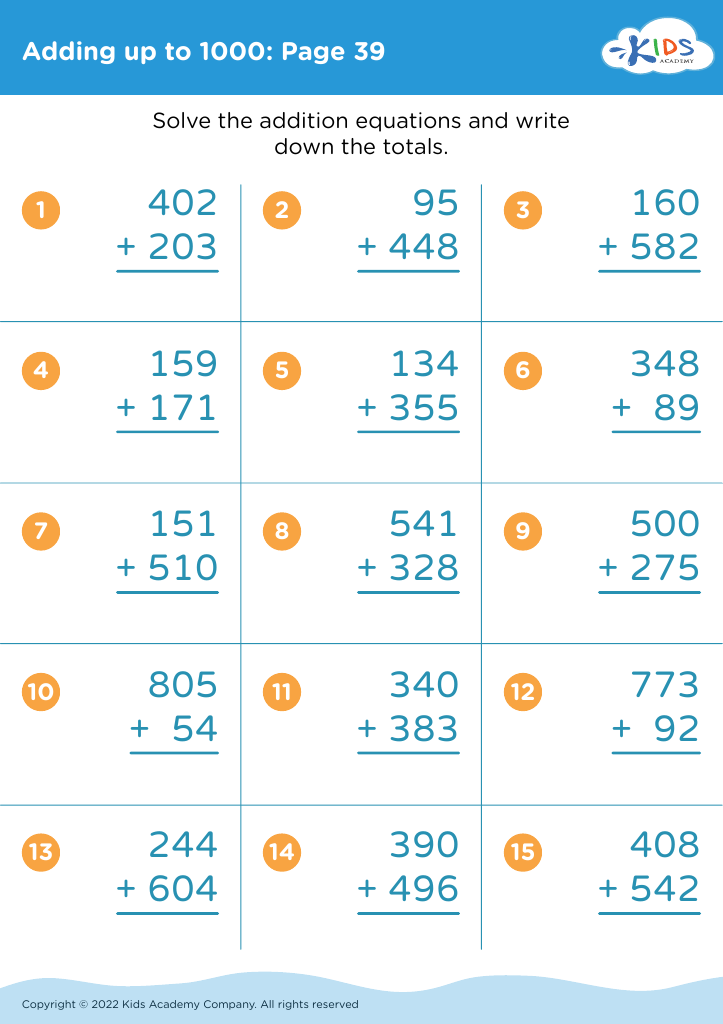
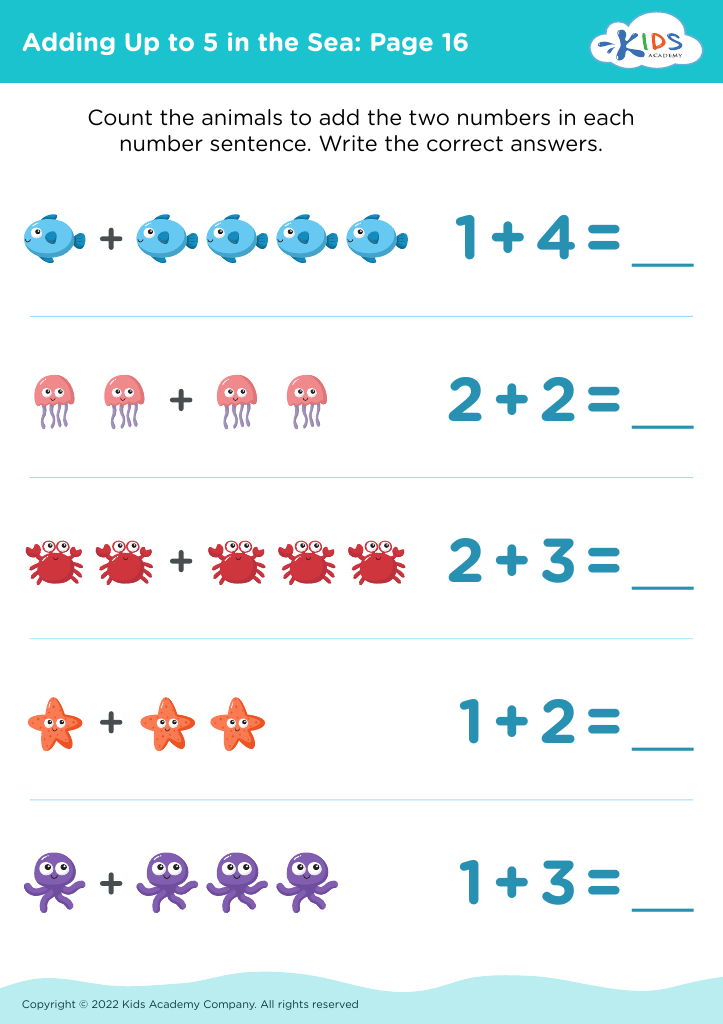
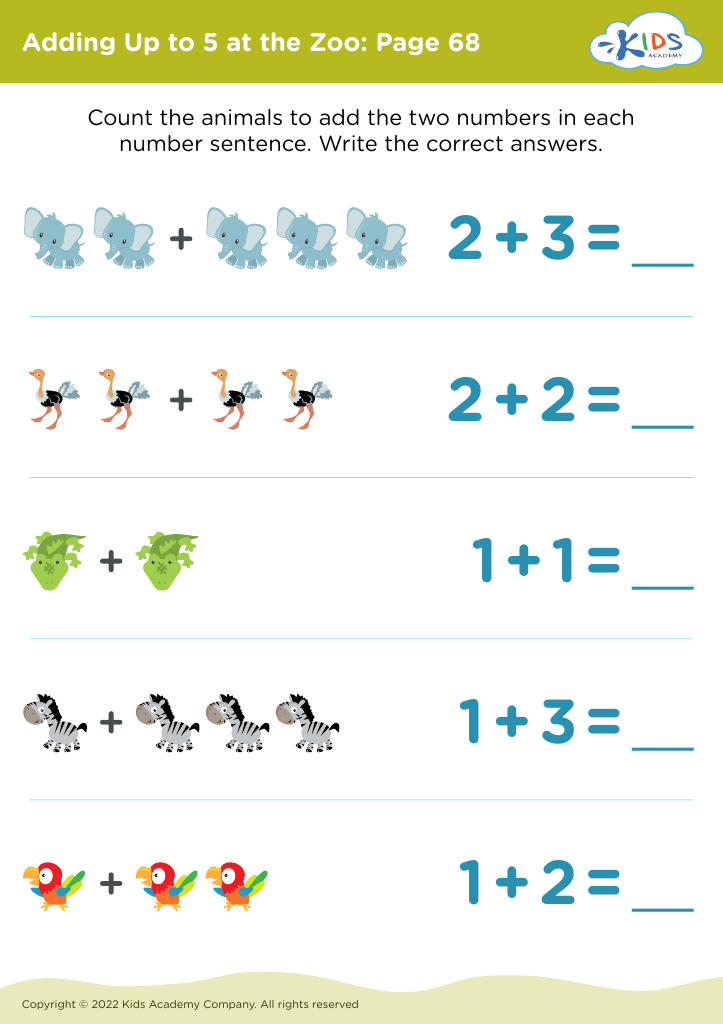
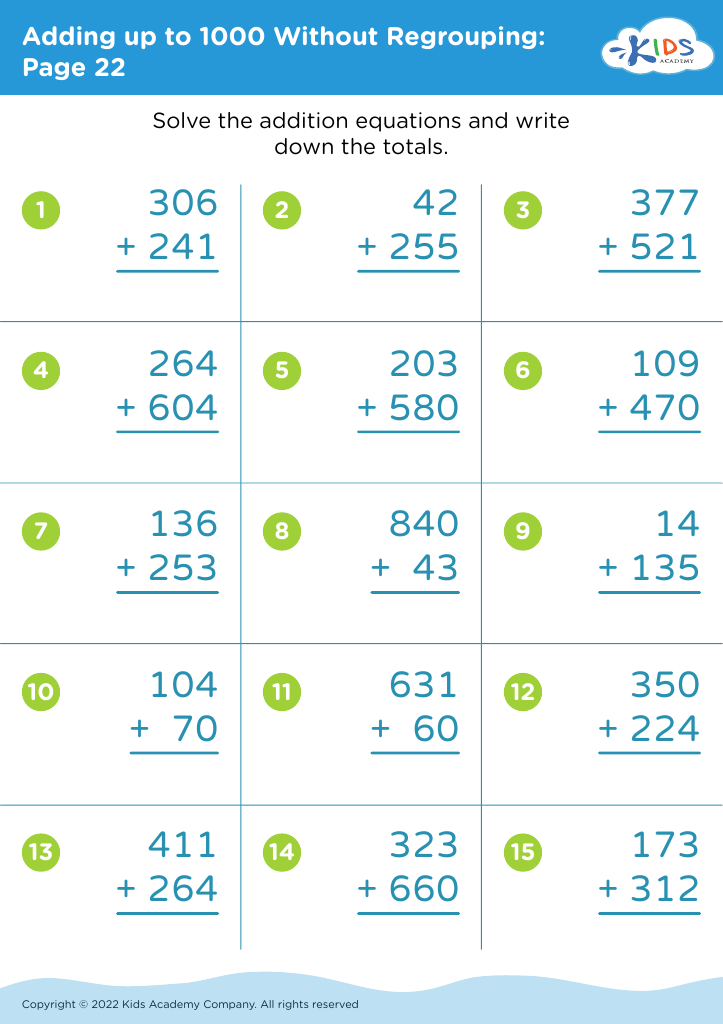
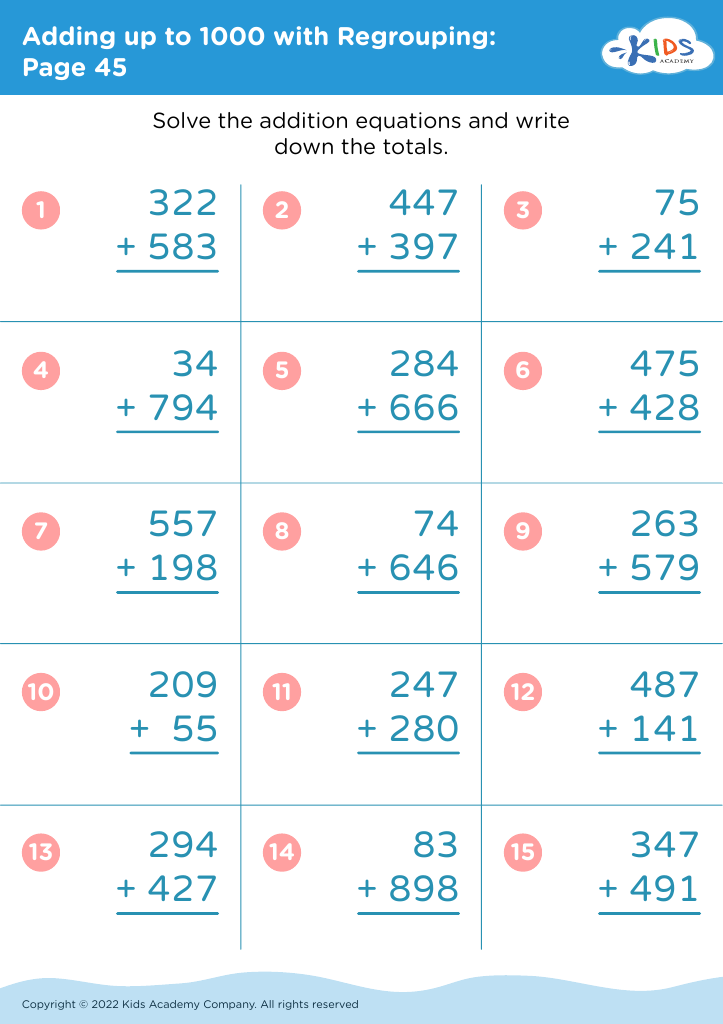
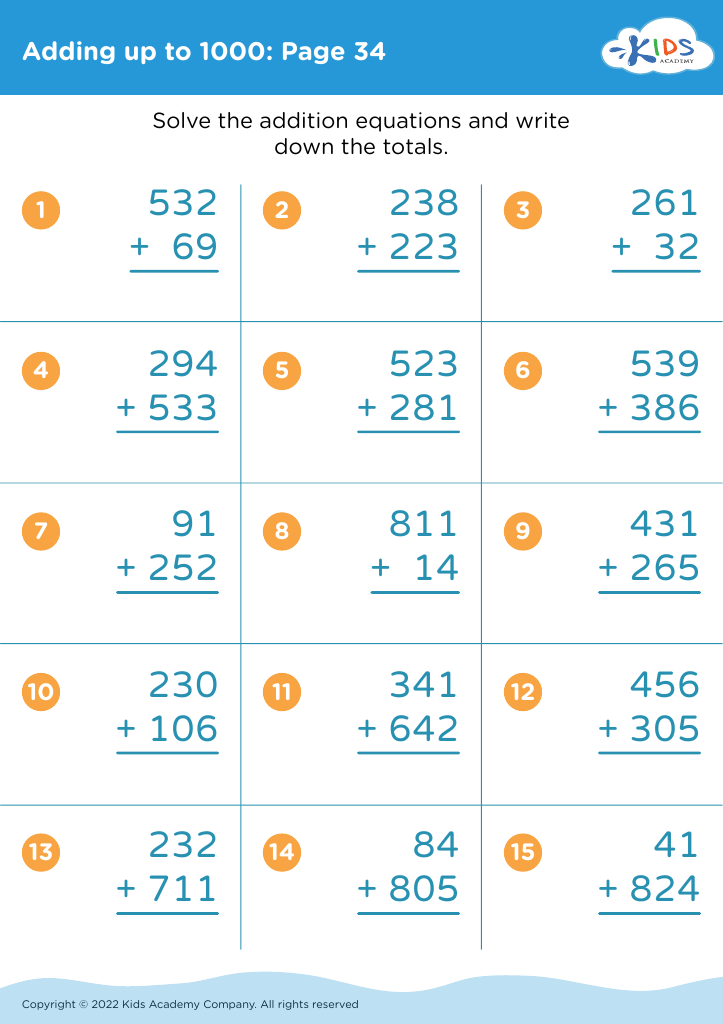
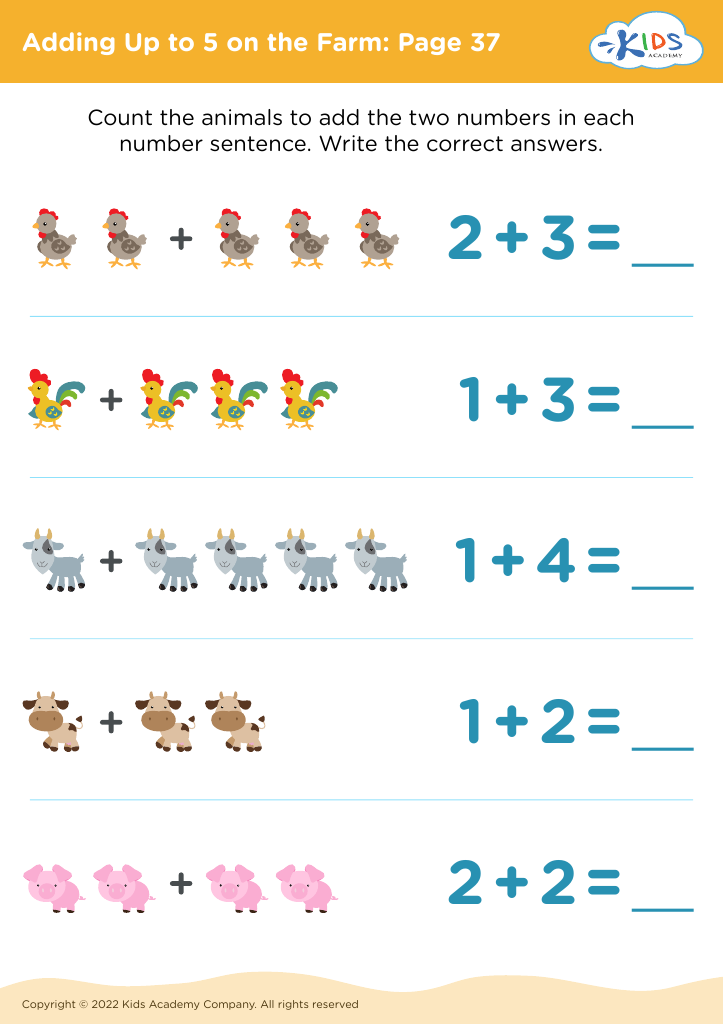
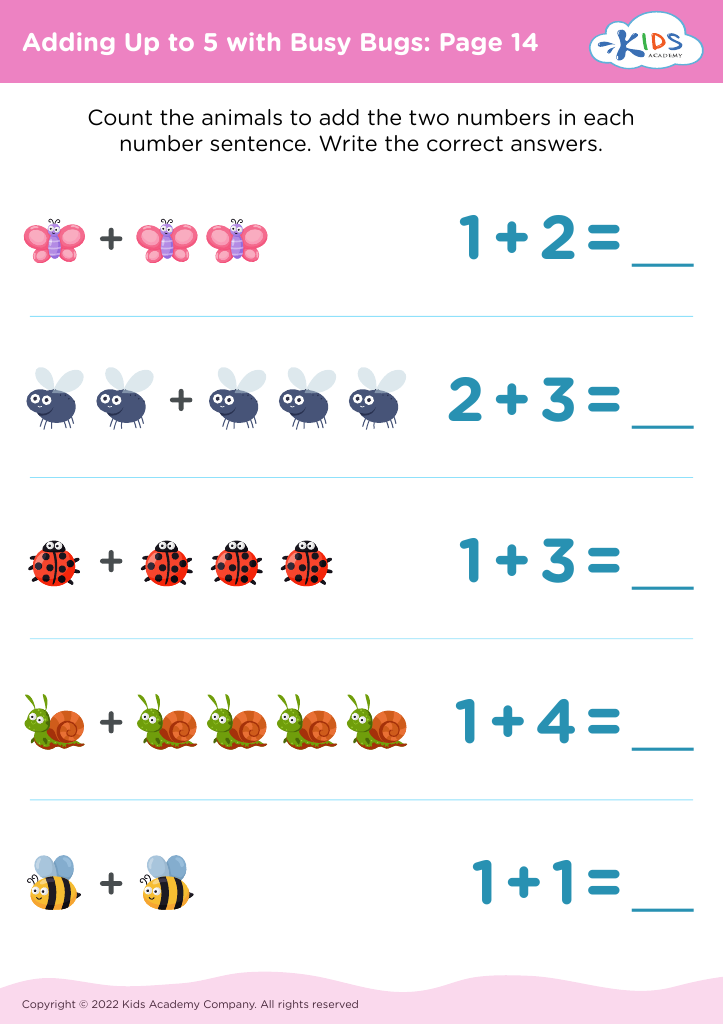
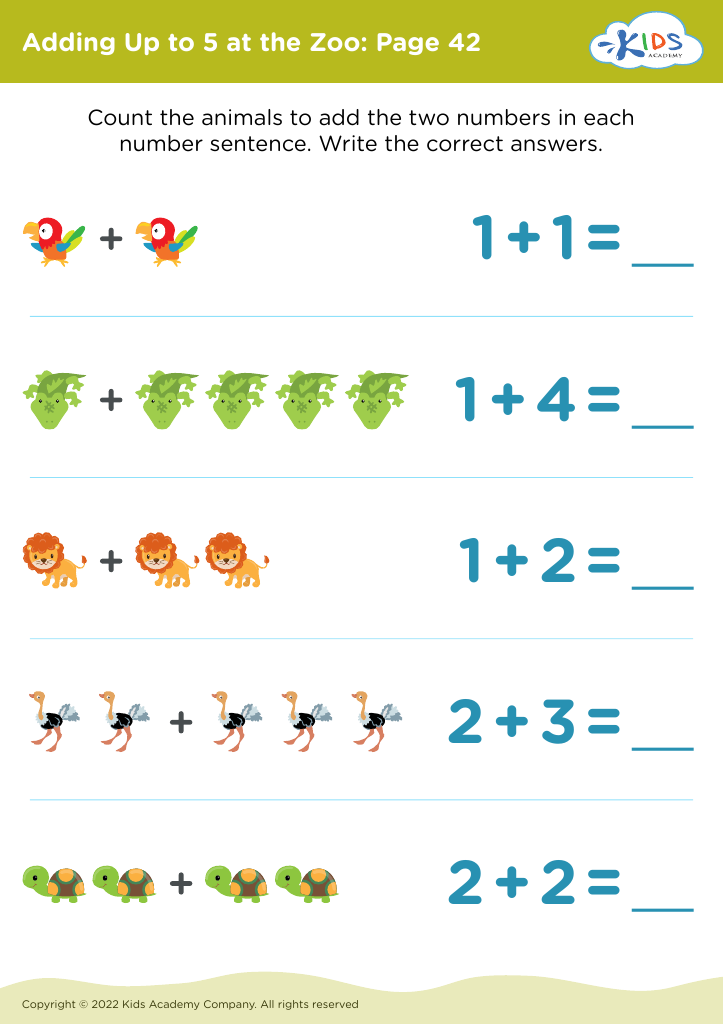
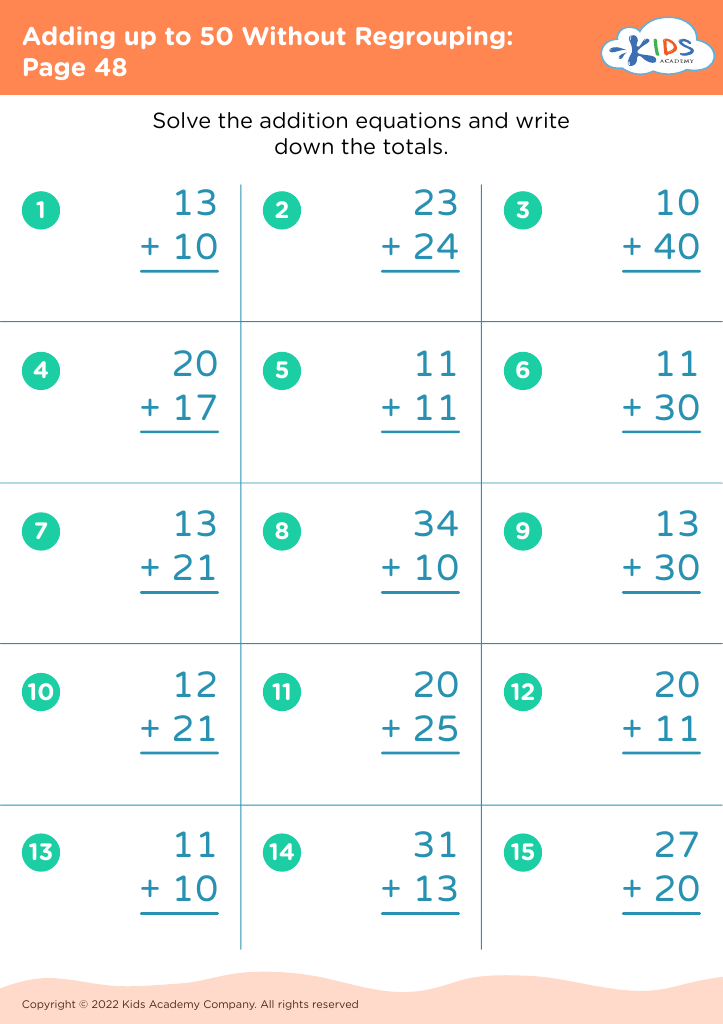
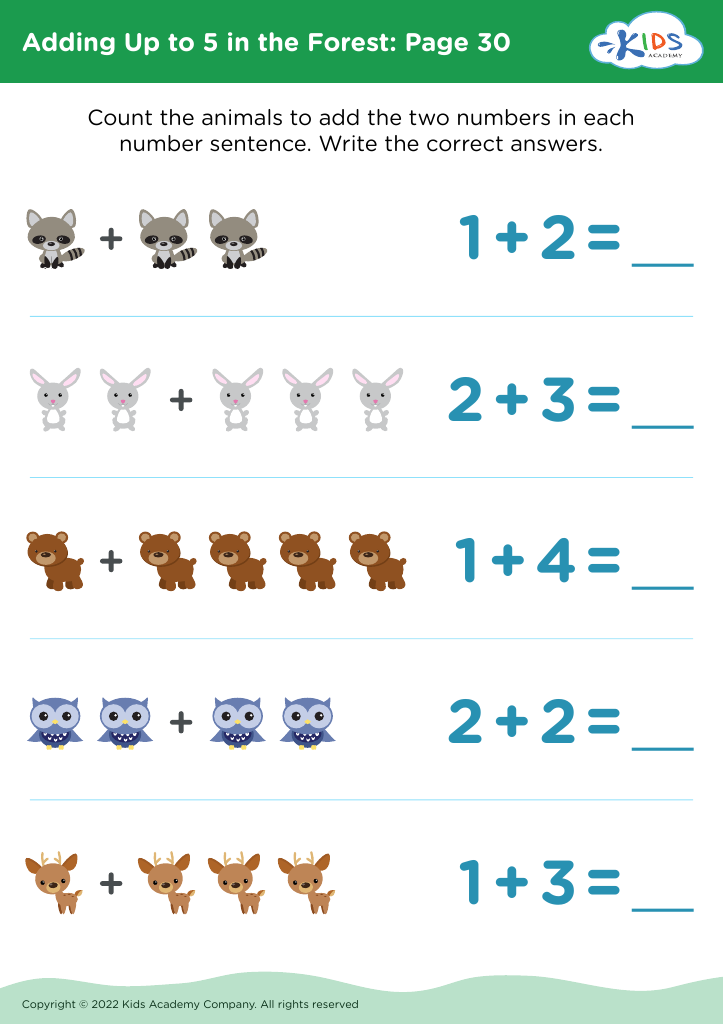
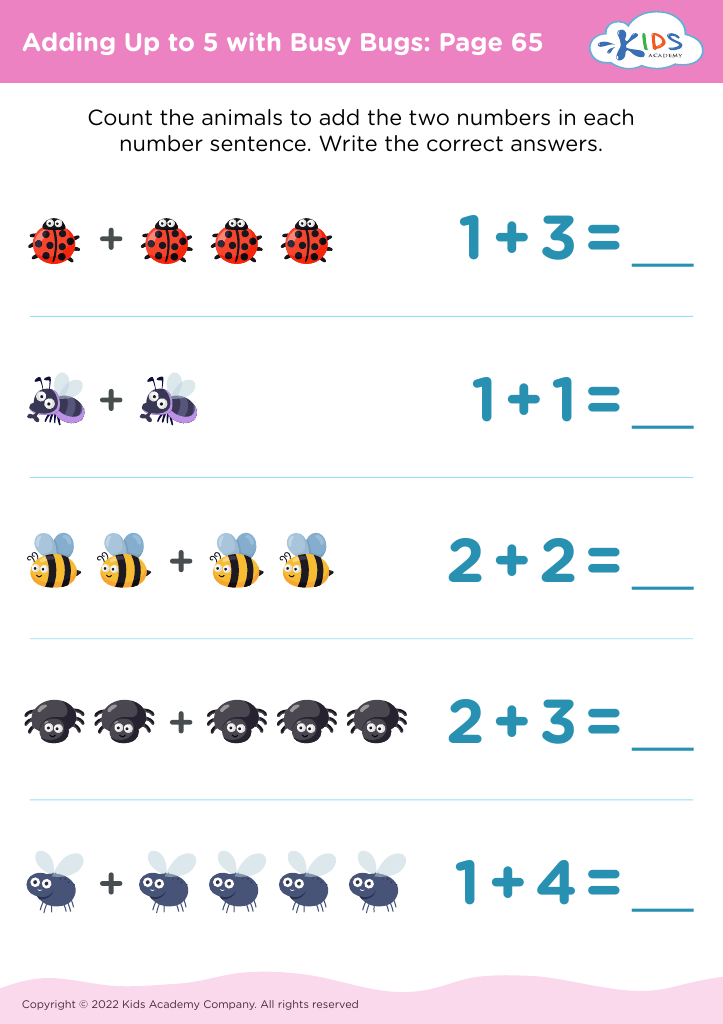








Fine motor skills are crucial for children's development, especially between the ages of 3-9. These skills involve the coordination of small muscles in the hands and fingers, which significantly impact a child's ability to perform everyday tasks, including writing and handling tools. As children learn to write, they develop not just their hand strength and control but also their cognitive abilities linked to literacy and numeracy tasks.
Addition and subtraction are foundational math skills that require fine motor coordination when children use manipulatives or write out problems. Parents and teachers should recognize that a child who struggles with writing might also encounter difficulties in mathematical tasks, impacting their confidence and academic performance.
Furthermore, developing these skills early on can enhance a child's ability to focus, follow instructions, and communicate thoughts clearly. Engaging children in fun activities that promote fine motor agility, like cutting, drawing, or playing with small items, will prepare them for more complex learning scenarios. By nurturing these skills, parents and teachers set children on a path to success in both their academic journey and everyday life. Investing in early fine motor skill development pays significant dividends in children's overall growth and learning abilities.








