
Handwriting practice Addition & Subtraction Worksheets for Ages 3-9
5 filtered results
Difficulty Level
Grade
Age
-
From - To
Subject
Activity
Standards
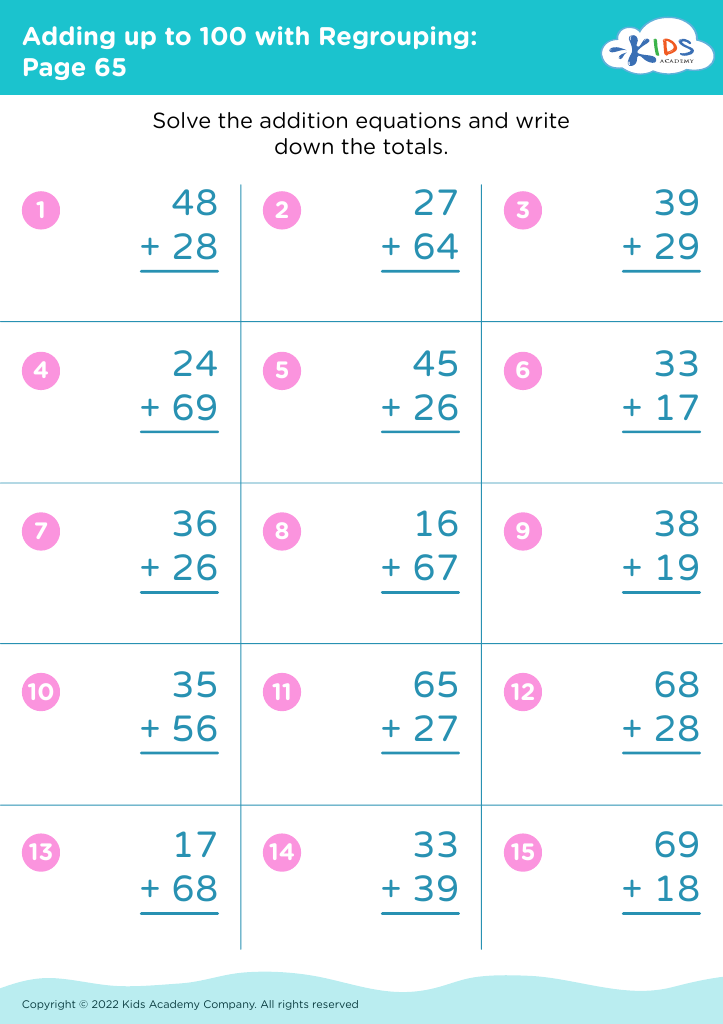
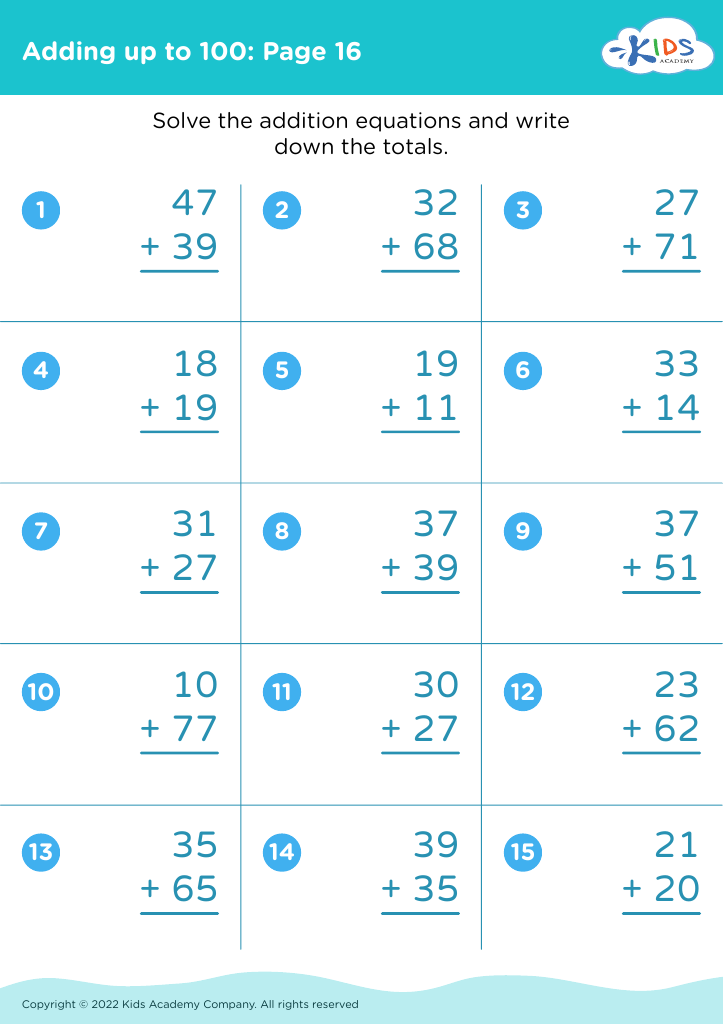
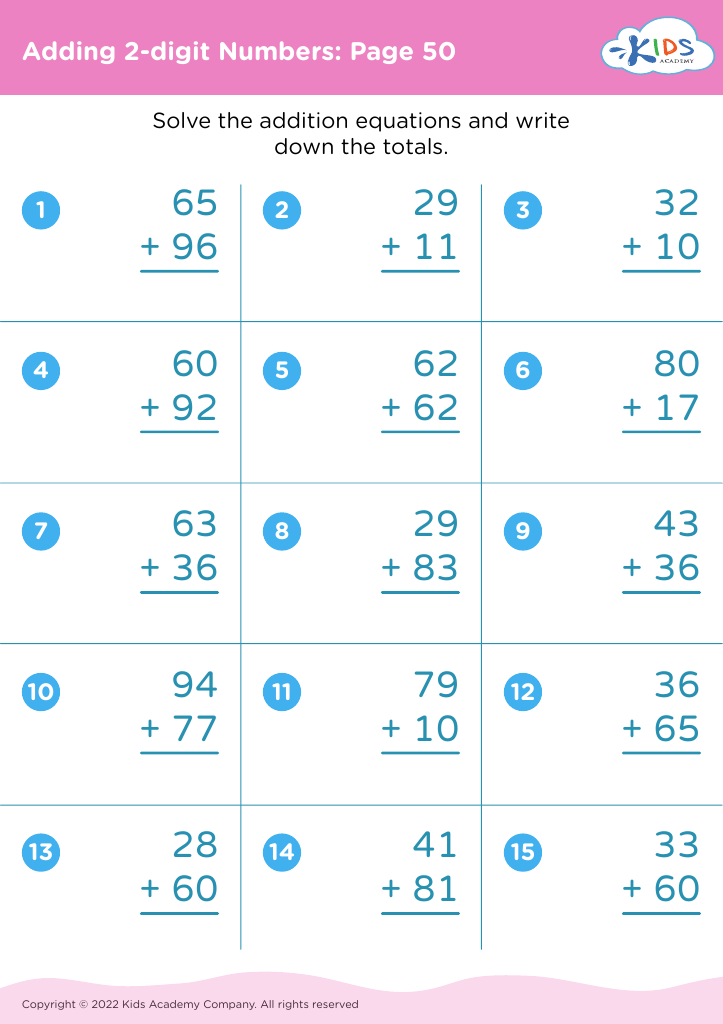
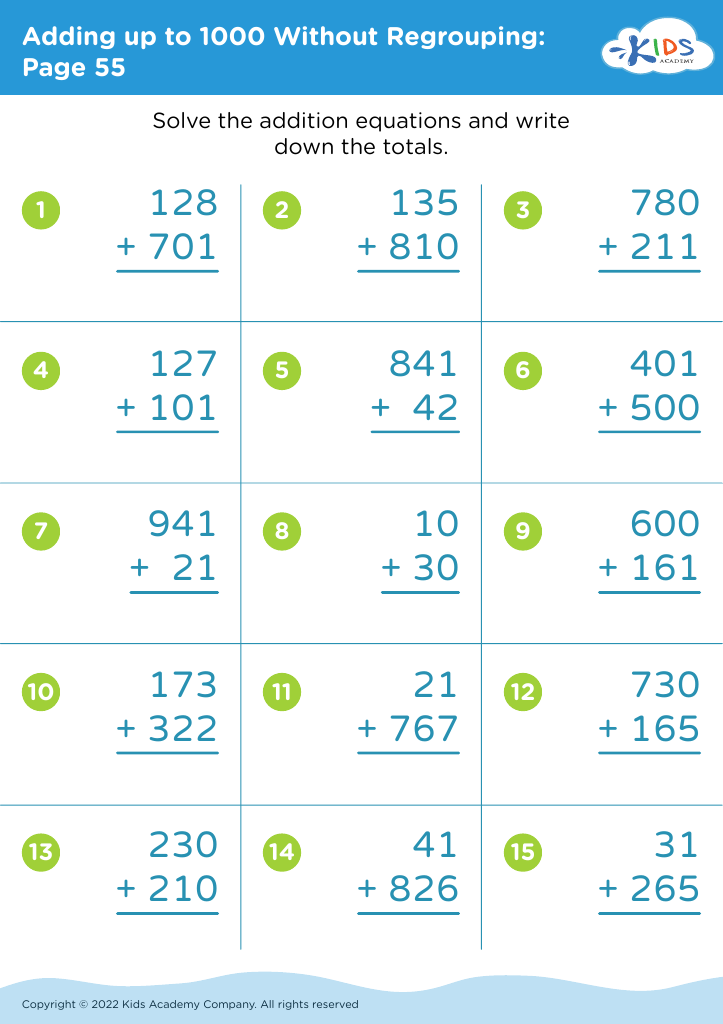
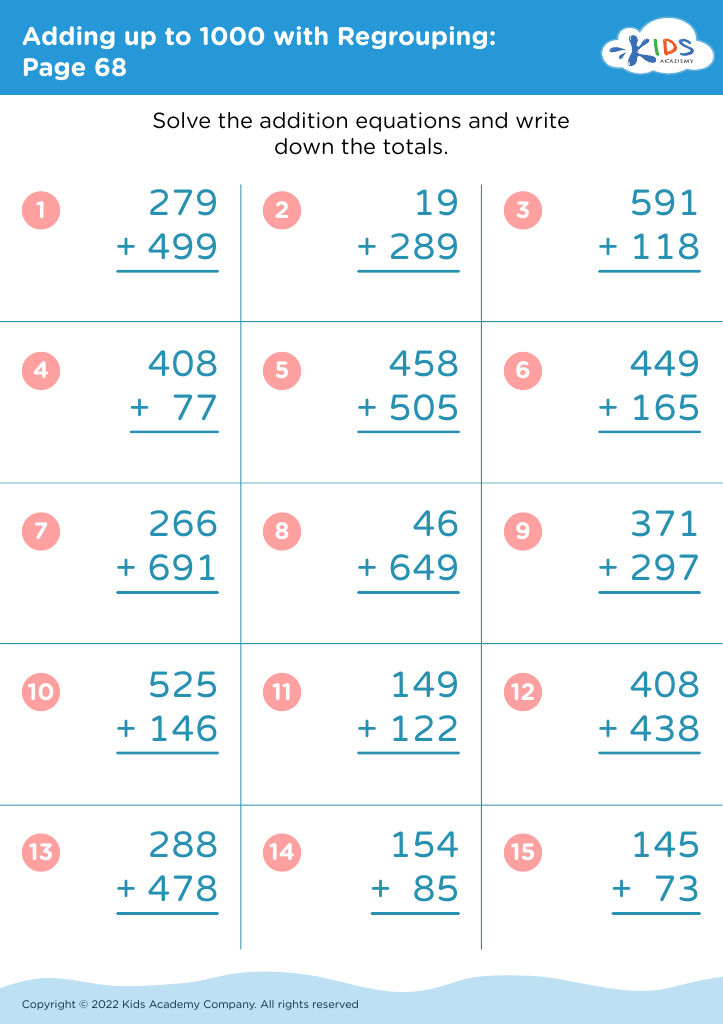
Enhance your child's math and handwriting skills with our "Handwriting Practice Addition & Subtraction Worksheets for Ages 3-9." These engaging worksheets are designed to bolster fine motor skills while reinforcing essential arithmetic concepts. By practicing addition and subtraction problems, children also improve their penmanship and number formation. Our age-appropriate, fun exercises ensure that young learners stay motivated and build confidence in their mathematical abilities. Ideal for home or classroom use, these versatile resources support academic success and make learning enjoyable. Join us in helping your child master the basics of math with effective handwriting practice.
Favorites
With answer key
Interactive
Join Kids Academy for Free
Who is primarily going to use this learning content?








Handwriting practice in addition and subtraction is critical for young learners, ages 3-9. Firstly, it builds foundational skills in mathematics. During these formative years, children's brain development is highly receptive to new information. Regular practice helps solidify core mathematical concepts essential for higher-level math.
Handwriting these exercises also enhances fine motor skills. The act of writing stimulates muscle movement and coordination in the hands, which is crucial for writing fluency. This not only improves aptitude in math but also boosts overall academic performance.
Moreover, handwriting practice aids cognitive development and attention to detail. Concentrating on forming numbers correctly and applying mathematical function fosters mental focus and discipline. These skills gain significance outside math, benefiting all areas of learning, including reading and writing. Research also shows that when children physically write down information, retention and comprehension rates increase.
Incorporating addition and subtraction into handwriting practice additionally instills a sense of achievement and confidence. As children see their improvement, they gain confidence in their academic capabilities, setting a strong foundation for lifelong learning and problem-solving skills. Thus, nurturing these abilities is essential for parents and teachers who aim to provide comprehensive and effective early education.








