
Practice multiplication Addition & Subtraction Worksheets for Ages 3-9
8 filtered results
Difficulty Level
Grade
Age
-
From - To
Subject
Activity
Standards
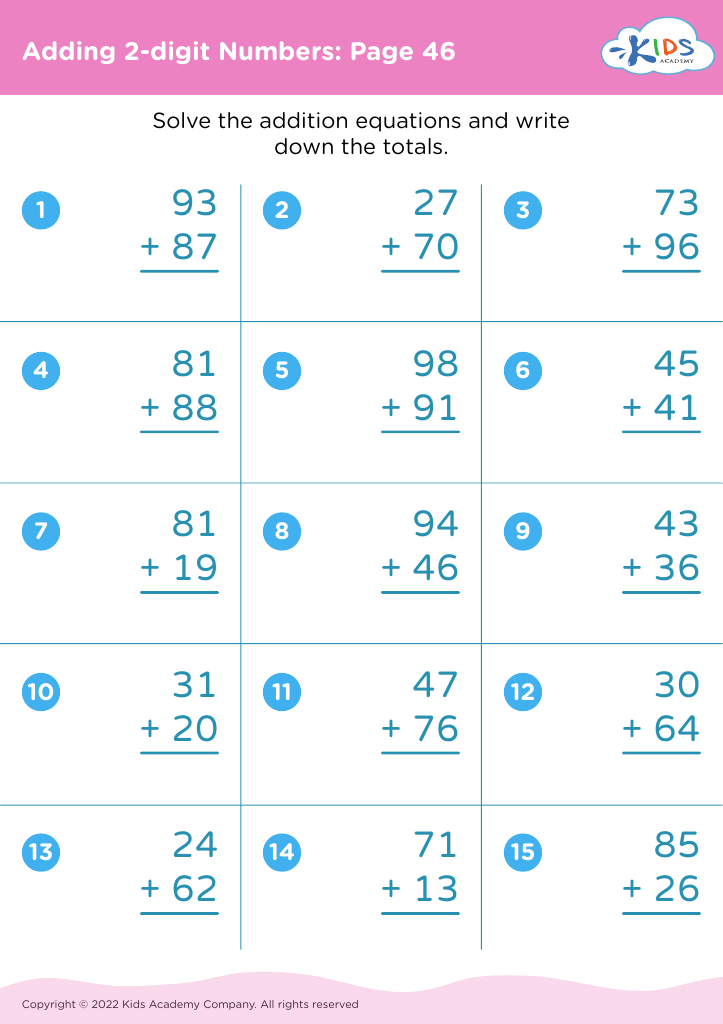
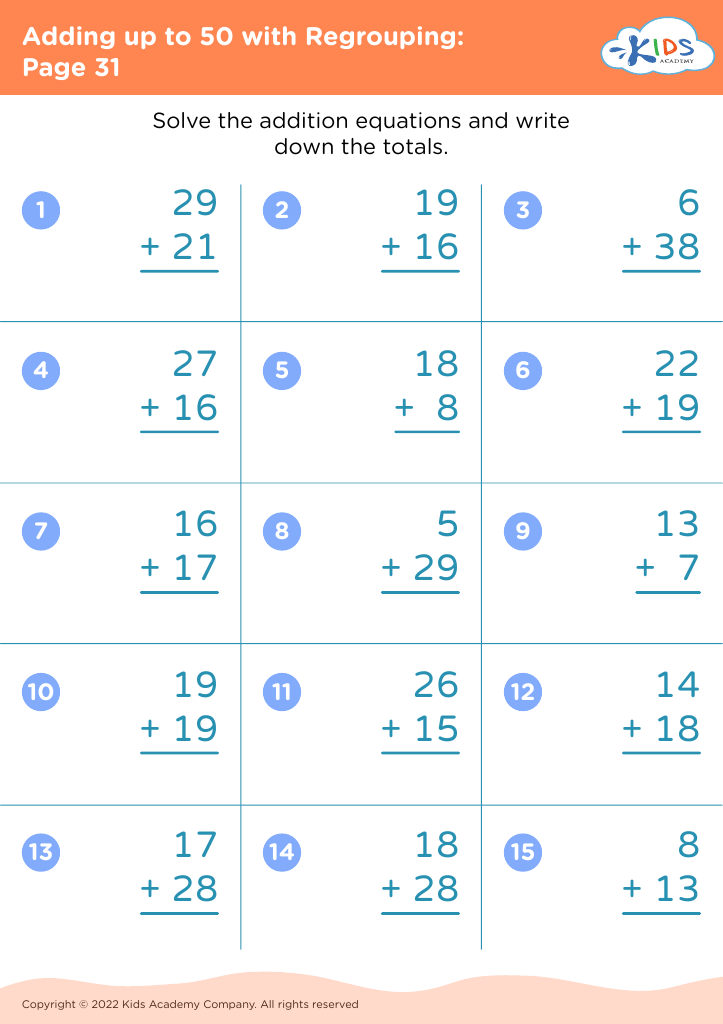
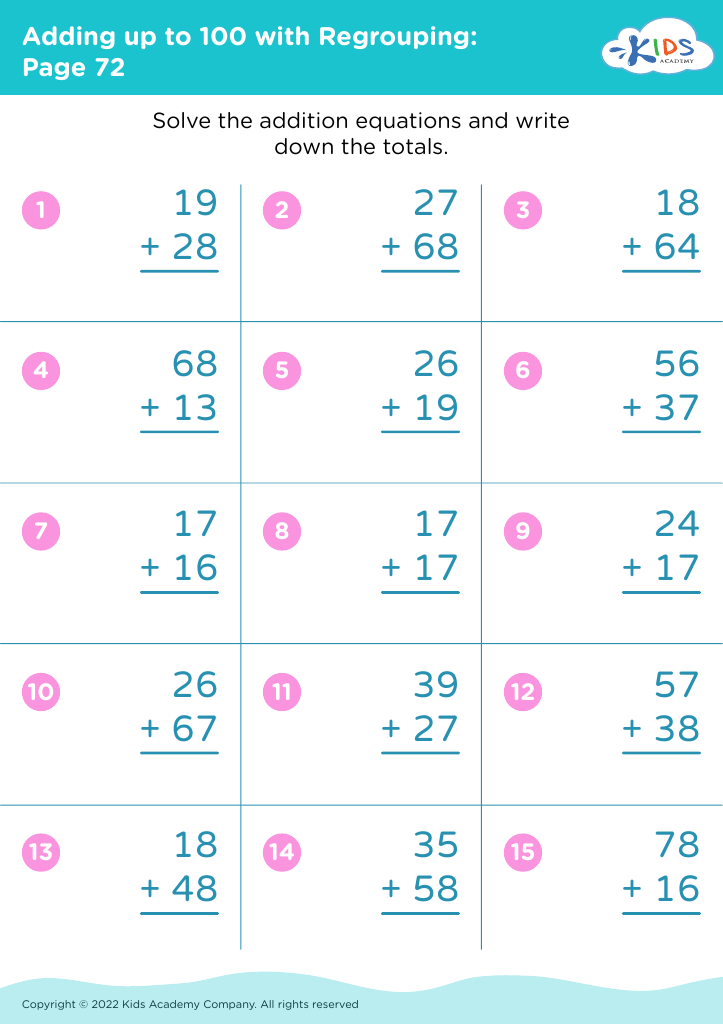
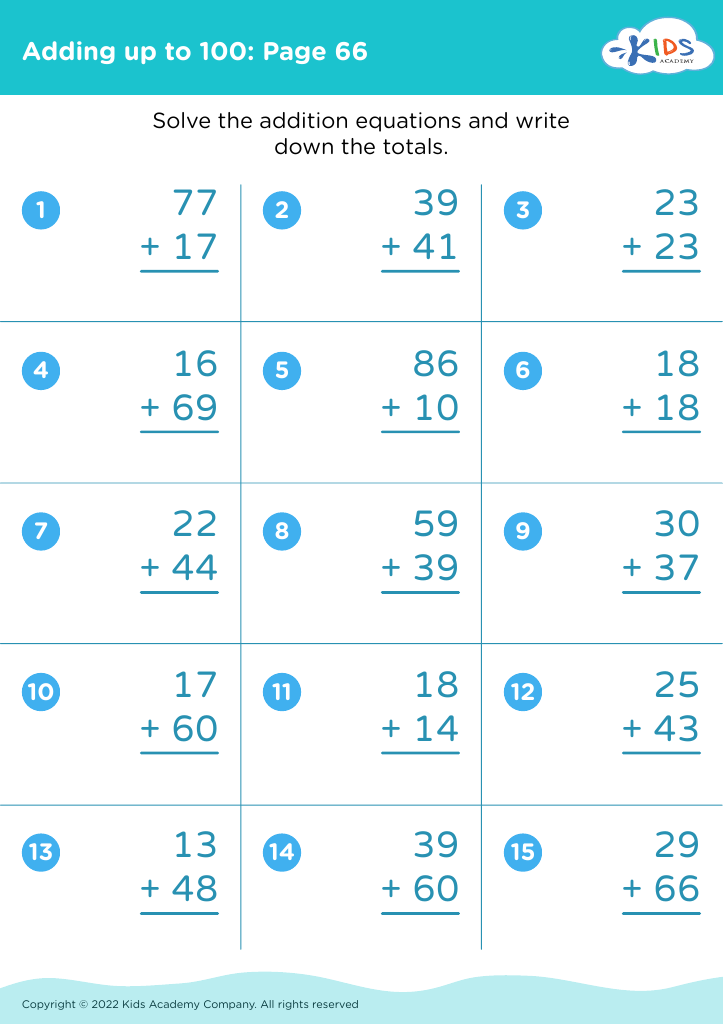
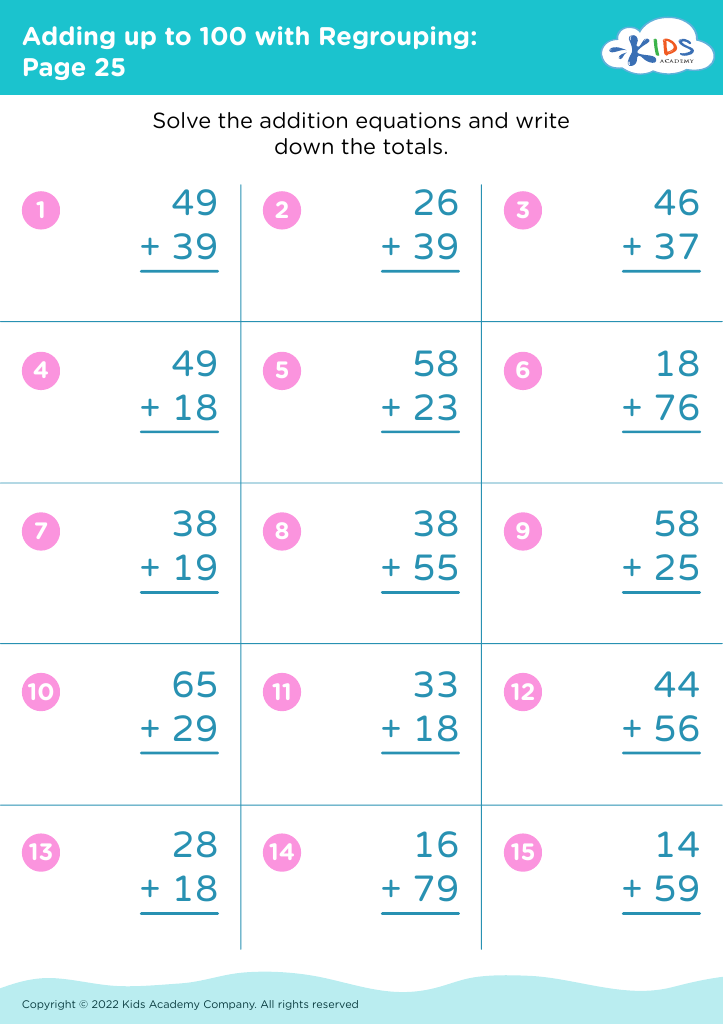
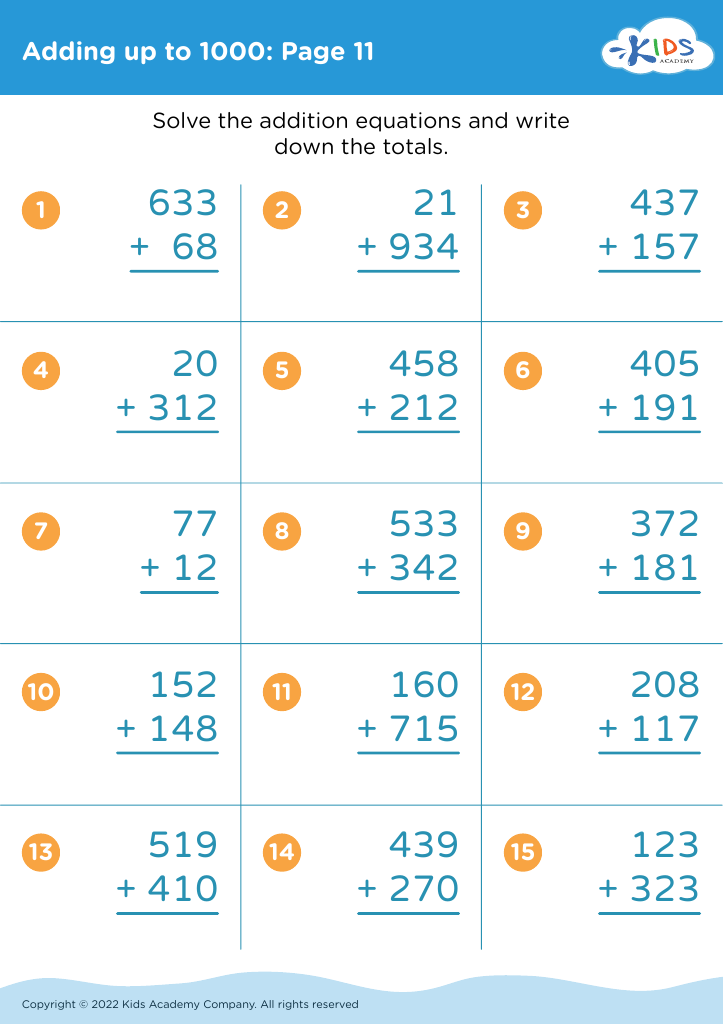
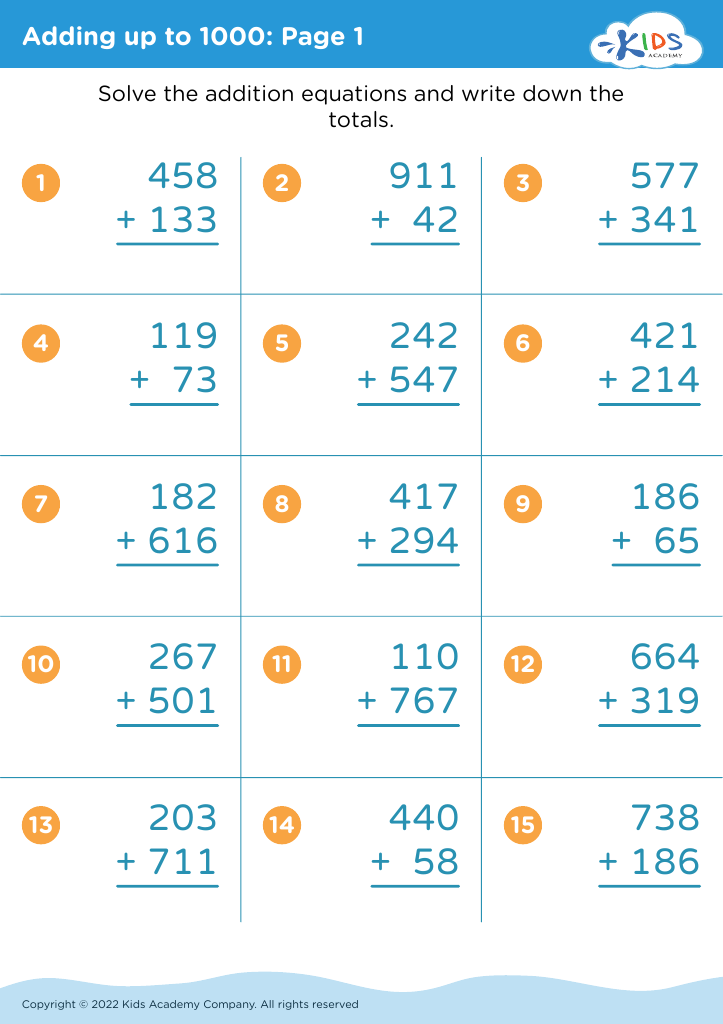
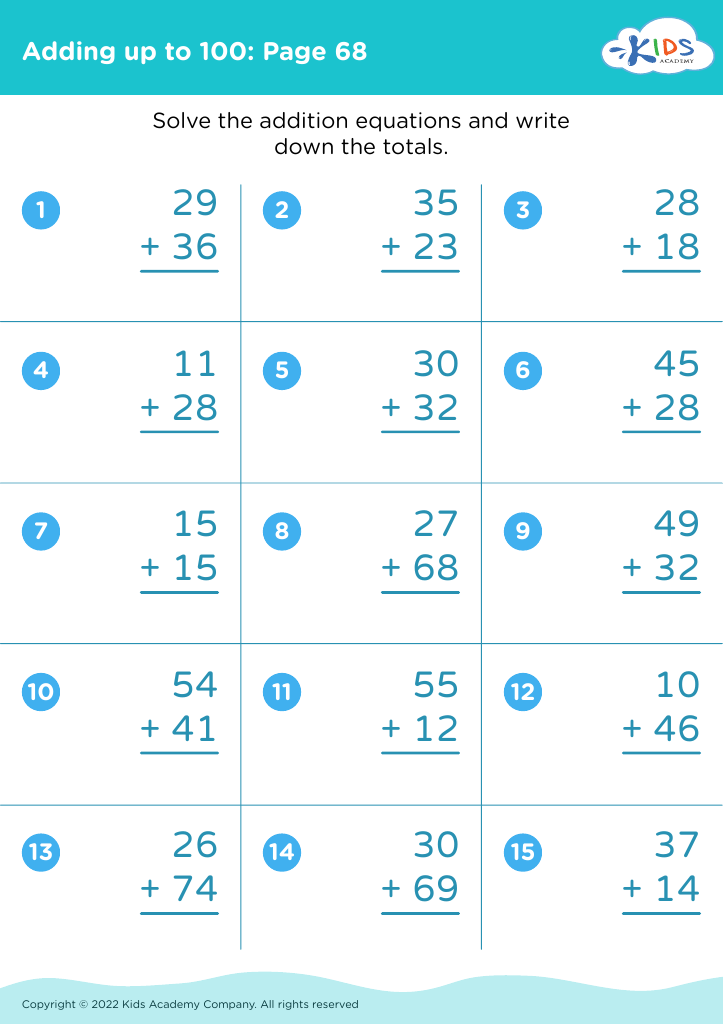
Explore our engaging and educational worksheets designed for children ages 3-9 to master multiplication, addition, and subtraction. With a diverse selection of fun and interactive exercises, Kids Academy makes math practice enjoyable while reinforcing essential skills. Our printable worksheets cover foundational concepts and gradually build complexity, ensuring a comprehensive understanding for young learners at every stage. Ideal for both classroom and at-home activities, these resources aid in developing critical thinking and problem-solving abilities. Encourage confidence and a love for math with our age-appropriate, expertly crafted worksheets. Perfect for parents and educators seeking to enhance early math education!
Favorites
With answer key
Interactive
Join Kids Academy for Free
Who is primarily going to use this learning content?








Parents and teachers should prioritize teaching multiplication, addition, and subtraction to children aged 3-9 because these basic math skills are foundational to their academic and everyday success. Mastery of addition and subtraction lays the groundwork for understanding more complex mathematical concepts, including multiplication and division. Early proficiency in these skills boosts cognitive development by improving problem-solving abilities and logical thinking.
Children who practice these operations early on are likely to develop better confidence in math, reducing the fear and anxiety often linked to this subject. Moreover, practical math skills foster independence, as they play a role in everyday activities like counting money, understanding time, and measuring ingredients in recipes.
For young learners, consistent practice builds fine motor skills, like writing numbers, and enhances memory retention through repetition and pattern recognition. It also aligns with early educational standards, preparing children for a smoother transition to higher grades and standardized testing throughout their academic journey.
Ultimately, integrating consistent practice of basic math skills within a child’s daily routine promotes not only their academic success but also cultivates a positive attitude towards learning and problem-solving in general. This foundational proficiency represents essential life skills that have long-lasting benefits far beyond the early years.








