Shape identification Addition & Subtraction Worksheets for Ages 3-9
14 filtered results
-
From - To
Welcome to our "Shape Identification Addition & Subtraction Worksheets," designed specifically for children aged 3-9! These engaging worksheets combine essential math skills with fun shape recognition activities. Young learners will practice addition and subtraction while identifying various shapes, reinforcing both their mathematical and observational skills. Perfect for preschoolers through early elementary students, our worksheets cater to multiple learning styles and include colorful visuals to keep kids interested. Ideal for classroom or home use, these resources promote independent learning and enhance cognitive development. Explore our collection today to help your child build a strong foundation in math through exciting shape identification!
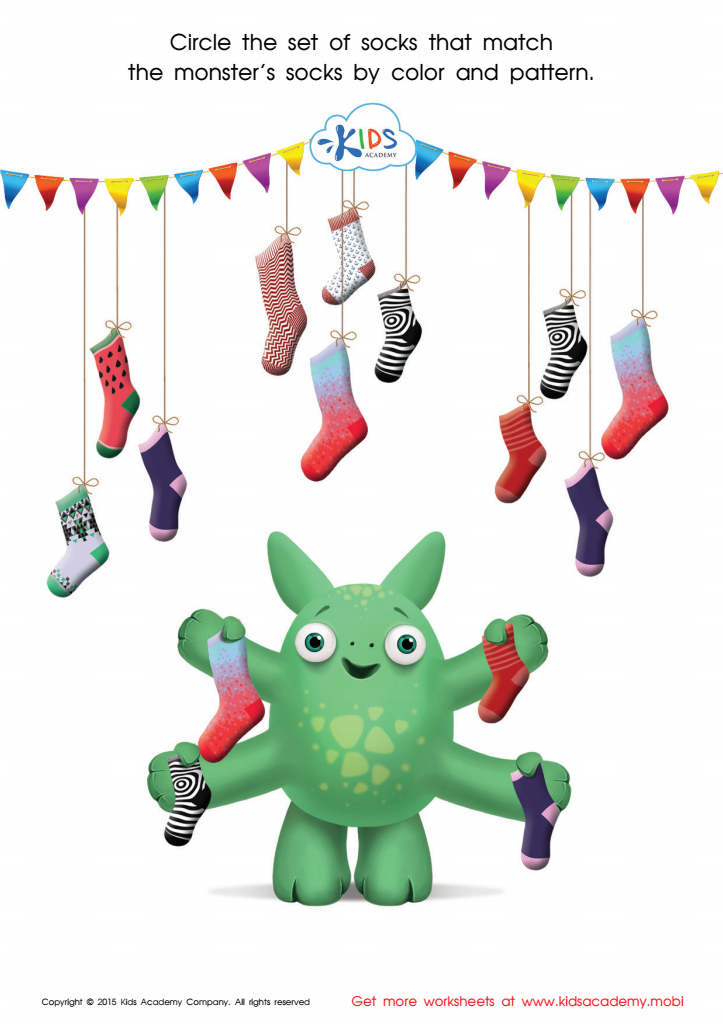
Sort the Monster's Socks Worksheet
 Assign to My Students
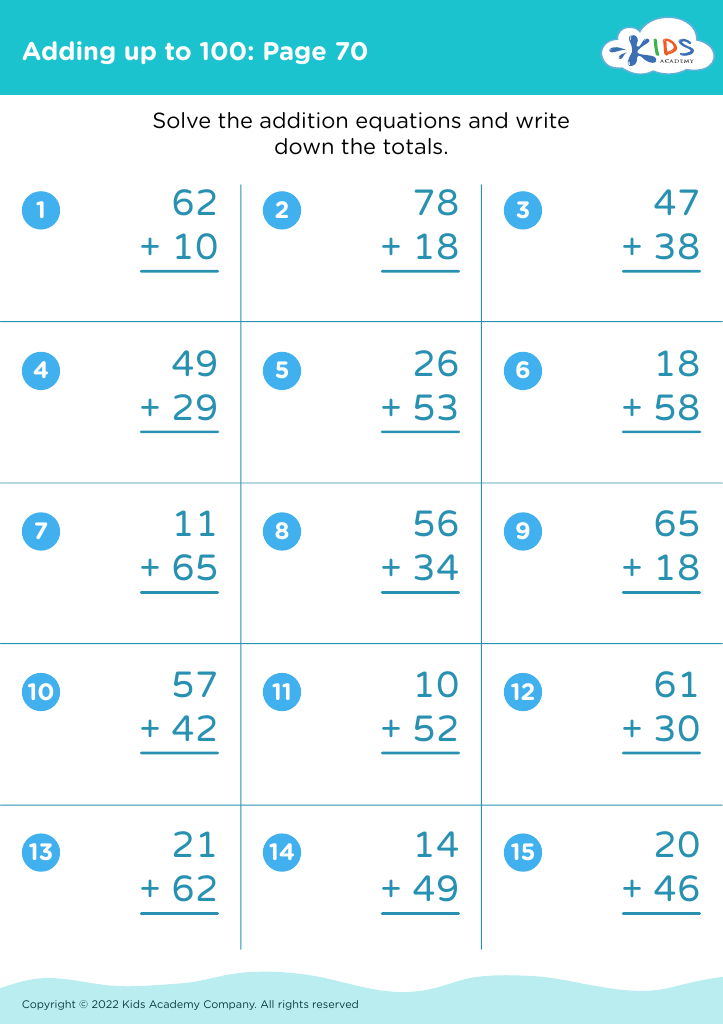
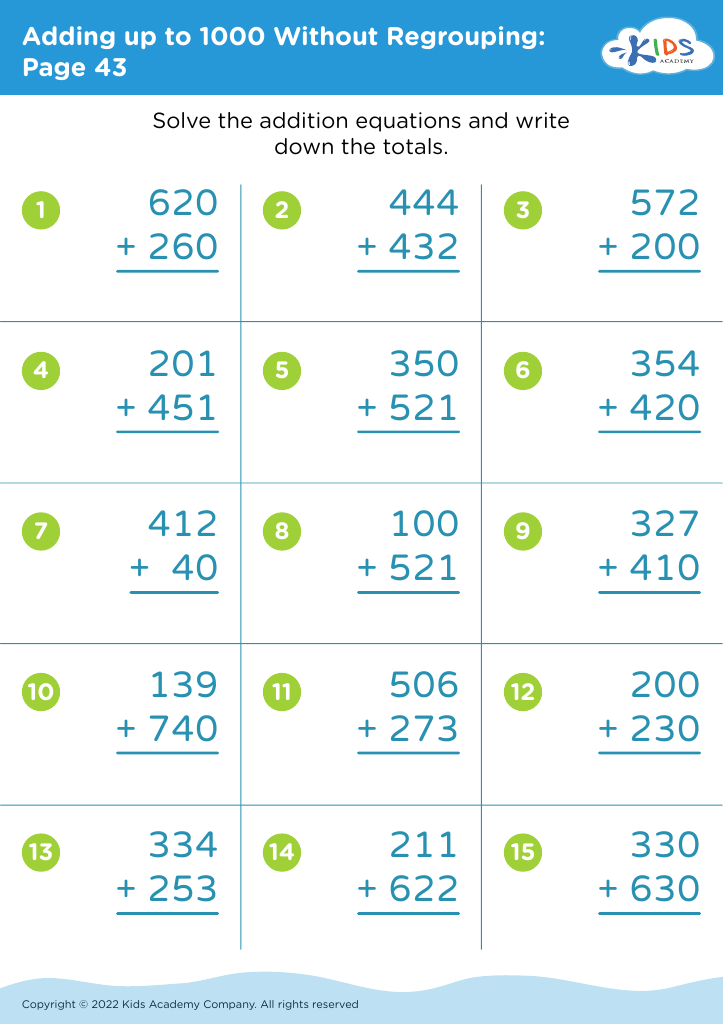








Shape identification, along with addition and subtraction, is crucial for children aged 3-9 as it lays the foundation for essential cognitive and academic skills. Understanding shapes helps children develop spatial awareness, differentiating between various objects in their environment. This knowledge enhances their problem-solving skills and supports their grasp of more complex geometric concepts later in life.
On the other hand, early addition and subtraction introduce kids to fundamental math operations, which are vital for everyday life. Mastery of these concepts fosters critical thinking and can lead to a greater readiness for future mathematical challenges. Moreover, engaging with math from a young age boosts confidence and cultivates a positive attitude towards learning.
Incorporating shape identification into early math lessons enhances the learning experience. Recognizing shapes in math problems can make addition and subtraction more tangible and relatable. Overall, when parents and teachers prioritize these skills, they are equipping children to navigate academic environments confidently, ready to tackle more sophisticated concepts. Investing time in these foundational skills ensures more expansive cognitive development, leading to proficient learners as they progress through school and into life beyond.








