Understanding numeracy Addition & Subtraction Worksheets for Ages 3-9
4 filtered results
-
From - To
Discover our "Understanding Numeracy: Addition & Subtraction Worksheets" designed specifically for children aged 3-9. These engaging and interactive worksheets help young learners build a strong foundation in math by mastering essential addition and subtraction skills. Our user-friendly resources feature colorful visuals and age-appropriate exercises that cater to various learning styles, making math fun and accessible. Encourage critical thinking and problem-solving abilities while boosting confidence in numeracy. Perfect for homeschooling, classroom activities, or extra practice at home, these worksheets support early mathematical development and lay the groundwork for future success in math. Explore our collection now to inspire young mathematicians!
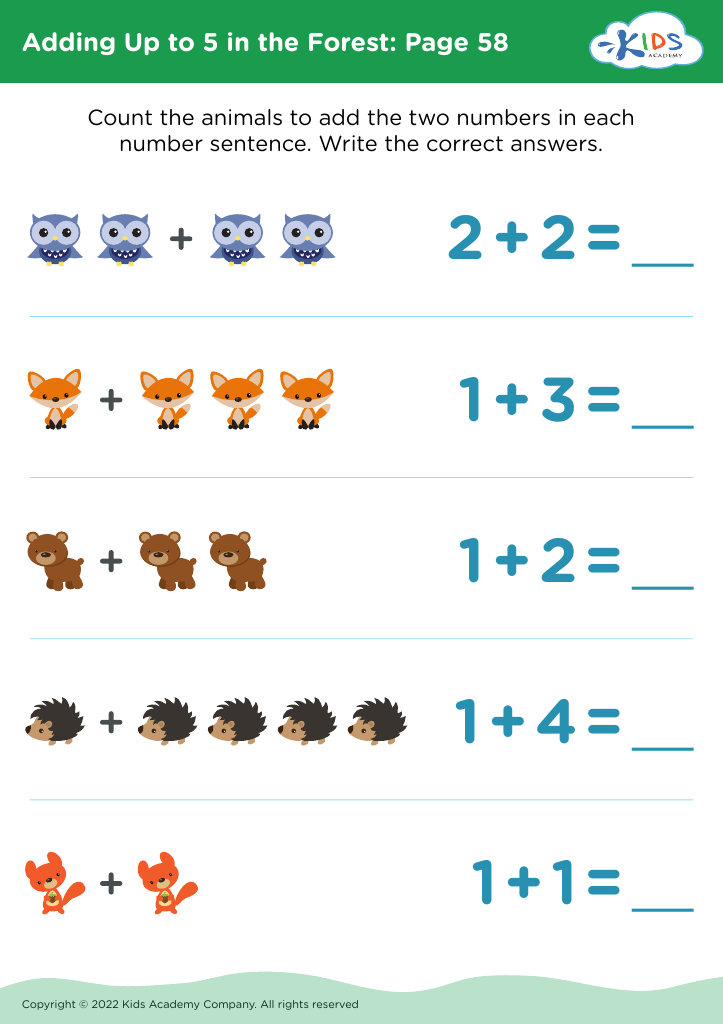
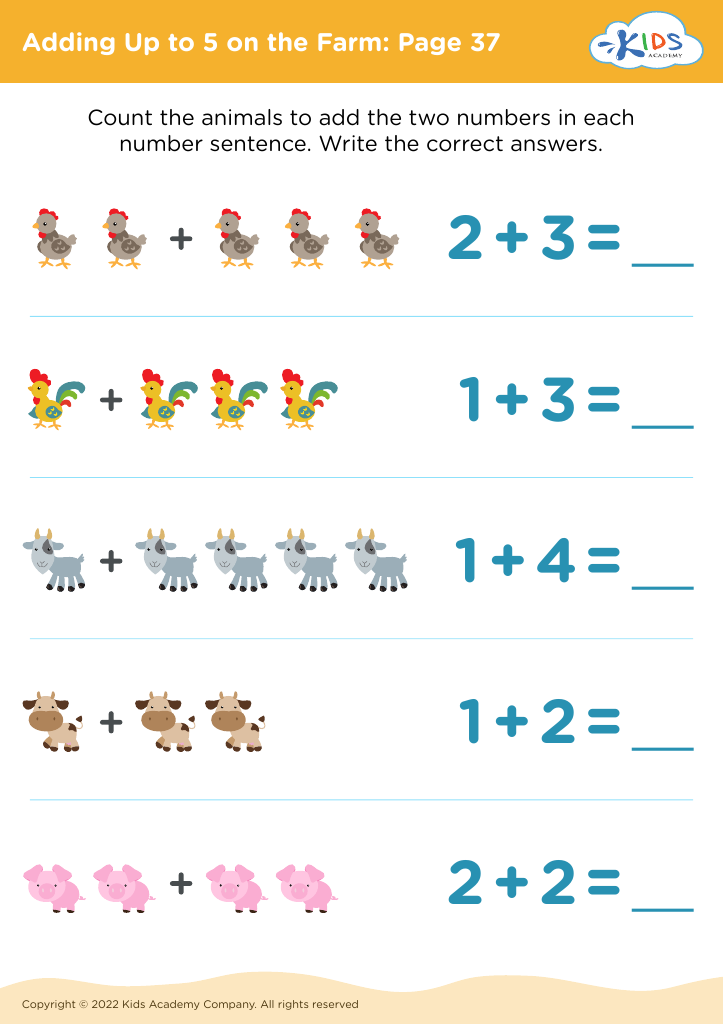
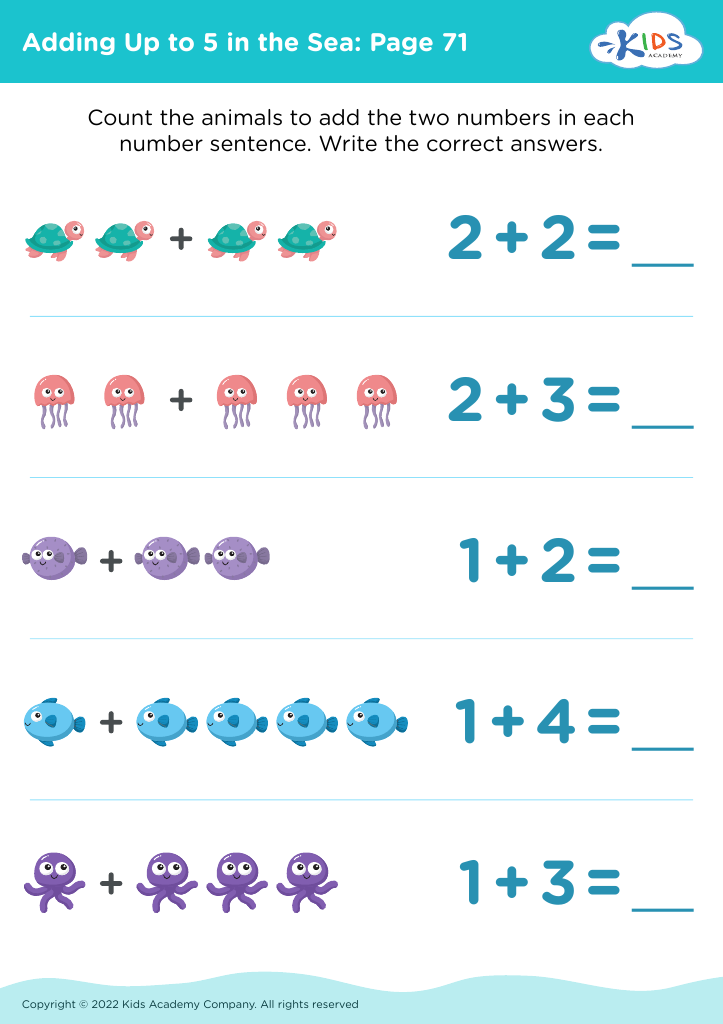
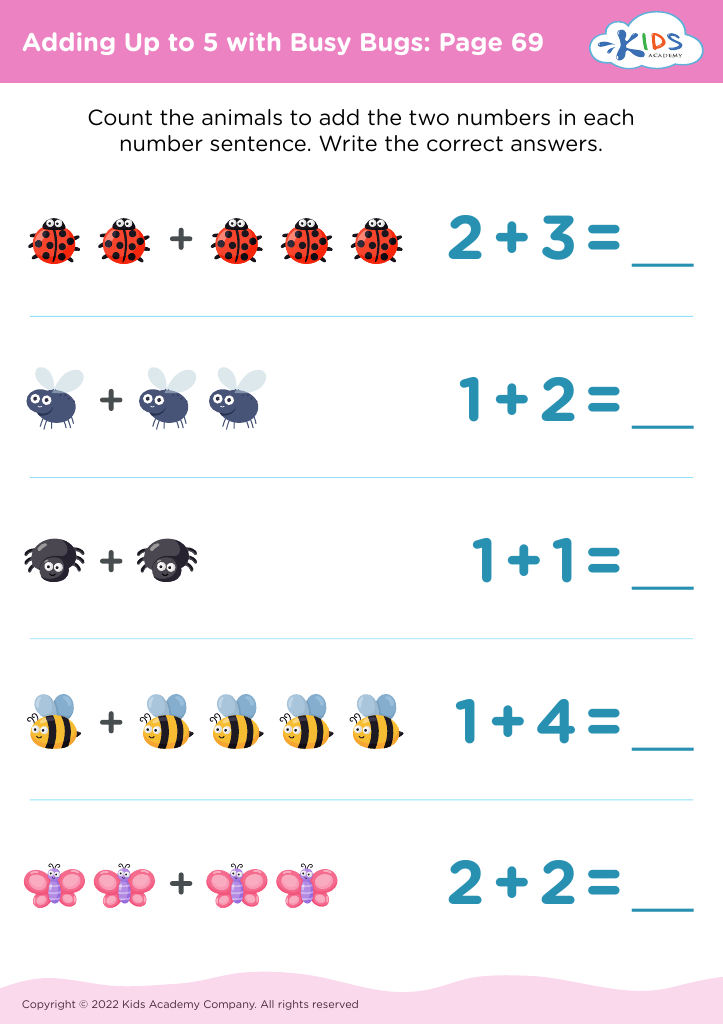








Understanding numeracy, particularly addition and subtraction, is crucial for children aged 3-9 as it lays the groundwork for their future academic success and everyday problem-solving skills. This foundational knowledge fosters critical thinking and helps children understand the world around them through mathematical concepts.
During the early years, children are naturally curious and eager to learn. When parents and teachers actively engage in teaching numeracy, they create a supportive learning environment that strengthens this interest. Addition and subtraction are not just mathematical operations; they are essential for developing reasoning and cognitive skills. Through play-based activities, relatable examples, and hands-on experiences, children can visualize numbers, build confidence, and cultivate a love for learning.
Moreover, early mastery of these concepts impacts academic performance in later years. Children who struggle with basic numeracy may face challenges in higher-level math, leading to frustration and disengagement. By prioritizing numeracy development, adults empower children to excel, think critically, and approach future mathematical concepts with confidence. Thus, attention to addition and subtraction at this formative stage not only benefits children's immediate learning but equips them with essential life skills for their future endeavors.








