
Understanding seasons Addition & Subtraction Worksheets for Ages 3-9
4 filtered results
Difficulty Level
Grade
Age
-
From - To
Subject
Activity
Standards
Discover the perfect blend of seasonal learning and early math skills with our "Understanding Seasons Addition & Subtraction Worksheets" designed for children aged 3-9! Our engaging worksheets introduce young learners to basic addition and subtraction through vibrant illustrations and relatable seasonal themes. These activities make math fun and relatable, as kids learn to count leaves in fall, snowflakes in winter, flowers in spring, and sunshine in summer. The worksheets encourage critical thinking, enhance comprehension, and build a strong foundation in mathematics while fostering an appreciation for the changing seasons. Perfect for home or classroom use, these resources inspire learning with joy!
Favorites
With answer key
Interactive
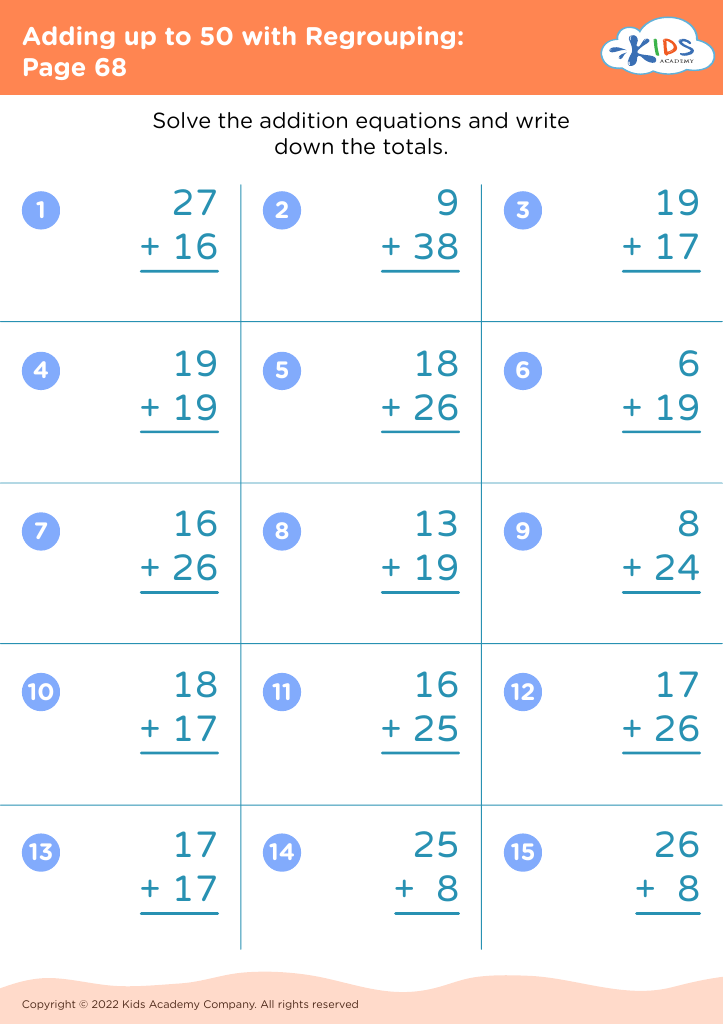
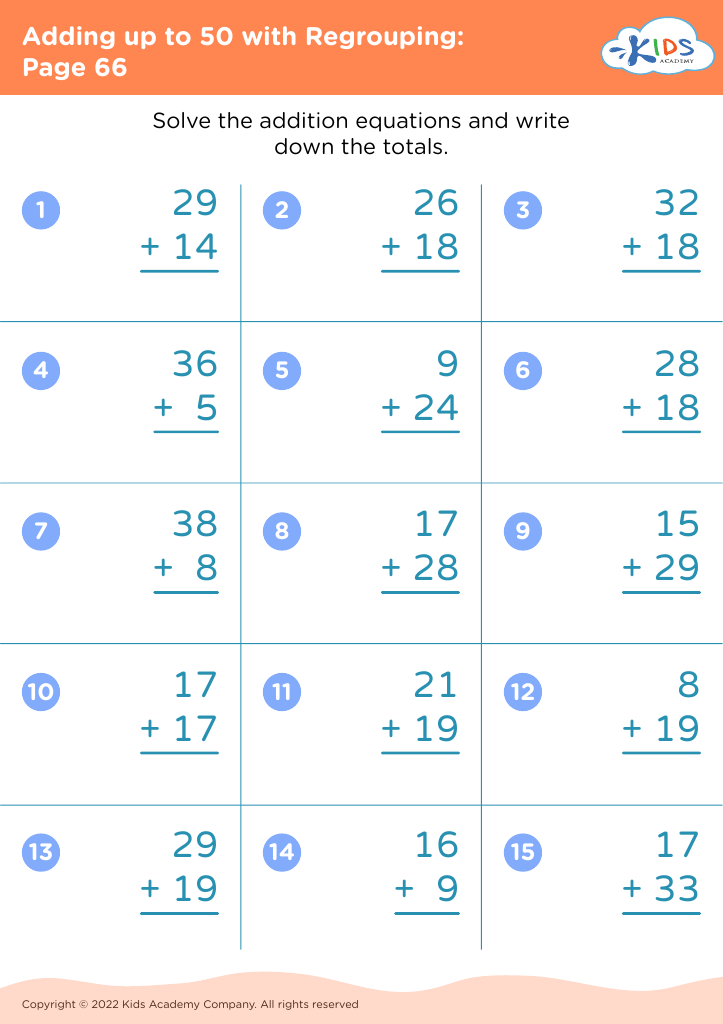
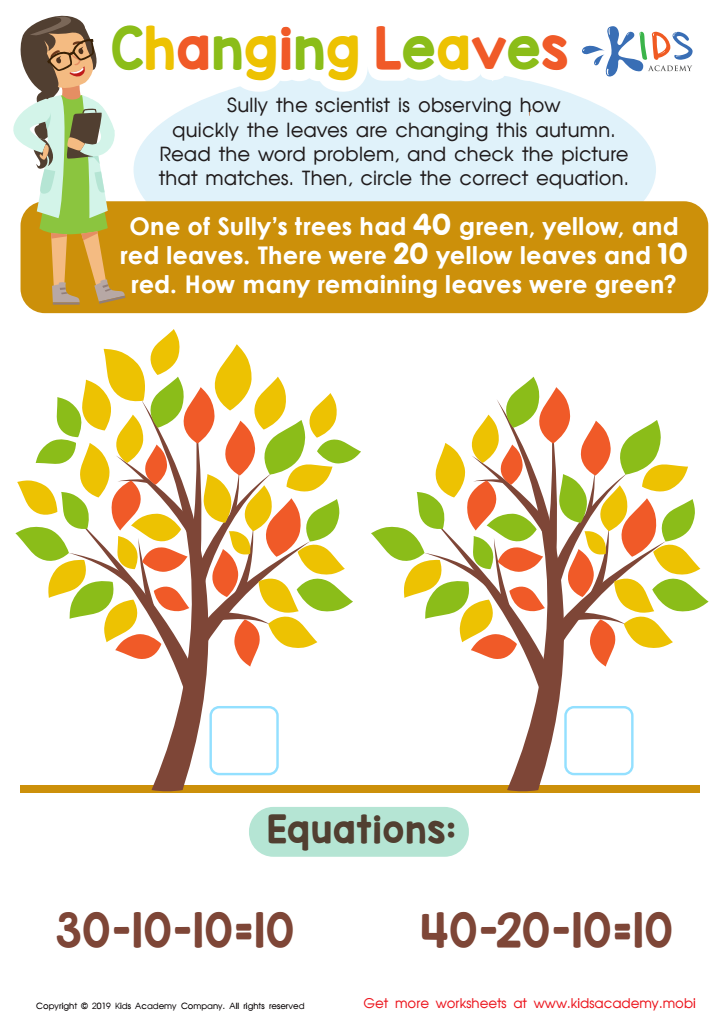
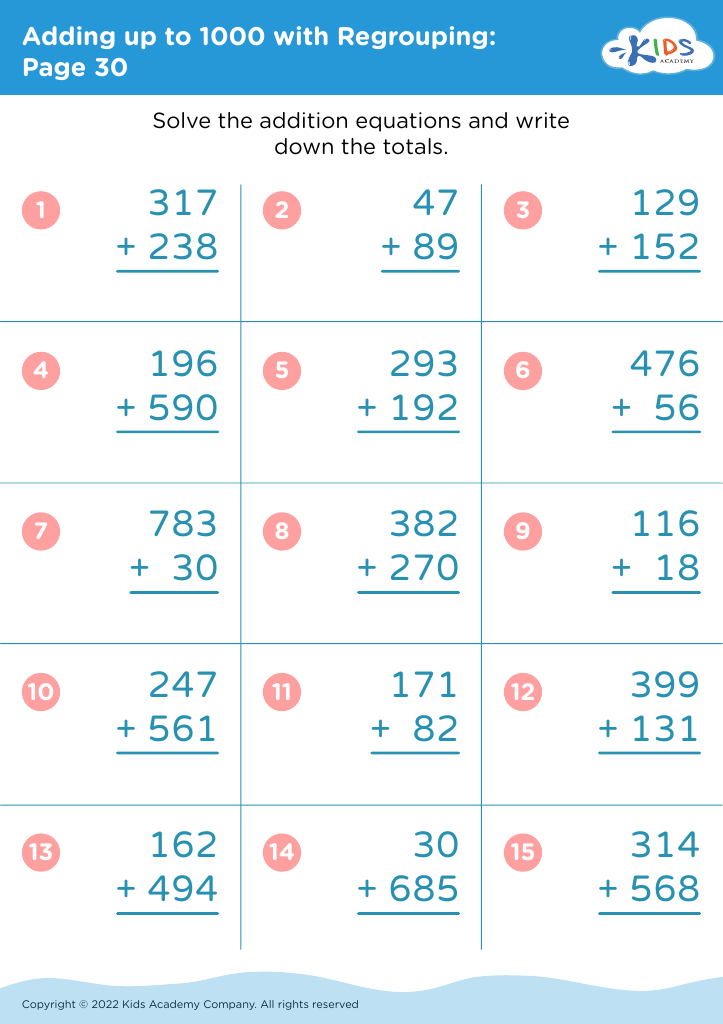
Changing Leaves Worksheet
Fall is the perfect time for kids to help Sully the scientist observe the changing leaves! Download the free worksheet with a subtraction word problem and bolded info to find the matching equation and picture. It's a fun way for your tots to learn while they admire the reddening, yellowing, and orange leaves.
 Assign to My Students
Changing Leaves Worksheet
Worksheet
Join Kids Academy for Free
Who is primarily going to use this learning content?








Understanding seasons and mastering addition and subtraction are essential developmental milestones for children aged 3-9. For parents and teachers, promoting these skills is crucial for several reasons.
Firstly, grasping the concept of seasons enhances children’s awareness of their environment. It encourages them to observe changes in nature, weather patterns, and the related activities that each season brings—such as holidays or outdoor play. This understanding fosters curiosity and connects children to the world around them, promoting scientific thinking and environmental awareness.
Addition and subtraction skills, on the other hand, lay the foundation for mathematical understanding. As early learners engage with these concepts, they develop critical thinking and problem-solving skills. Mastery of basic arithmetic paves the way for more complex mathematical concepts in later grades, reinforcing confidence and competence in these subjects.
Moreover, incorporating seasons into addition and subtraction activities can create a fun, interdisciplinary approach to learning. For example, counting leaves in autumn or adding snowflakes in winter can make math tangible and relevant. Together, these skills are vital for cognitive development, social interaction, and emotional growth, equipping children with essential tools to navigate their academic journeys and broader life experiences. Thus, nurturing these areas is a responsibility and a joy for both parents and educators.








