Critical thinking skills Addition Worksheets for Ages 3-9
7 filtered results
-
From - To
Unlock your child's potential with our "Critical Thinking Skills Addition Worksheets" designed for ages 3-9! These engaging worksheets foster essential critical thinking skills while making addition fun and interactive. Each activity challenges young minds to solve problems, recognize patterns, and draw logical conclusions, all while reinforcing their understanding of addition concepts. Ideal for parents and educators, our resources promote independent thinking and creativity in a structured format. Elevate your child’s math journey and build a strong foundation for future learning. Explore our collection today and watch your little ones thrive as they develop essential skills for lifelong success!
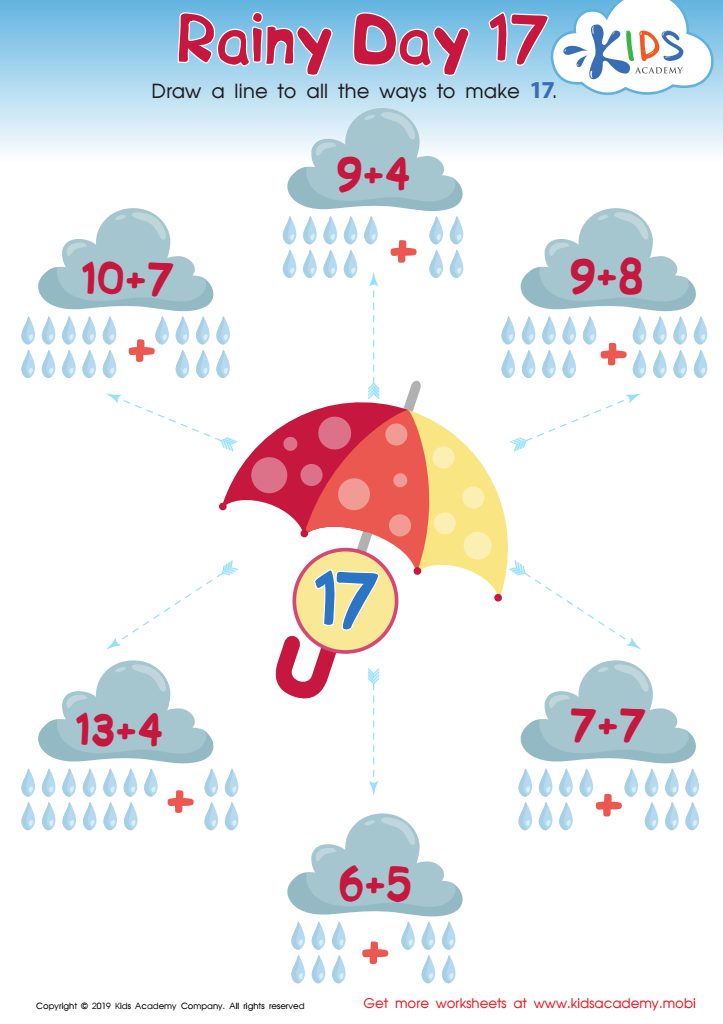
Rainy Day 17 Worksheet
 Assign to My Students
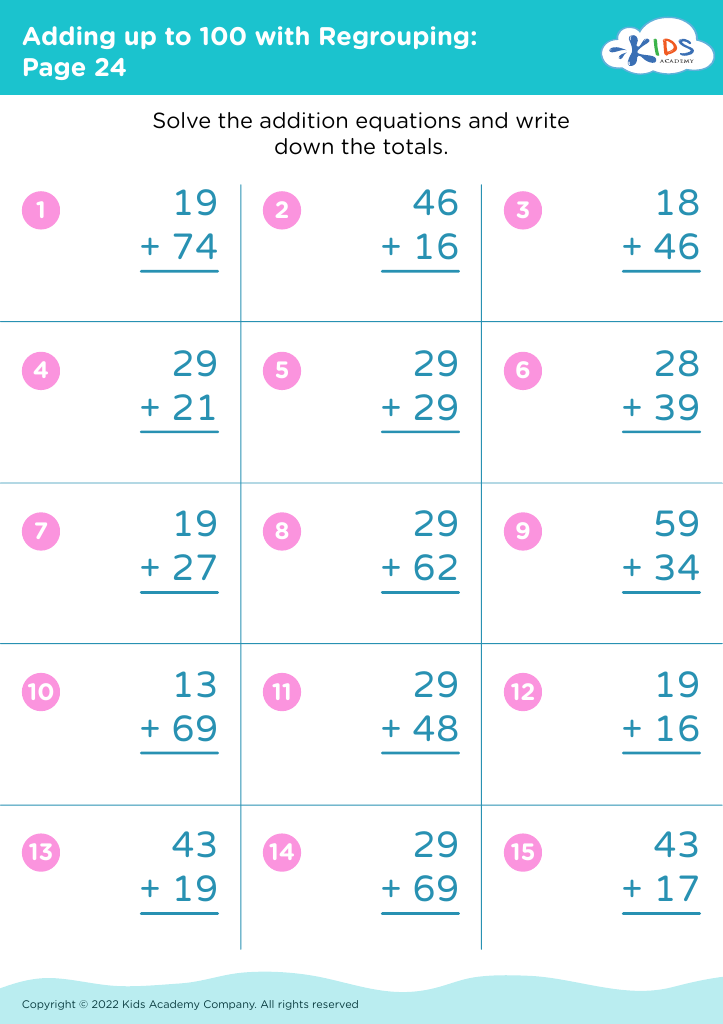
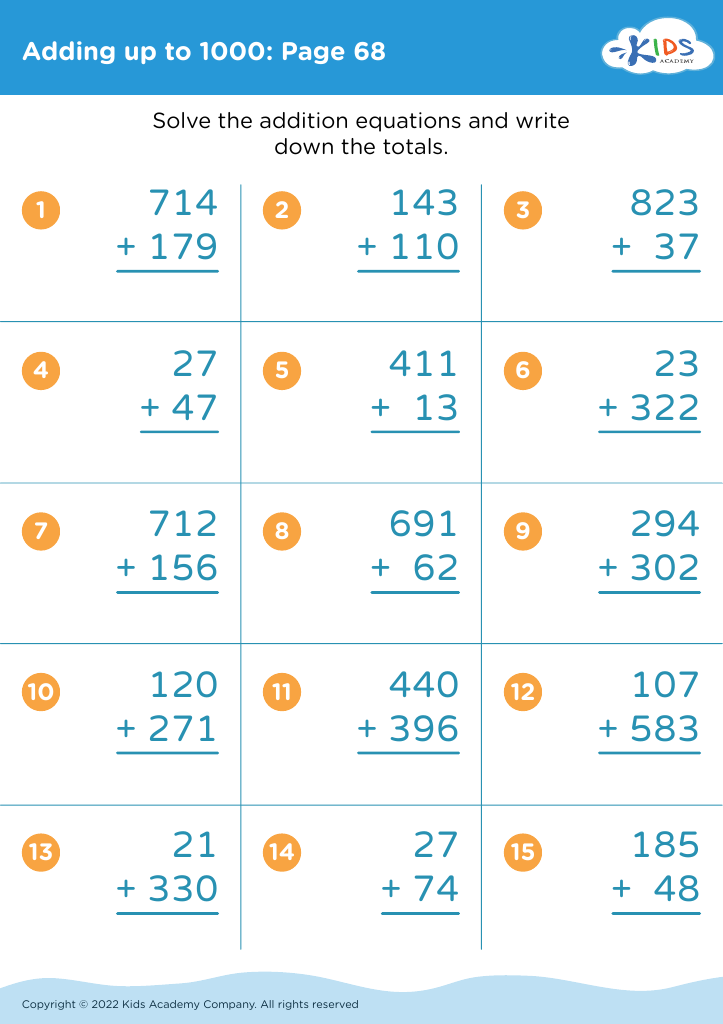
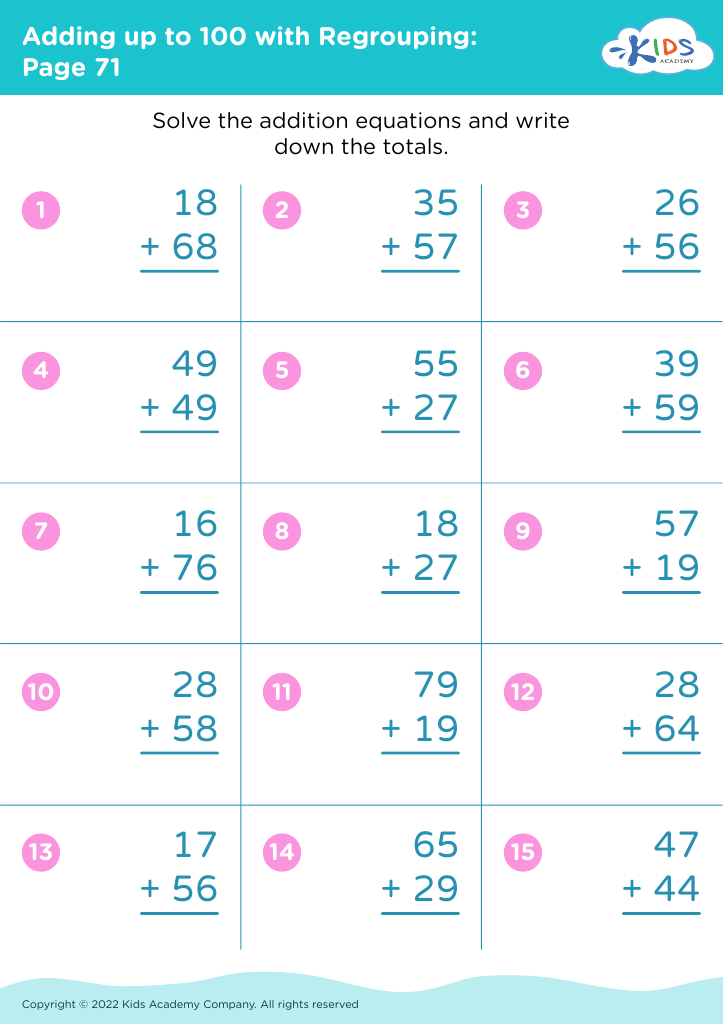
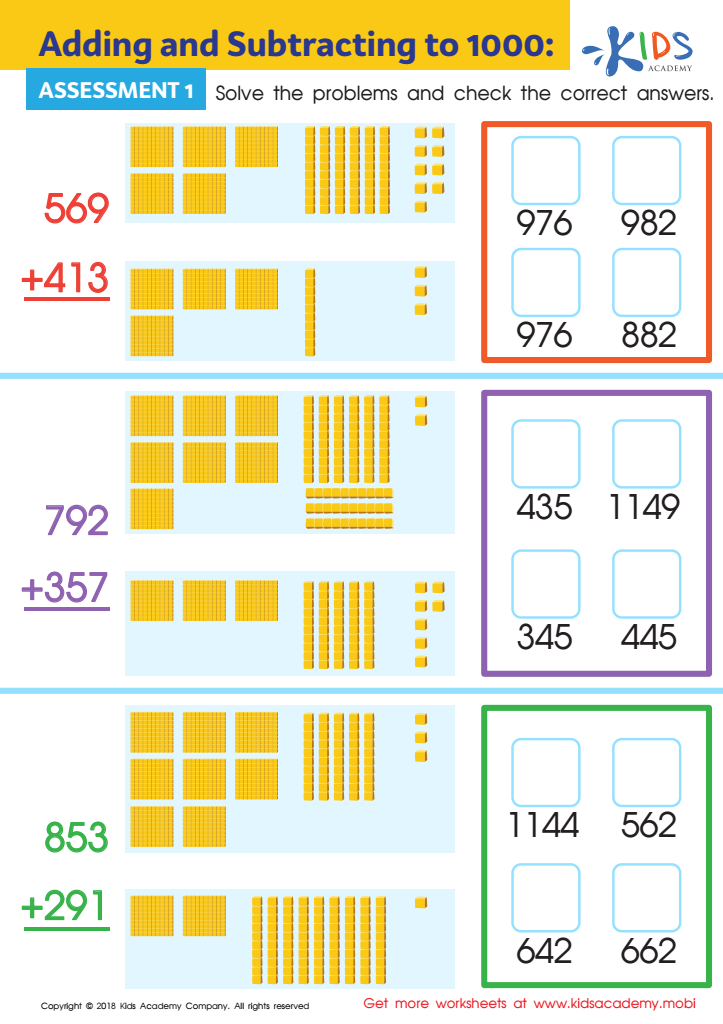
Adding and Subtracting to 1 Worksheet: Assessment 1
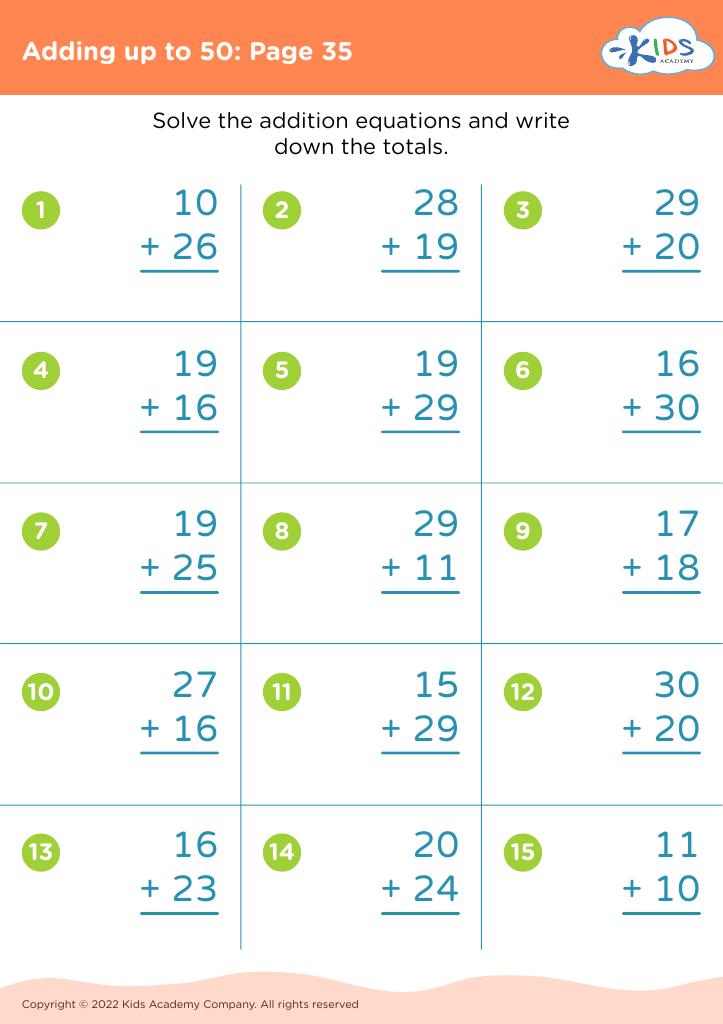
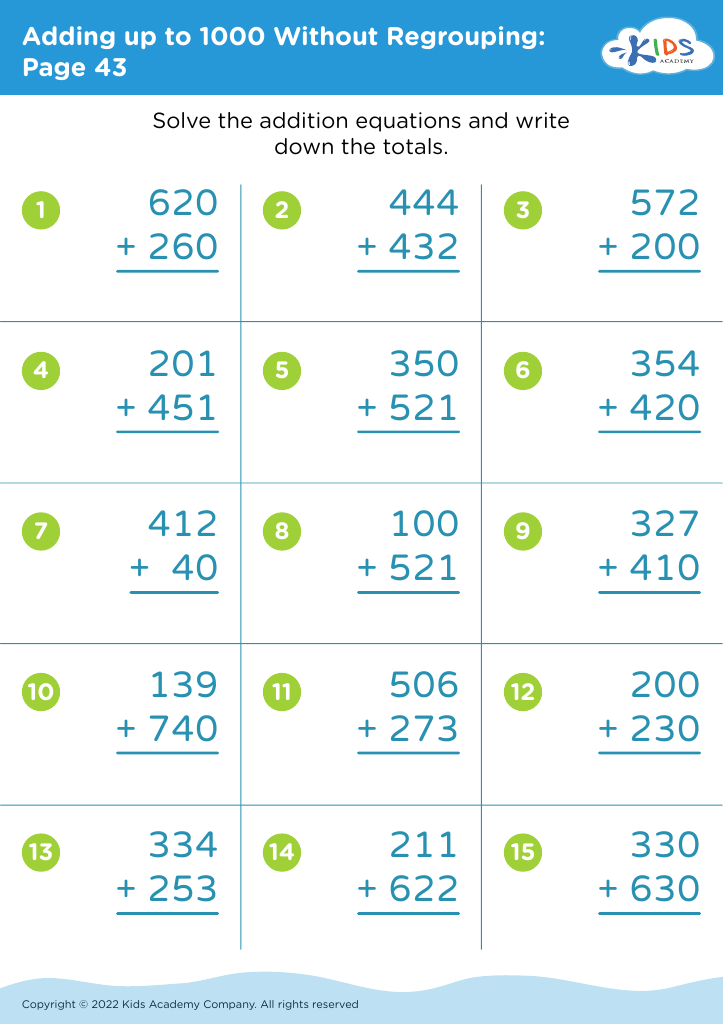








Parents and teachers should prioritize critical thinking skills for children aged 3-9 because these abilities lay the foundation for lifelong learning and problem-solving. Critical thinking fosters curiosity and encourages children to question the world around them. At this developmental stage, incorporating activities that promote analysis, evaluation, and inference can enhance cognitive skills.
When children engage in critical thinking, they learn to make reasoned decisions, recognize patterns, and understand consequences, which are essential for academic success and effective interactions in social settings. For instance, discussing stories teaches them to interpret plot motives or predict outcomes, enhancing their literacy skills while fostering deeper comprehension.
Moreover, critical thinking skills support creativity and innovation. Children who learn to think independently can explore multiple solutions to a problem, which cultivates adaptability and resilience.
Finally, these skills are crucial for transitioning into the complexities of future learning environments. As academic requirements grow, students proficient in critical thinking will be more equipped to tackle challenges and navigate various subjects. This supportive learning foundation results in confident, motivated learners, prepared to engage actively in their education and beyond. Investing in critical thinking today ensures children are ready for tomorrow's challenges.








