
Developing Concentration Addition Worksheets for Ages 3-9
5 filtered results
Difficulty Level
Grade
Age
-
From - To
Subject
Activity
Standards
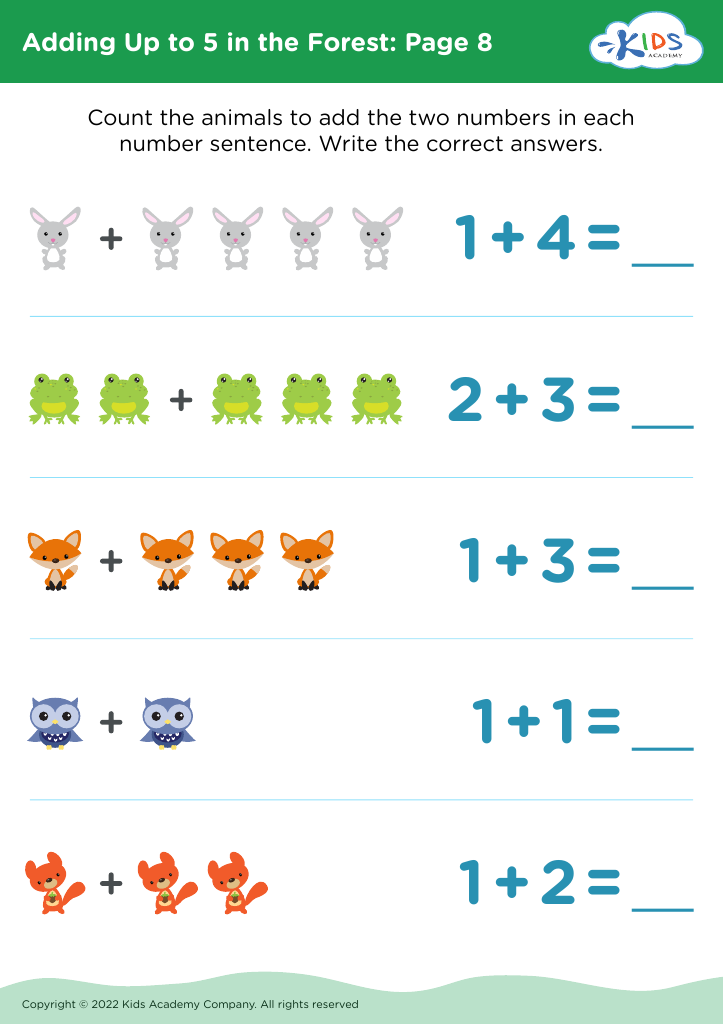
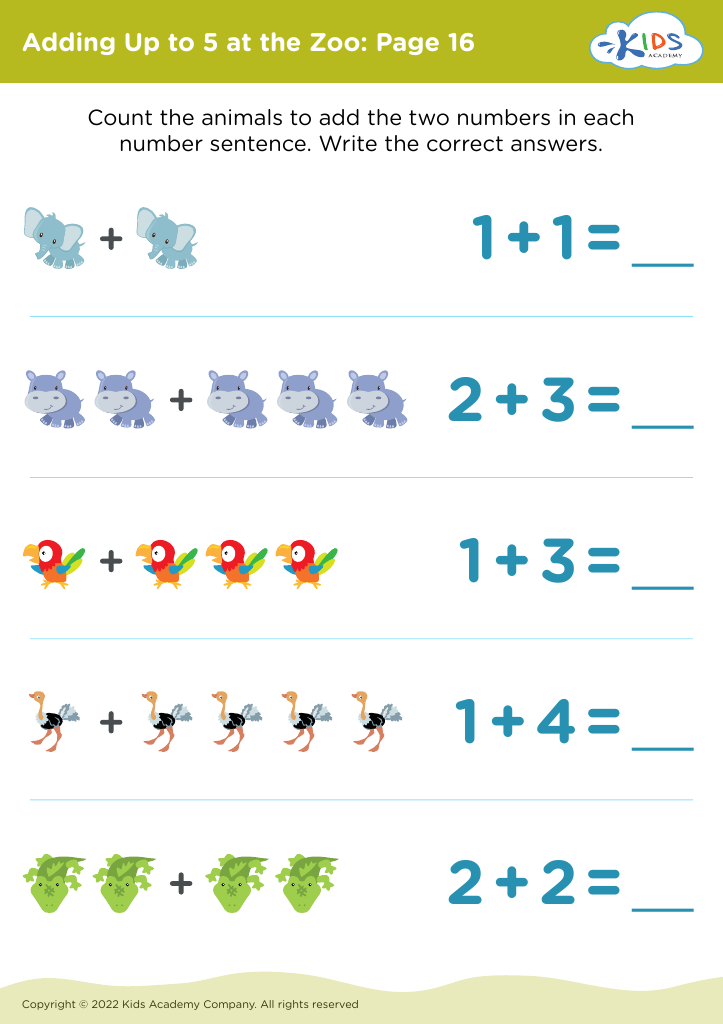
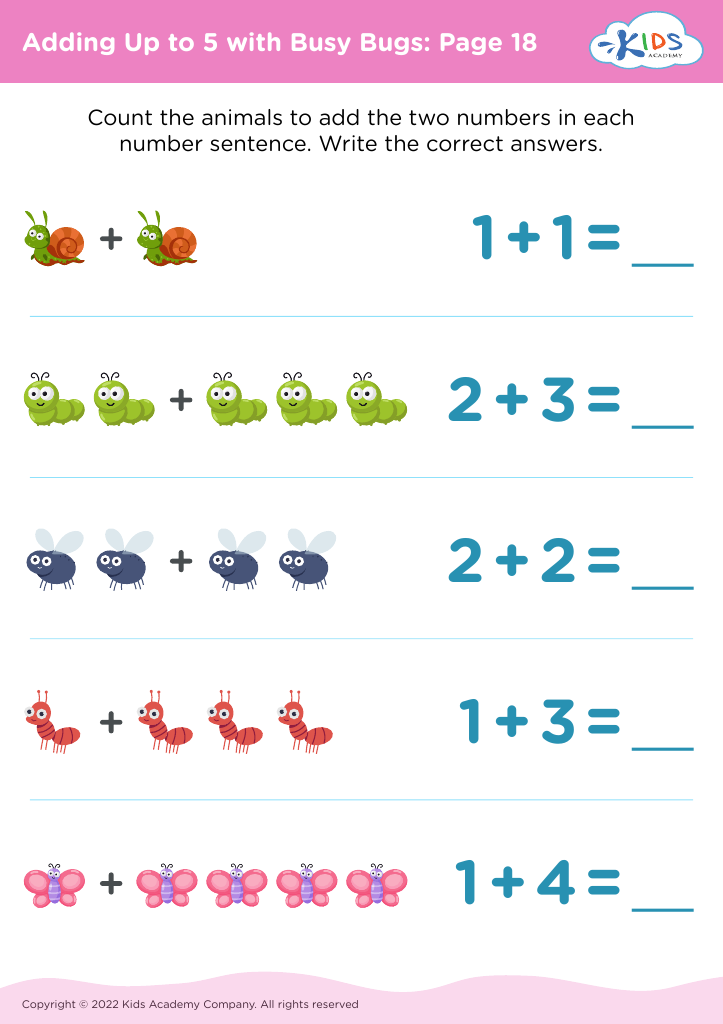
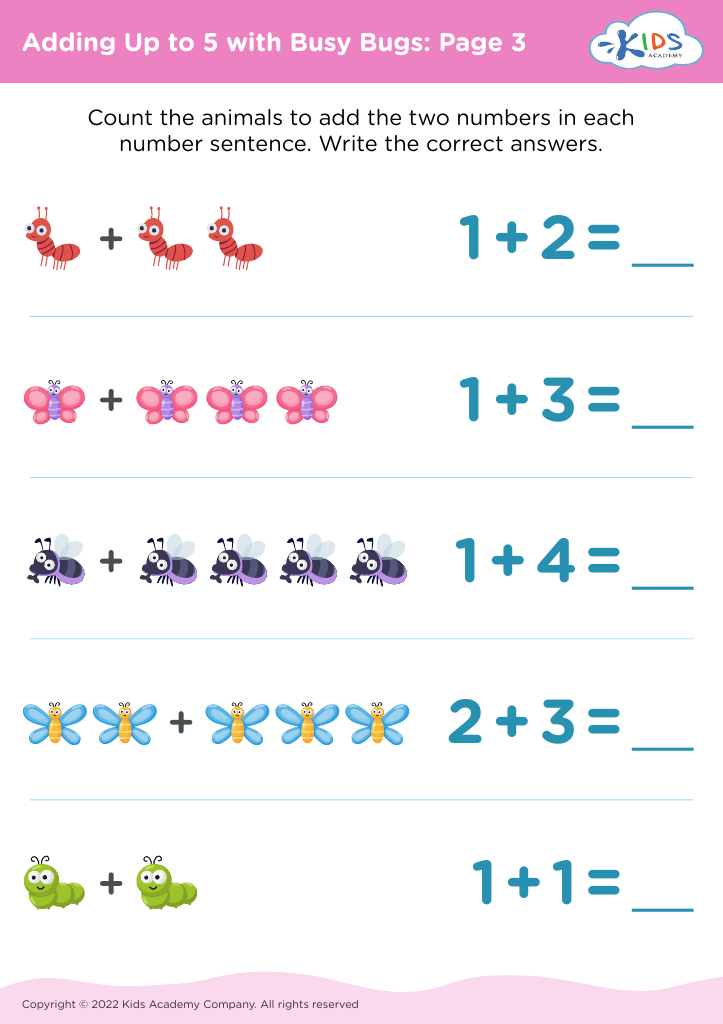
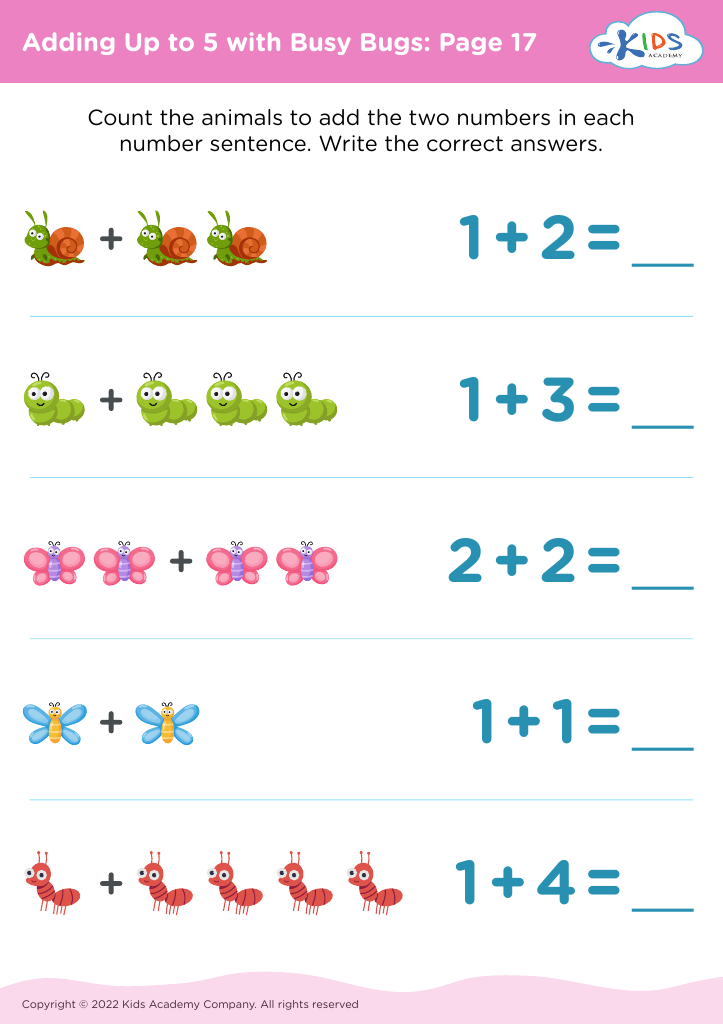
Welcome to our comprehensive collection of Developing Concentration Addition Worksheets designed specifically for children ages 3-9! These engaging and interactive worksheets are crafted to bolster your child's concentration skills while enhancing their addition proficiency. With vibrant visuals and age-appropriate exercises, kids will enjoy practicing their math skills in a fun, supportive environment. Designed by educational experts, our worksheets encourage focused learning, helping children to sharpen their attention span while mastering basic addition techniques. Perfect for home education or classroom use, these resources will inspire young learners to excel in mathematics while building essential cognitive skills. Explore and watch their confidence grow!
Favorites
With answer key
Interactive
Join Kids Academy for Free
Who is primarily going to use this learning content?





.jpg)


Developing concentration through addition skills in children aged 3-9 is crucial for several reasons. First, concentration forms the foundation for effective learning and academic success. When children practice addition, they enhance their ability to focus, which is essential for various subjects in school. Strong concentration skills help them process information more efficiently, leading to a deeper understanding of mathematical concepts and other areas of study.
Additionally, fostering concentration during early childhood aids in developing self-discipline and good study habits. As children engage in focused tasks, they learn the importance of persistence and patience, valuable life skills that extend beyond academics. This attention also contributes to better social interactions, as focused children are more likely to engage actively with peers and participate in group activities.
Moreover, early experiences with math through concentration exercises can instill a love for learning. Children who see success during these foundational stages are more likely to adopt a positive attitude toward school and continuing education.
Ultimately, parents and teachers who emphasize concentration and foundational math skills are setting children on a path to both academic achievement and personal growth, equipping them with tools to succeed in various aspects of life.








