Fine Motor Skills Addition Worksheets for Ages 3-9
69 filtered results
-
From - To
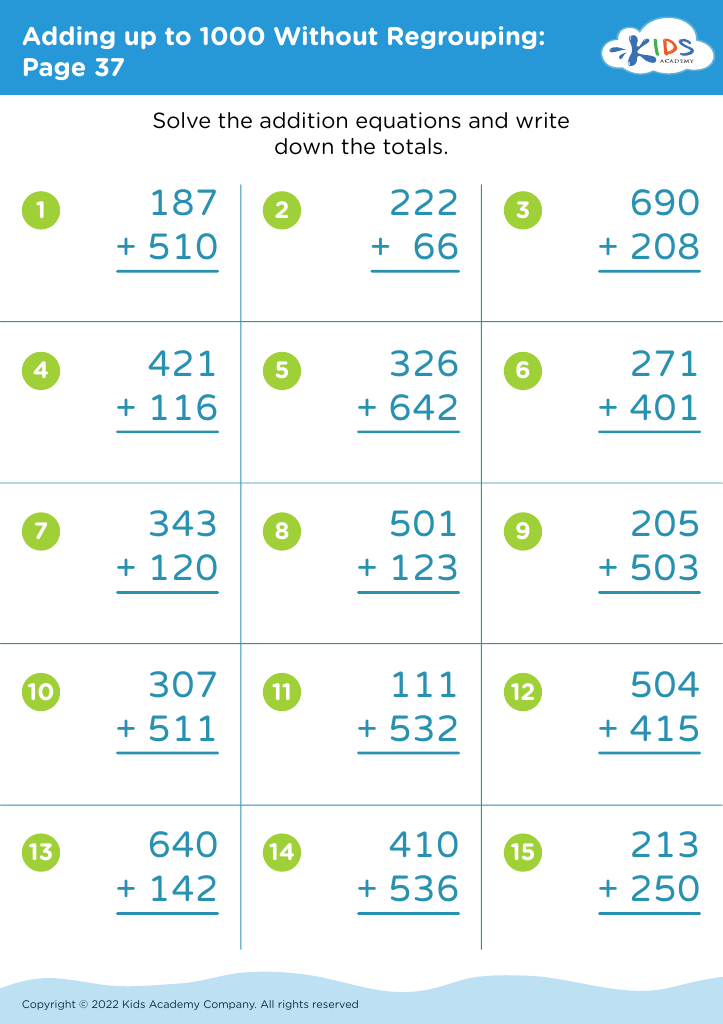
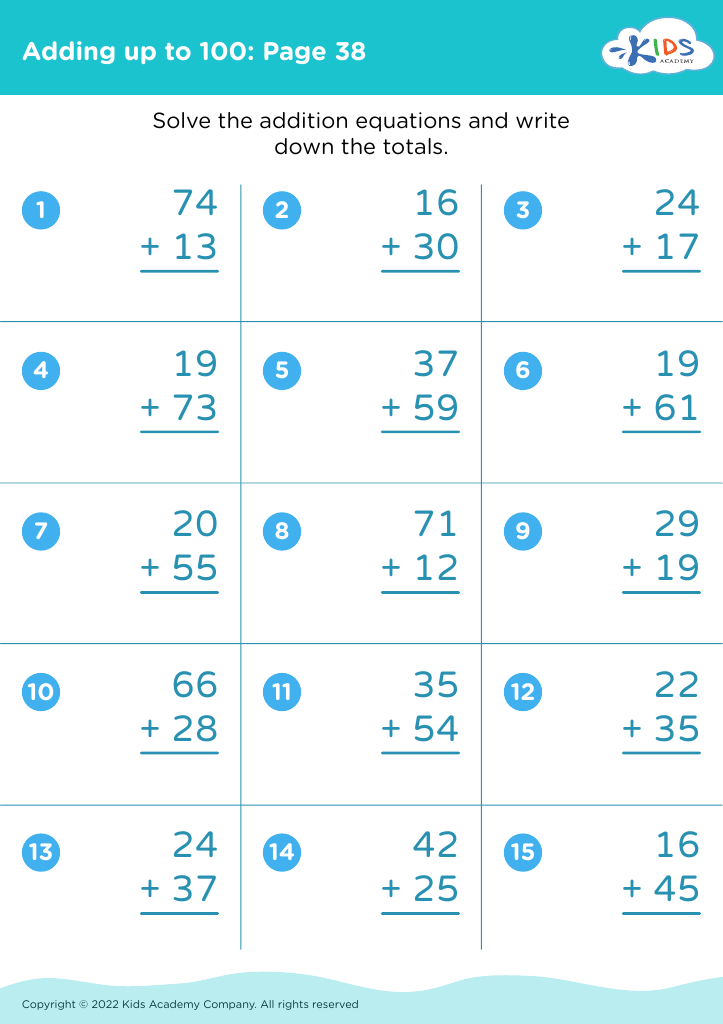
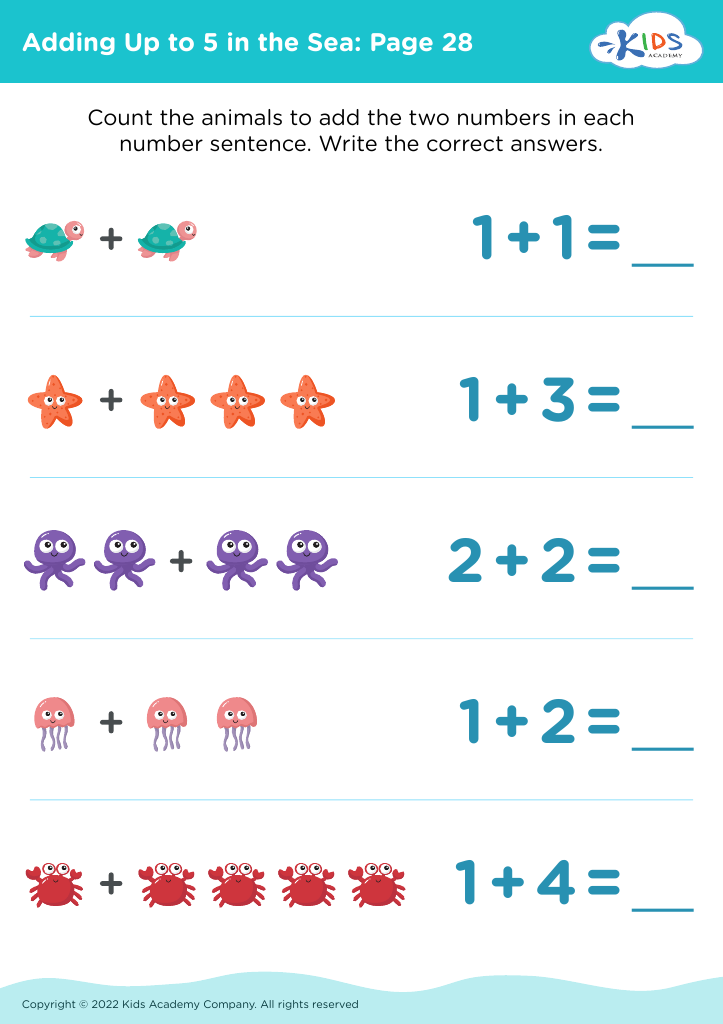
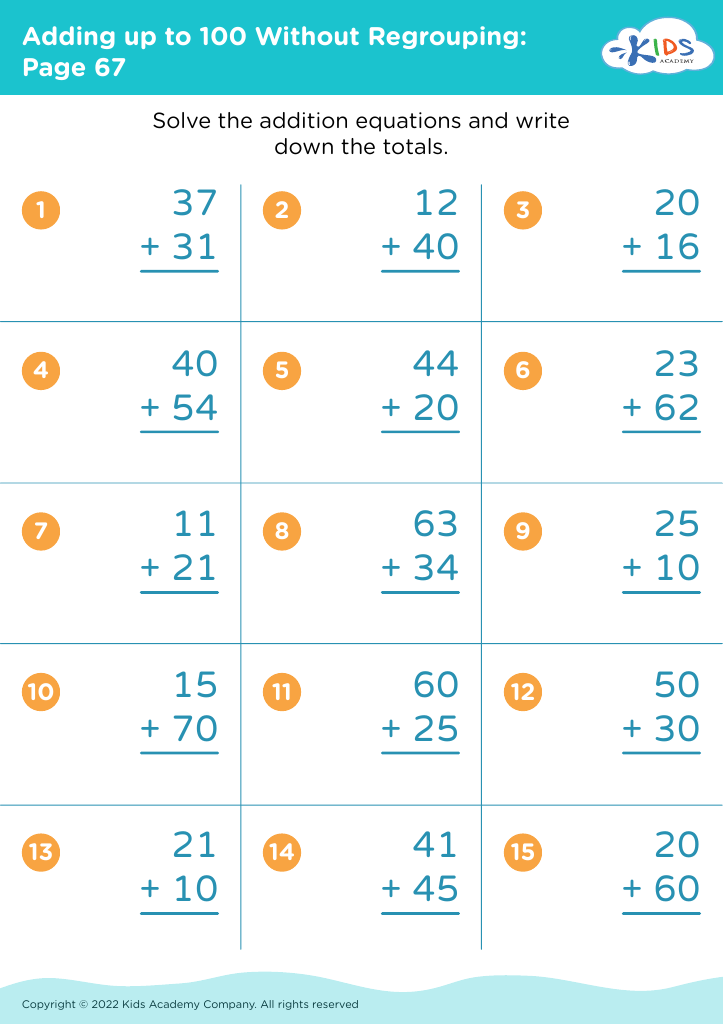
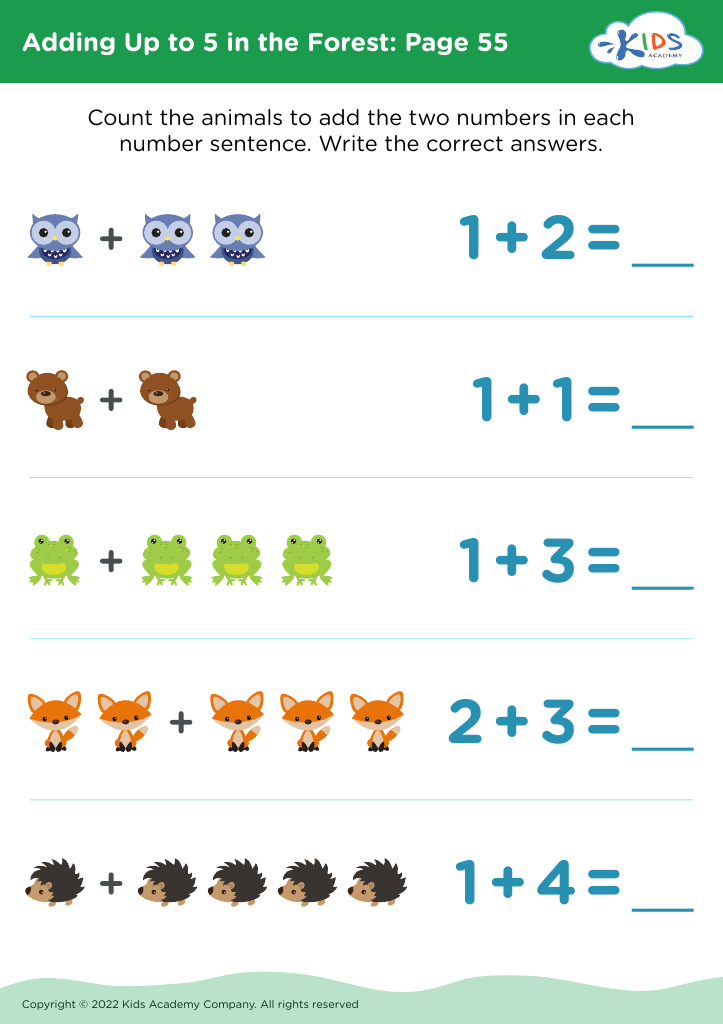
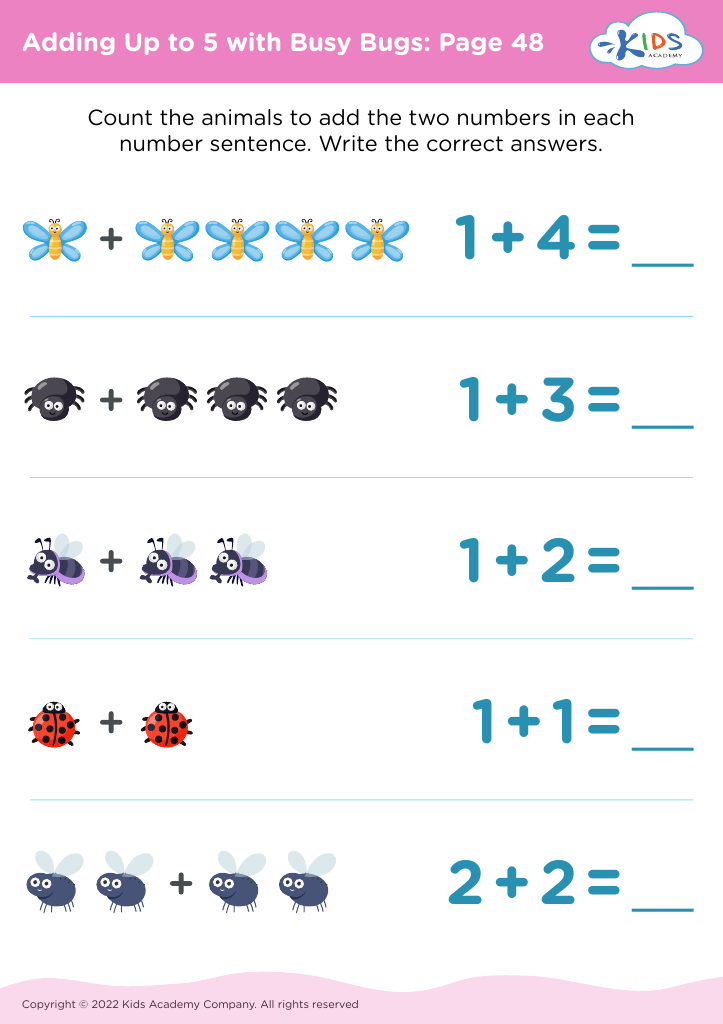
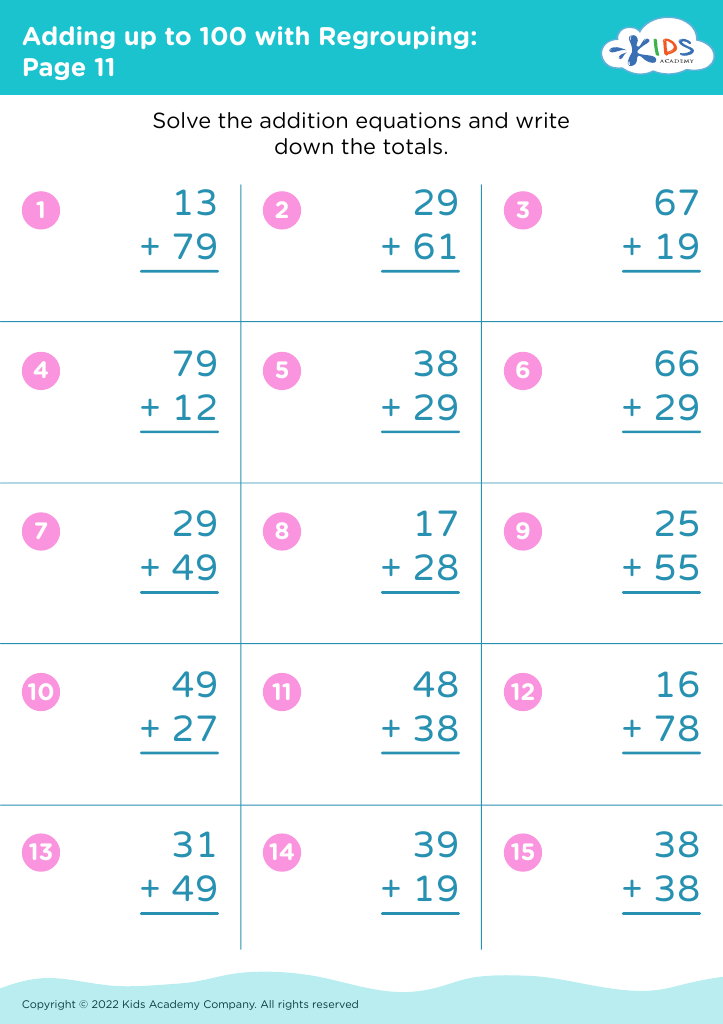
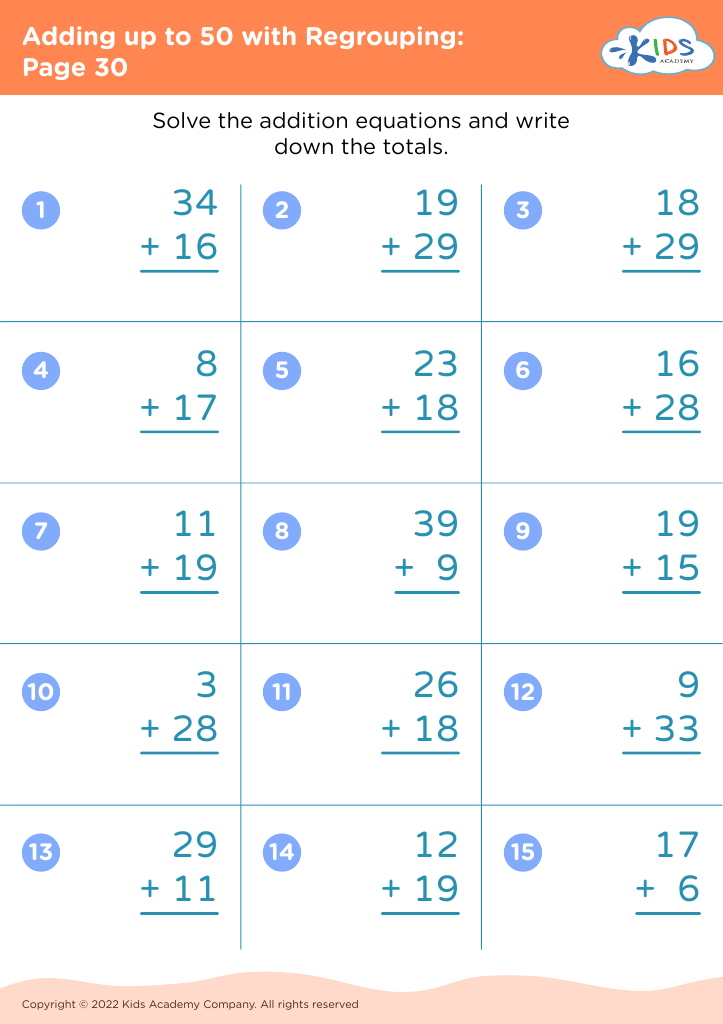
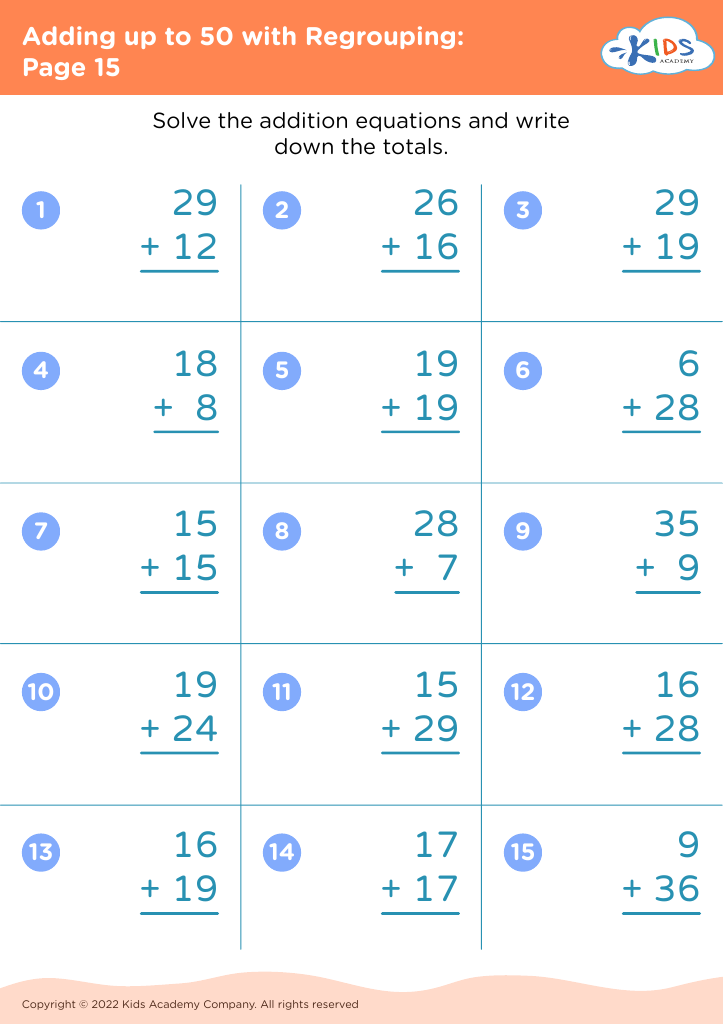
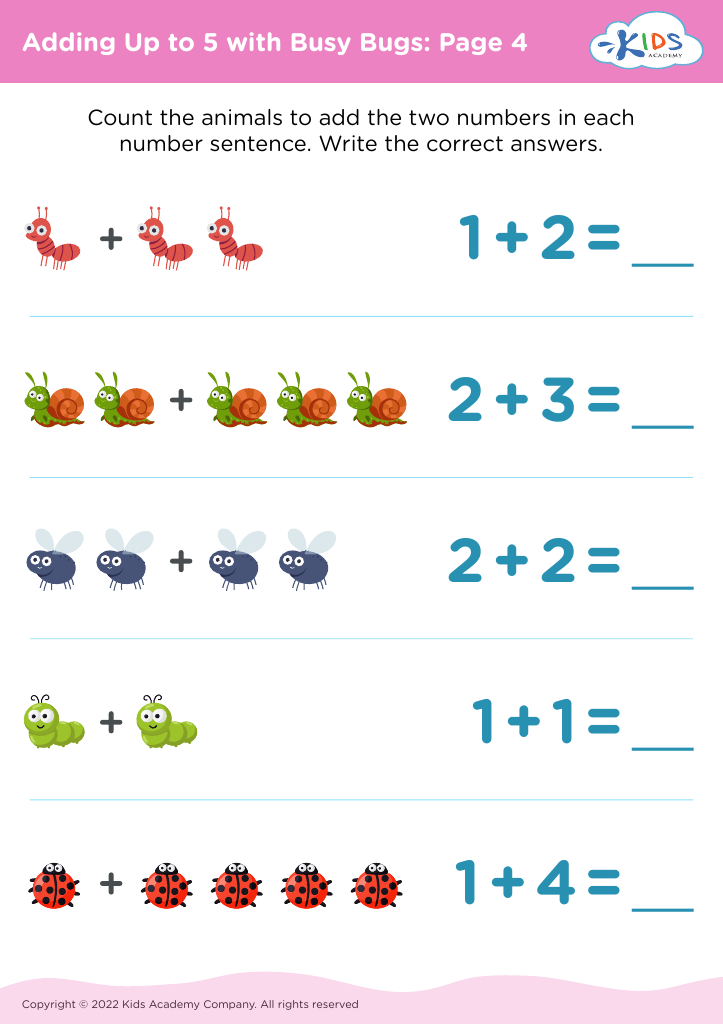
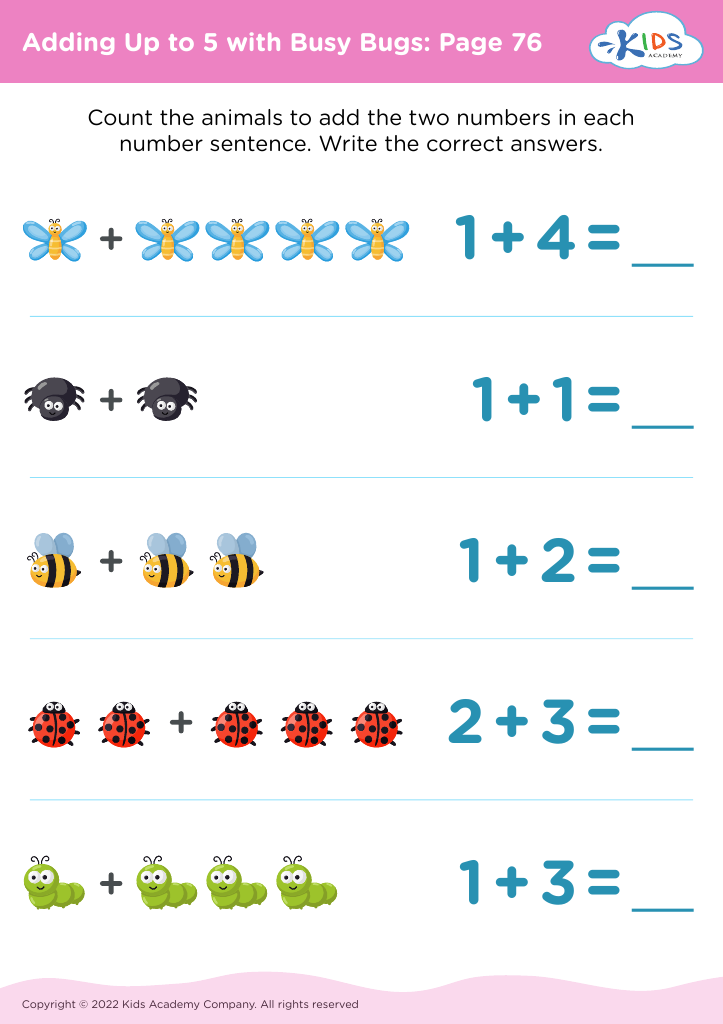
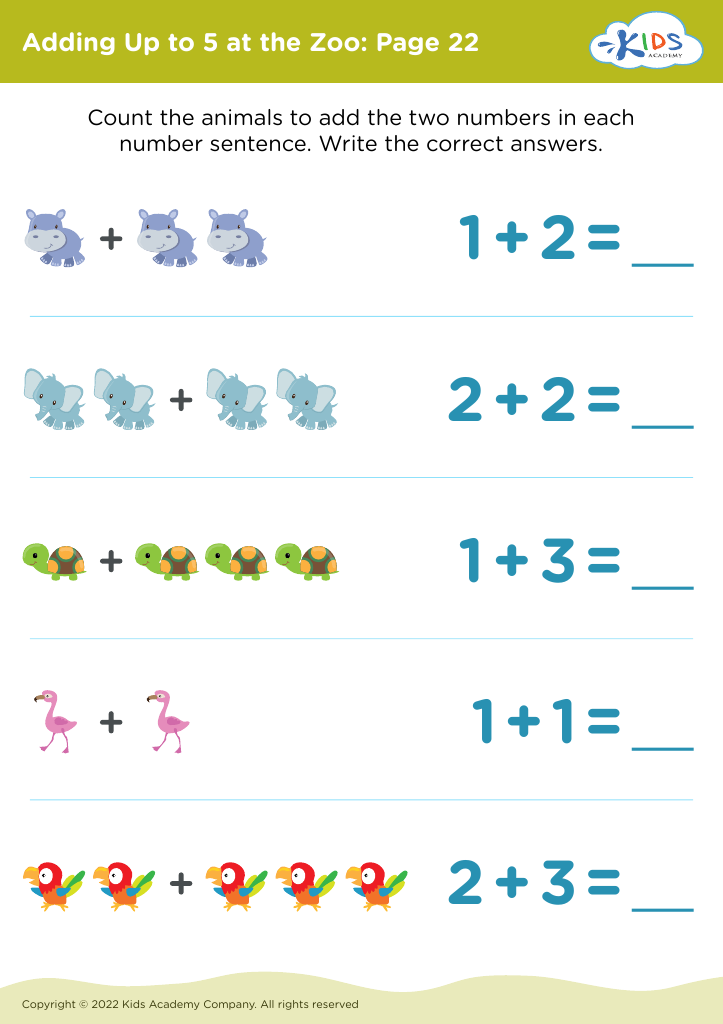
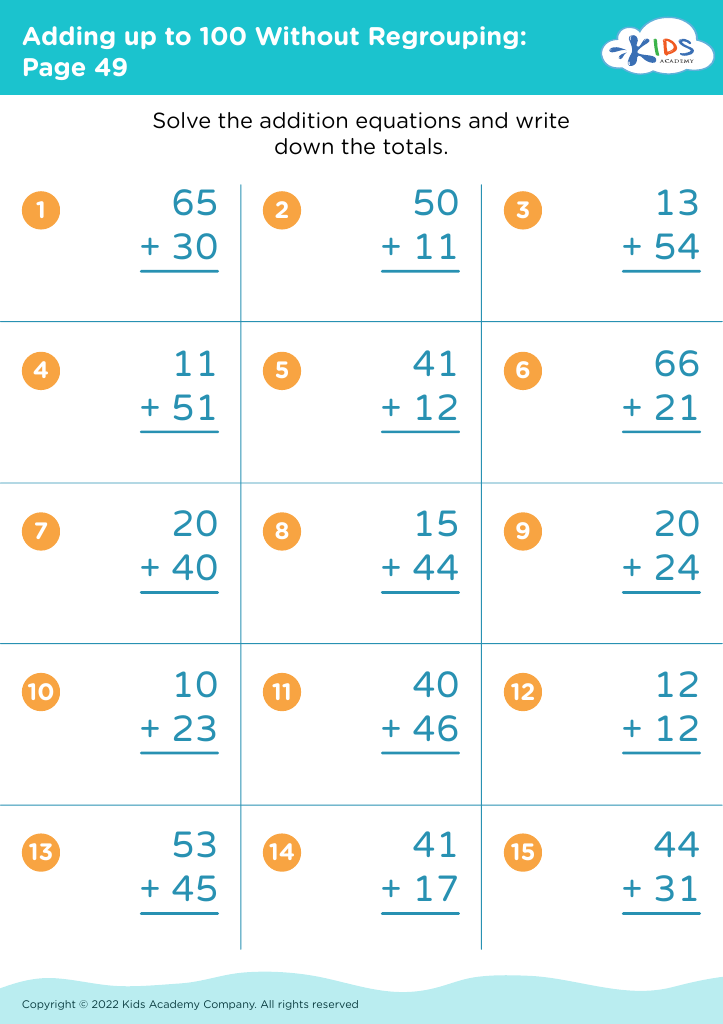
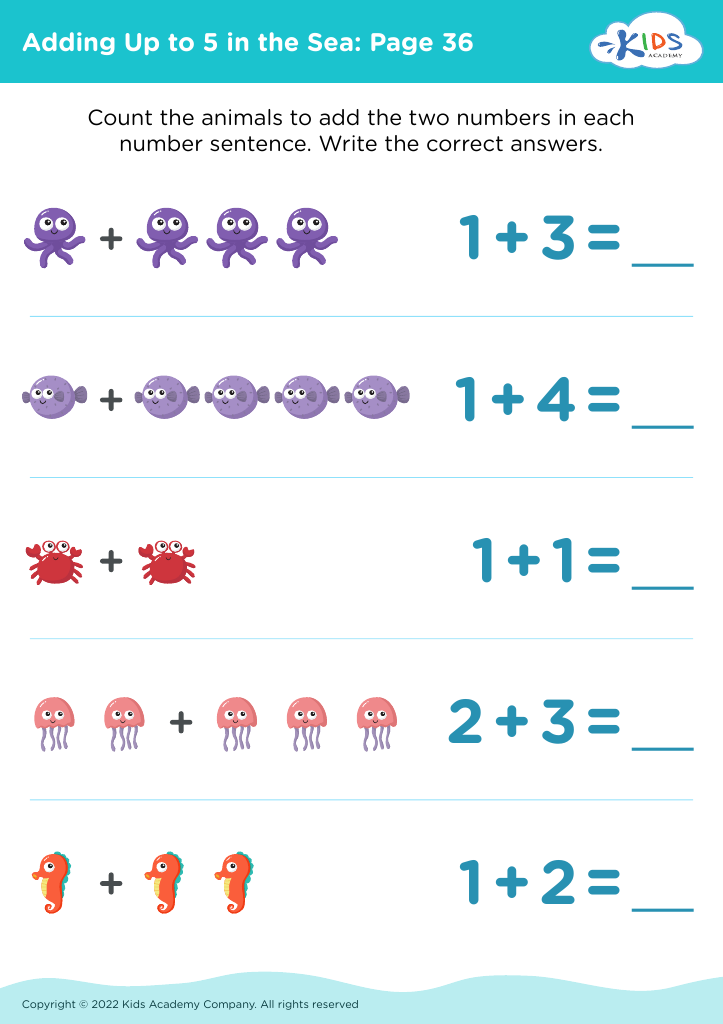
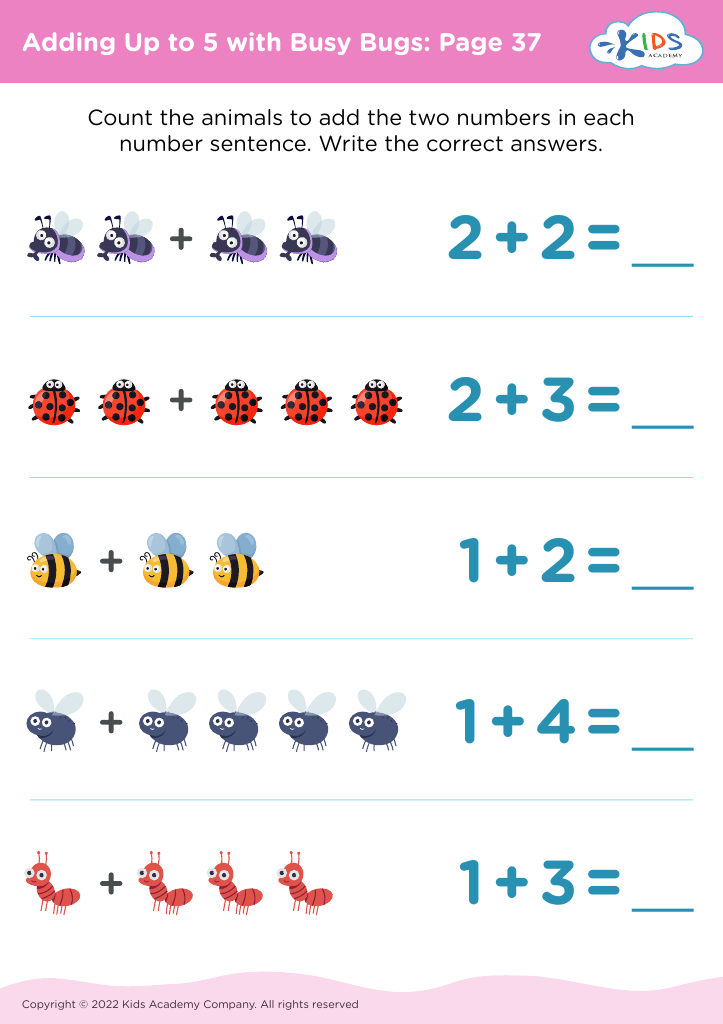
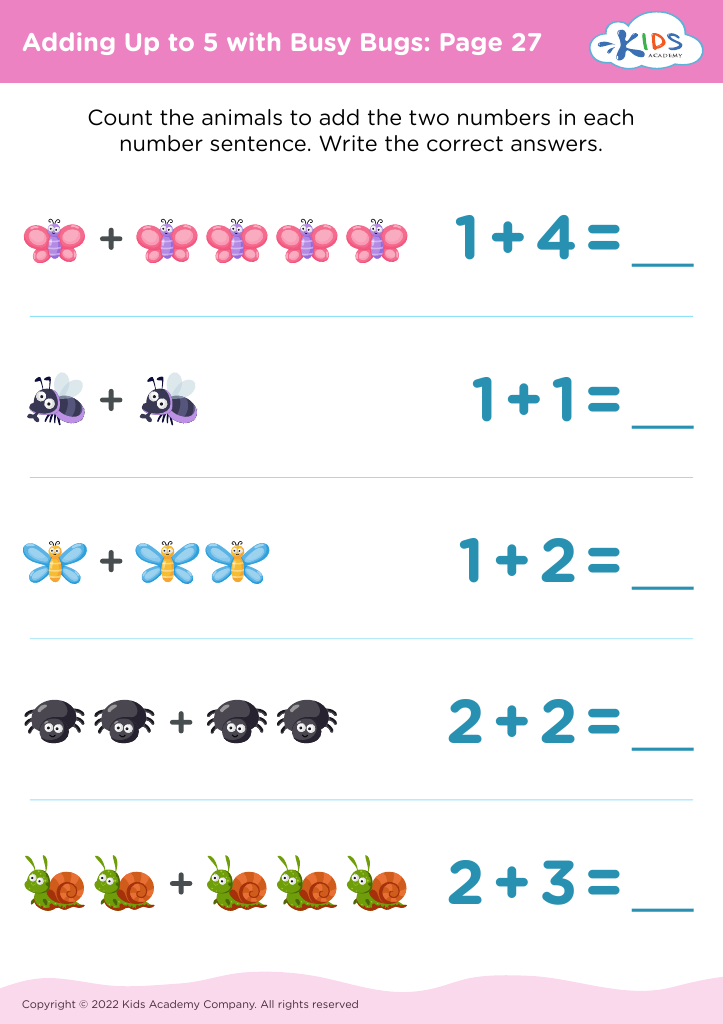
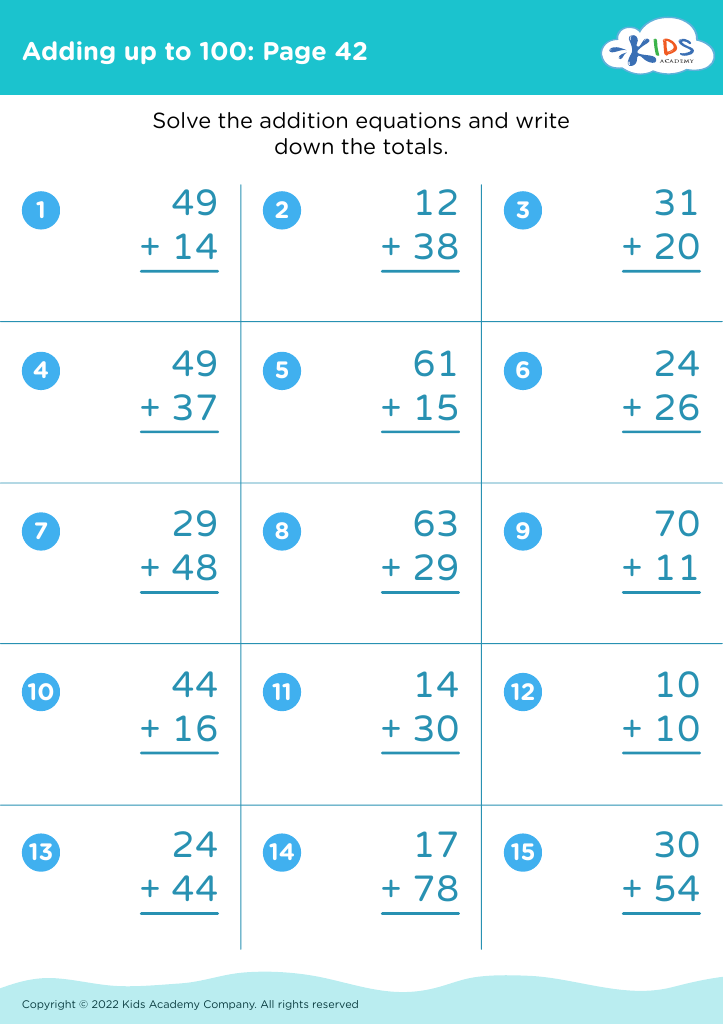
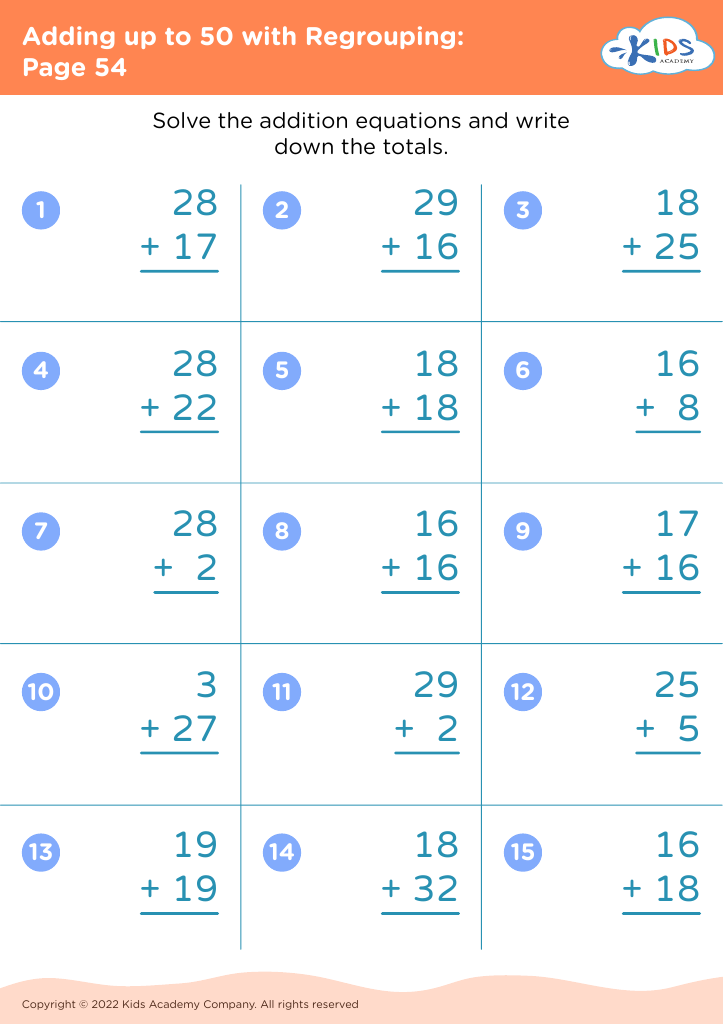
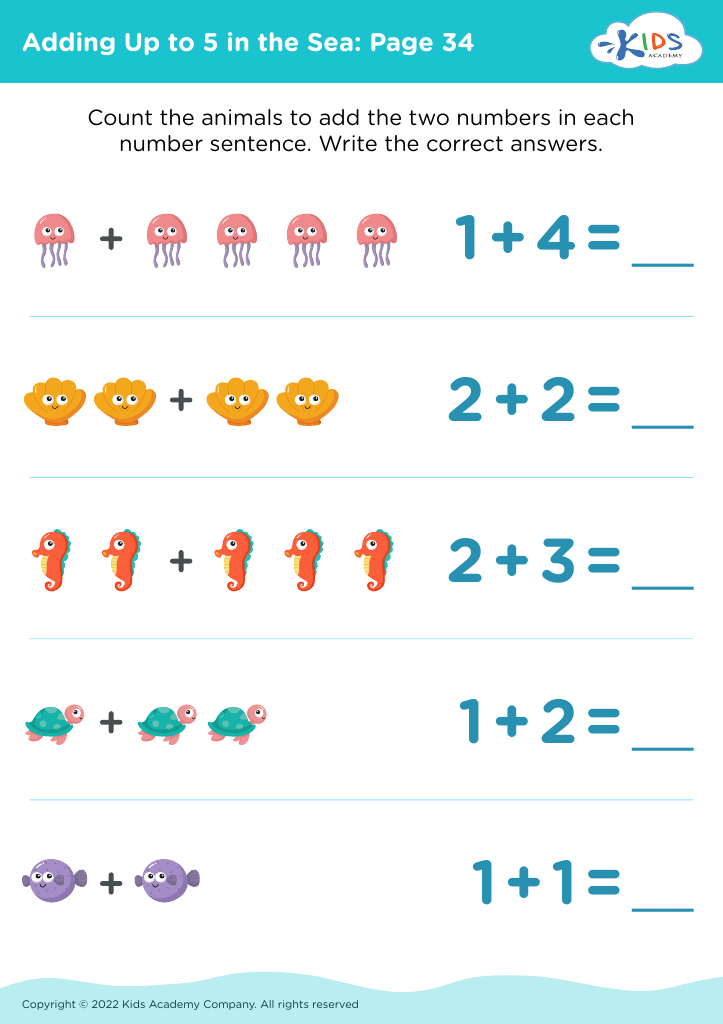
Our Fine Motor Skills Addition Worksheets for ages 3-9 combine the development of critical fine motor skills with fundamental math practice. These engaging, printable worksheets encompass fun activities, such as tracing numbers and solving simple addition problems, helping children to boost their pencil control, hand-eye coordination, and math skills concurrently. Created to cater to individual learning paces, they’re ideal for at-home practice or in the classroom. Each worksheet is brightly illustrated, ensuring that learning remains enjoyable and interactive. Equip your child with the tools they need for academic success, all while enhancing their fine motor abilities.
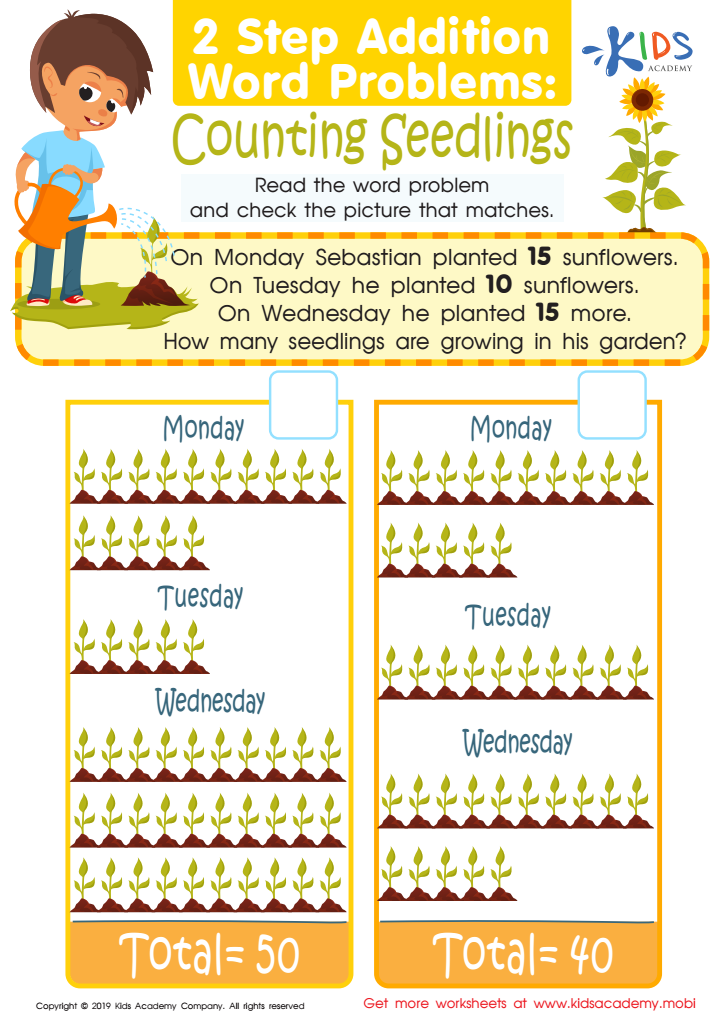
Counting Seedlings Worksheet
 Assign to My Students
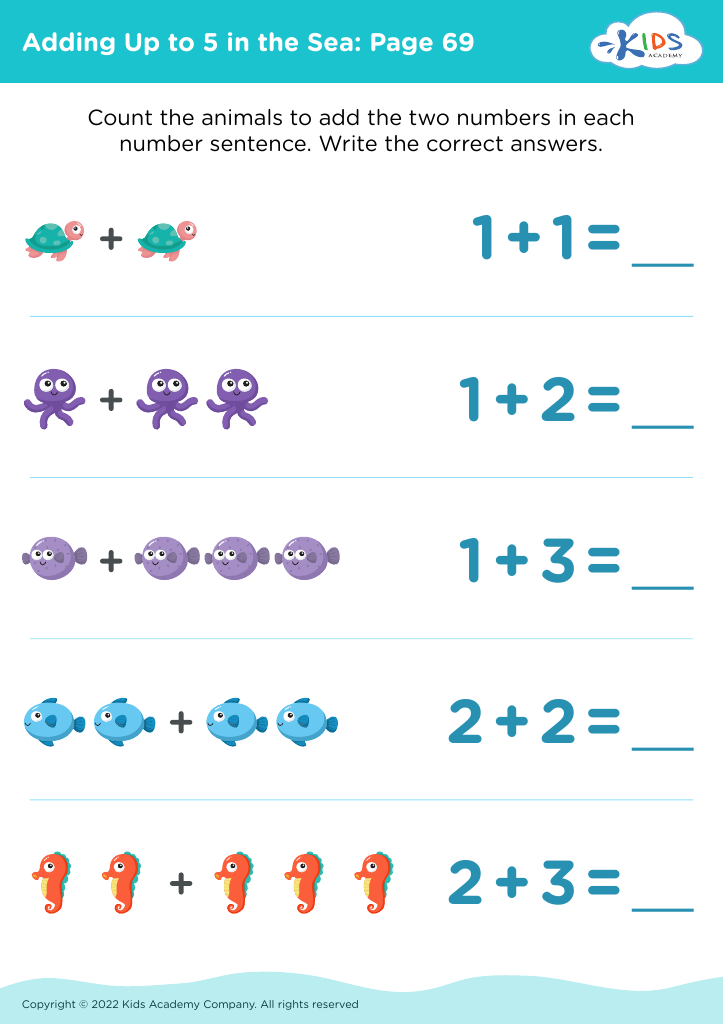
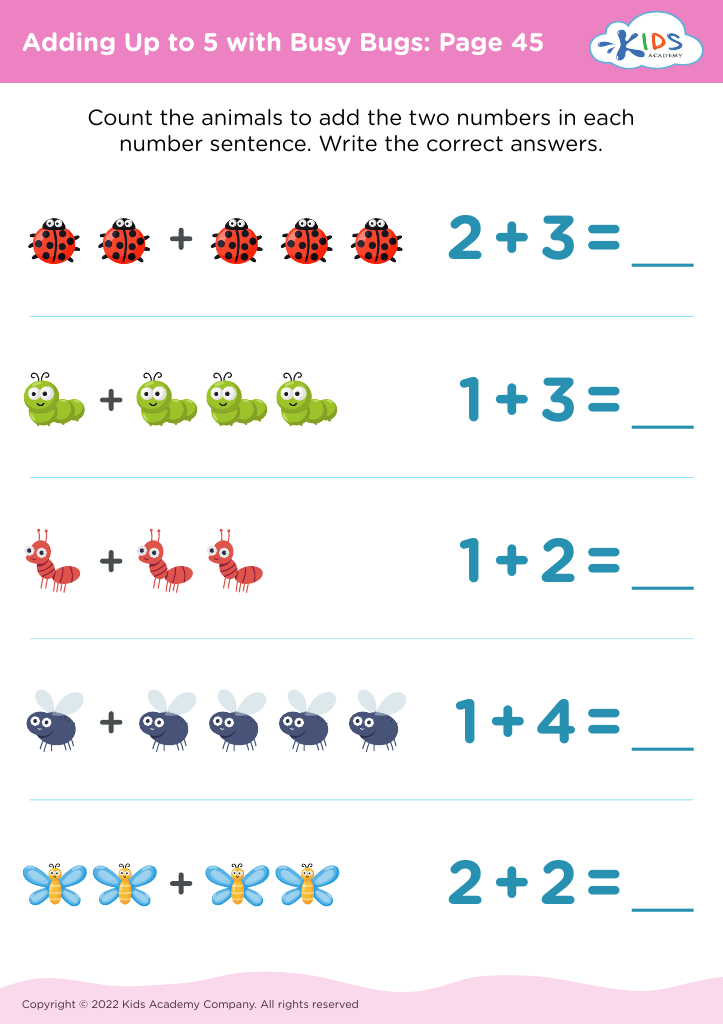
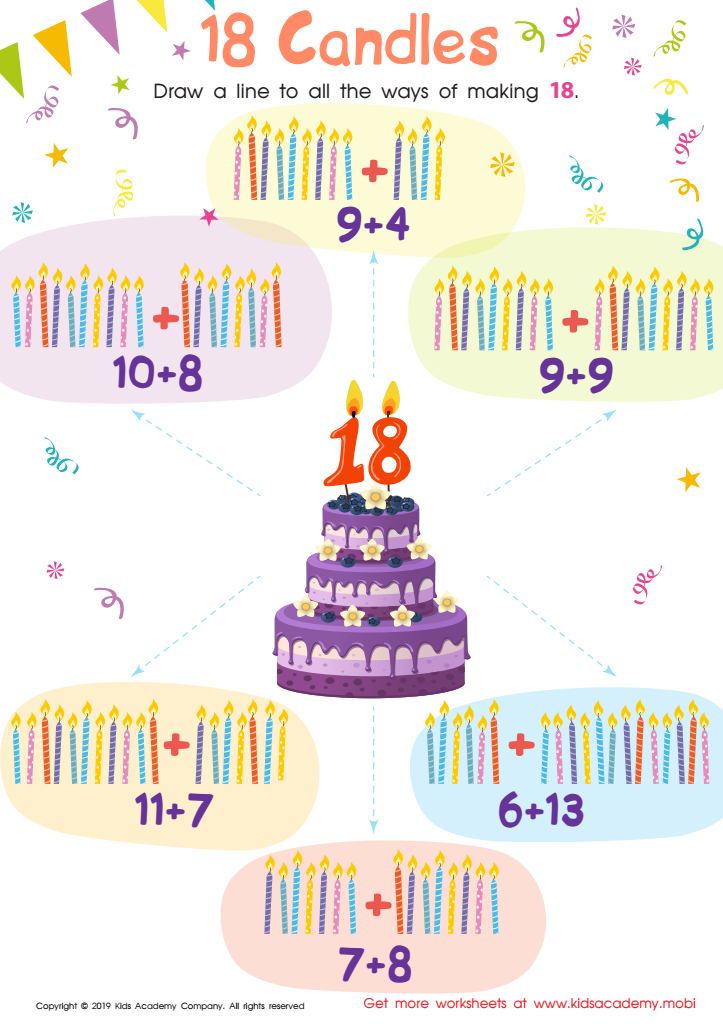
18 Candles Worksheet








Fine motor skills are crucial for children aged 3-9 as they form the foundation for many essential life tasks and academic activities. These skills involve the coordination of small muscles in the hands and fingers, allowing children to perform precise movements. Parents and teachers should prioritize the development of fine motor skills because they directly influence a child's ability to write, draw, cut with scissors, tie shoelaces, button clothing, and turn pages in a book.
In the classroom, fine motor abilities impact a child's capacity to handle classroom tools effectively, contributing to their academic success and self-esteem. Children who struggle with these skills may face challenges in keeping up with schoolwork, leading to frustration and potential academic delays. Early encouragement and practice help ensure that children develop the dexterity and control needed for more complex tasks as they grow older.
Additionally, engaging activities that promote fine motor skills development can enhance children's cognitive abilities, improve their hand-eye coordination, and boost confidence. Simple activities like playing with building blocks, drawing, threading beads, or practicing handwriting exercises can make a significant positive impact. By focusing on fine motor skill addition during these formative years, parents and teachers facilitate children's independence, readiness for school, and overall development, laying a strong foundation for their future learning and day-to-day functioning.








