Identifying fractions Addition Worksheets for Ages 3-9
4 filtered results
-
From - To
Welcome to our engaging "Identifying Fractions Addition Worksheets," designed for children aged 3-9! These interactive worksheets aim to build foundational math skills by helping young learners understand and identify fractions through fun, hands-on activities. Our resources promote visual learning and critical thinking as kids practice adding fractions in a playful and supportive environment. Perfect for parents, teachers, and homeschooling families, these worksheets cater to various learning levels, ensuring every child can grasp the concept of fractions. Explore our collection today to enhance your child's mathematical journey and instill a love for learning through colorful and exciting fraction tasks!
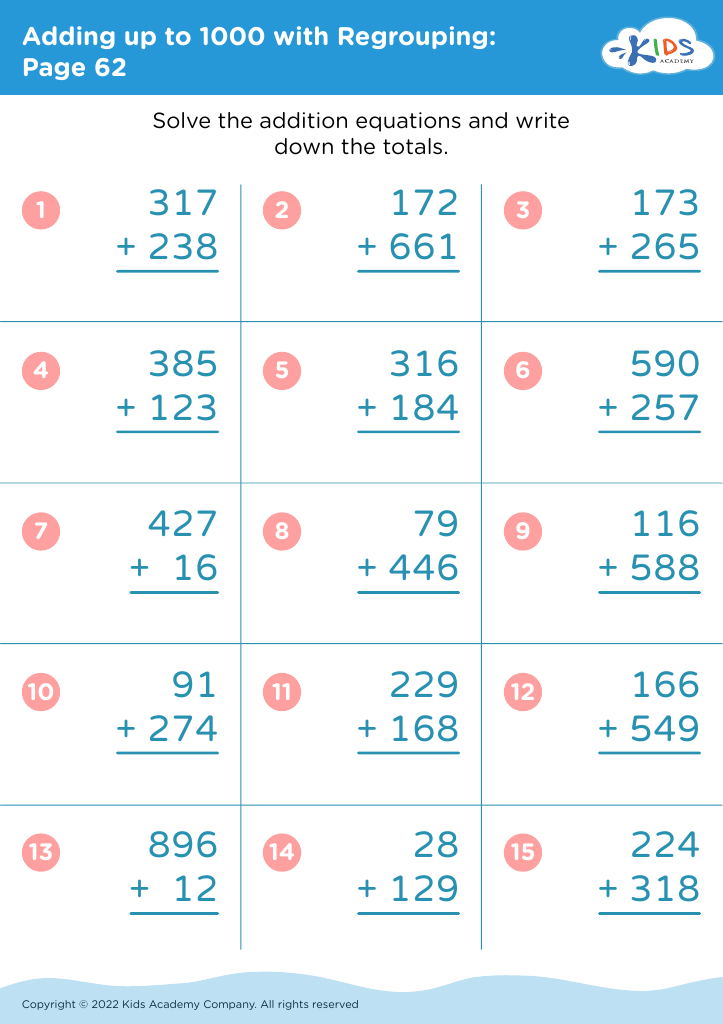
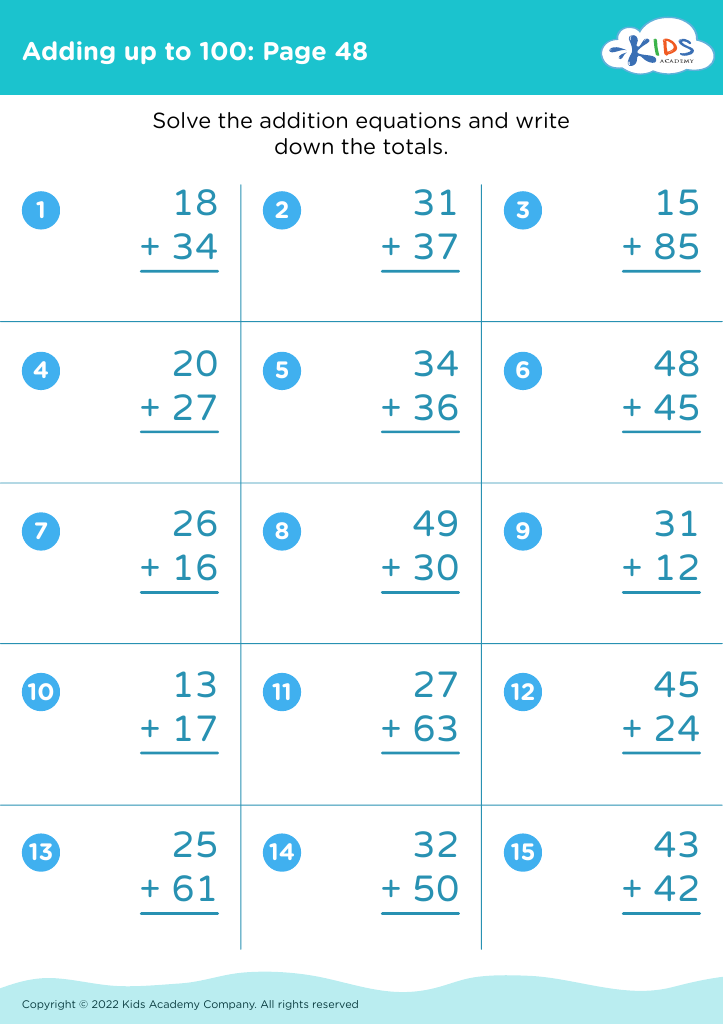
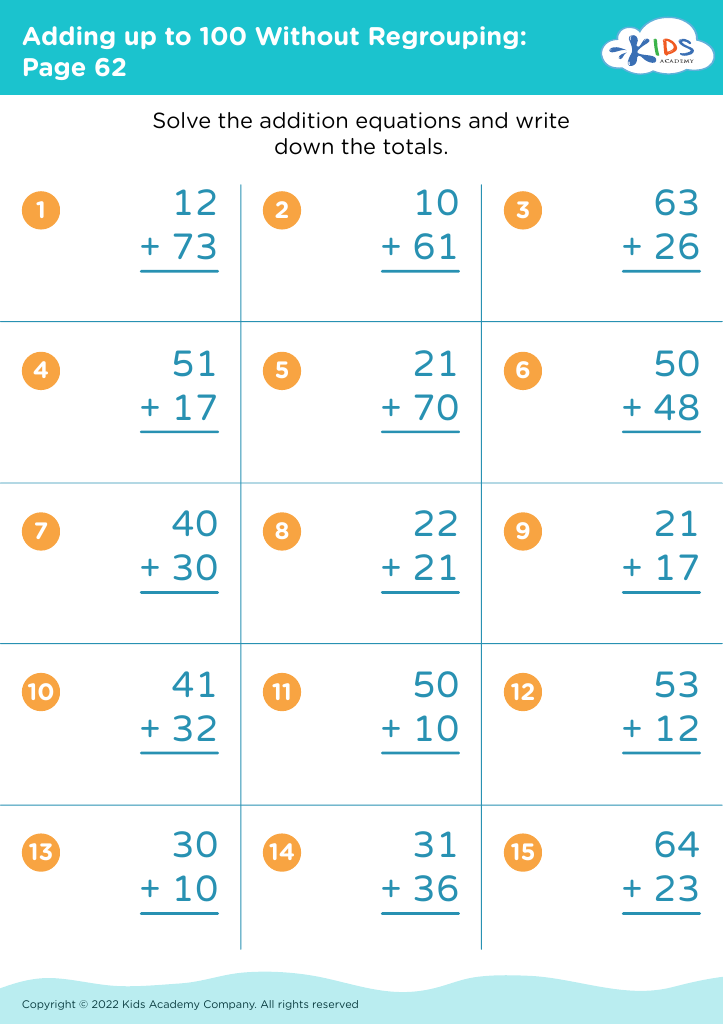
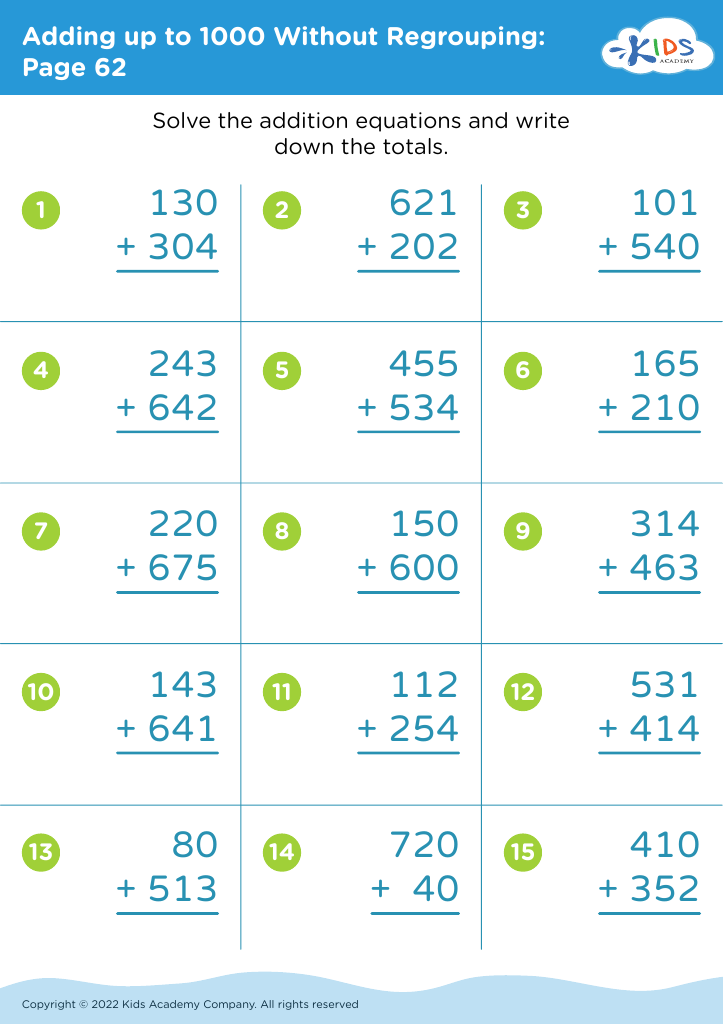








Identifying fractions and understanding addition are foundational skills in mathematics that are essential for early learners aged 3-9. Parents and teachers should prioritize these concepts because they not only build mathematical proficiency but also enhance critical thinking and problem-solving abilities.
Fractions help children grasp the idea of parts of a whole, aiding in their understanding of division and proportional reasoning. When children learn to identify fractions, they develop the ability to visualize and manipulate quantities, which is crucial for tasks such as measuring and comparing. This perceptual skill lays the groundwork for later mathematical concepts, including ratios and percentages.
Incorporating addition of fractions further deepens their understanding of how numbers interact. This addition can be as simple as joining small parts together—such as combining half a sandwich with another half to make a whole—which ties mathematical concepts to everyday experiences.
Moreover, early exposure to these ideas fosters confidence and a positive attitude towards math, combating common anxieties associated with the subject. By engaging children in activities that explore fractions and addition, parents and teachers not only nurture a fundamental math skill set but also encourage a lifelong curiosity and appreciation for learning. Engaging with these concepts early sets the stage for future academic success.








