Improve counting skills Addition Worksheets for Ages 3-9 - Page 2
44 filtered results
-
From - To
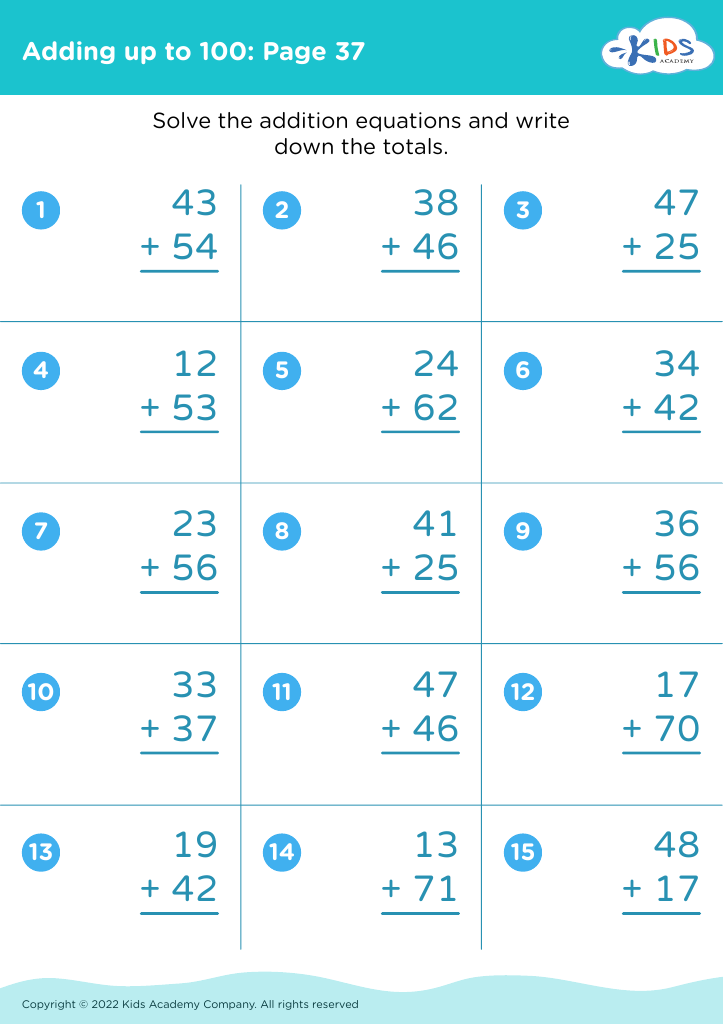
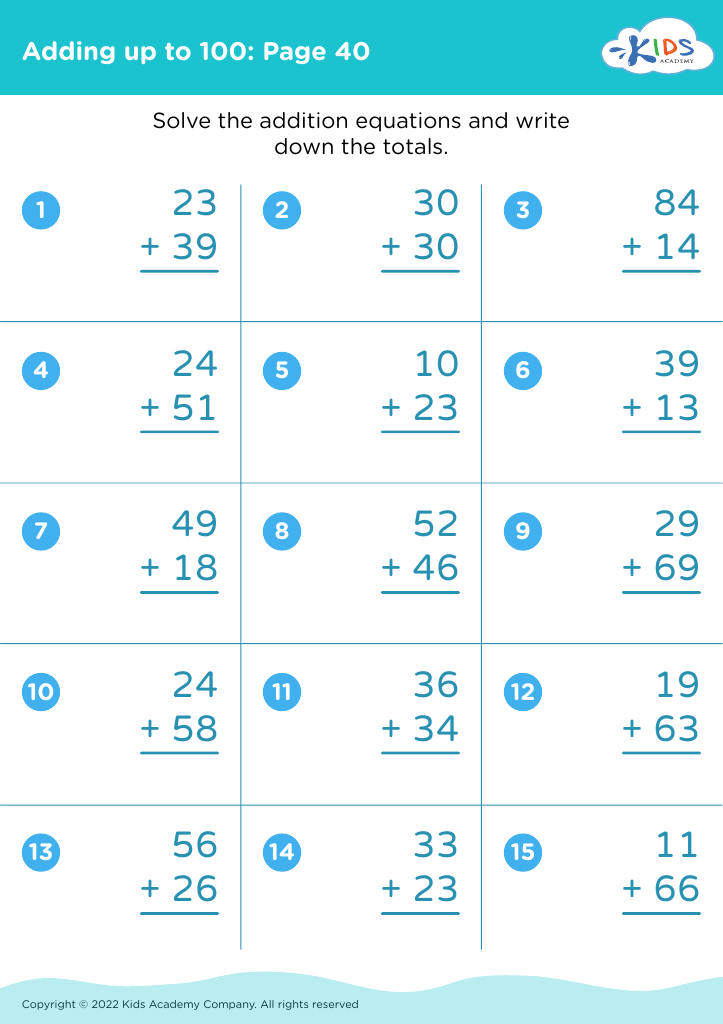
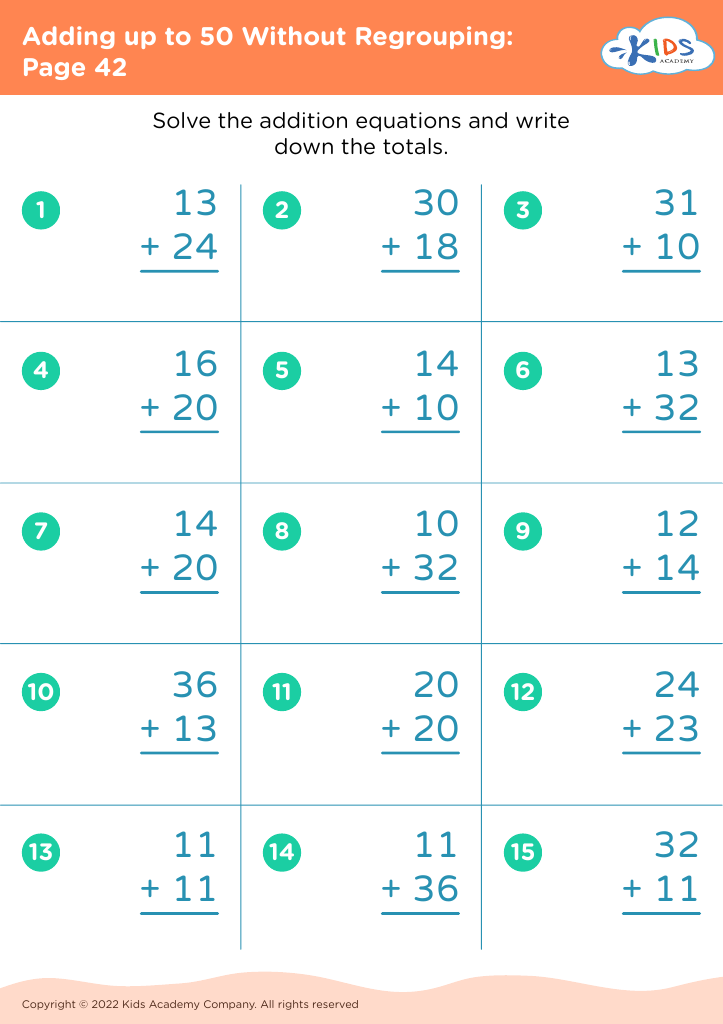
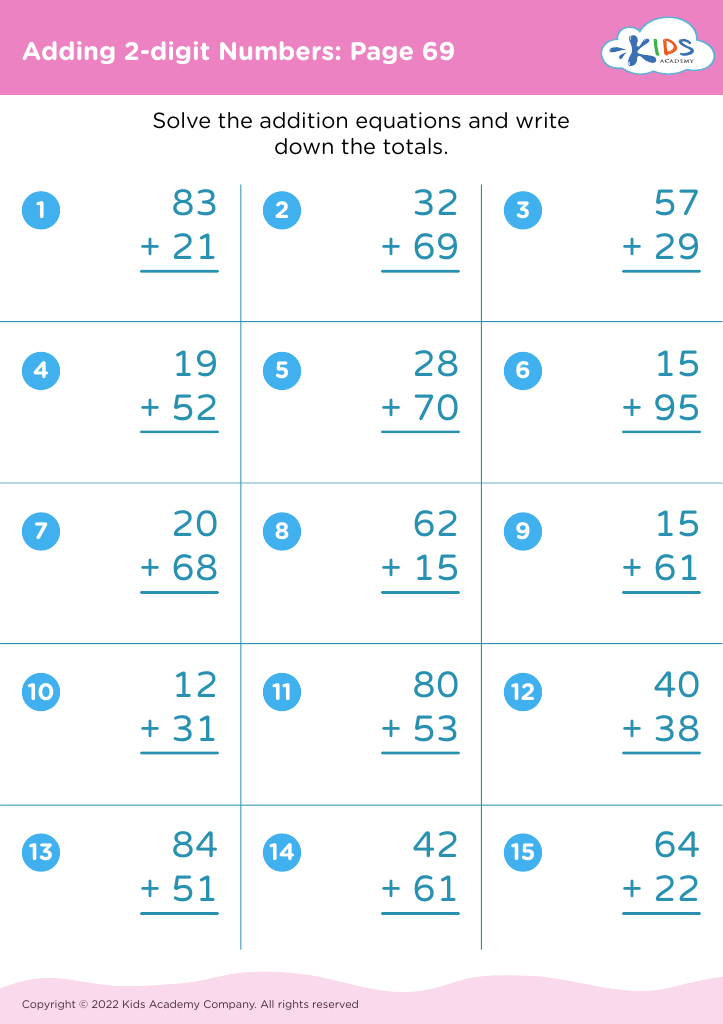
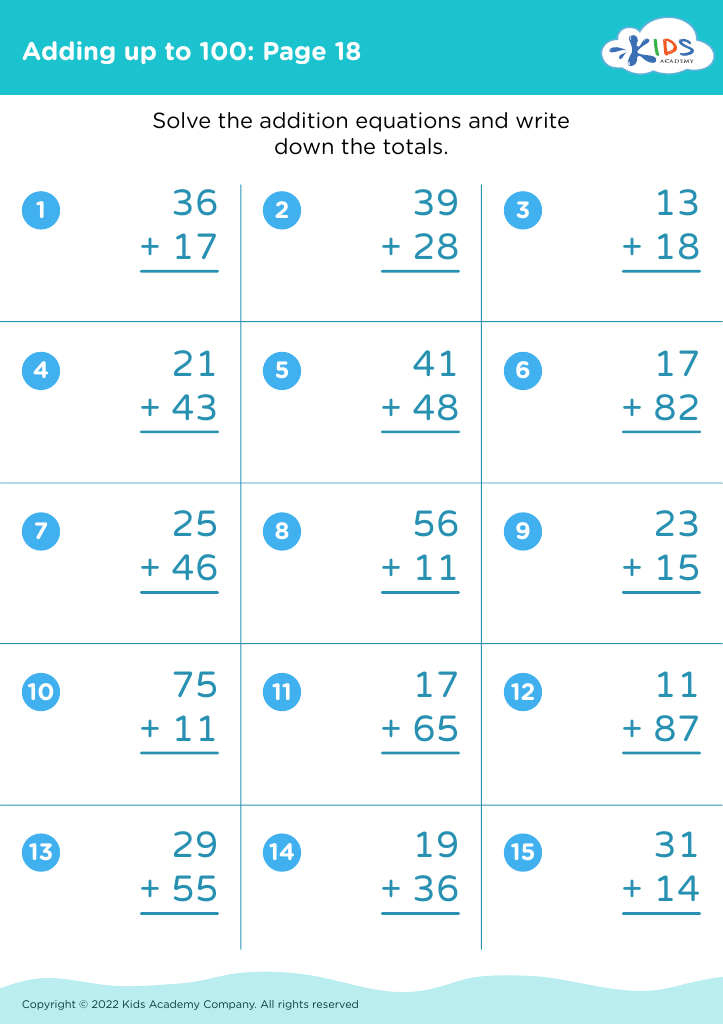
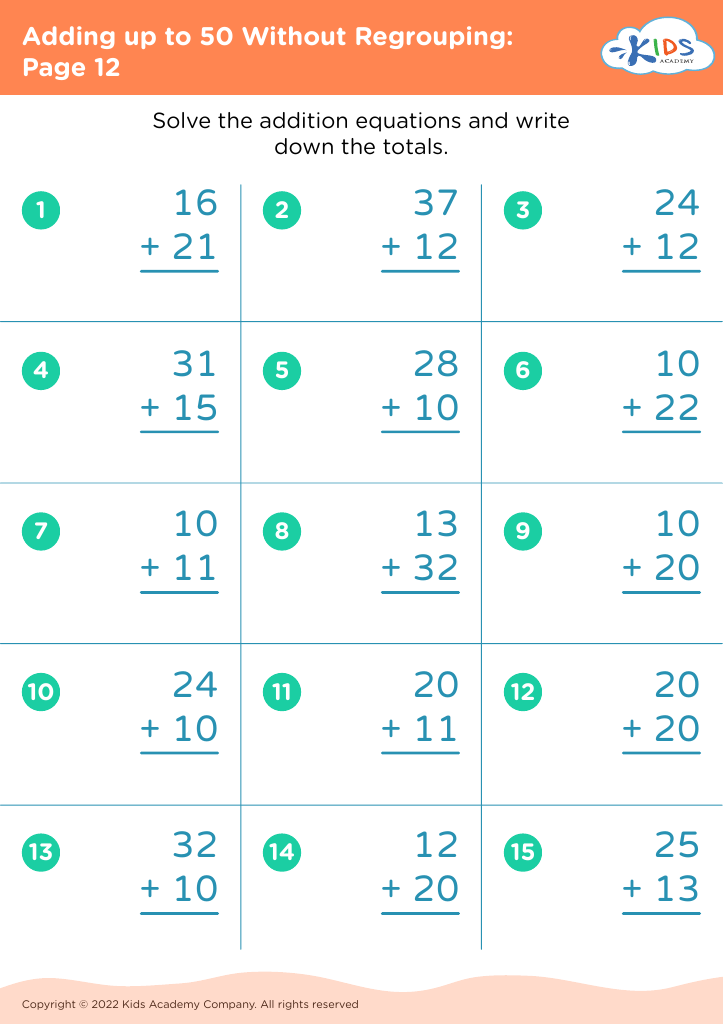
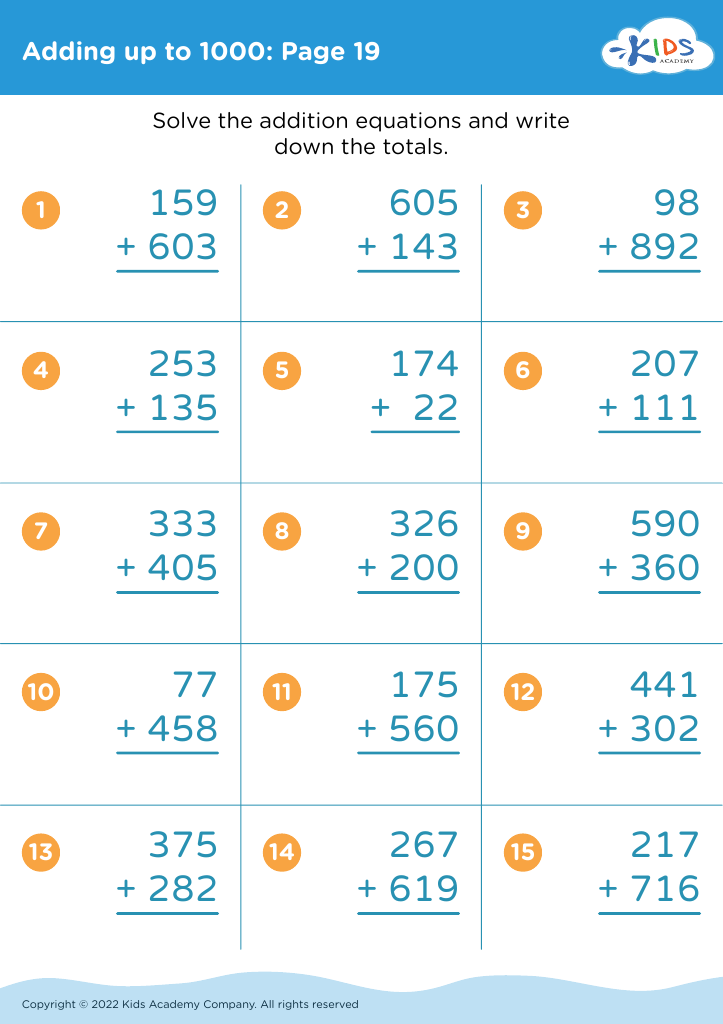
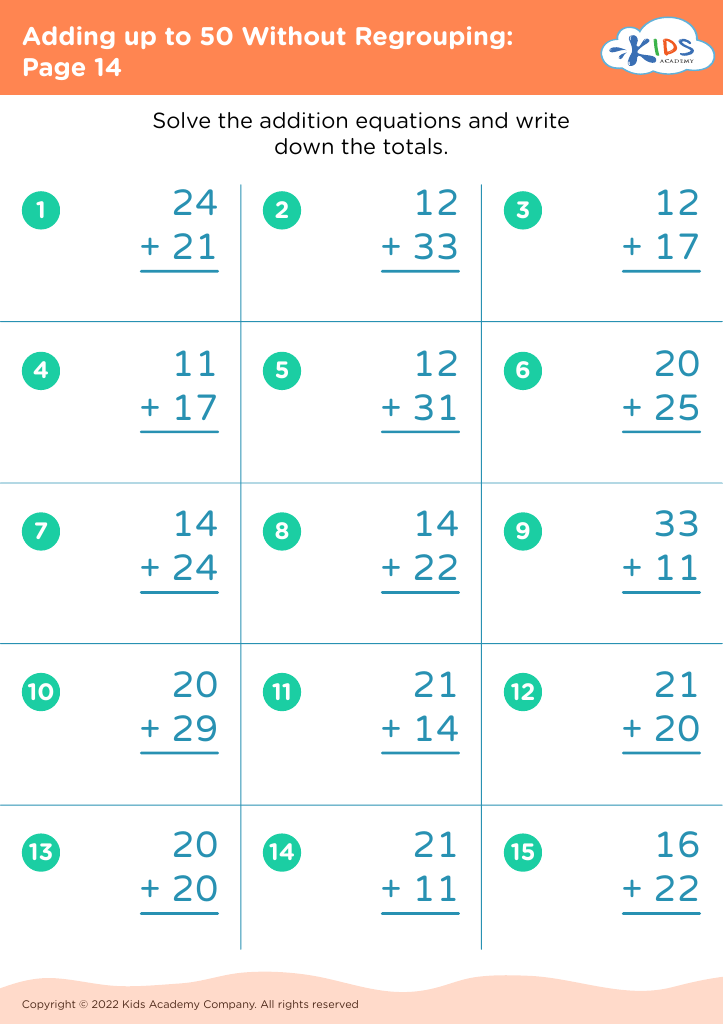
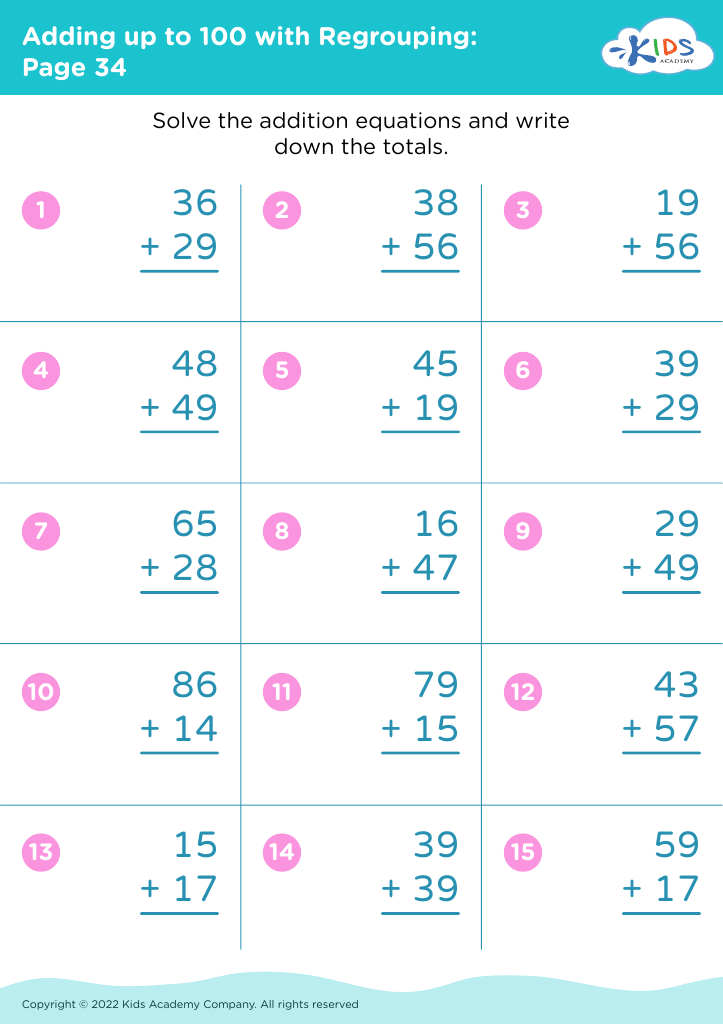
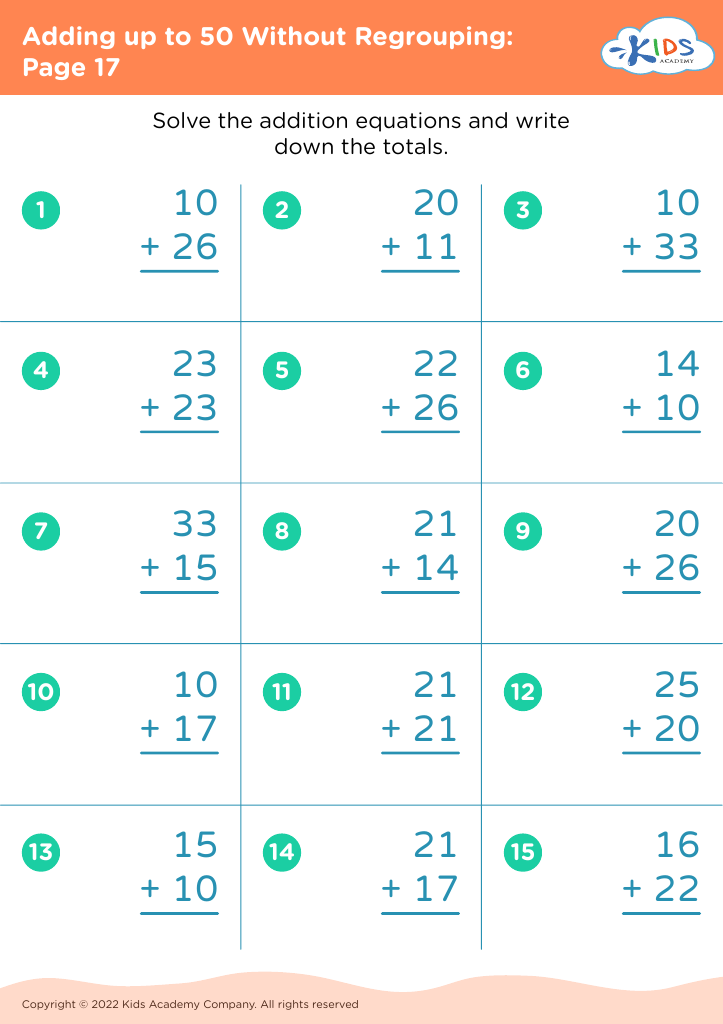
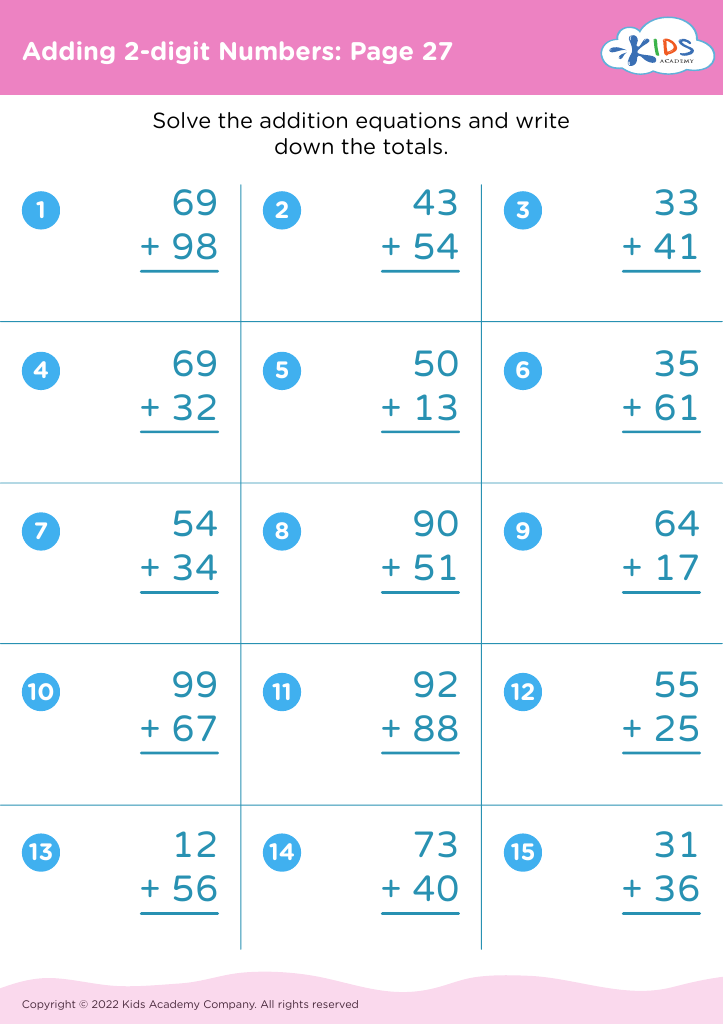
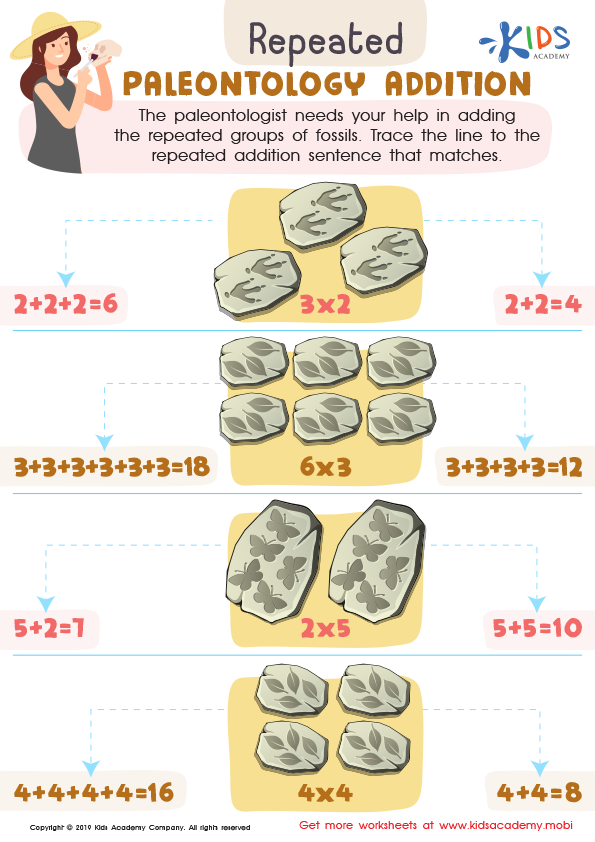
Repeated Archaeology Addition Worksheet
 Assign to My Students
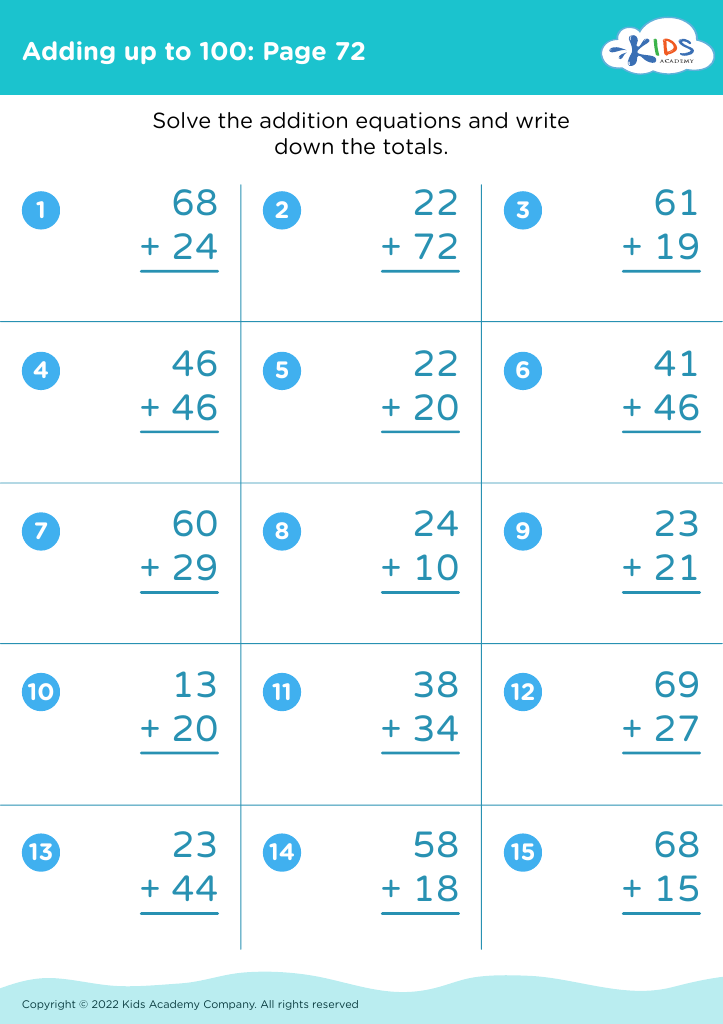
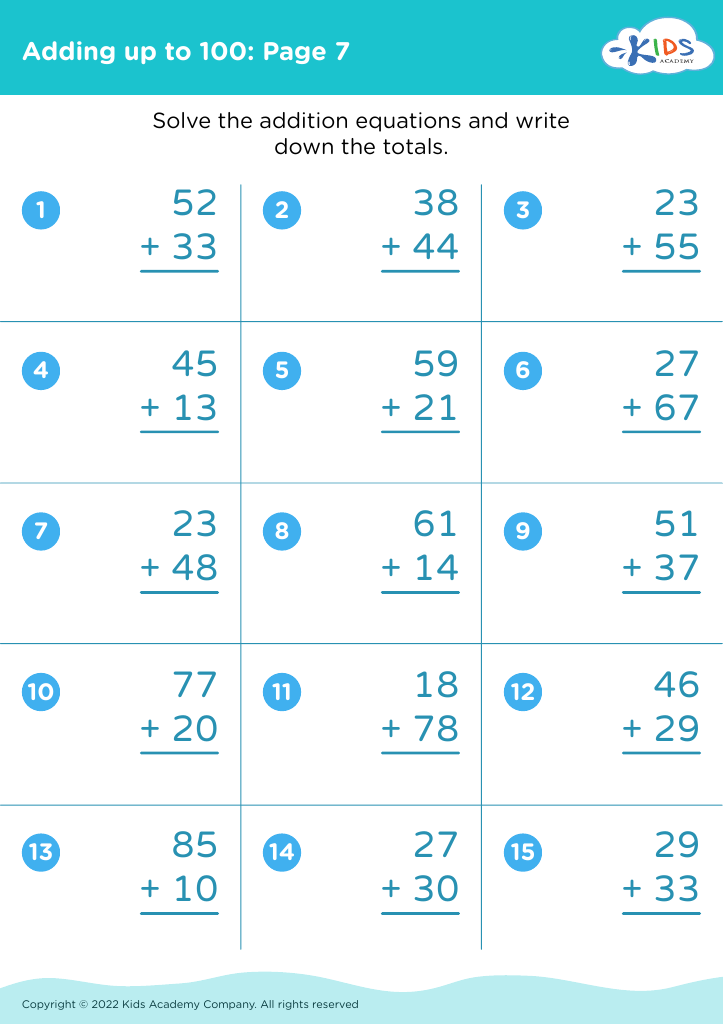
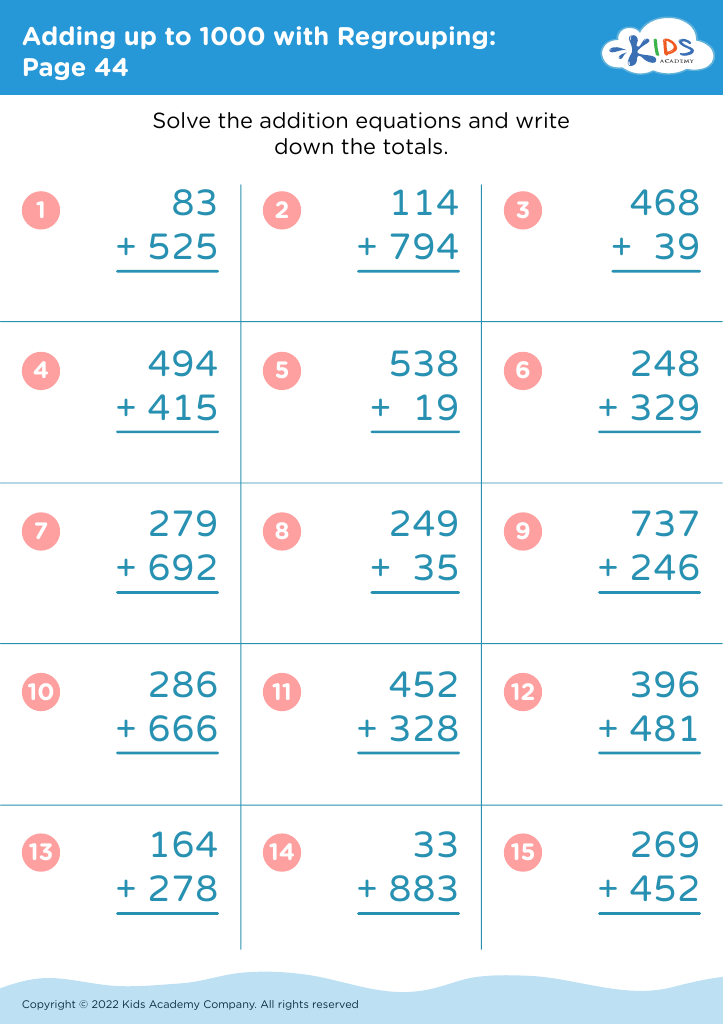
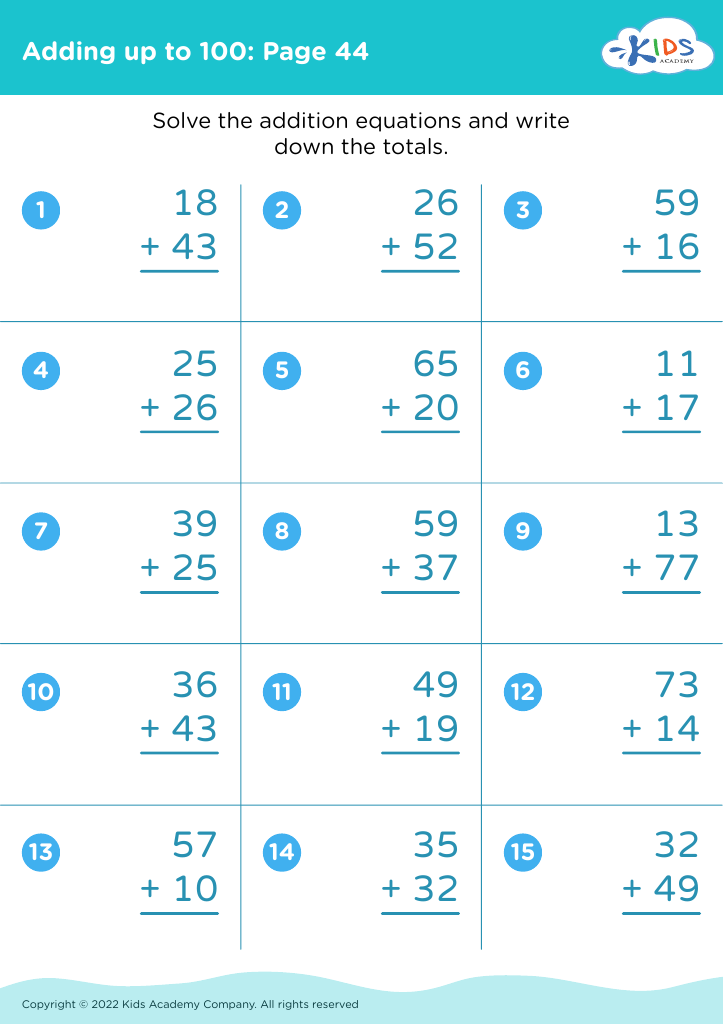








Counting skills and addition are fundamental building blocks in a child's early education from ages 3-9. Parents and teachers should care about improving these skills because they form the foundation for more complex mathematical concepts and problem-solving abilities that children will encounter later in life.
Firstly, counting teaches children number recognition and the ability to sequence numbers, which are crucial for understanding the order and value of numbers. Improved counting skills also help children develop a sense of quantity, which is essential for everyday tasks and logical thinking.
Addition, being the first step in arithmetic, reinforces the concept of quantity and teaches children to combine sets of items, facilitating a deeper understanding of how numbers work. Mastering addition and counting early on builds confidence and encourages a positive attitude towards math. This early success can lead to improved performance in more advanced mathematics and other STEM-related areas throughout their academic journey and beyond.
Moreover, these skills are not limited to academic growth but enhance cognitive development, such as memory, attention, and critical thinking. They also play an essential role in developing life skills including budgeting, shopping, and time management.
In conclusion, focusing on improving counting and addition skills for children ages 3-9 provides a robust mathematical foundation and supports overall cognitive and practical growth.








