Improve fine motor skills Addition Worksheets for Ages 3-9
3 filtered results
-
From - To
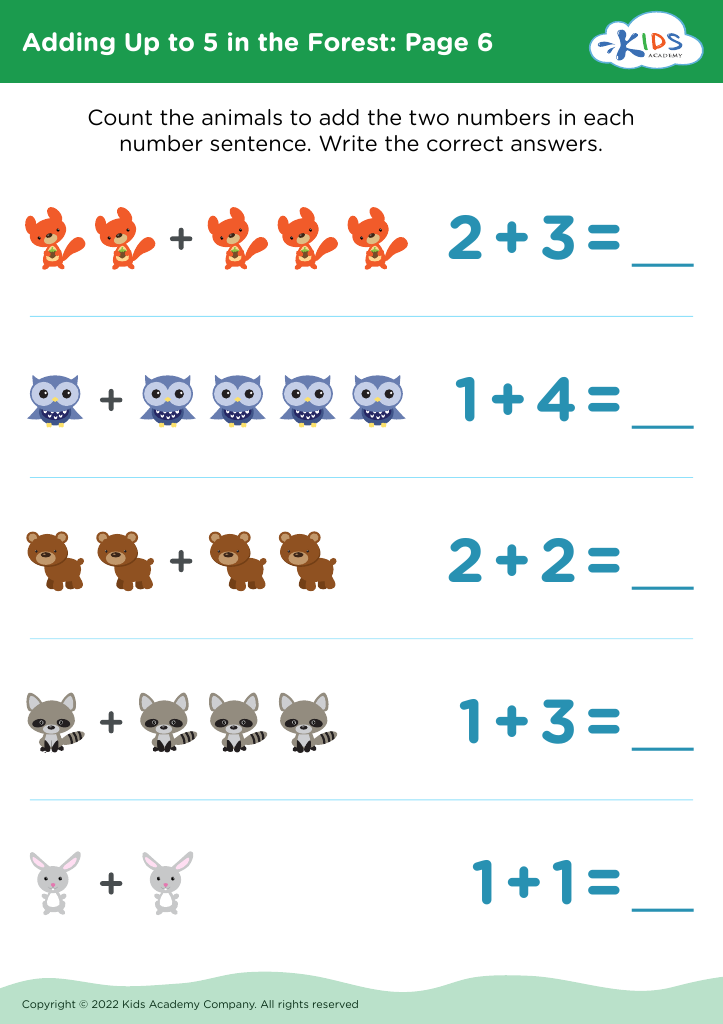
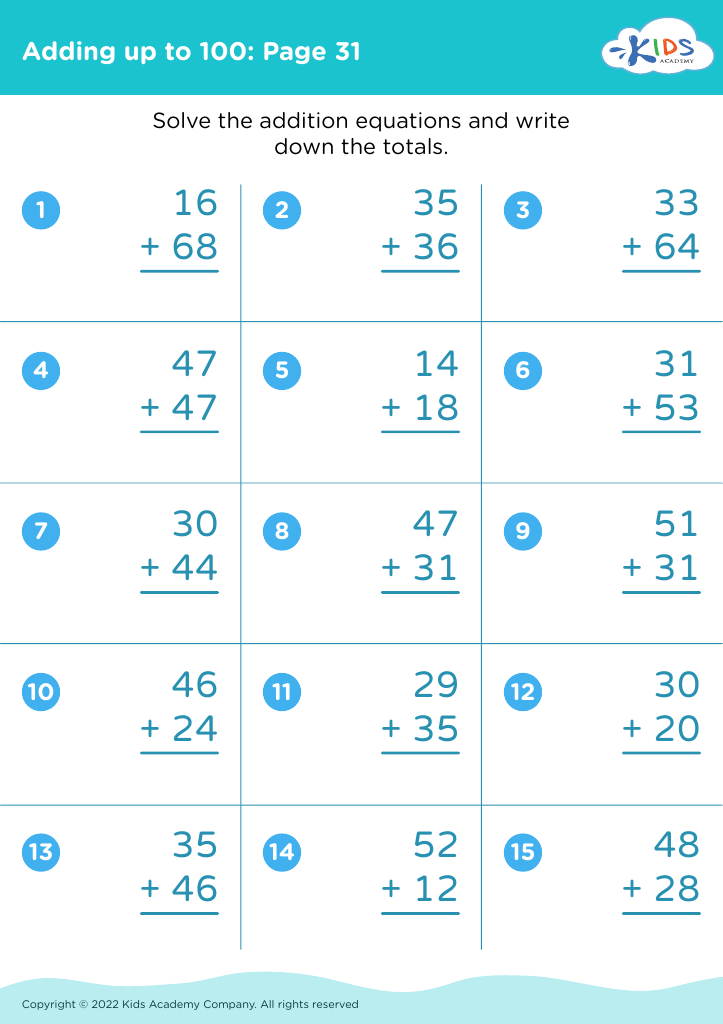
Discover our engaging addition worksheets designed to enhance fine motor skills for children ages 3-9! These interactive activities seamlessly combine math practice with fun, helping young learners develop essential coordination and dexterity. Each worksheet encourages kids to manipulate various materials, such as crayons and scissors, to reinforce their writing and math abilities. Tailored to meet early educational needs, our resources promote cognitive growth while engaging children in enjoyable, hands-on tasks. Ideal for home or classroom use, these worksheets provide a delightful way to strengthen fine motor skills while mastering basic addition concepts. Start your child’s journey to skill development today!



.jpg)





Fine motor skills are crucial for children aged 3 to 9 as they form the foundation for daily activities and academic success. These skills involve the coordination of small muscles in the hands and fingers, enabling children to complete tasks such as writing, drawing, cutting, and self-care routines like buttoning shirts or zipping jackets. Improving fine motor skills contributes to a child's ability to express themselves creatively and helps build their confidence in the classroom.
Parents and teachers should prioritize activities that enhance fine motor skills, as they play a vital role in cognitive development, including problem-solving and spatial awareness. Engaged motor skill activities, like puzzles, crafts, and playdough manipulation, can make learning enjoyable and promote concentration, focus, and perseverance. These foundational skills are not just essential for early childhood milestones; they lay the groundwork for future academic tasks such as handwriting and using technology.
Moreover, enhancing fine motor skills can significantly impact a child’s emotional well-being. As children gain proficiency in these activities, their sense of accomplishment can boost self-esteem and motivation. Therefore, investing time in developing fine motor skills is beneficial for holistic child development and academic readiness.








