Numeracy skills Addition Worksheets for Ages 3-9
10 filtered results
-
From - To
Boost your child’s numeracy skills with our engaging Addition Worksheets designed for ages 3 to 9! These vibrant, printable resources allow young learners to practice fundamental addition concepts in a fun and interactive way. Each worksheet reinforces key mathematical principles while encouraging critical thinking and problem-solving abilities. Access a variety of activities that cater to different learning styles, ensuring every child can build confidence in their arithmetic skills. Our worksheets are perfect for home or classroom use, providing educators and parents a versatile tool to facilitate learning. Unlock the joy of numbers and help your child thrive in their early mathematics journey today!
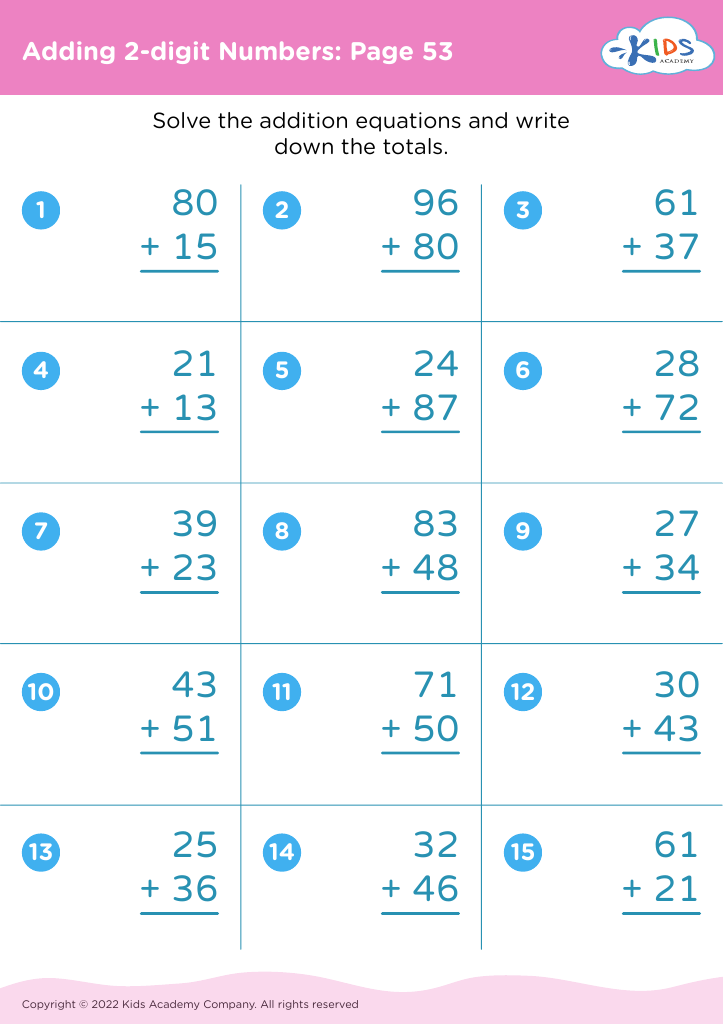
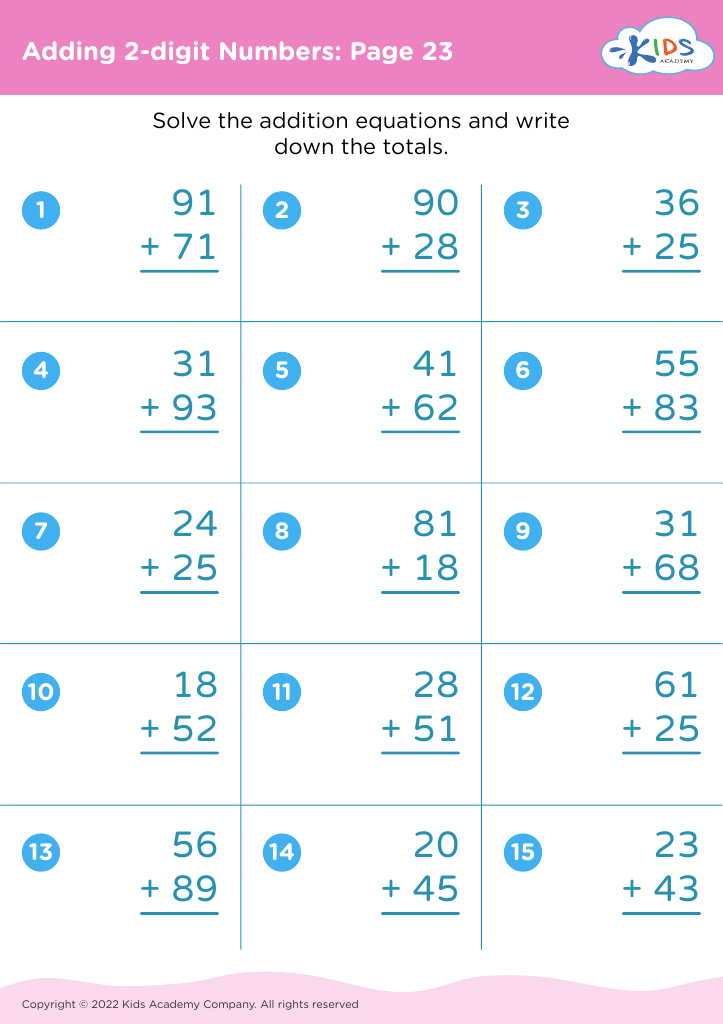
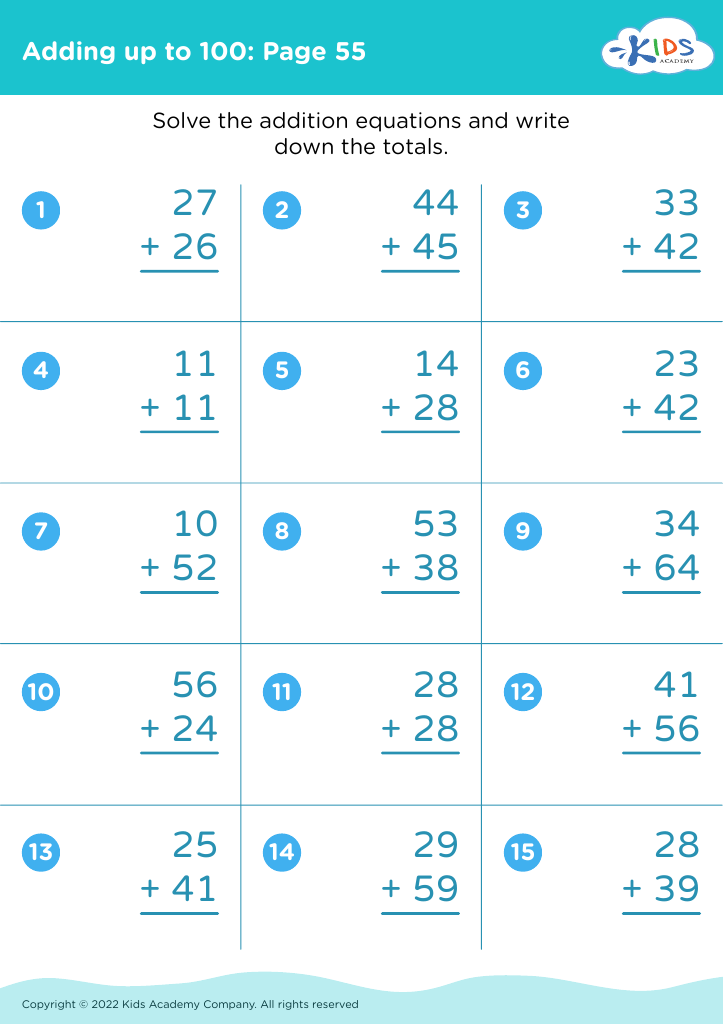
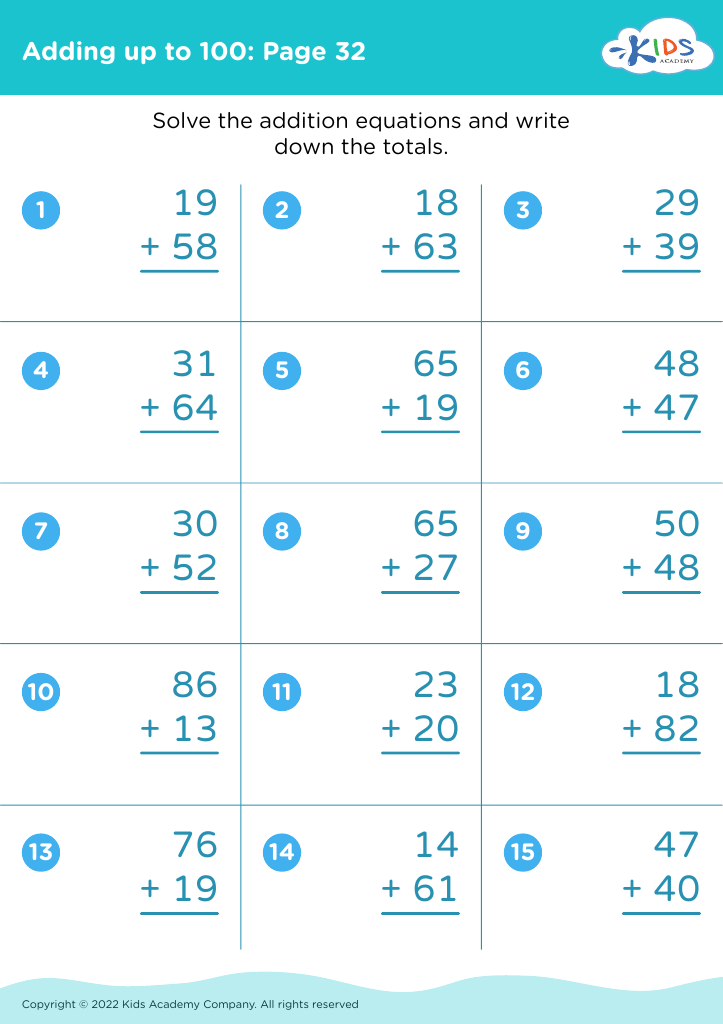
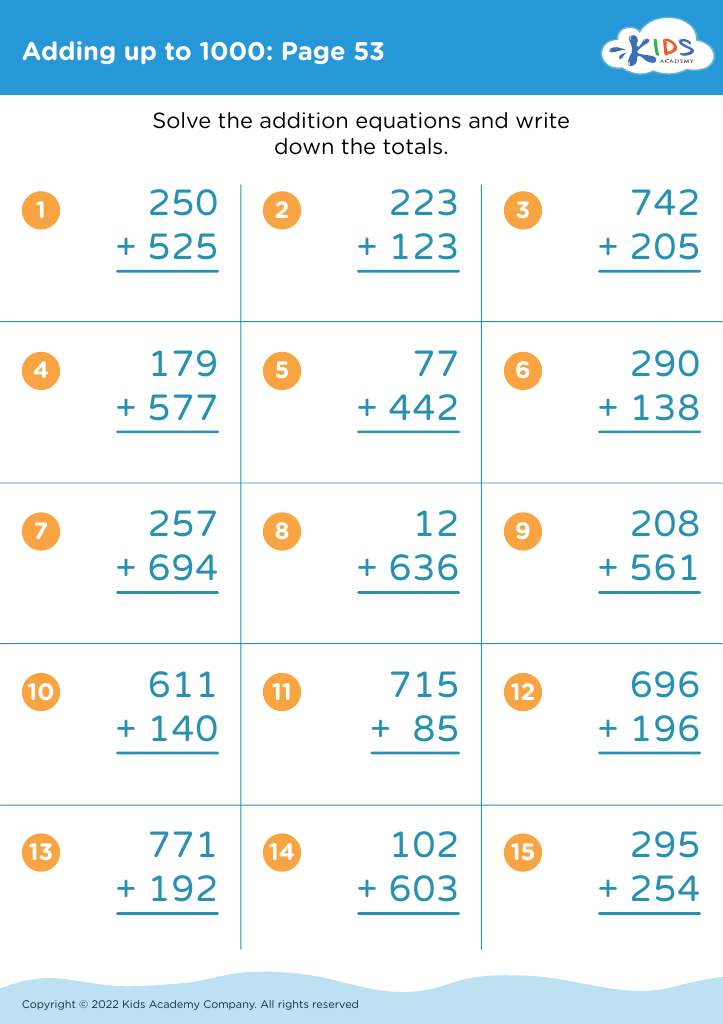
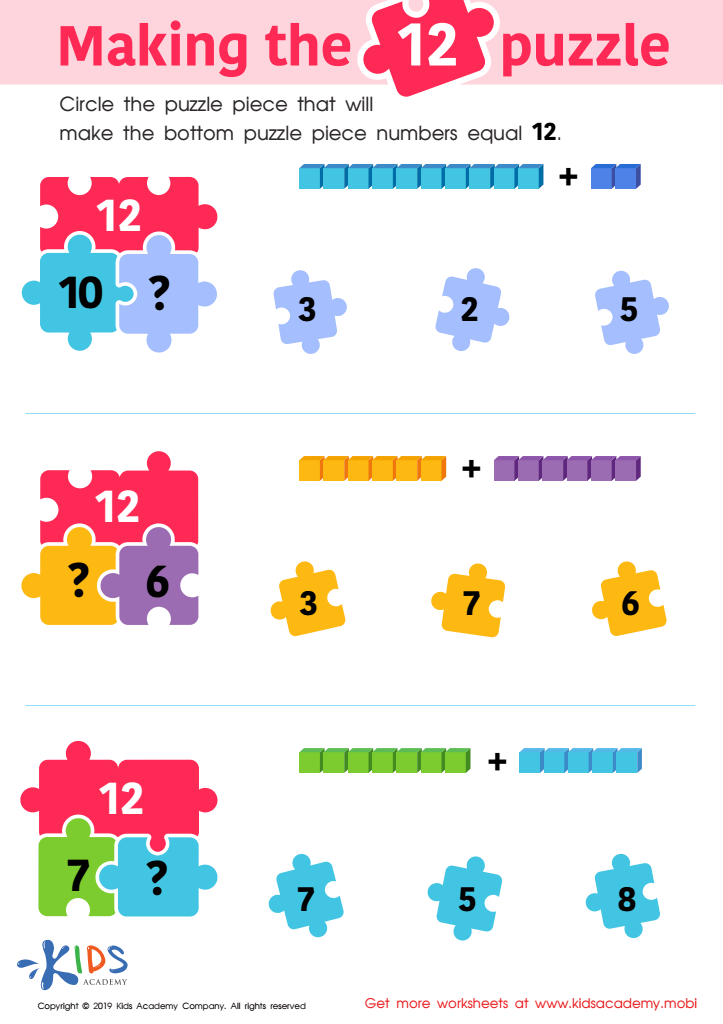
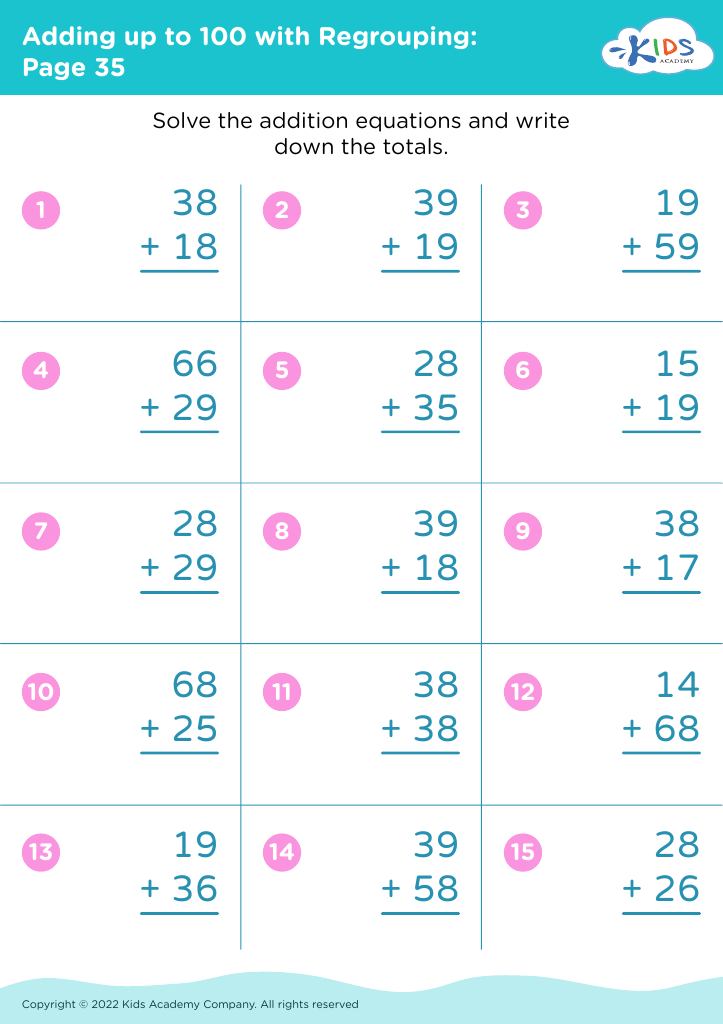
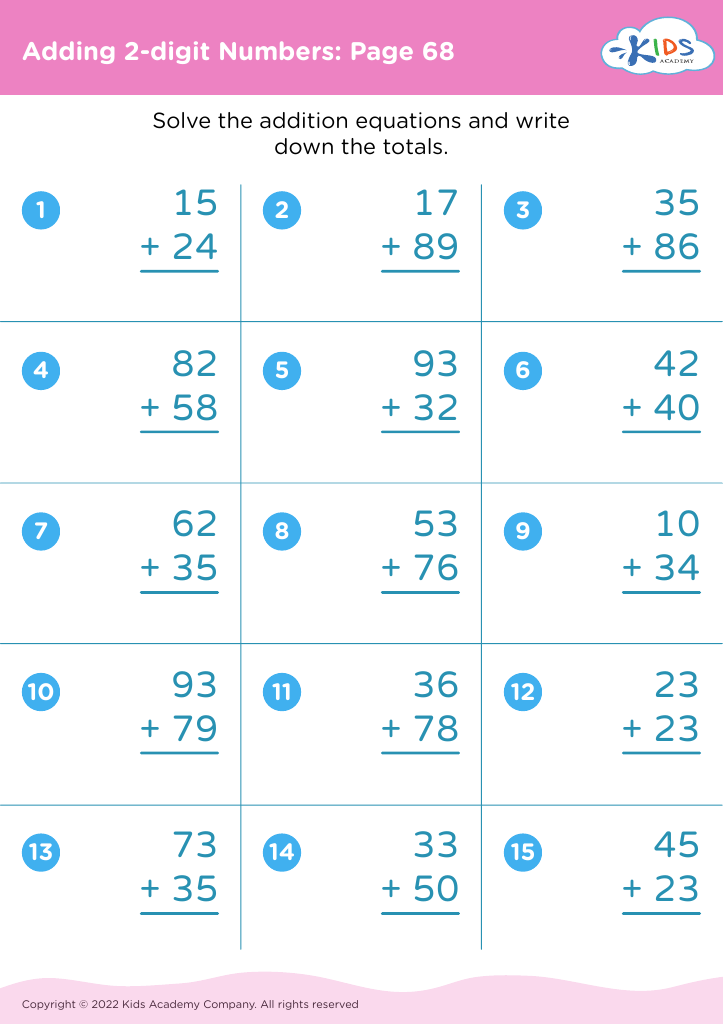
Making the 12 Puzzle Worksheet
 Assign to My Students
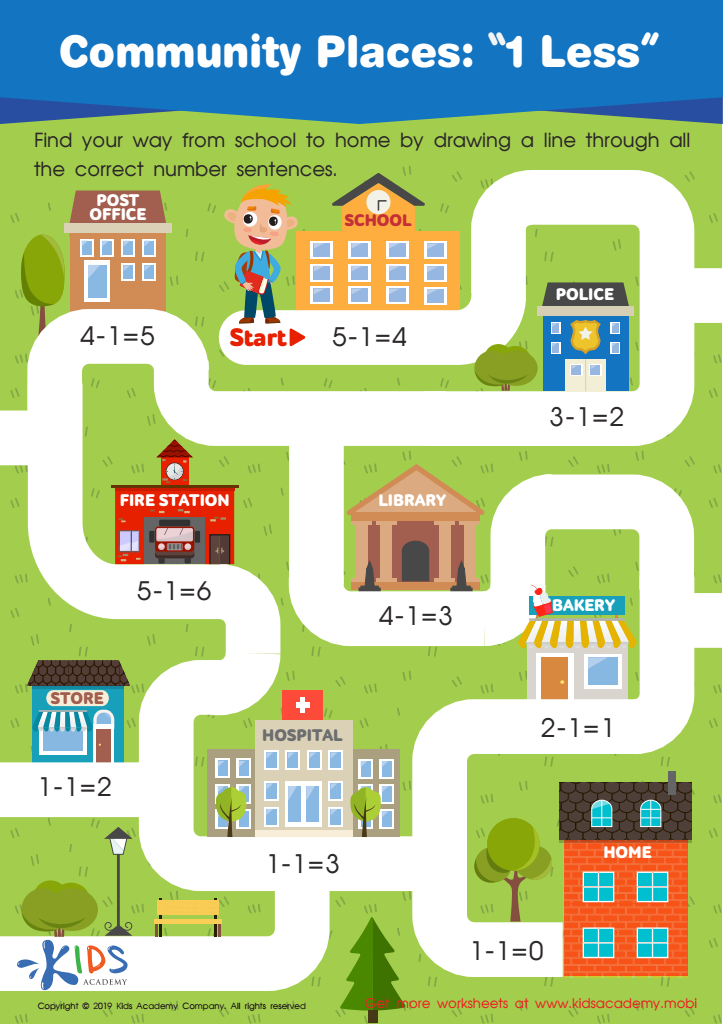
Community Places: 1 Less Worksheet
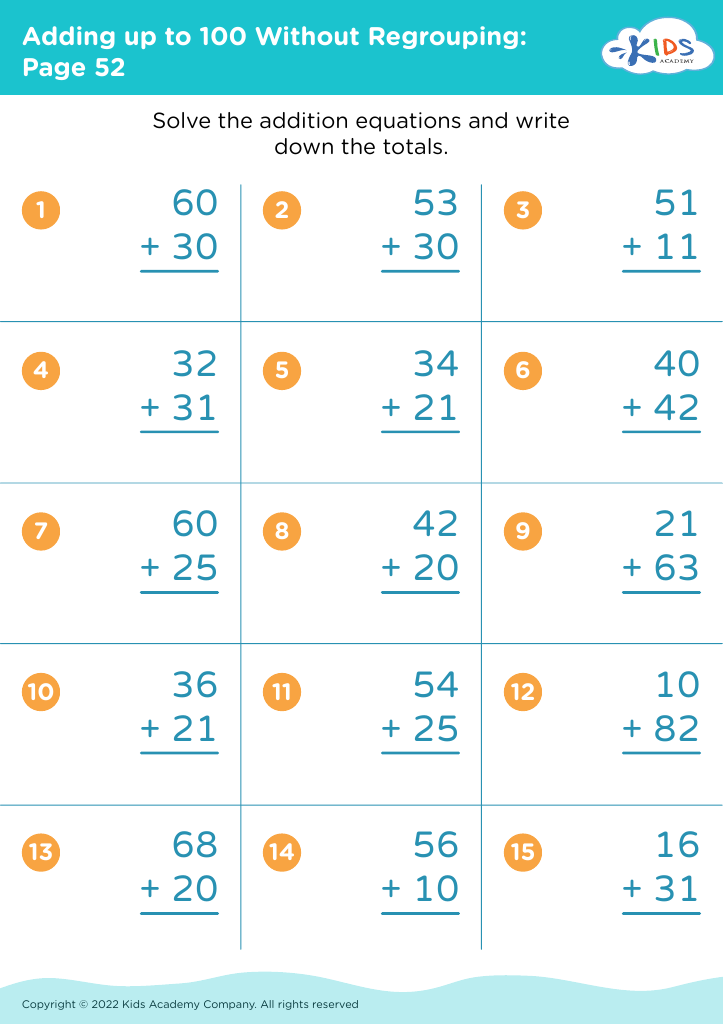







.jpg)
Numeracy skills, particularly addition, are foundational for children's overall mathematical development and academic success. For children aged 3-9, mastering addition is crucial as it forms the basis for more complex mathematical concepts, such as subtraction, multiplication, and division, which they will encounter later. Early experiences with addition help children develop critical thinking, problem-solving skills, and confidence in their numerical abilities.
Parents and teachers play a pivotal role in fostering these skills. Engaging children in fun and interactive activities, such as number games, storybooks with counting themes, or using everyday situations to practice addition, makes learning enjoyable and relevant. This encourages a positive attitude toward math, reducing anxiety that many children experience in later school years.
Additionally, strong numeracy skills are linked to better performance in school and lifelong learning. Children who grasp basic addition can understand financial concepts, measure ingredients in cooking, or analyze data in science projects, all essential skills in life. By prioritizing addition skills in young children, parents and teachers not only lay the groundwork for academic achievement but also empower children to succeed beyond the classroom. Ultimately, nurturing these skills helps foster a genuine love for mathematics that lasts a lifetime.








