Filters

158 filtered results

Clear all filters
Favorites
With answer key
Interactive

158 filtered results

Difficulty Level

Grade


Check out this FREE Trial Lesson on Addition for age 3-9!

Sorting Objects into 3 Categories

Favorites
With answer key
Interactive
  • 3-9
  • Understanding fractions
  • Addition
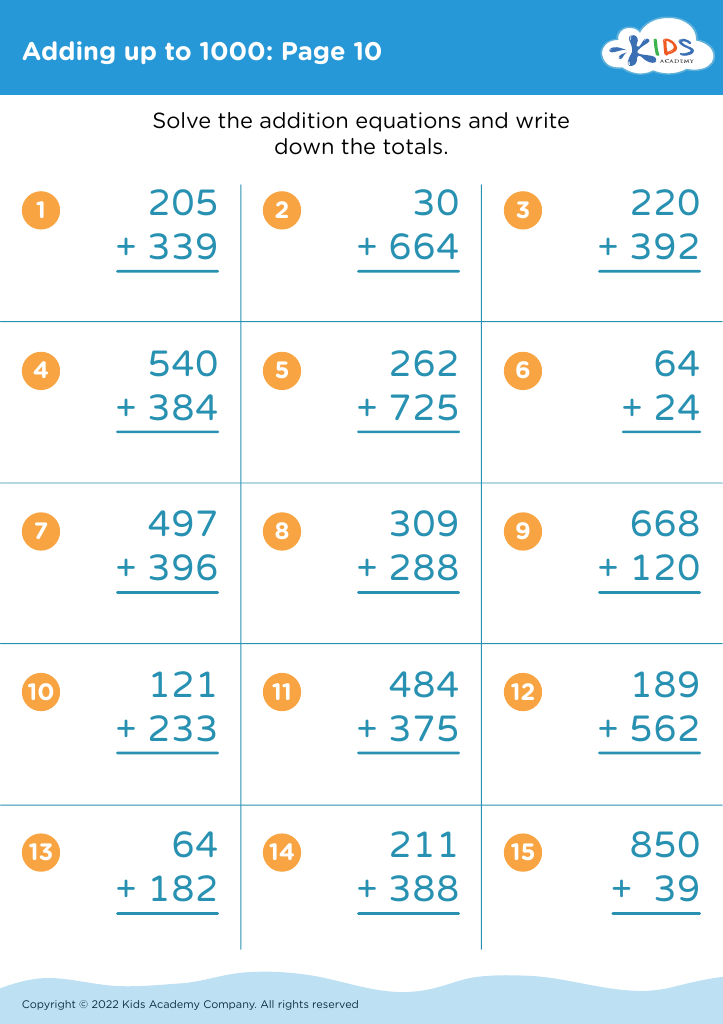
Adding up to 1000: Page 10

Adding up to 1000: Page 10

Adding up to 1000: Page 10
Worksheet
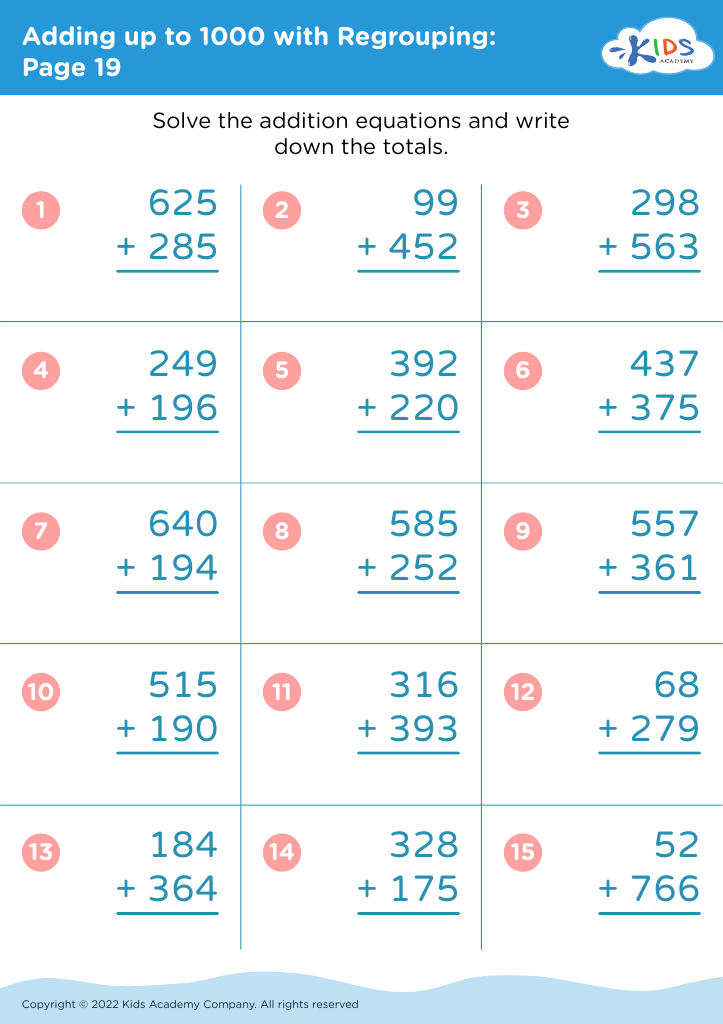
Adding up to 1000 with Regrouping: Page 19
Worksheet
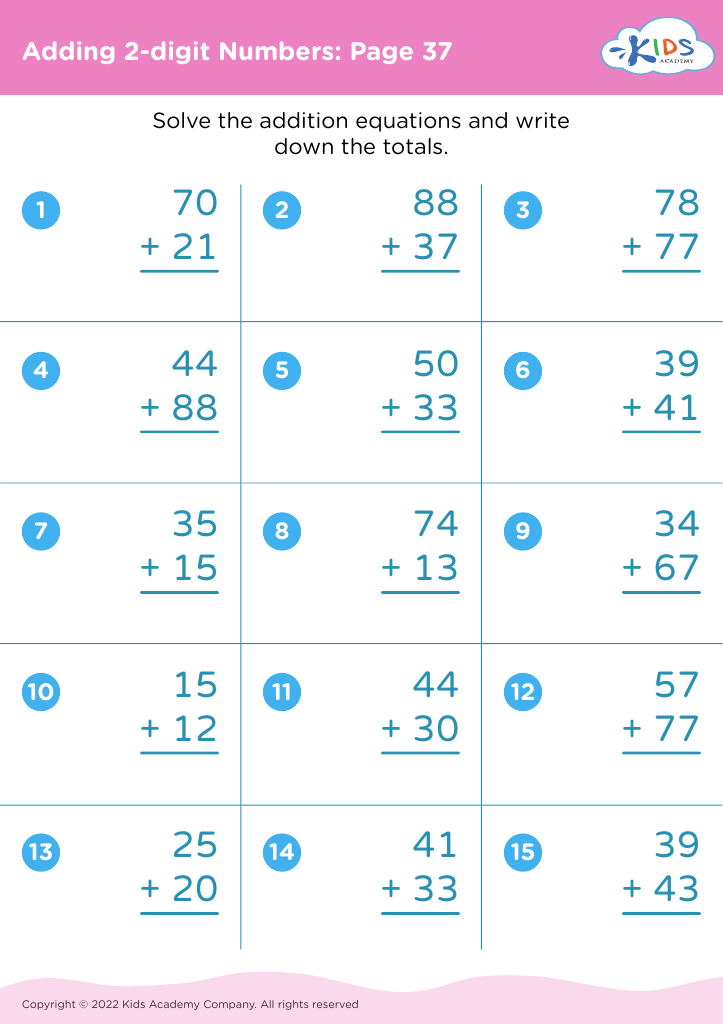
Adding 2-digit Numbers: Page 37

Adding 2-digit Numbers: Page 37

Adding 2-digit Numbers: Page 37
Worksheet
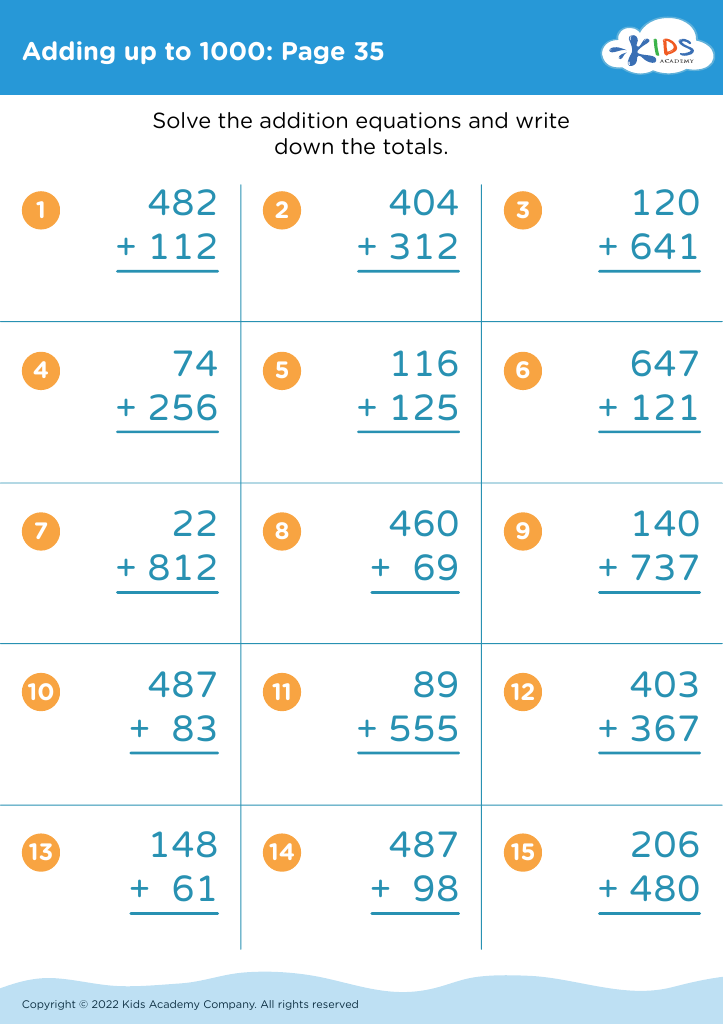
Adding up to 1000: Page 35

Adding up to 1000: Page 35

Adding up to 1000: Page 35
Worksheet
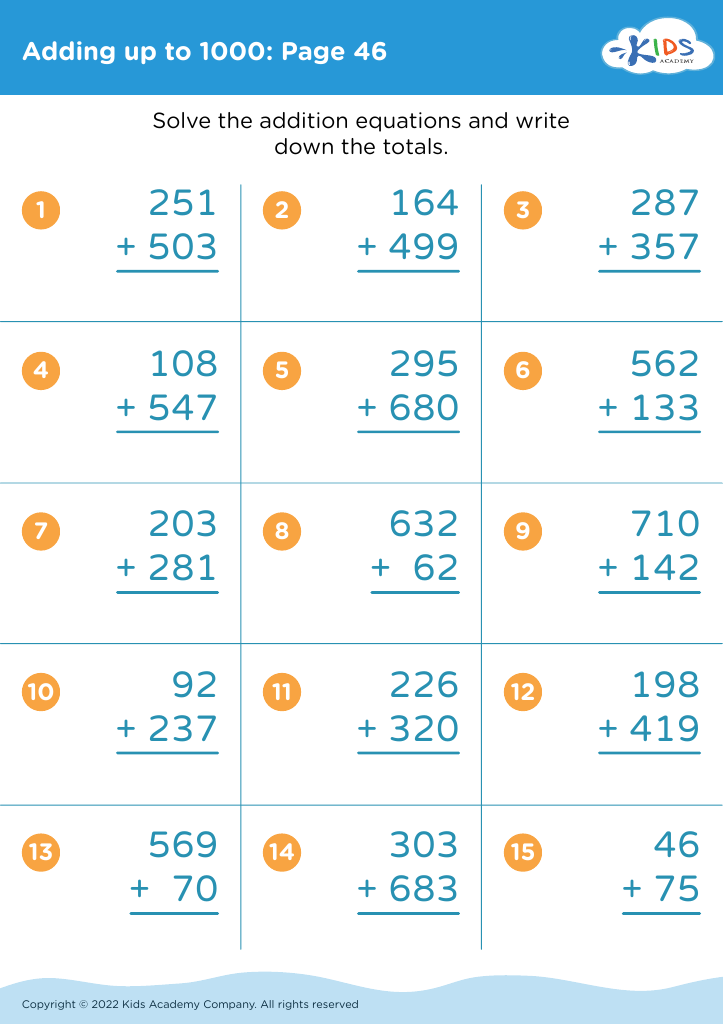
Adding up to 1000: Page 46

Adding up to 1000: Page 46

Adding up to 1000: Page 46
Worksheet
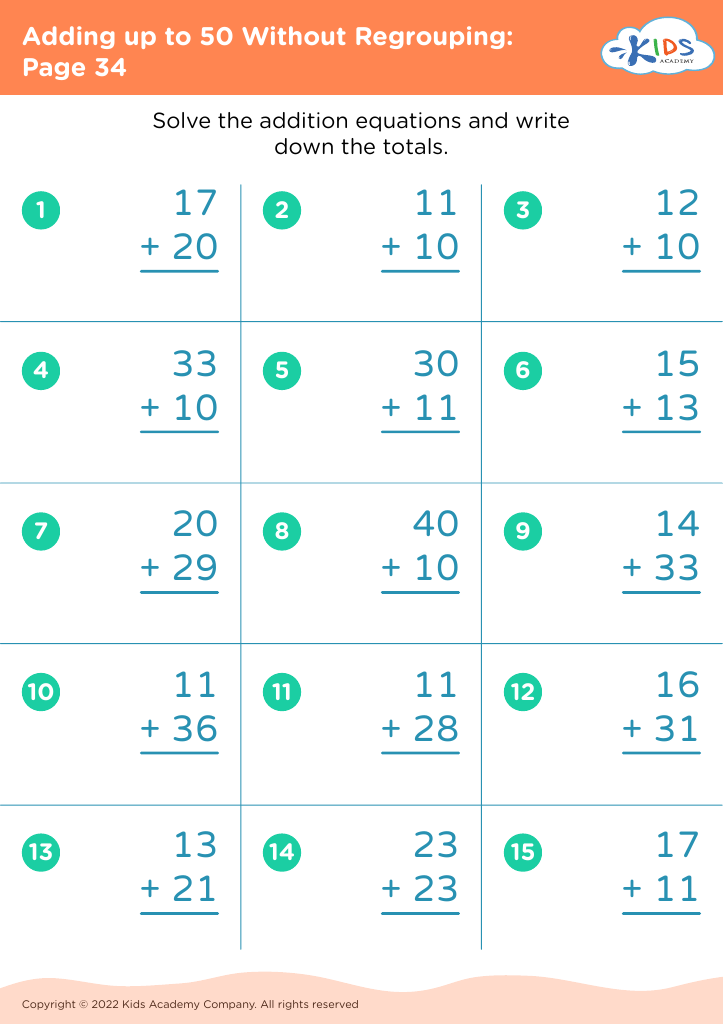
Adding up to 50 Without Regrouping: Page 34
Worksheet
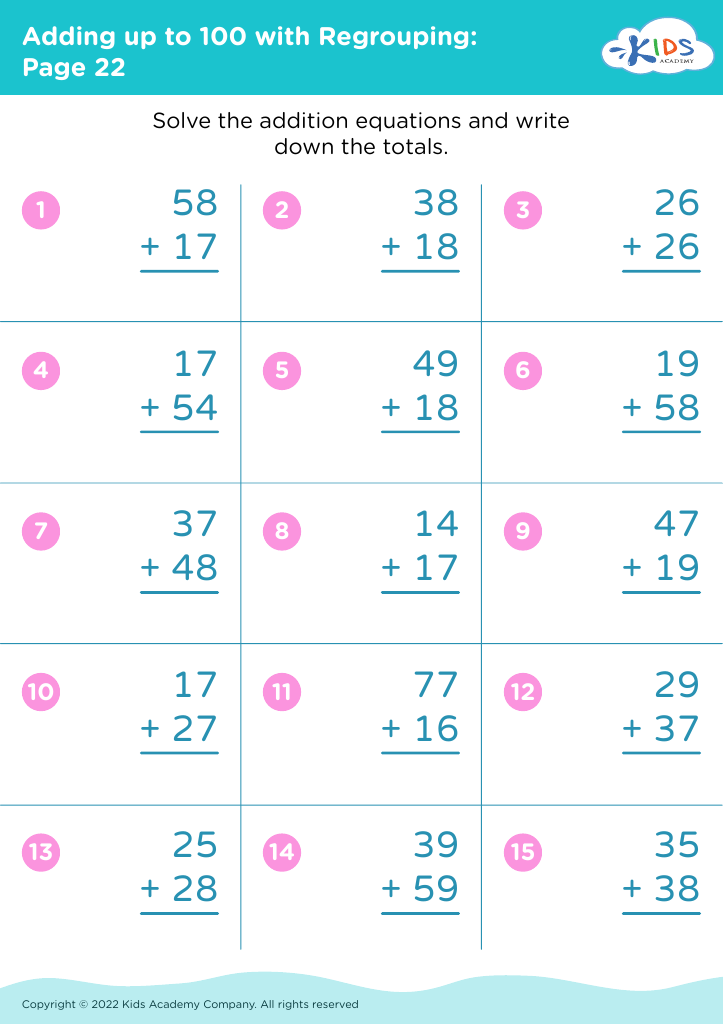
Adding up to 100 with Regrouping: Page 22
Worksheet
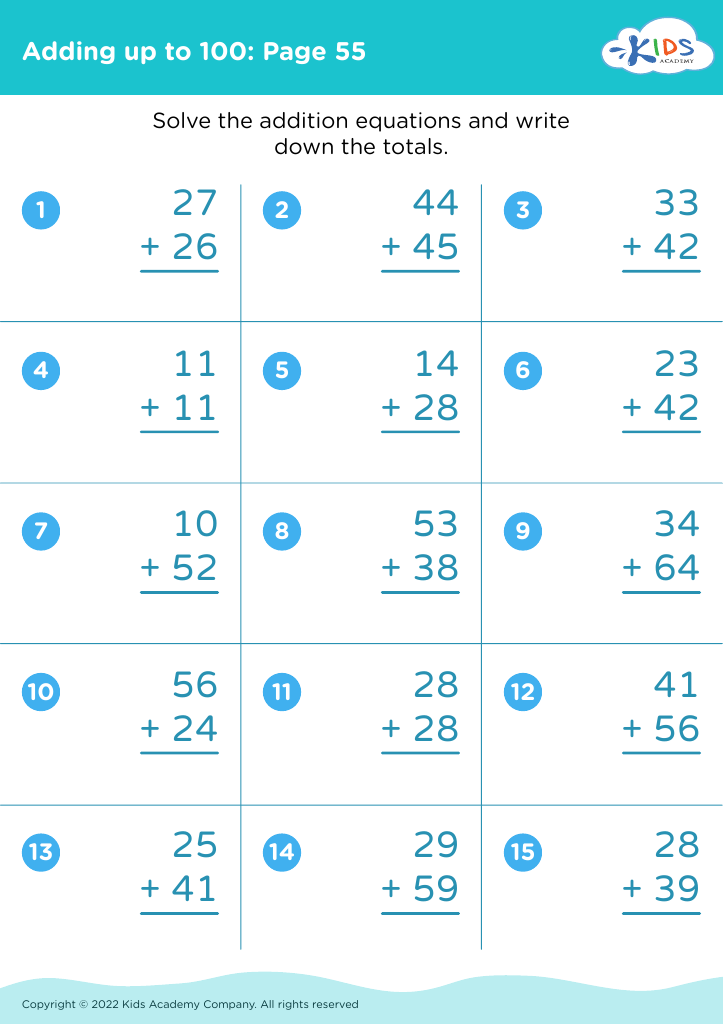
Adding up to 100: Page 55

Adding up to 100: Page 55

Adding up to 100: Page 55
Worksheet
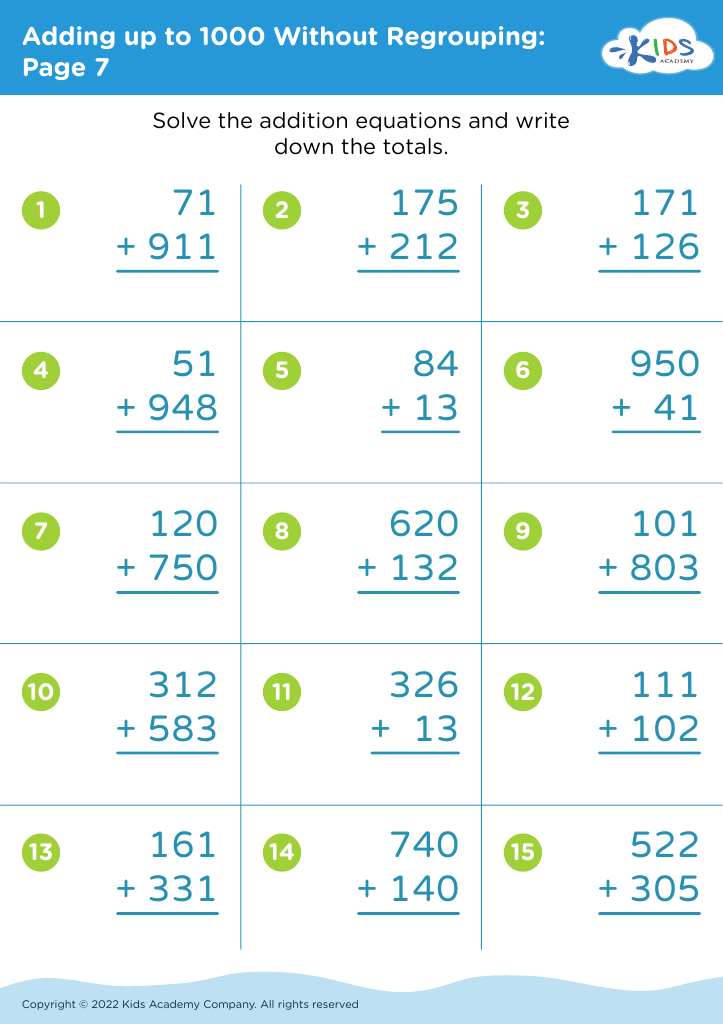
Adding up to 1000 Without Regrouping: Page 7
Worksheet
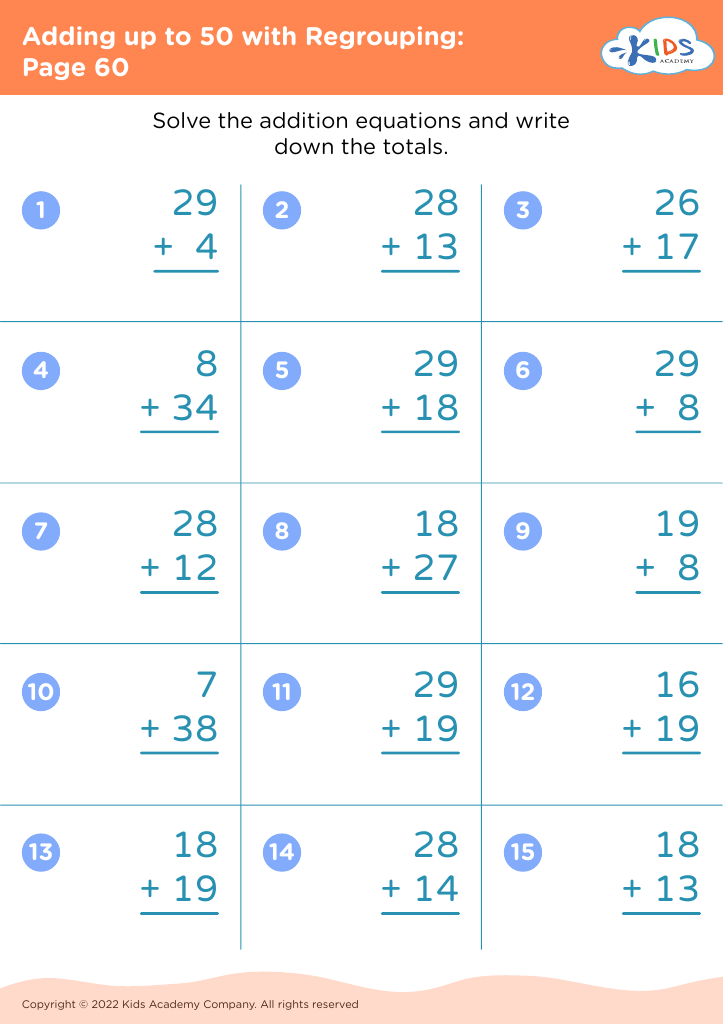
Adding up to 50 with Regrouping: Page 60
Worksheet
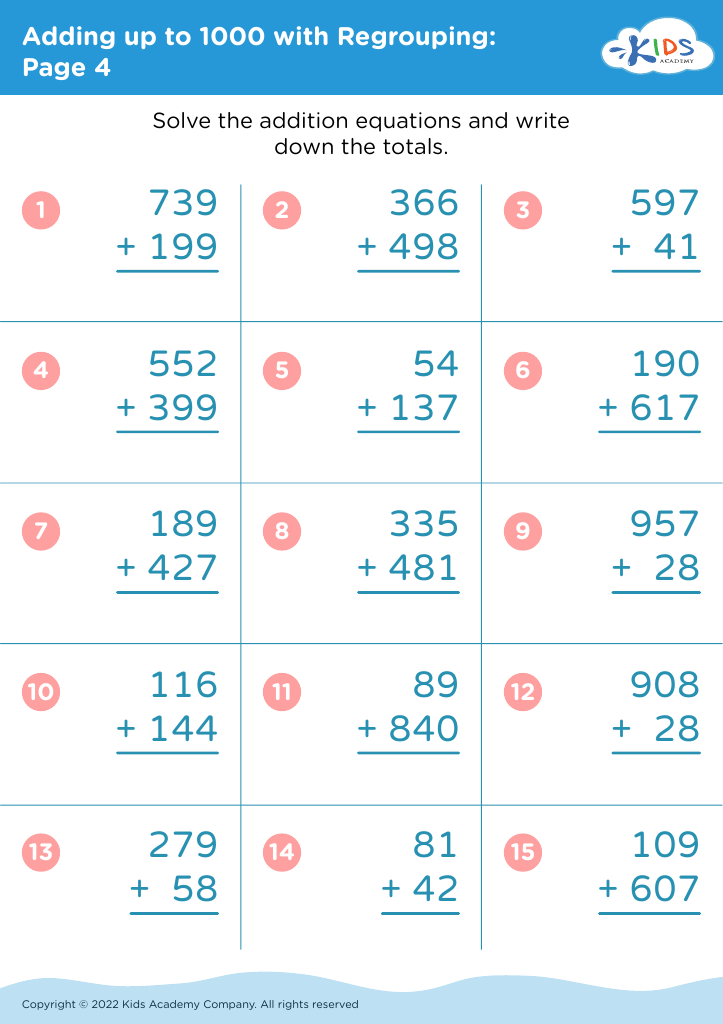
Adding up to 1000 with Regrouping: Page 4
Worksheet
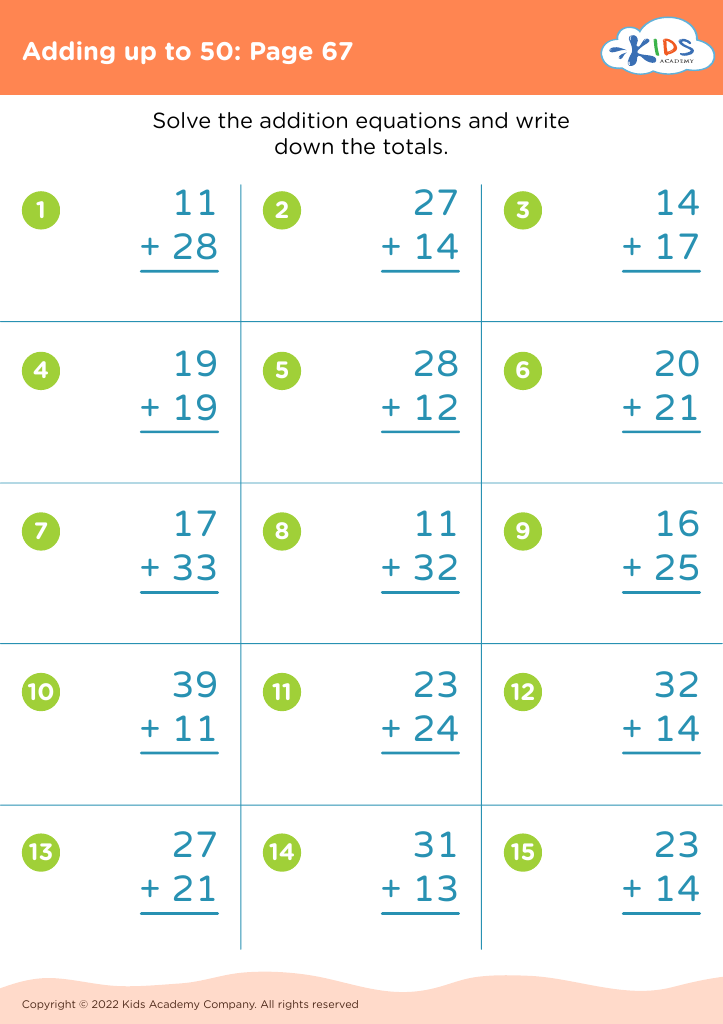
Adding up to 50: Page 67

Adding up to 50: Page 67

Adding up to 50: Page 67
Worksheet
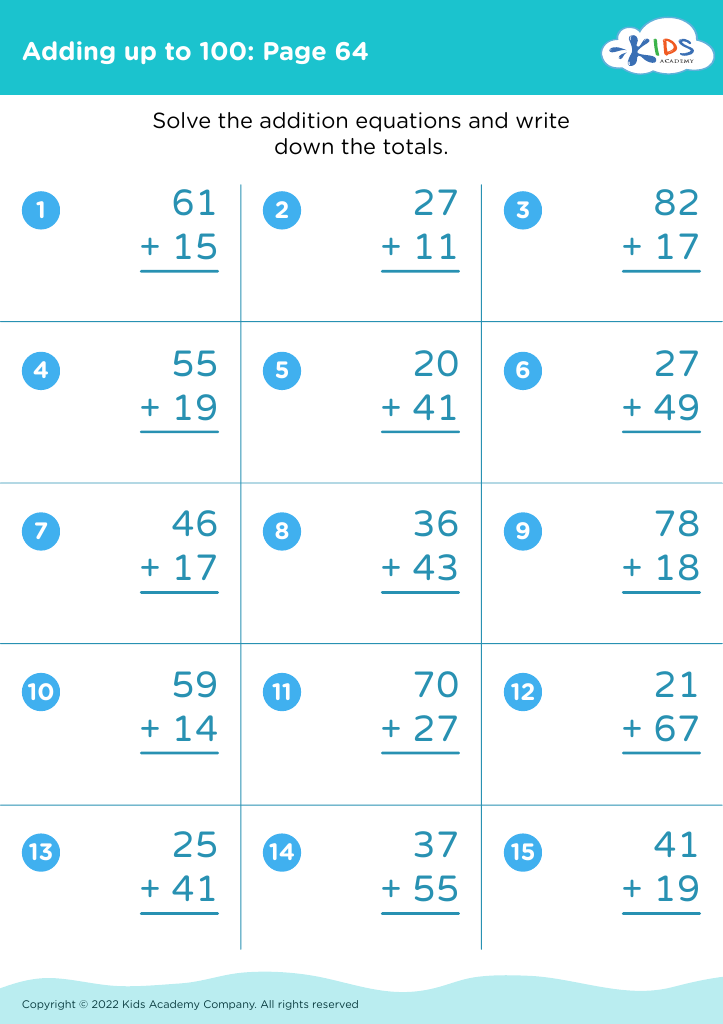
Adding up to 100: Page 64

Adding up to 100: Page 64

Adding up to 100: Page 64
Worksheet
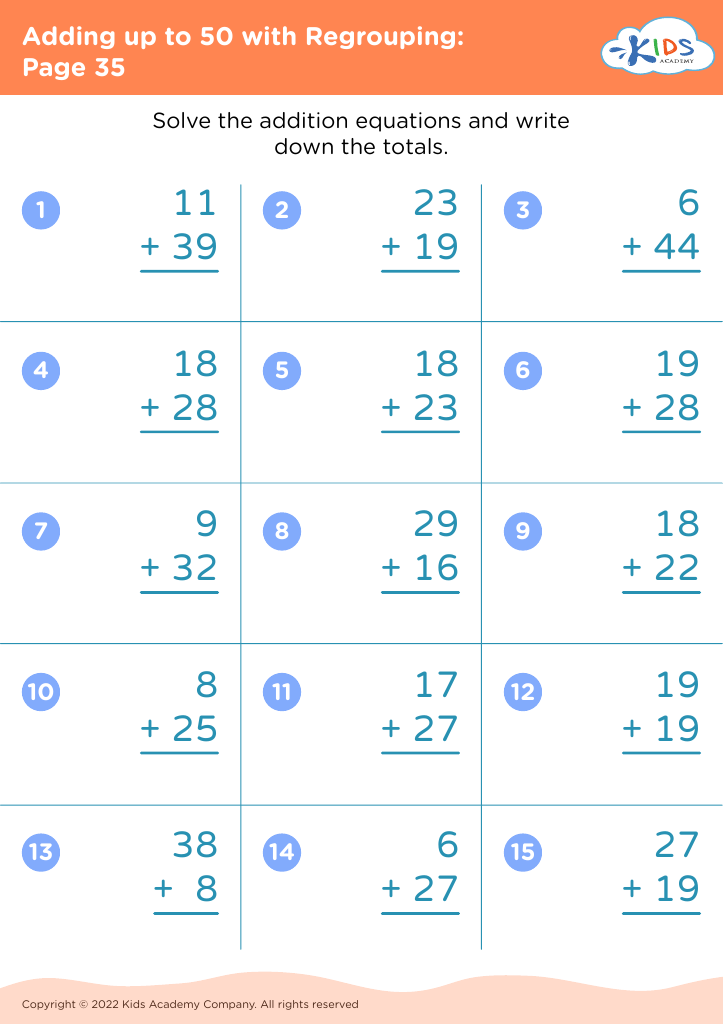
Adding up to 50 with Regrouping: Page 35
Worksheet
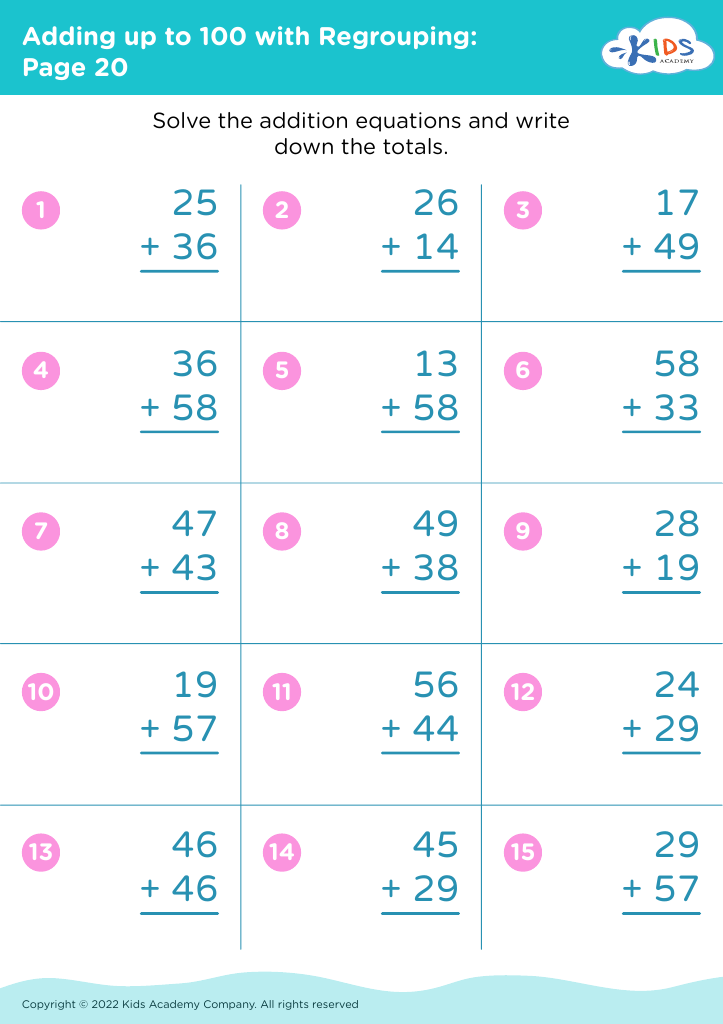
Adding up to 100 with Regrouping: Page 20
Worksheet
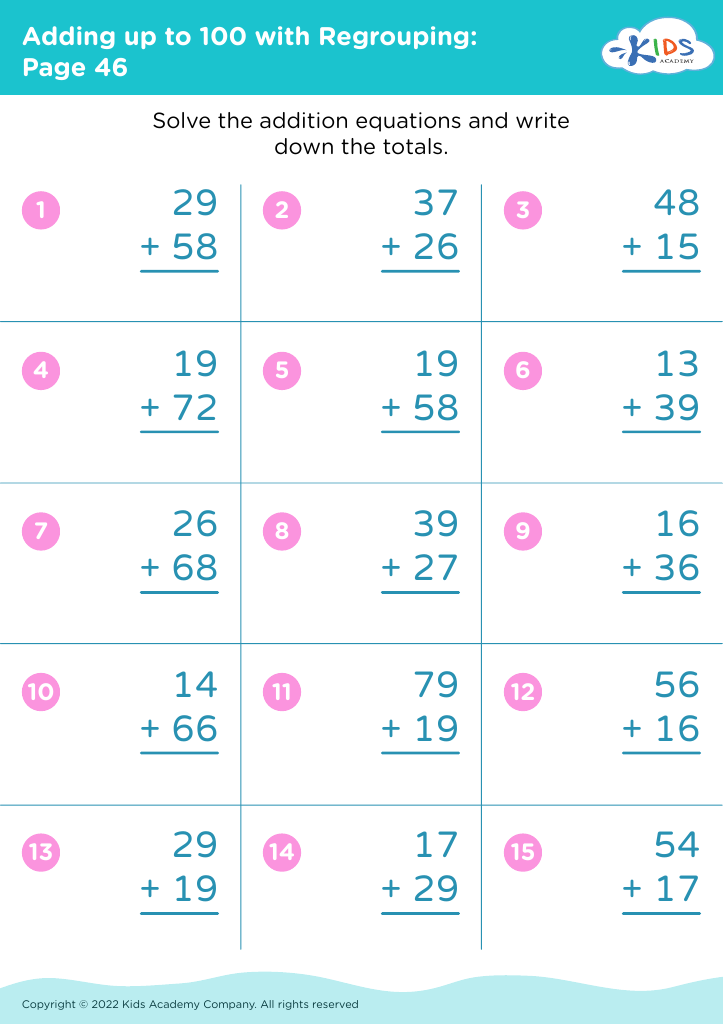
Adding up to 100 with Regrouping: Page 46
Worksheet
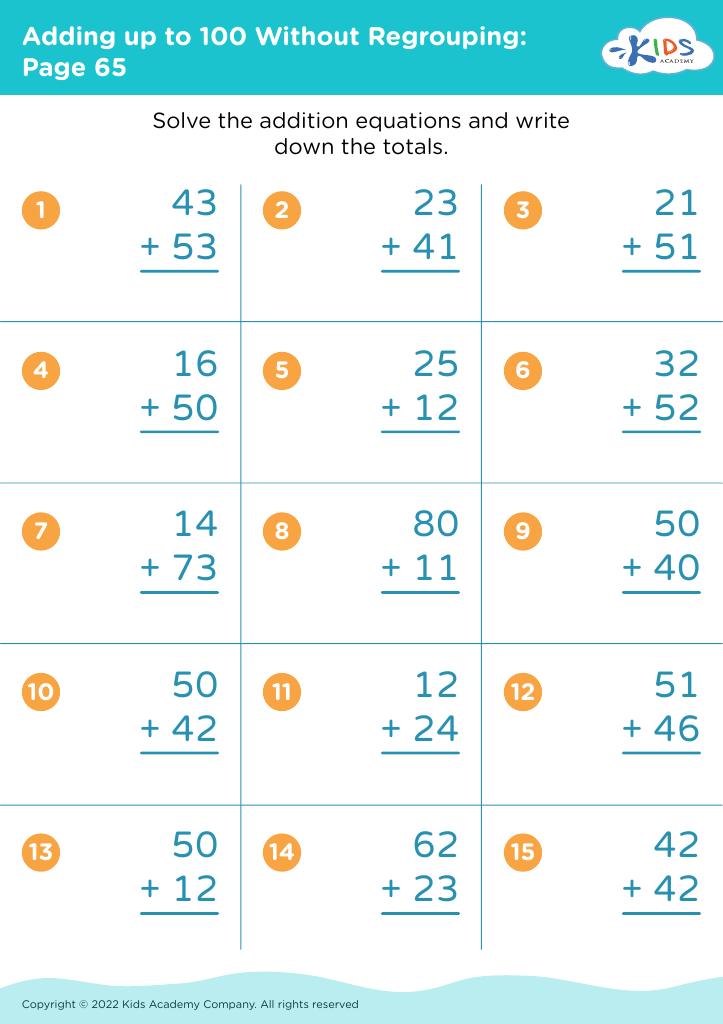
Adding up to 100 Without Regrouping: Page 65
Worksheet
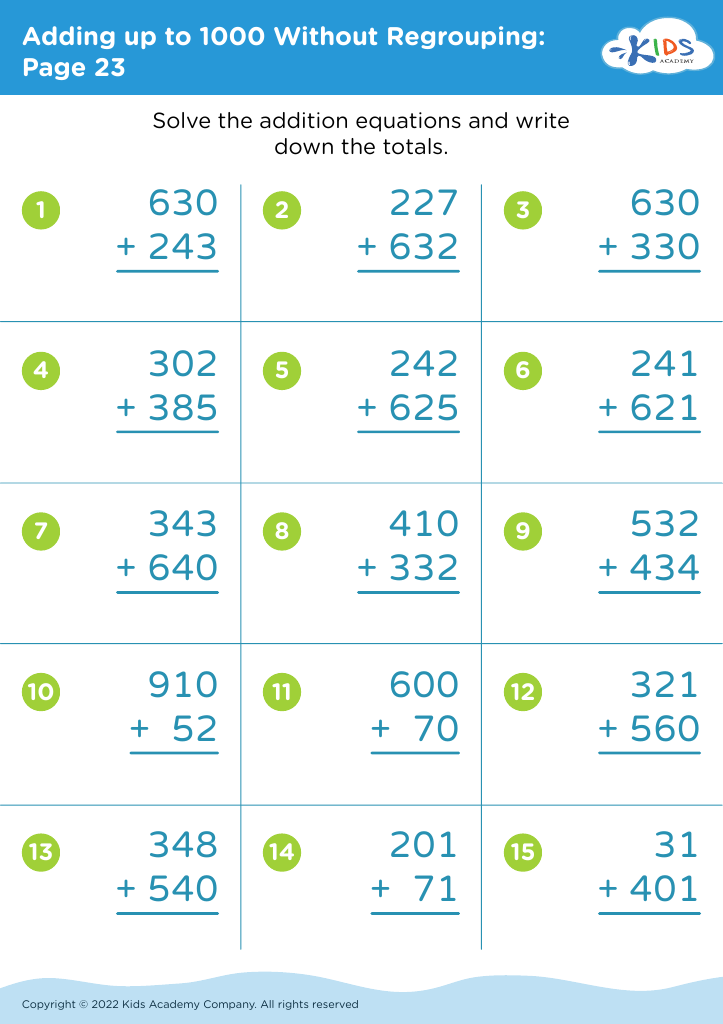
Adding up to 1000 Without Regrouping: Page 23
Worksheet
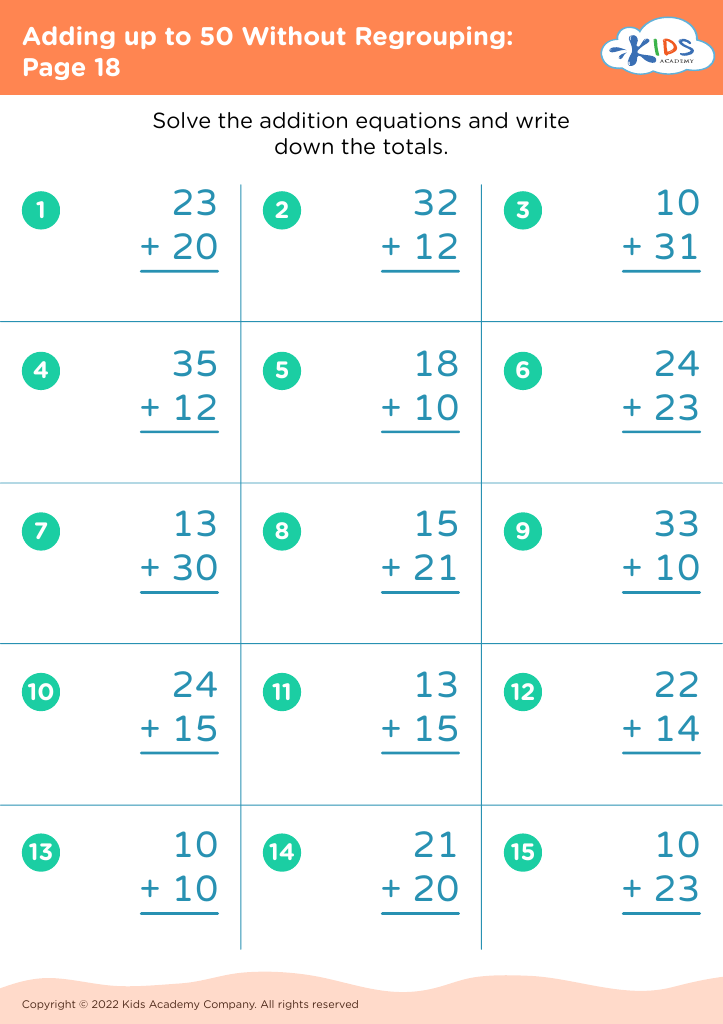
Adding up to 50 Without Regrouping: Page 18
Worksheet
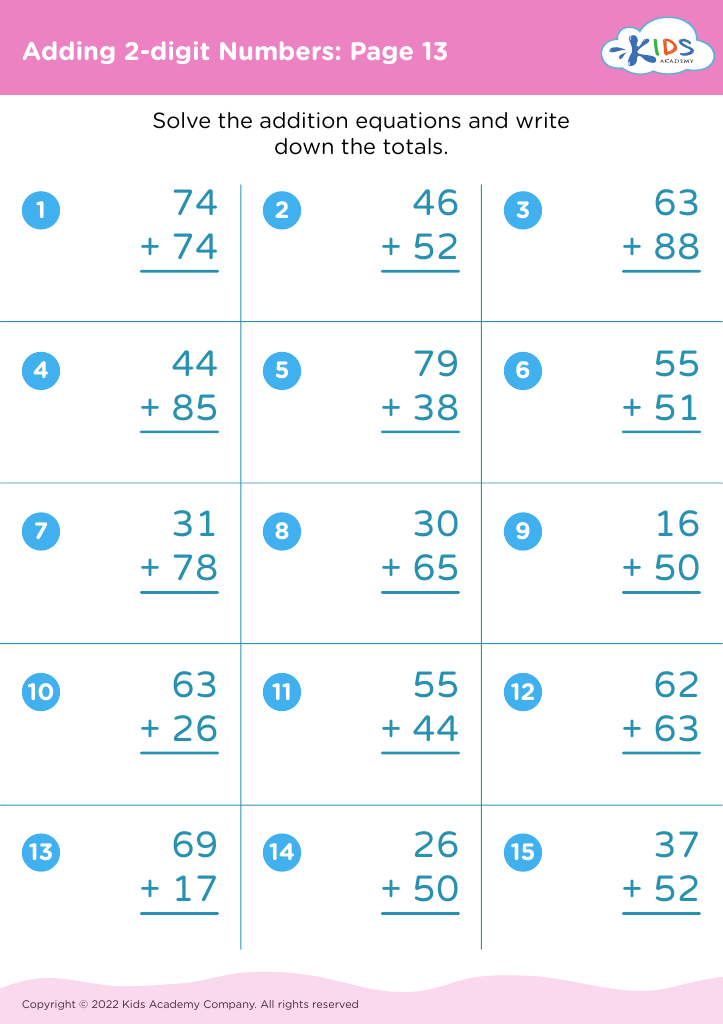
Adding 2-digit Numbers: Page 13

Adding 2-digit Numbers: Page 13

Adding 2-digit Numbers: Page 13
Worksheet
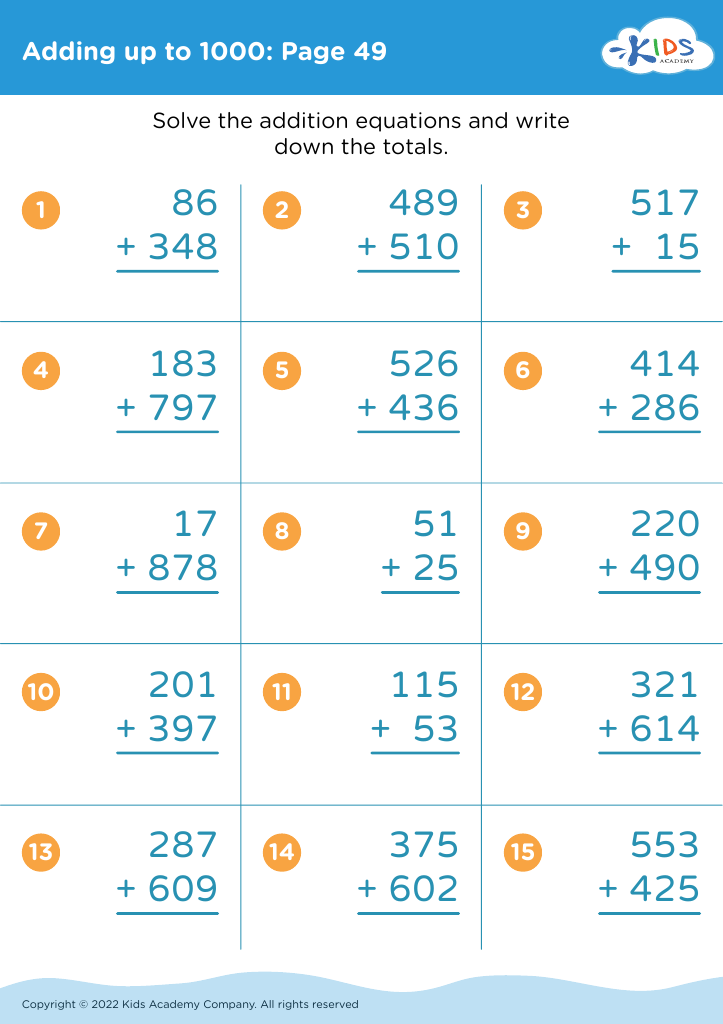
Adding up to 1000: Page 49

Adding up to 1000: Page 49

Adding up to 1000: Page 49
Worksheet
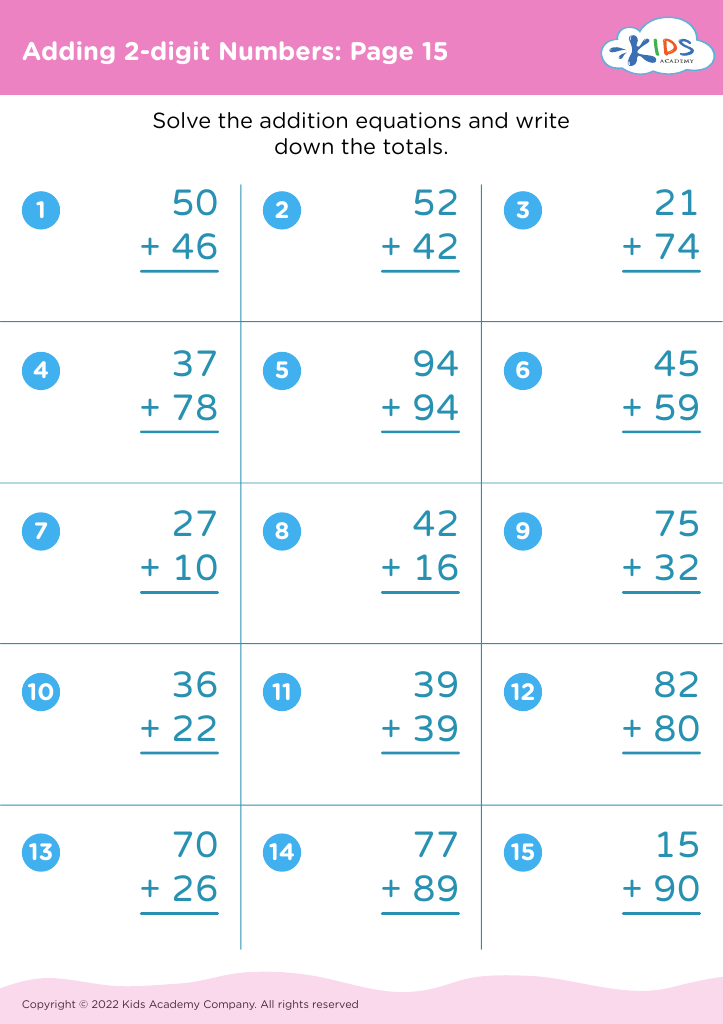
Adding 2-digit Numbers: Page 15

Adding 2-digit Numbers: Page 15

Adding 2-digit Numbers: Page 15
Worksheet
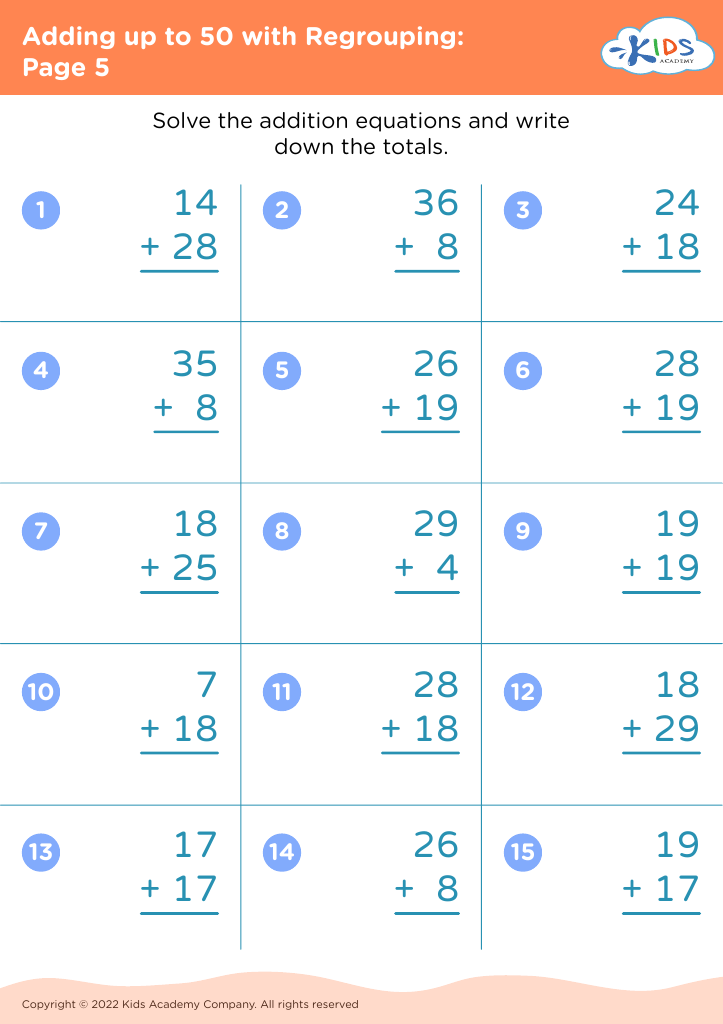
Adding up to 50 with Regrouping: Page 5
Worksheet
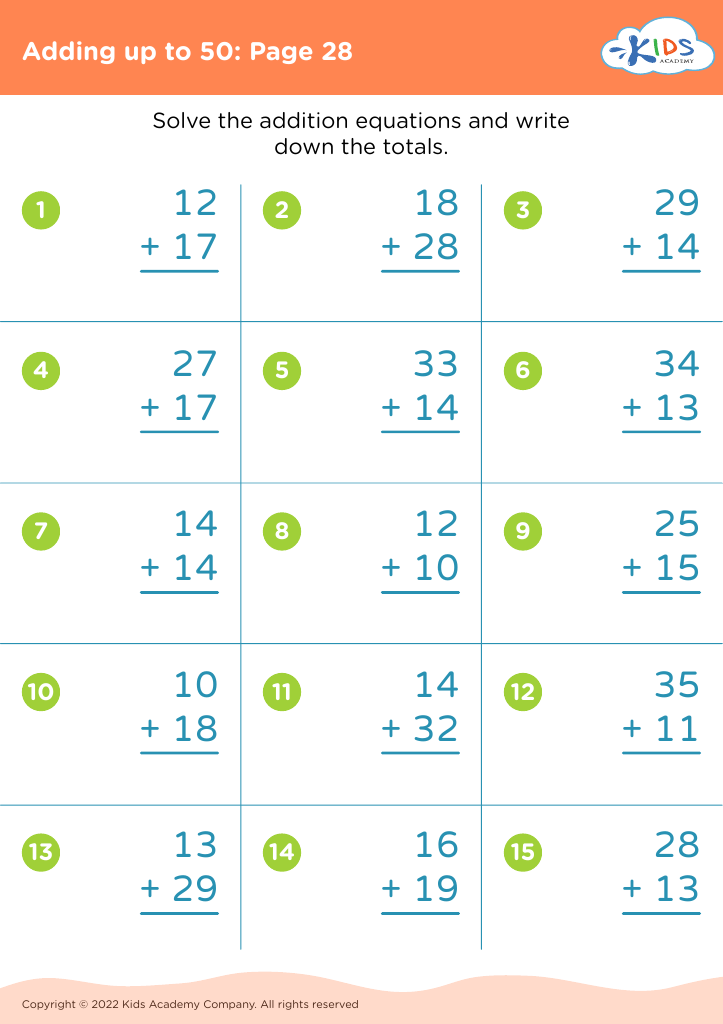
Adding up to 50: Page 28

Adding up to 50: Page 28

Adding up to 50: Page 28
Worksheet


Understanding fractions and their addition is fundamental for children aged 3-9 as it lays the groundwork for more advanced mathematical concepts later in their education. At this age, children are naturally curious and engaged in hands-on learning experiences. Introducing fractions in a relatable way—such as through sharing food (like pizza or cake)—can deepen their understanding of division and equality.

Learning to add fractions fosters critical thinking skills, helping children recognize relationships between numbers and develop problem-solving abilities. It promotes logical reasoning, as they begin to understand how to combine fractions with like and unlike denominators, preparing them for more complex arithmetic.

Additionally, grasping fractions is essential in everyday life; from cooking to sports, children benefit from this knowledge as it enhances their ability to measure, compare, and make decisions.

For teachers and parents, understanding fractions serves as an opportunity to encourage a love for mathematics in a supportive and enjoyable environment. By making learning interactive and relevant, they can positively influence children's attitudes towards math and laying a strong foundation for lifelong success in numeracy. Therefore, fostering early fractional understanding is crucial for holistic cognitive development.