Understanding greater/less than Comparing Numbers Worksheets for Ages 3-9
3 filtered results
-
From - To
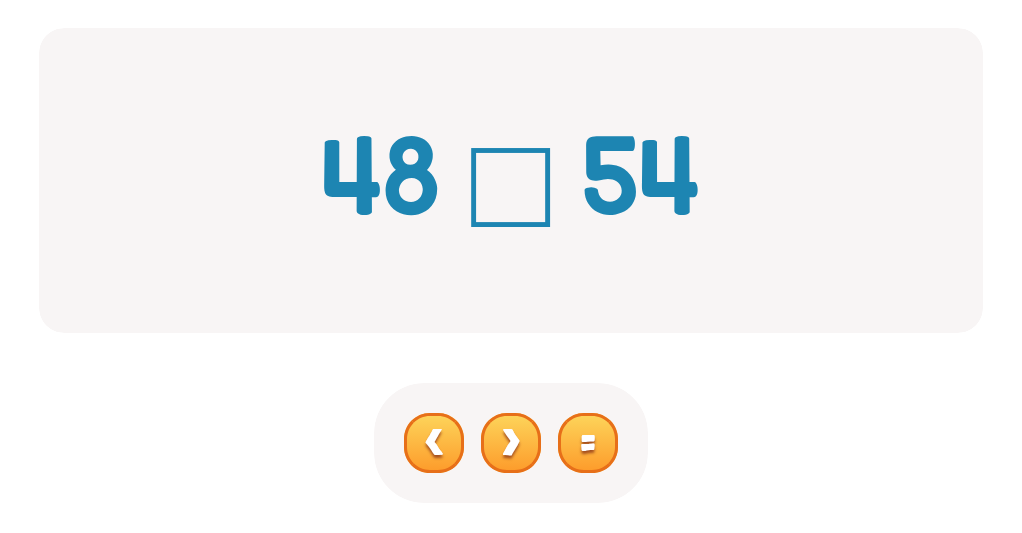
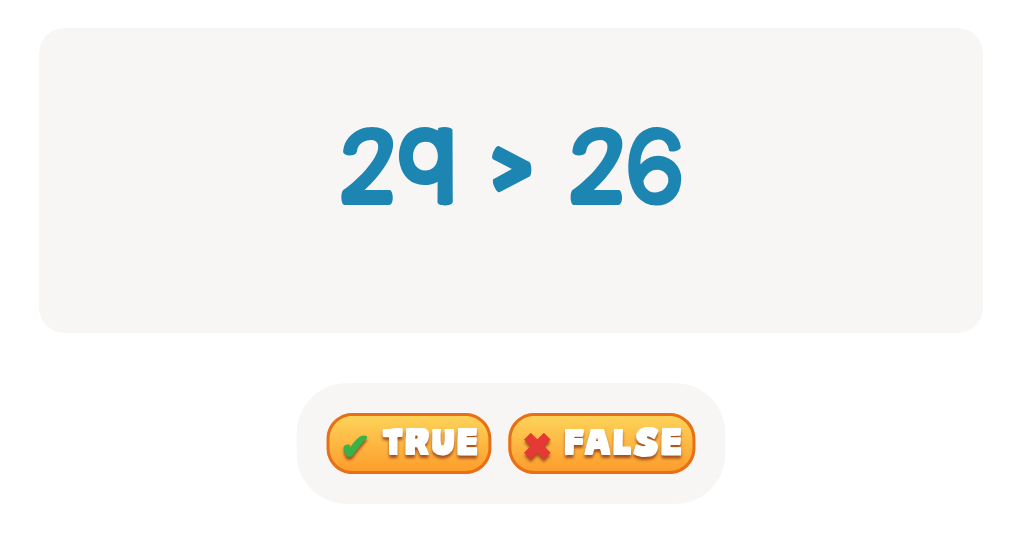
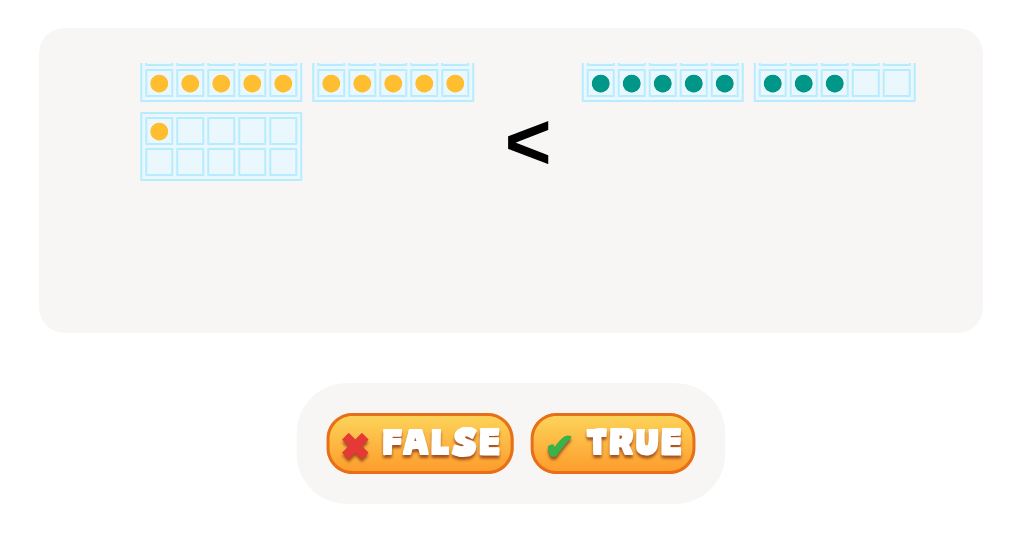
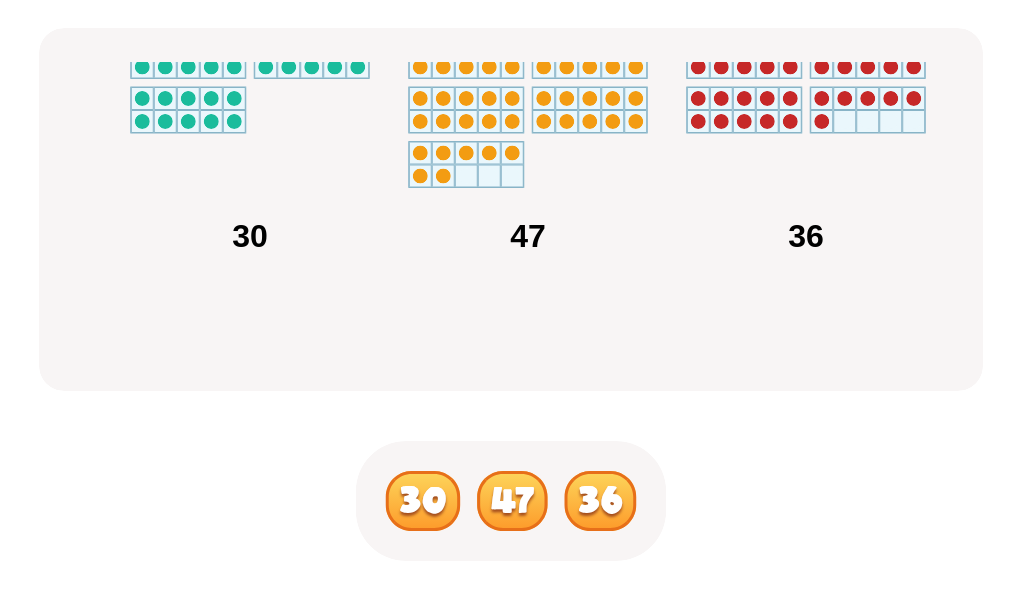
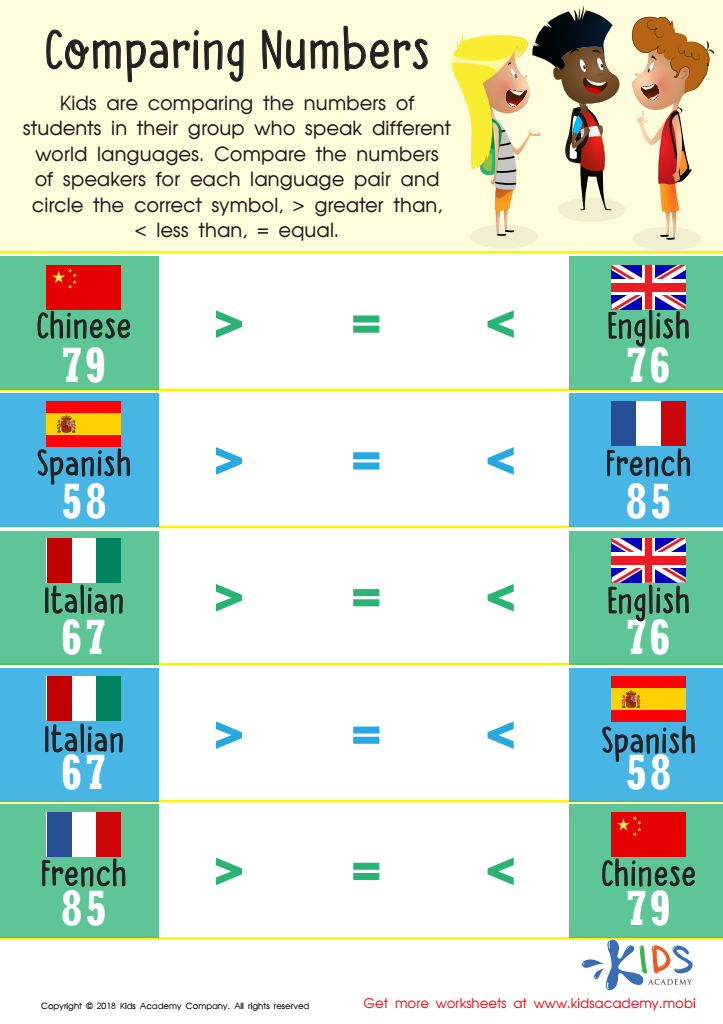
Discover our engaging "Understanding Greater/Less Than Comparing Numbers Worksheets" tailored for children aged 3 to 9. These interactive resources help young learners grasp fundamental math concepts through visual comparisons and hands-on activities. Each worksheet is designed to make learning fun while reinforcing essential skills in identifying the relationship between numbers. Young students will confidently learn to use symbols such as > and <, enhancing their critical thinking and problem-solving abilities. Perfect for classroom use or at-home learning, these worksheets provide an enjoyable way to build a strong mathematical foundation, ensuring your child’s early numeracy skills flourish. Get started today!
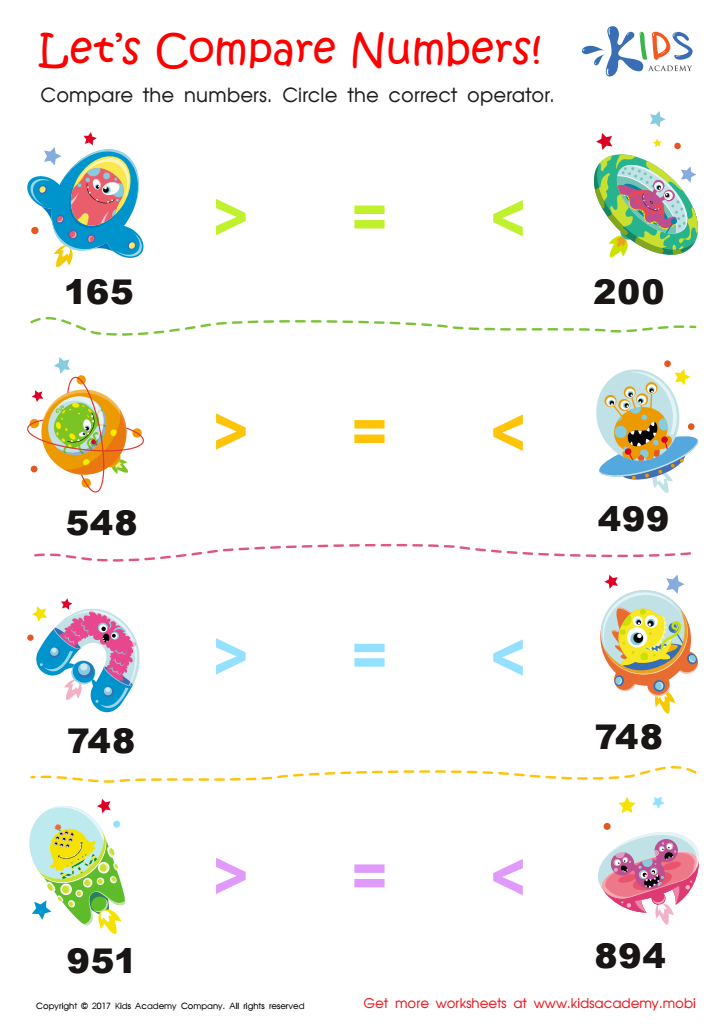
Comparing Numbers Worksheet for 2nd Grade
 Assign to My Students
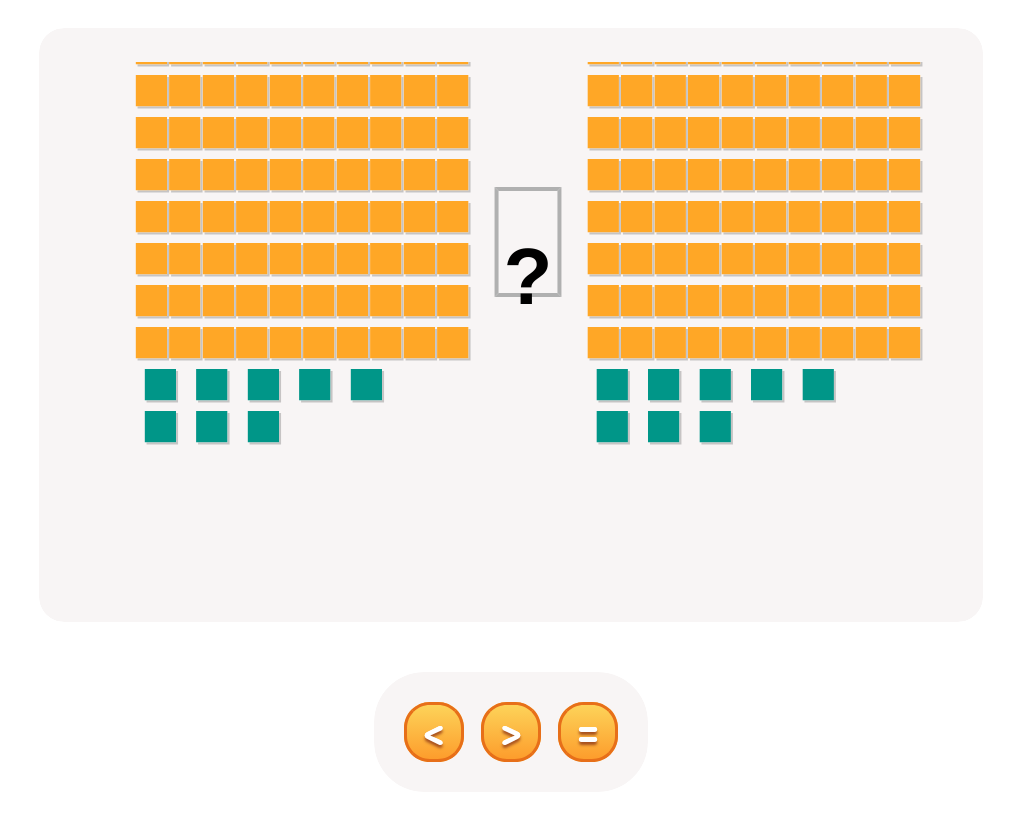

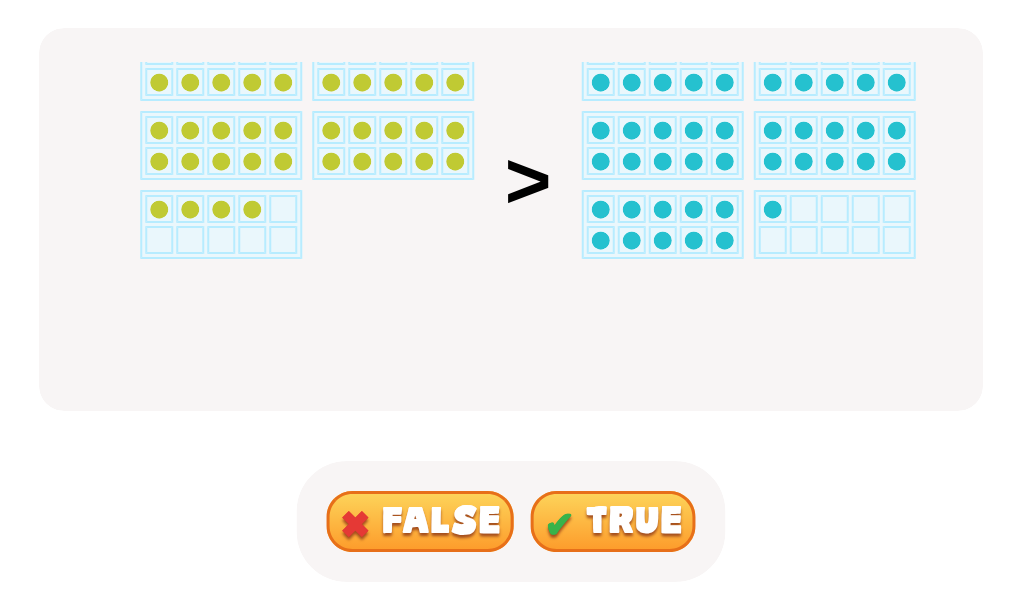
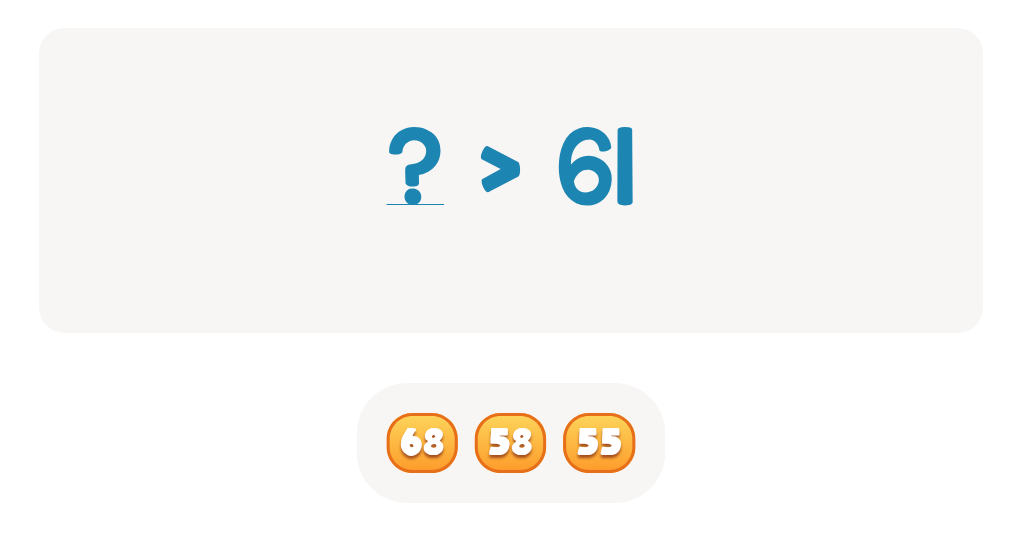
Comparing Numbers Worksheet for 1st Grade
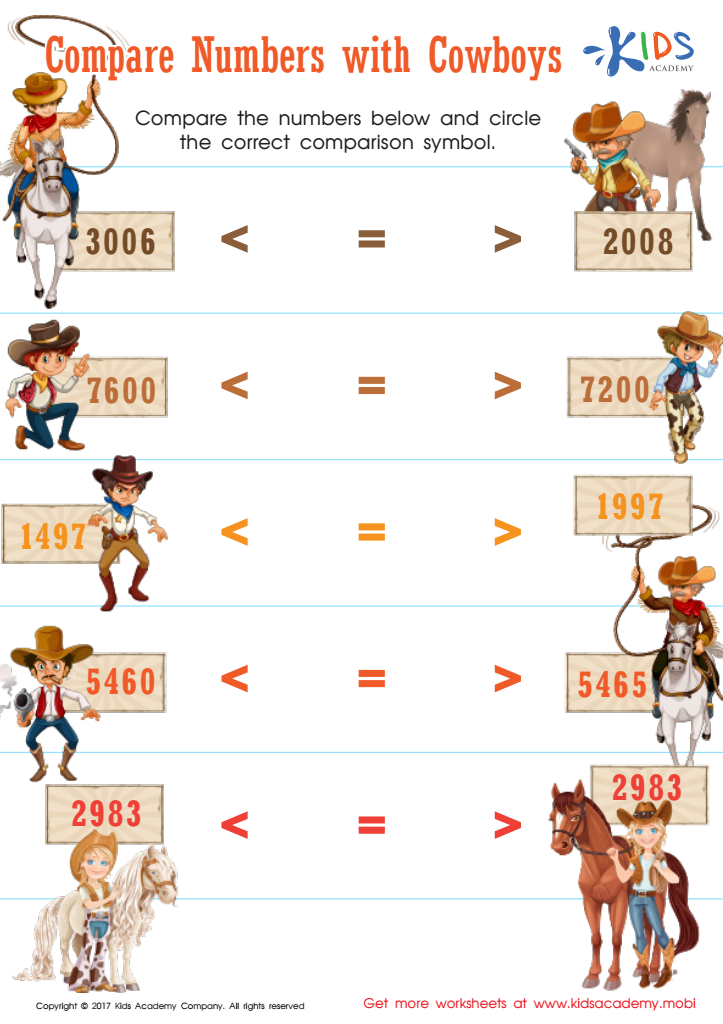
Compare Numbers Worksheet for 3rd Grade








Understanding greater and less than concepts is crucial for children aged 3-9, as it lays the foundation for mathematical literacy. This skill forms the basis for more complex math operations such as addition, subtraction, and later, multiplication and division. When children learn to compare numbers, they develop critical thinking skills that help them analyze and evaluate different quantities in daily situations.
For parents and teachers, promoting an understanding of these concepts fosters a child's confidence in math, enabling them to approach more advanced topics without fear or confusion. By engaging in activities that involve comparing numbers—such as sorting objects by size or counting and comparing groups—children not only enhance their math skills but also their language abilities as they articulate their reasoning.
Moreover, grasping greater and less than concepts encourages problem-solving and logical reasoning from a young age, benefiting the child academically and in life. Ultimately, when children learn to understand and articulate numerical comparisons, they develop a stronger mathematical mindset, better preparing them for future educational pursuits and everyday challenges. This foundational skill in numeracy supports broader cognitive development, social skills, and emotional confidence, making it an essential focus for parents and educators alike.








