Basic Math Skills Fractions Worksheets for Ages 3-9
3 filtered results
-
From - To
Discover engaging Basic Math Skills Fractions Worksheets for children ages 3-9! Our carefully designed activities make learning fractions fun and accessible. Perfect for early learners, these worksheets help young minds grasp essential math concepts through colorful visuals and simple exercises. From identifying halves and quarters to comparing fractions, each worksheet enhances comprehension and boosts confidence in math skills. Ideal for homeschooling, supplemental learning, or classroom use, our resources cater to every child's unique learning pace. Empower your kids to explore the world of fractions with ease—download now and watch them enjoy mastering this foundational math topic!
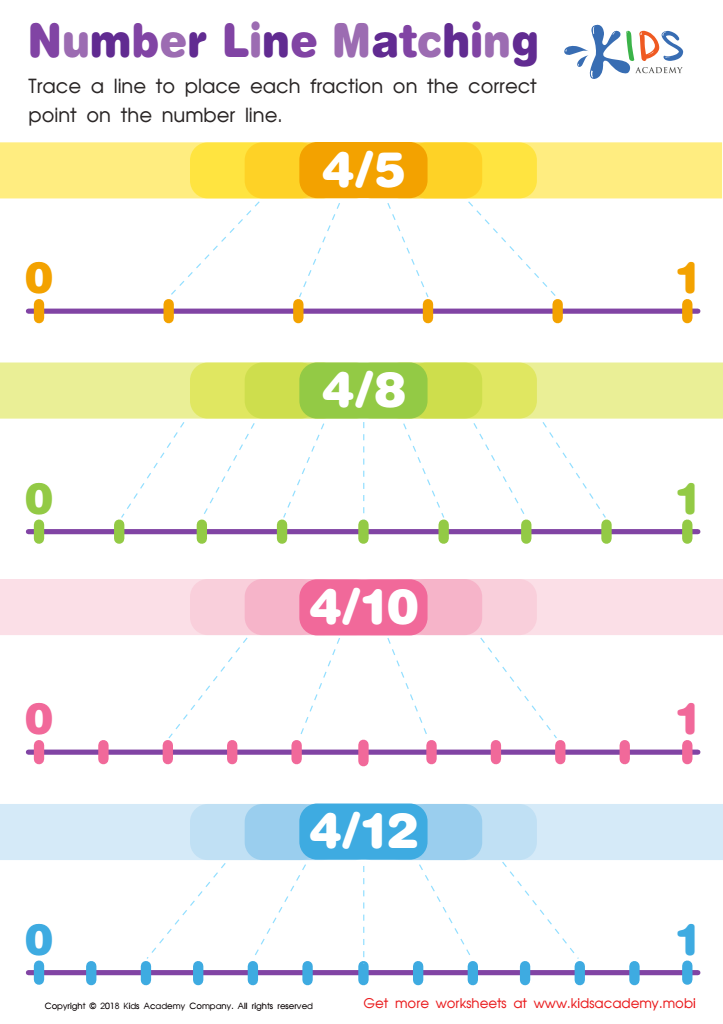
Number Line Matching Worksheet
 Assign to My Students
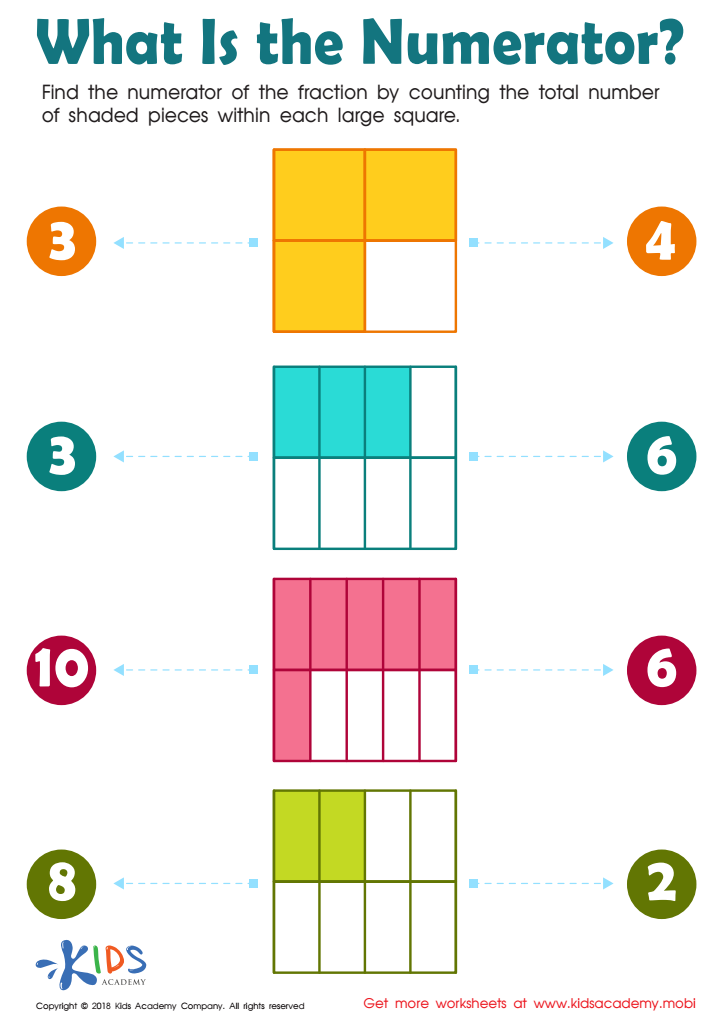
What Is the Numerator? Worksheet
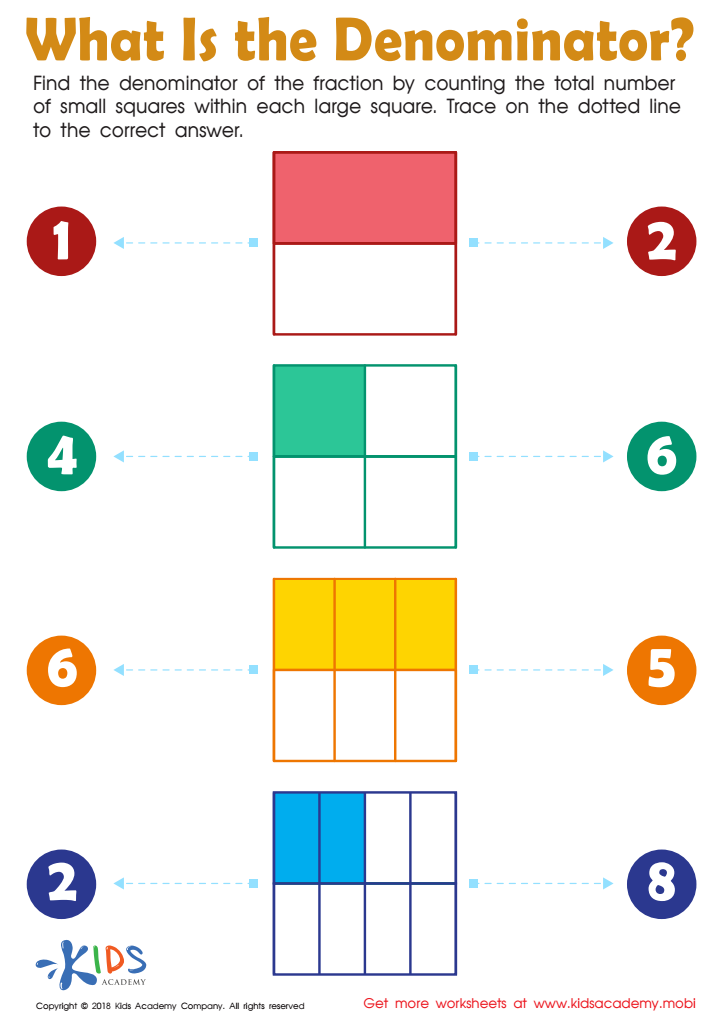
What Is the Denominator? Worksheet




.jpg)
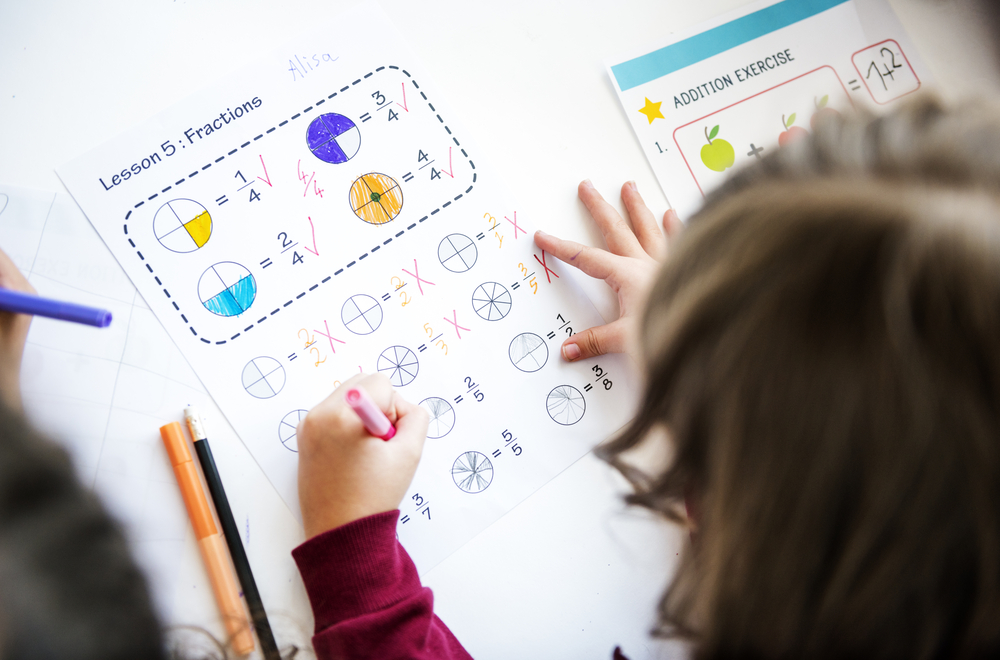


Basic math skills, particularly understanding fractions, are fundamental for children aged 3-9 as they lay the groundwork for critical thinking and problem-solving abilities. At this early stage, children are naturally curious and capable of grasping essential mathematical concepts through practical and engaging approaches. Learning about fractions helps them develop an understanding of parts and wholes, which is crucial in both math and everyday life.
When children grasp fractions, they enhance their ability to measure, divide, and compare quantities, skills they will use in future math. Moreover, understanding fractions supports their cognitive development, encouraging logical reasoning and spatial awareness. Fractions relate to concepts like sharing and dividing, making them relatable through real-life situations, such as sharing pizza or toys, which fosters social skills and cooperation among peers.
For parents and teachers, focusing on fractions can prevent gaps in learning and promote a positive attitude towards math. Engaging children in fraction-related activities can make learning enjoyable, igniting a lifelong interest in mathematics. Ultimately, mastery of fractions in early childhood not only builds a strong math foundation but also aids in academic success, ensuring that students are better equipped for more complex calculations in later years.








