Understanding patterns Numbers Worksheets for Ages 3-9
7 filtered results
-
From - To
Welcome to our "Understanding Patterns Numbers Worksheets" page designed for children ages 3-9! These engaging worksheets help young learners identify and create patterns using numbers, enhancing their early math skills while making learning fun. By exploring various activities, children develop critical thinking, recognition, and problem-solving abilities. Our worksheets cater to different learning styles, ensuring that every child can grasp the concept of patterns at their own pace. Parents and educators can easily download and print these worksheets to facilitate at-home learning or classroom activities. Foster a love for math and boost your child's confidence with our exciting pattern exploration tools today!
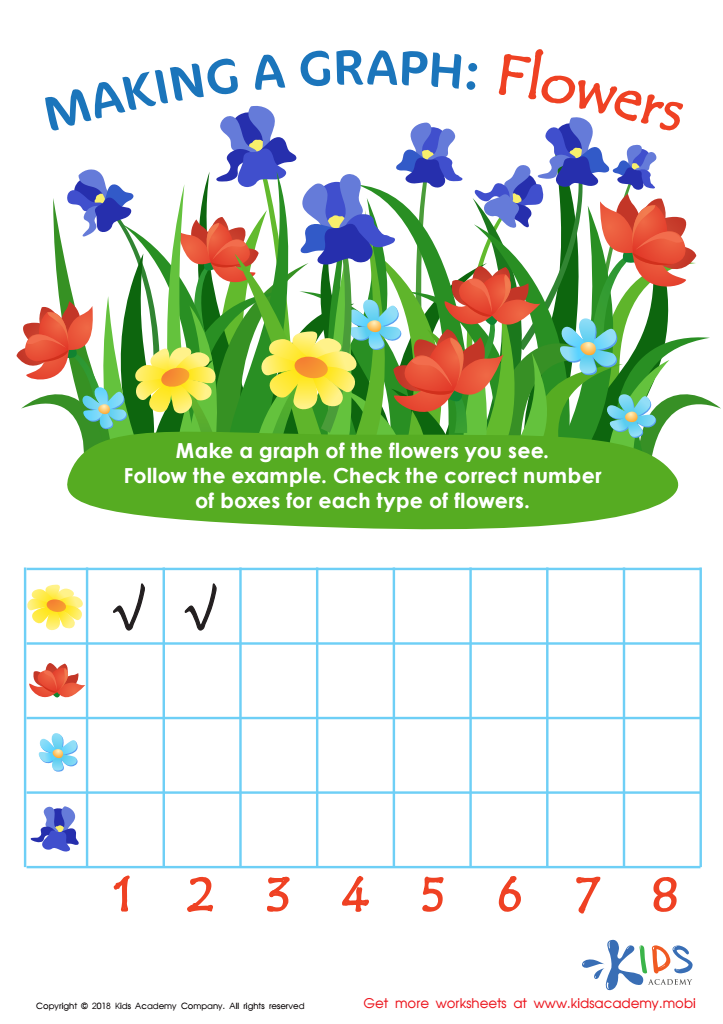
Making a Graph: Flowers Worksheet
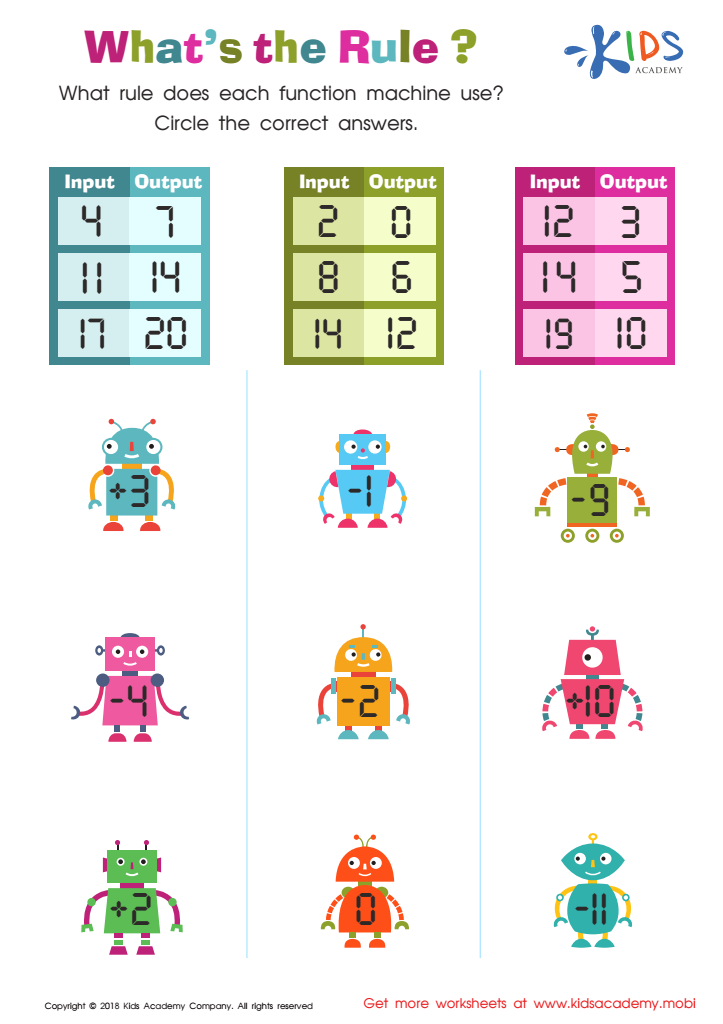
What's the Rule Worksheet
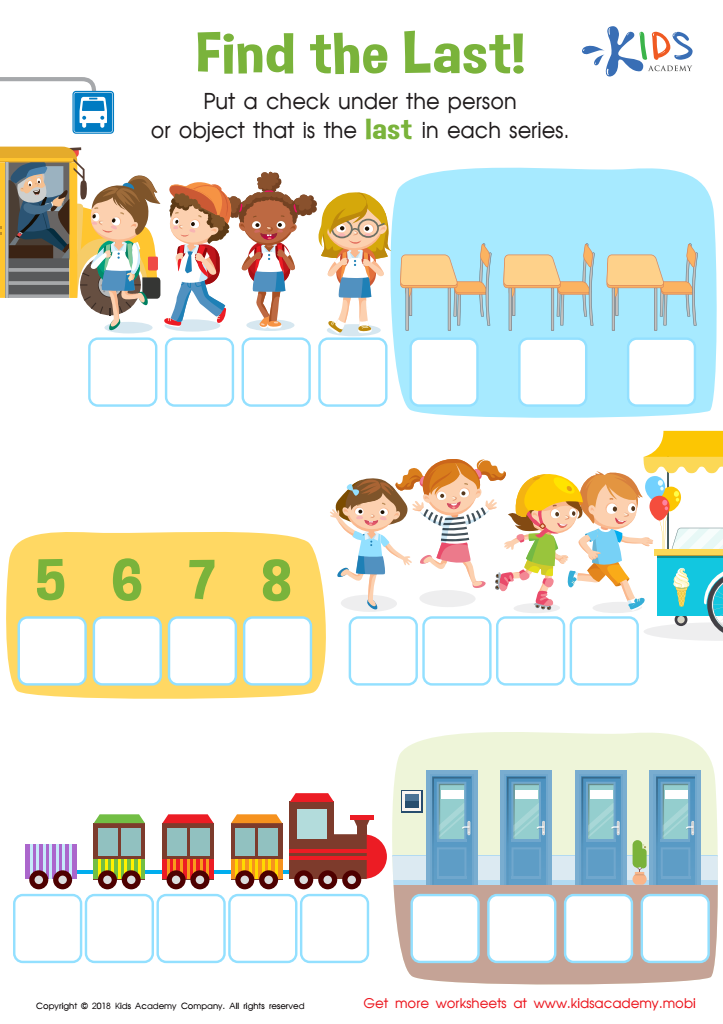
Find the Last! Worksheet
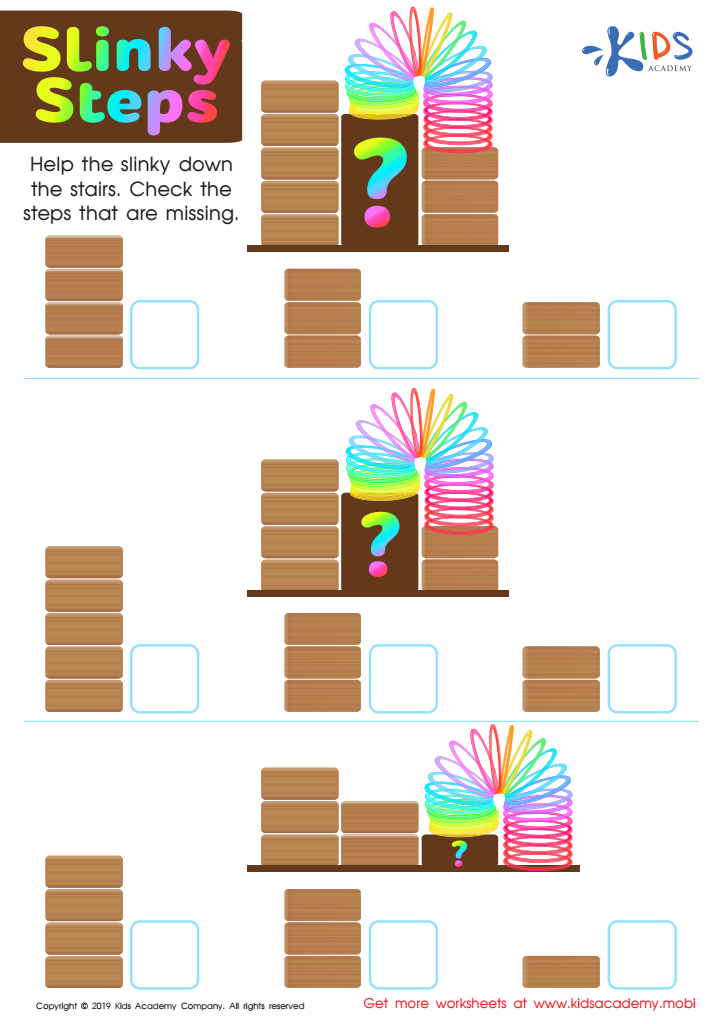
Slinky Steps Worksheet
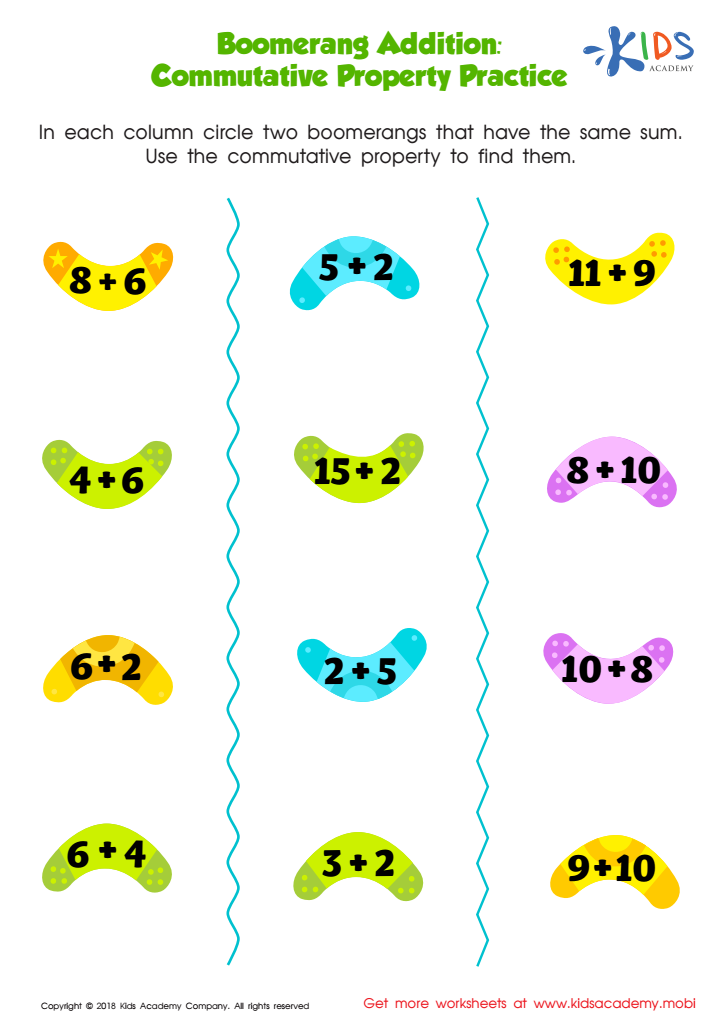
Boomerang Addition Worksheet
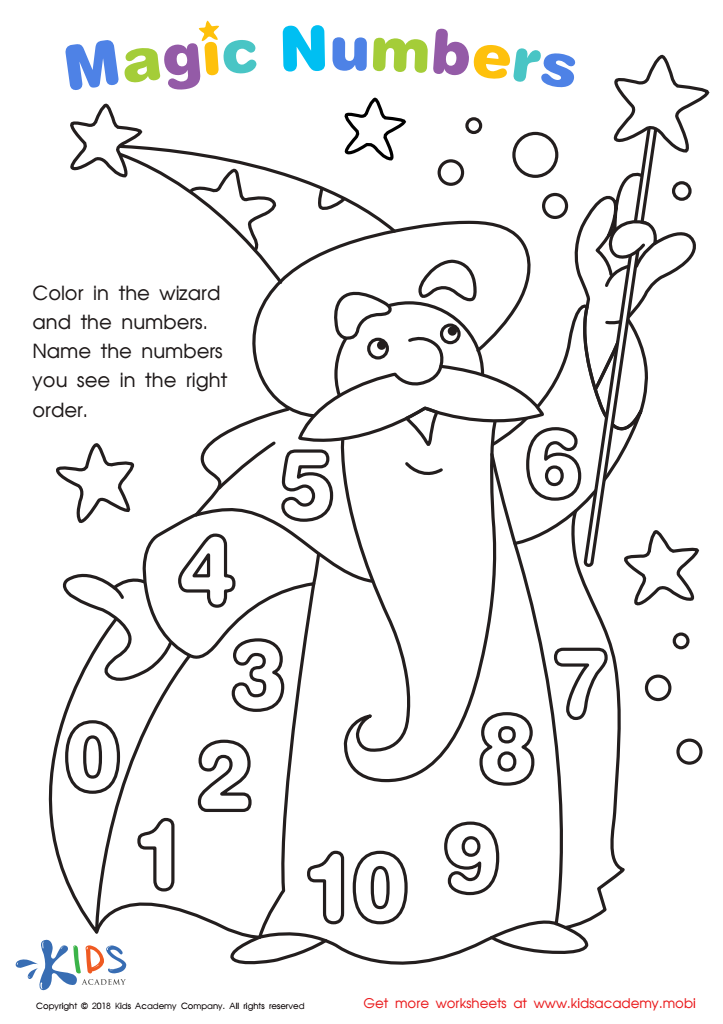
Magic Numbers Worksheet
 Assign to My Students
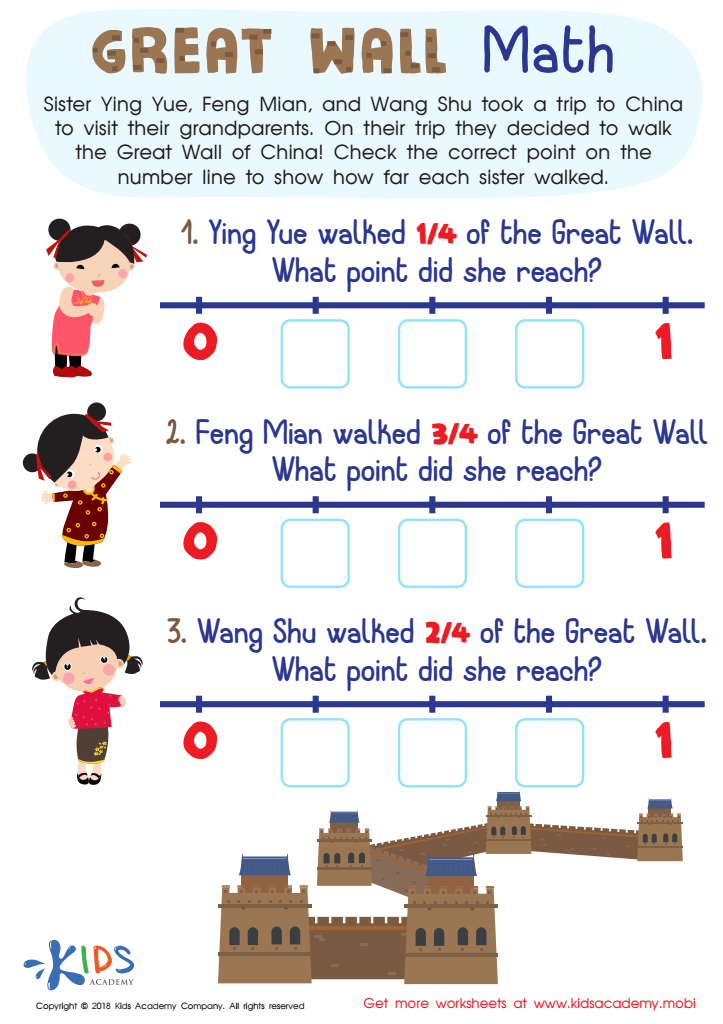
Great Wall Math Worksheet








Understanding patterns and numbers is crucial for children aged 3-9 as it lays the foundational skills for mathematics and critical thinking. Early exposure to patterns helps young learners recognize and predict trends, which are essential cognitive skills that enhance problem-solving abilities. Patterns are found everywhere—from nature to daily routines—and teaching children to identify and create them fosters observational skills and stimulates creativity.
Additionally, number sense is vital during these formative years. Children develop mathematical fluency, which builds confidence and competence as they progress in their education. Recognizing numbers, understanding their relationships, and learning basic operations become natural when grounded in playful, engaging activities.
Furthermore, mastery of patterns and numbers during this period promotes social-emotional growth. Engaging in collaborative activities reinforces social skills, while achieving small mathematical milestones boosts self-esteem.
Ultimately, parents and teachers should care about teaching patterns and numbers because they are the stepping stones to lifelong learning. These skills are not only essential for academic success but also critical for everyday functioning, paving the way for informed decision-making and logical reasoning as children grow. Investing in this foundational knowledge is beneficial for the child's overall development and future academic journey.








