Alphabet Recognition Math Worksheets for Ages 3-9
6 filtered results
-
From - To
Discover our engaging Alphabet Recognition Math Worksheets designed for children aged 3-9! These interactive resources combine the fundamentals of letter recognition and essential math skills in a fun, colorful format. Perfect for preschoolers and early learners, our worksheets feature a variety of activities, from matching letters to counting exercises, helping kids build essential cognitive foundations. Each worksheet is thoughtfully created to boost early literacy and numeracy, making learning enjoyable and effective. Ideal for classroom use or at-home practice, our alphabet worksheets support skill development and prepare young minds for future academic success. Start your child’s learning journey today!
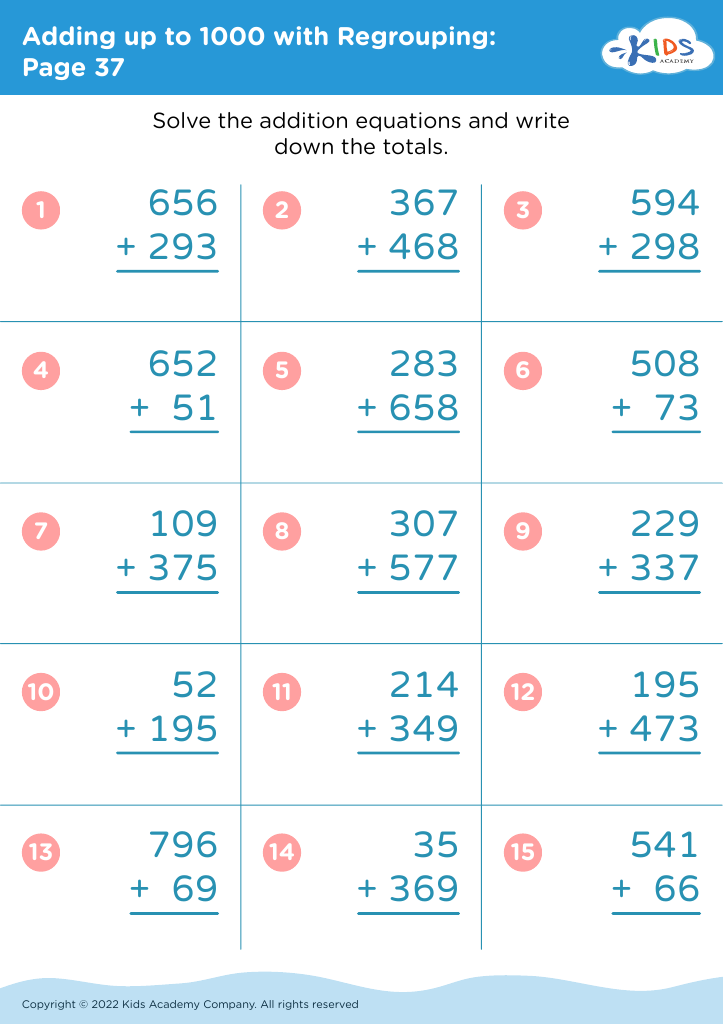
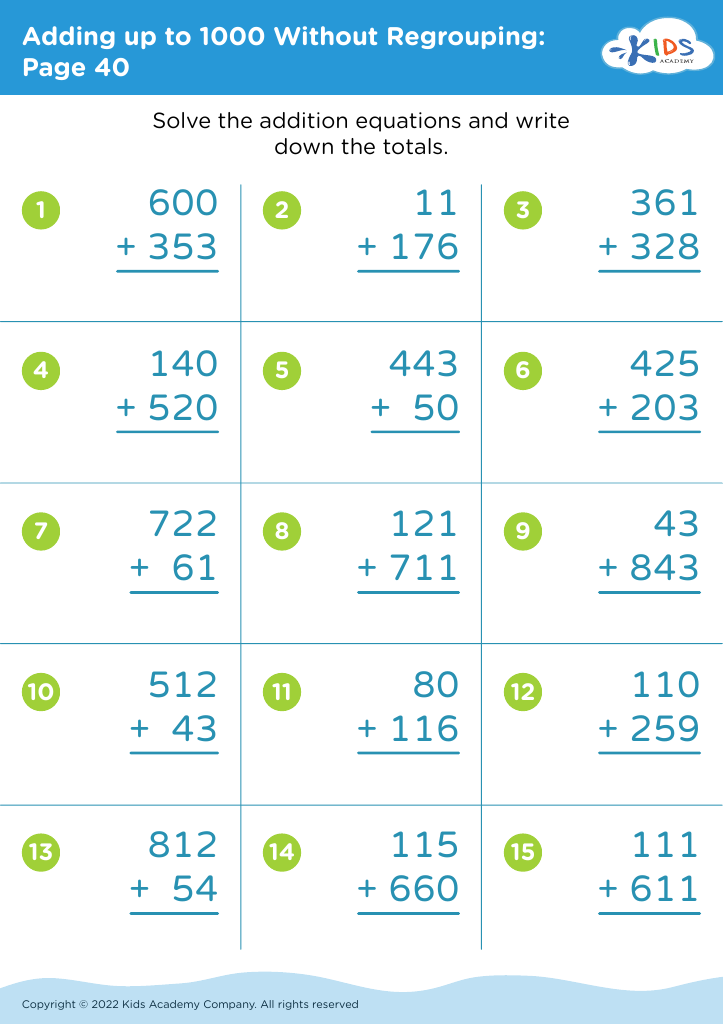
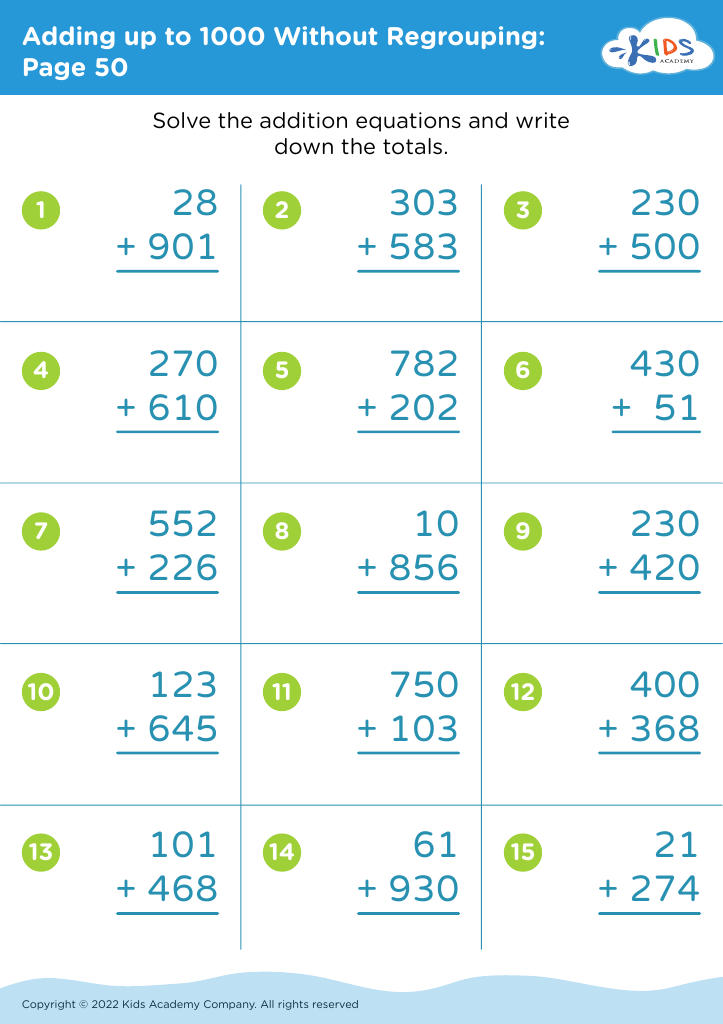
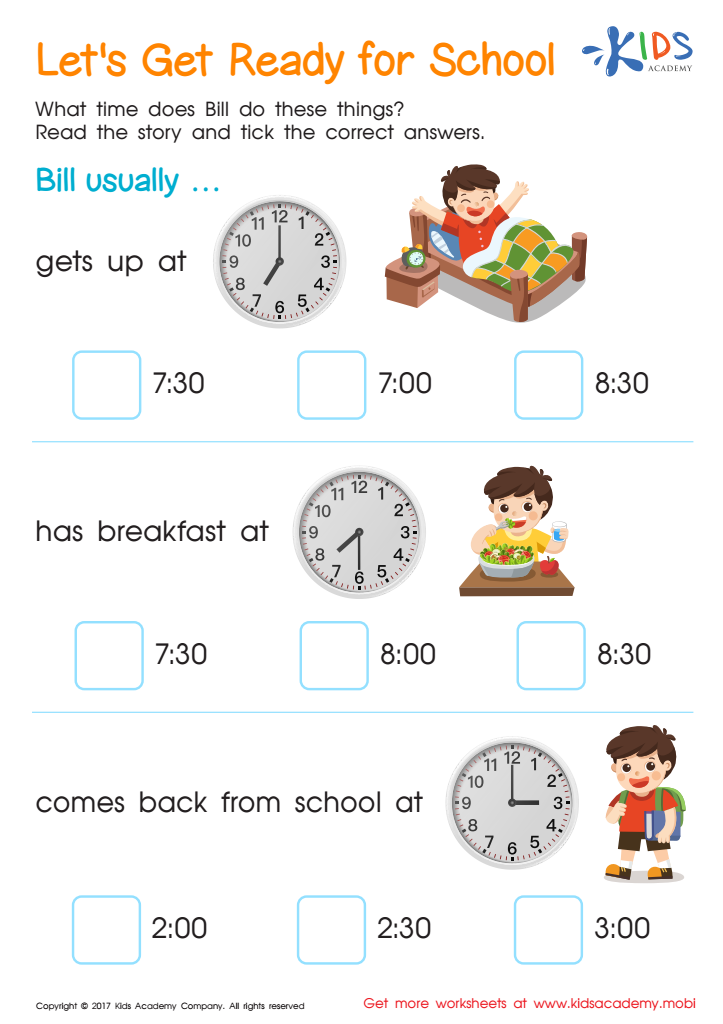
Lets Get Ready For School Time Printable
 Assign to My Students
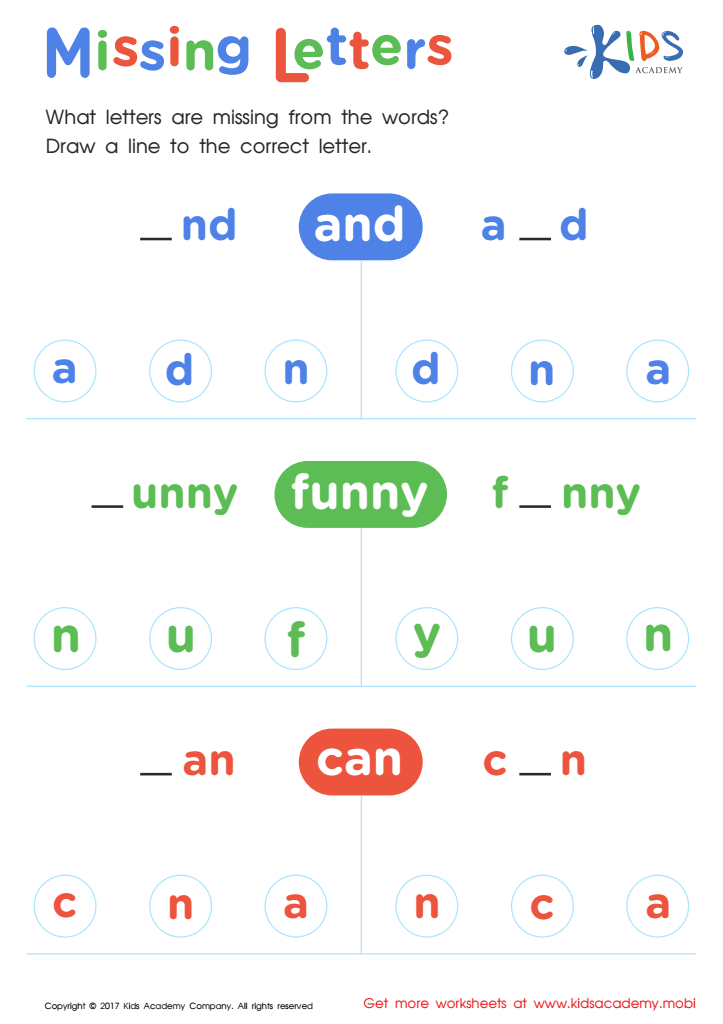
Missing Letters Worksheet







%20(1).jpg)
Alphabet recognition is a foundational skill critical for children's literacy development, particularly for ages 3-9. For parents and teachers, fostering this skill is essential because it directly influences a child's ability to read and write, impacting their overall academic success. Recognizing letters forms the basis for understanding phonics, decoding words, and crafting sentences, which are crucial in early education.
At this age, children are in a period of rapid brain development, making it an optimal time to introduce and reinforce these concepts. Engaging children through fun activities—such as games, songs, and interactive reading—can enhance their motivation and enthusiasm for learning. Moreover, children who recognize letters early on tend to have better self-esteem and confidence in their abilities, driving them toward greater academic challenges.
Additionally, strong literacy skills contribute to broader language development and critical thinking, which are vital for social interaction and comprehension in various subjects. Parents and teachers play a central role in nurturing this skill, shaping well-rounded individuals equipped with the tools necessary to navigate their educational journey. Ignoring alphabet recognition can lead to challenges in literacy, underscoring the importance of making this a priority in early childhood learning.








