Analytical thinking Math Worksheets for Ages 3-9
5 filtered results
-
From - To
Welcome to our "Analytical Thinking Math Worksheets for Ages 3-9" page! Our engaging worksheets are designed to help young learners develop critical analytical thinking skills while enhancing their math abilities. Tailored for children from ages 3 to 9, these resources utilize fun exercises that promote problem-solving, pattern recognition, and logical reasoning. Each worksheet is crafted to provide a stimulating and interactive learning experience, encouraging kids to think creatively and strategically. Ideal for parents and educators, our worksheets can be easily printed at home or in the classroom. Start your child’s journey towards becoming a confident and adept thinker today!
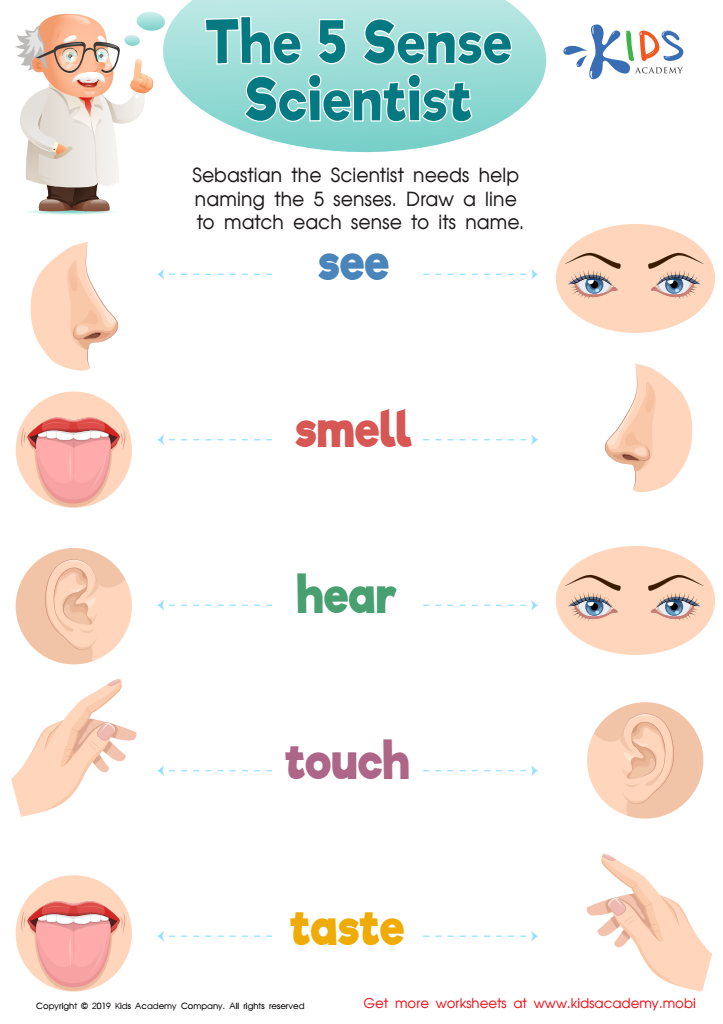
The 5 Sense Scientist Worksheet
 Assign to My Students
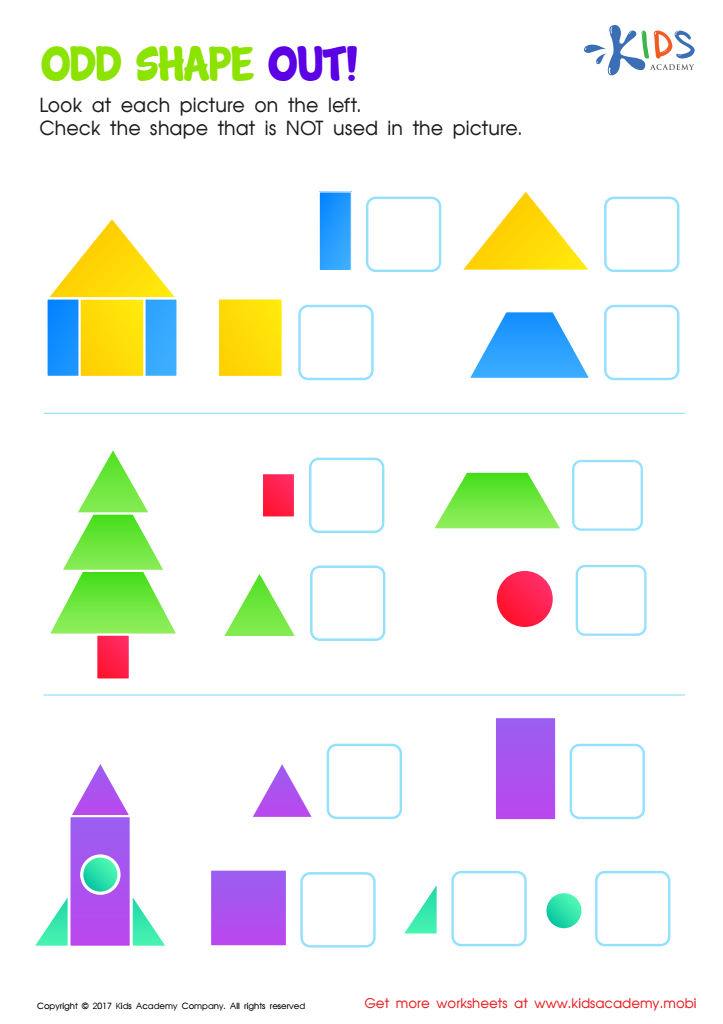
Odd Shape Out Worksheet for Grade 1

Logic Game Sorting Worksheet

After School Time Printable
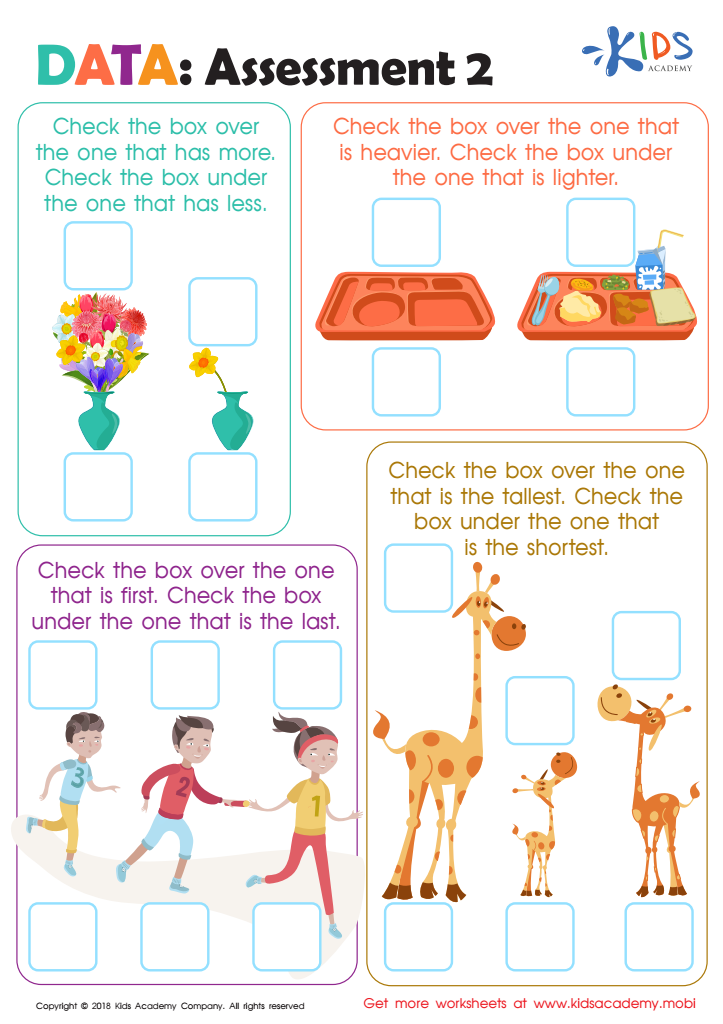
Data: Assessment 2 Worksheet



.jpg)



Analytical thinking math skills are crucial for children ages 3 to 9 as they form the foundation for problem-solving and critical thinking. During this developmental stage, children are highly receptive to concepts like patterns, relationships, and logical reasoning. Engaging in analytical thinking activities, such as puzzles and counting games, helps children learn to identify similarities and differences, classify objects, and develop spatial awareness.
Parents and teachers should care about nurturing these skills because they promote cognitive development, encouraging children to approach challenges systematically rather than impulsively. Mastery of analytical thinking enhances a child's ability to analyze situations, strategize solutions, and evaluate outcomes in mathematics and across various academic subjects.
Additionally, strong analytical math skills foster confidence and resilience. Children who learn to tackle problems methodically are more likely to embrace challenges, thrive in classroom settings, and develop a lifelong love for learning. As such, integrated learning experiences that emphasize analytical thinking will not only prepare children for advanced mathematics but also equip them to navigate complex decision-making in real-world scenarios, ensuring holistic growth as they progress through their education and beyond.








