Associative learning Math Worksheets for Ages 3-9
5 filtered results
-
From - To
Discover our engaging Associative Learning Math Worksheets for children ages 3-9 at Kids Academy. Our printable activities effectively blend visual aids, interactive challenges, and fun games designed to foster your child's associative thinking and foundational math skills. These carefully crafted sheets are perfect for helping kids understand the relationships between numbers, develop problem-solving abilities, and gain confidence in their math capabilities. With easy-to-follow instructions tailored to early learners, our worksheets provide an enjoyable, hands-on approach to learning that keeps young minds active and engaged. Start their mathematical journey with Kids Academy today!
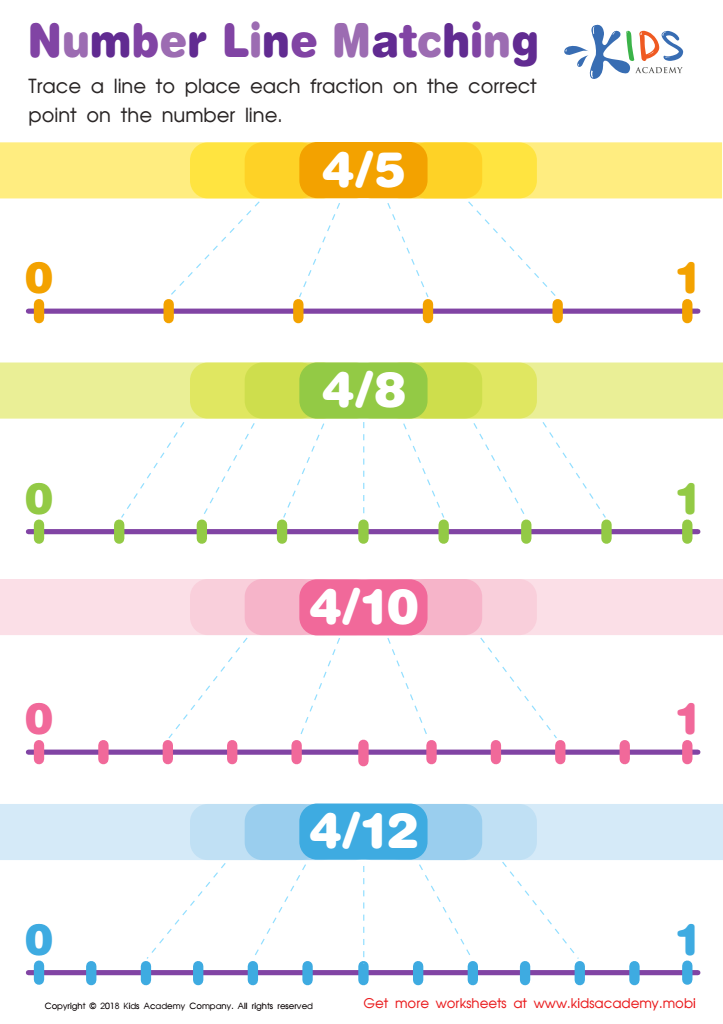
Number Line Matching Worksheet
 Assign to My Students
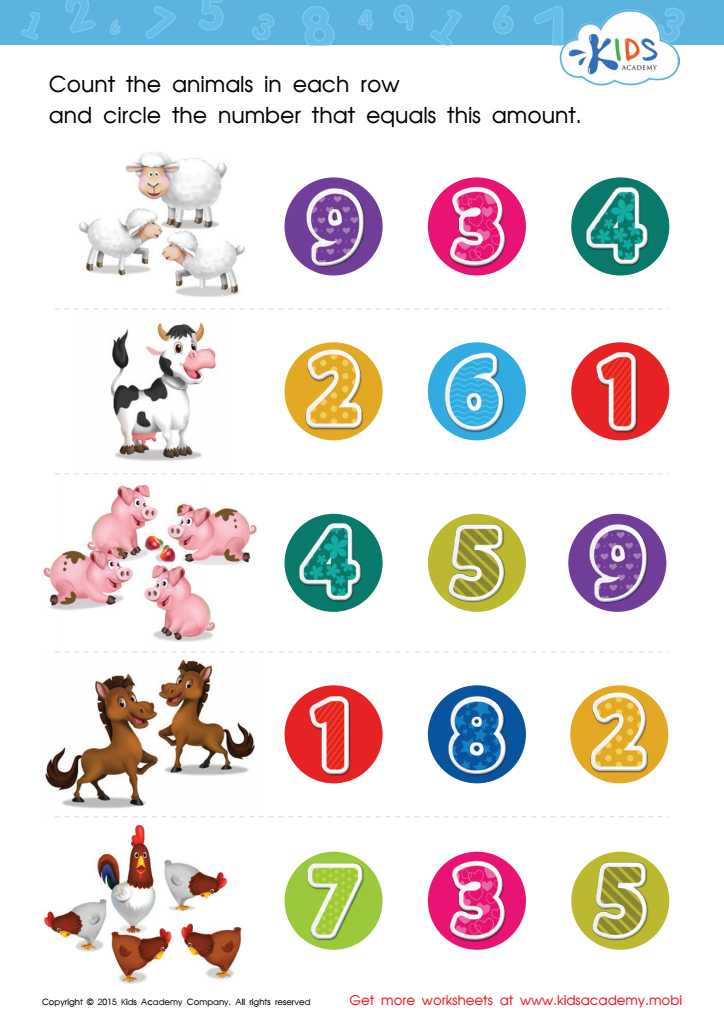
Count and Match 1 – 5 Math Worksheet
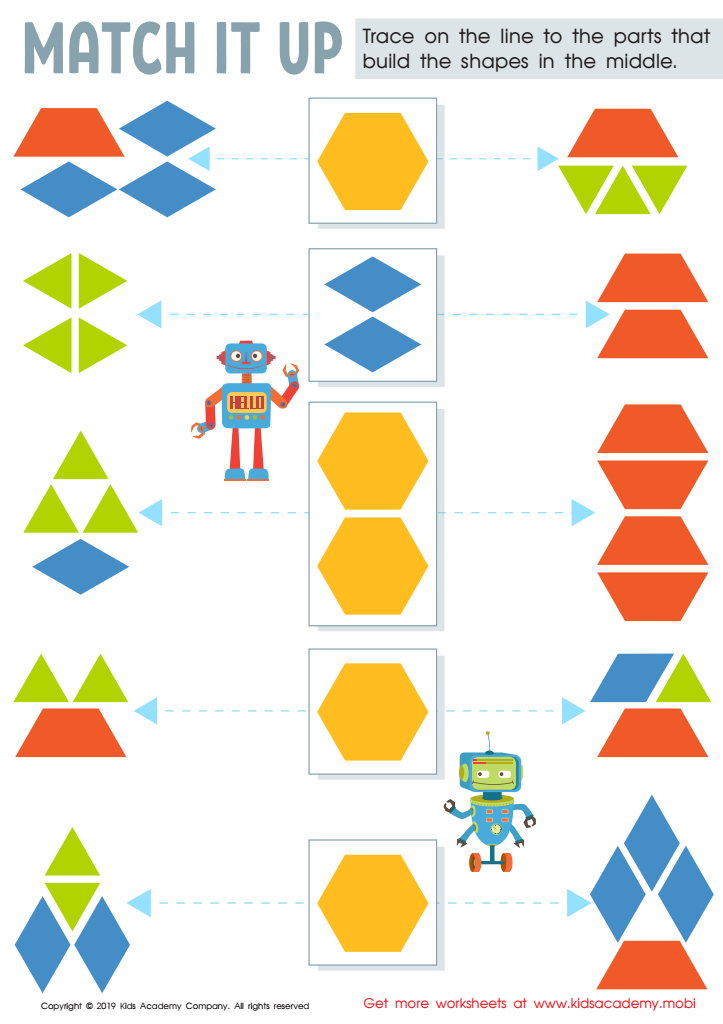
Match It up Worksheet
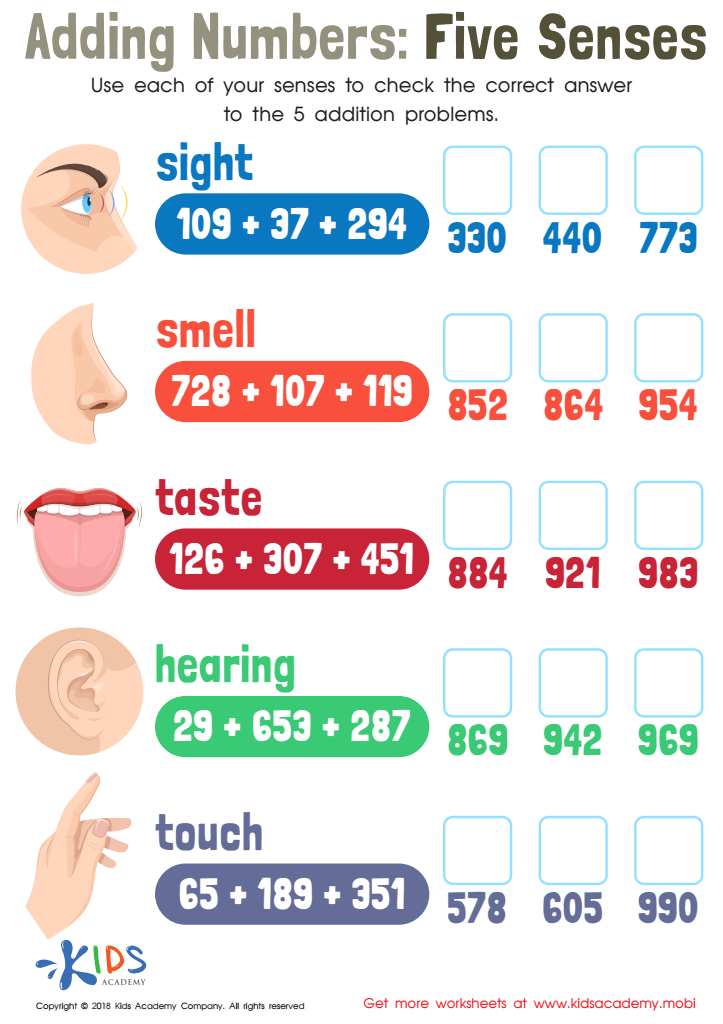
Adding Numbers: Five Senses Worksheet
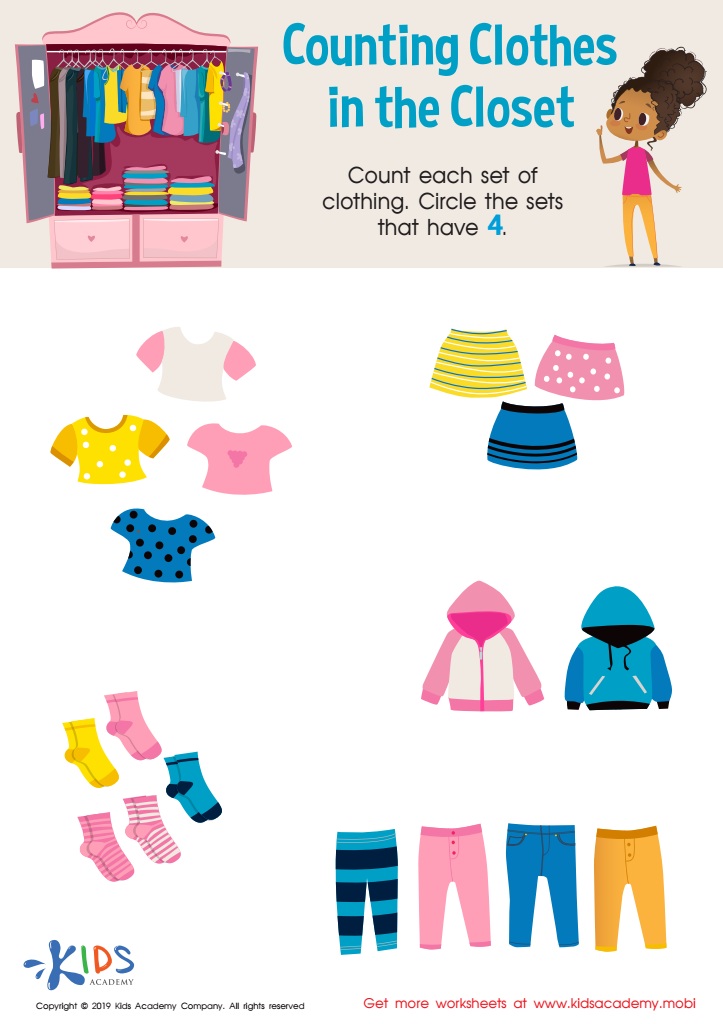
Counting Clothes Worksheet








Associative learning in math for children aged 3-9 is fundamental to their cognitive development and future academic success. This approach involves connecting new mathematical concepts to familiar ones, making abstract ideas more relatable and easier to grasp. For young children, this method lays a strong foundation by linking basic arithmetic to everyday experiences, like counting toys or sharing snacks, thereby promoting engagement and understanding.
Parents and teachers should care about associative learning because it nurtures a child's ability to recognize patterns and relationships, which are critical skills in problem-solving and logical thinking. By associating numbers and operations with real-world objects and scenarios, children develop a deeper comprehension of mathematical principles. This, in turn, builds their confidence and reduces math anxiety, fostering a positive attitude towards the subject.
Moreover, early mastery of math through associative learning can have long-term benefits, including improved performance in school. As students advance, their ability to understand more complex concepts relies heavily on the strong foundation established in their early years. Investing time and effort in associative learning aids kids in becoming proficient mathematicians and critical thinkers, setting them up for a lifetime of success in various disciplines.
Parents and educators play a crucial role in fostering this growth by consistently integrating these teaching strategies into their daily interactions and lesson plans.








