Basic Math Skills Math Worksheets for Ages 3-9 - Page 8
171 filtered results
-
From - To
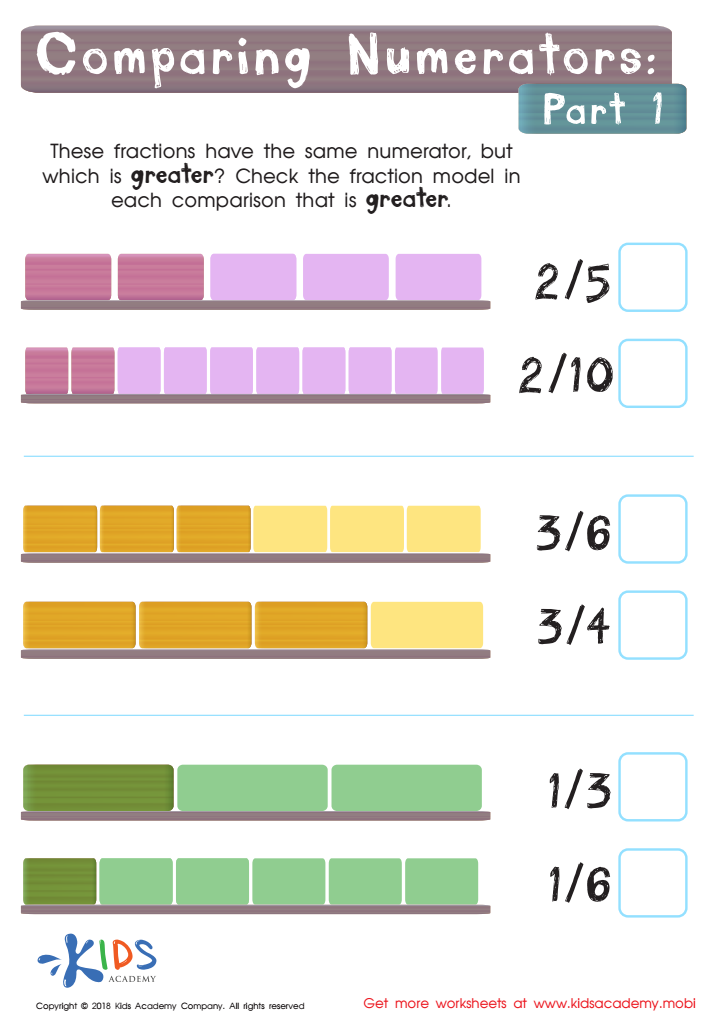
Comparing Numerators Part 1 Worksheet
 Assign to My Students
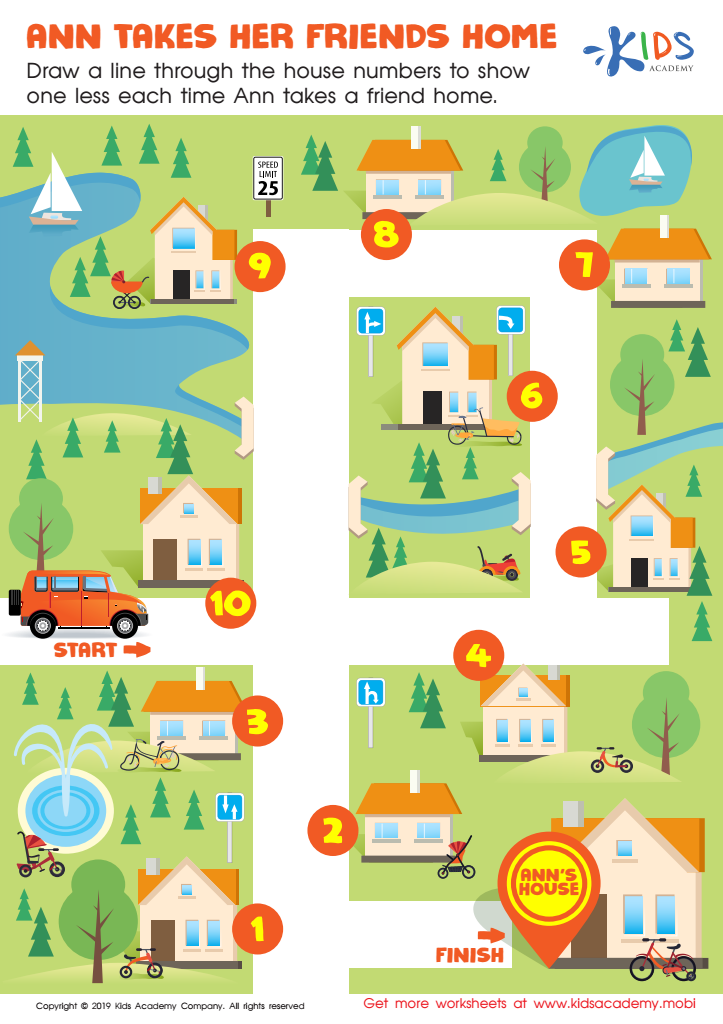
Ann Takes her Friends Home Worksheet
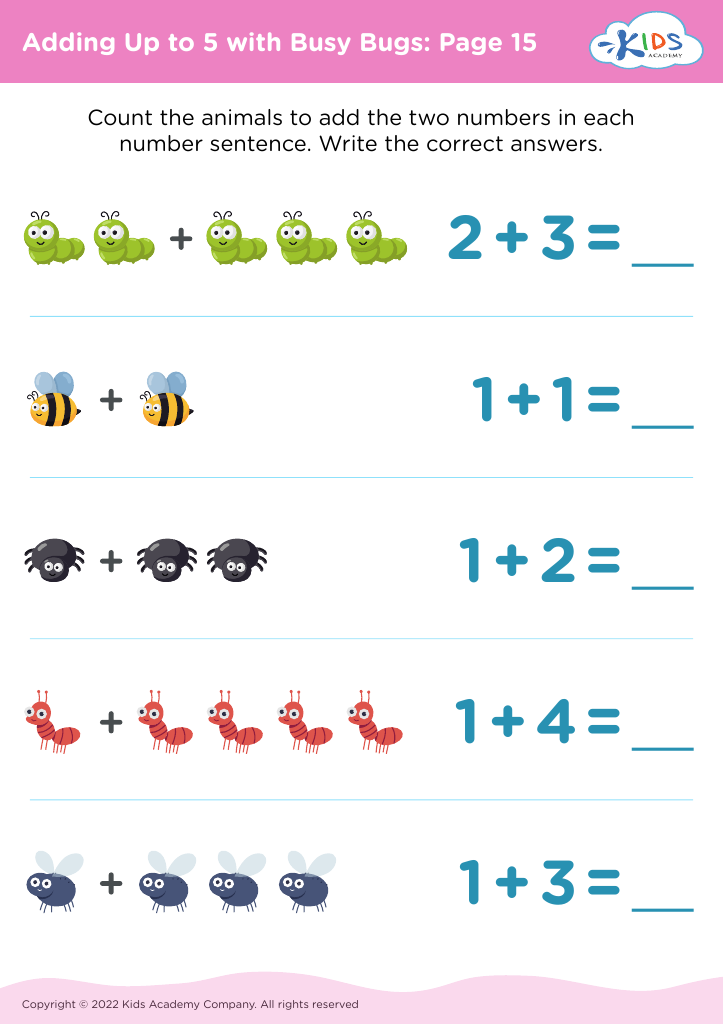








Basic math skills are crucial for children aged 3-9 as they lay the foundation for future learning and cognitive development. At this stage, children are like sponges, absorbing information quickly. Early math education fosters critical thinking, problem-solving abilities, and logical reasoning, which are essential in everyday life and more advanced math concepts later on.
Moreover, early math skills develop numerical literacy, enabling children to understand quantities and relationships, which is vital for everyday tasks like shopping or cooking. When parents and teachers prioritize these skills, they help children build confidence in their abilities, leading to positive attitudes toward learning and mathematics as they grow.
Engaging in simple activities, such as counting objects during playtime or measuring ingredients in cooking, not only reinforces math concepts but also makes learning enjoyable. Empirical research shows that strong early math skills correlate with improved academic performance later in school.
Finally, building these foundational skills early can help bridge gaps in learning for children from various backgrounds, promoting equity and setting them up for success as they progress through their education. Investing time and resources into teaching basic math skills at this age is an investment in children's futures.








