Developing fine motor skills Math Worksheets for Ages 3-9
5 filtered results
-
From - To
Explore our engaging and interactive fine motor skills math worksheets designed specifically for children aged 3-9. These fun exercises aim to enhance your child's hand-eye coordination, dexterity, and overall fine motor development while reinforcing essential math concepts. Each worksheet combines playful activities with math challenges, ensuring learning is both enjoyable and effective. Ideal for home or classroom use, these resources cater to diverse learning styles, encouraging creativity and independence in young learners. Foster a love for math and aid in the development of critical fine motor abilities with our thoughtfully crafted worksheets. Start your child’s math journey today!
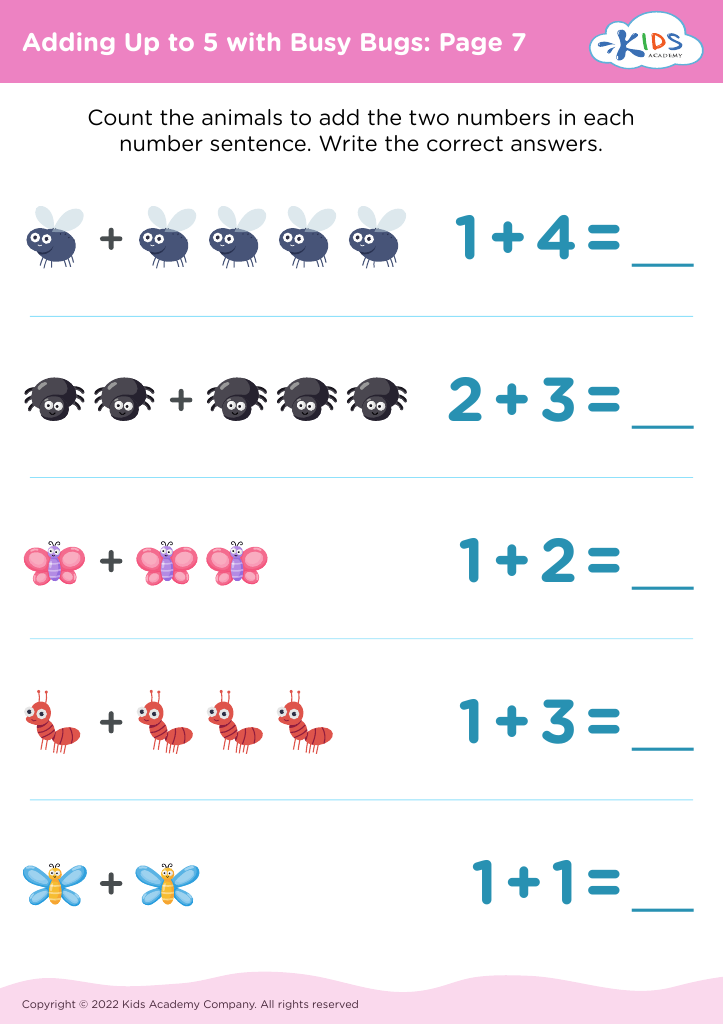
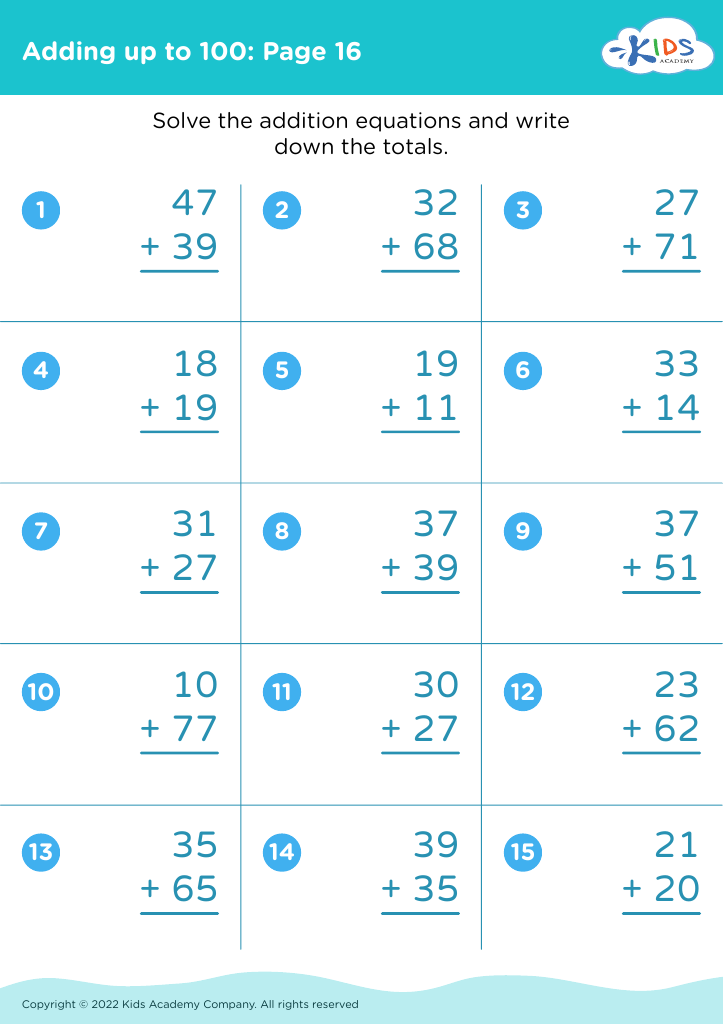

Robot Fun Worksheet
 Assign to My Students
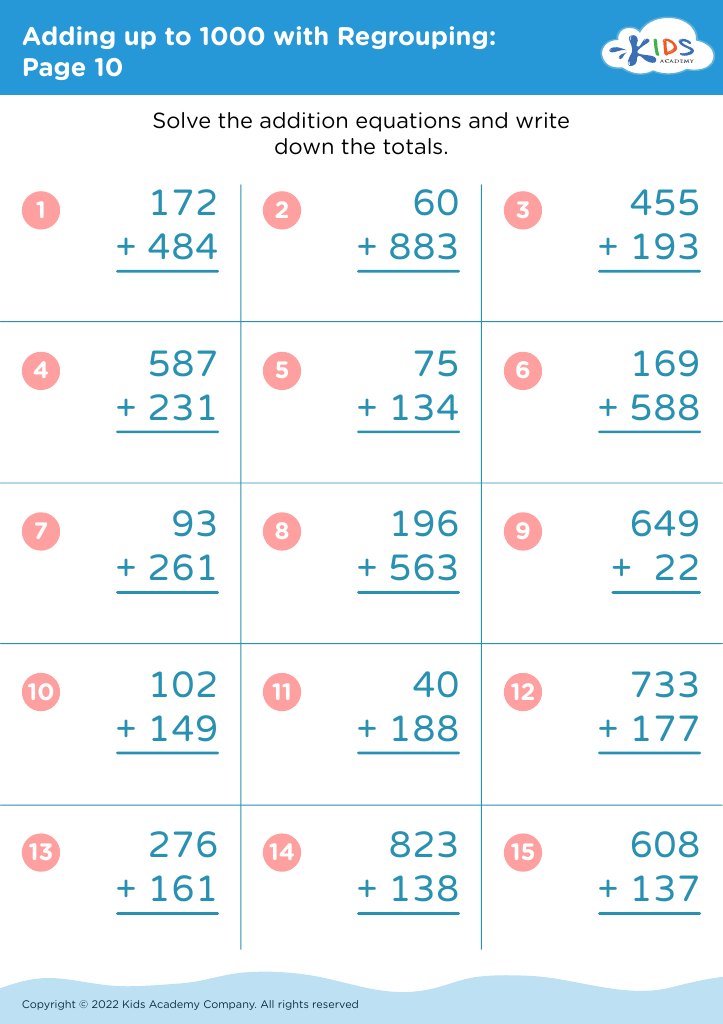
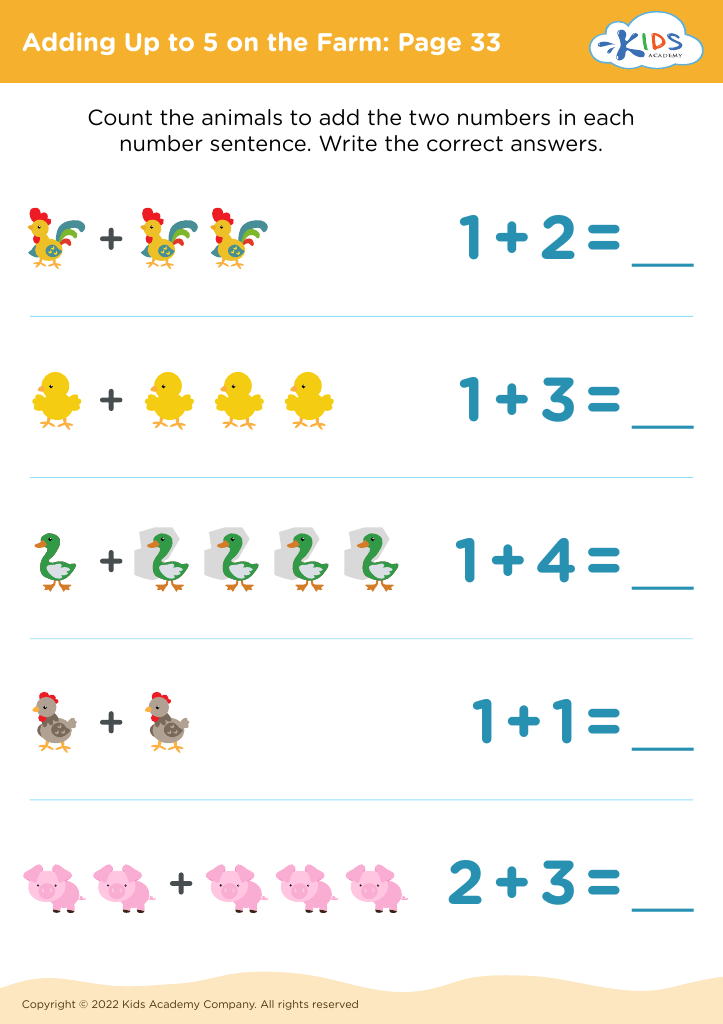







.jpg)
Developing fine motor skills in children aged 3-9 is crucial for their overall academic and personal growth, particularly in subjects like math. Fine motor skills involve the small muscles in the hands and fingers, which are essential for tasks like writing, drawing, and manipulating objects. Strengthening these skills provides children with the ability to accurately control tools and engage in hands-on activities that foster mathematical understanding.
Math often involves visual-spatial awareness and the ability to manipulate physical objects, such as using blocks for counting or measuring. Fine motor skills help children effectively engage in these activities, leading to better comprehension of mathematical concepts. Additionally, fine motor development enhances children's ability to perform basic writing or drawing tasks, which are foundational for recording numerical information.
Moreover, building fine motor skills also aids in the development of patience, perseverance, and concentration. Engaging in tasks that require precision, like threading beads or solving puzzles, helps children develop these critical traits. Furthermore, parents and teachers who prioritize fine motor skill development set children up for success in later academic pursuits and daily life tasks, ensuring they remain confident and capable learners. By incorporating fine motor-oriented activities into daily routines, adults play a vital role in fostering a positive learning environment.








