Enhance fine motor skills Math Worksheets for Ages 3-9
5 filtered results
-
From - To
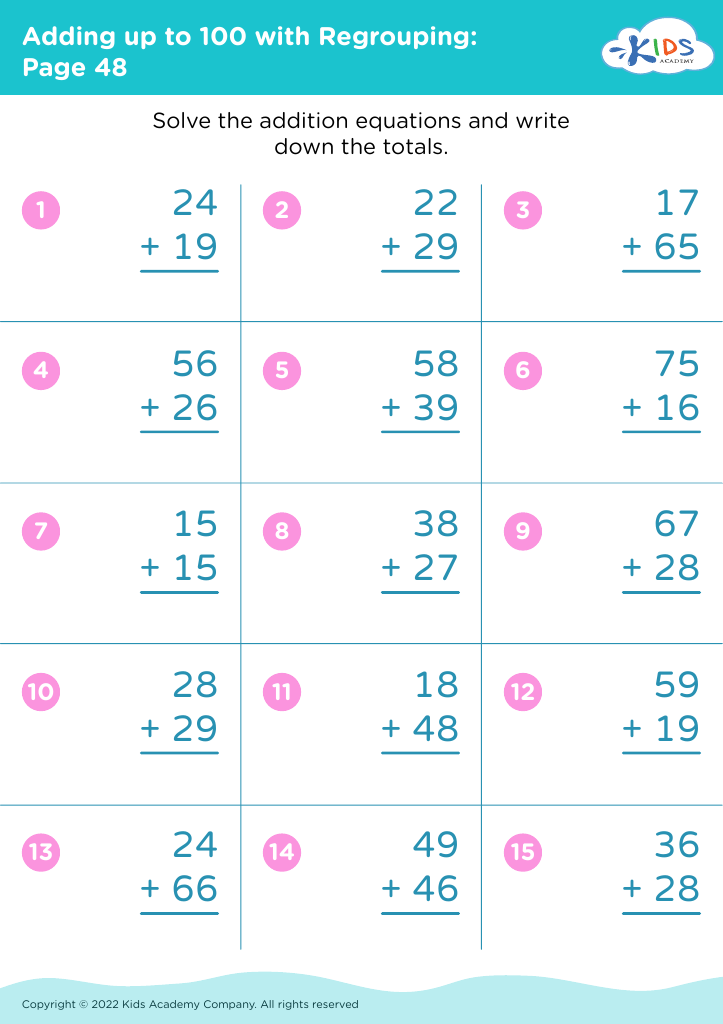
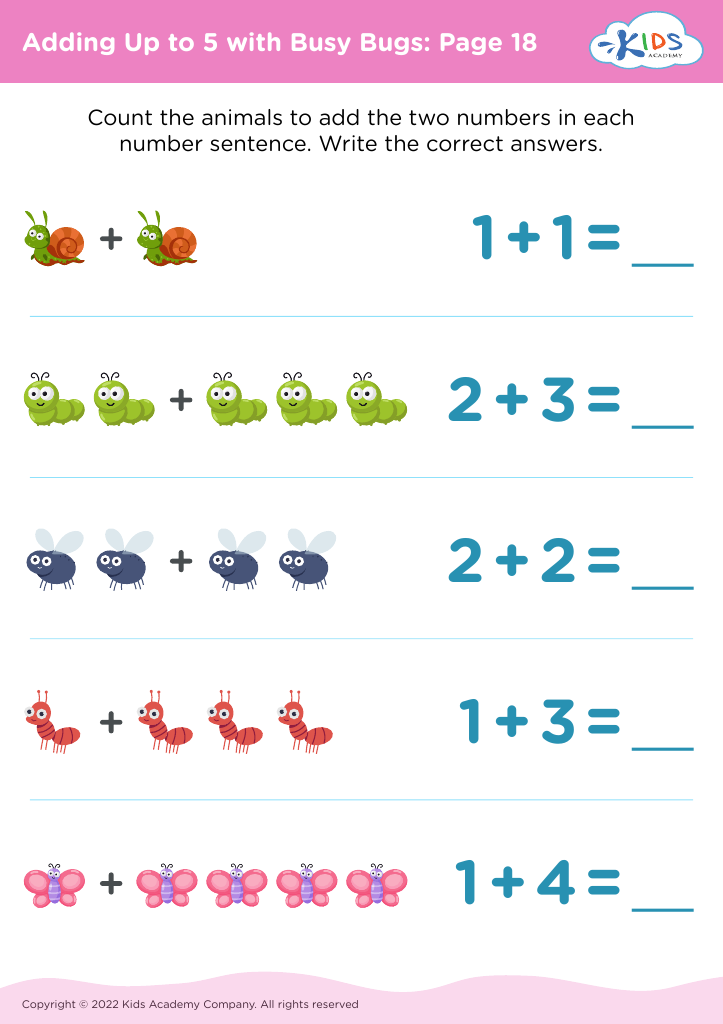
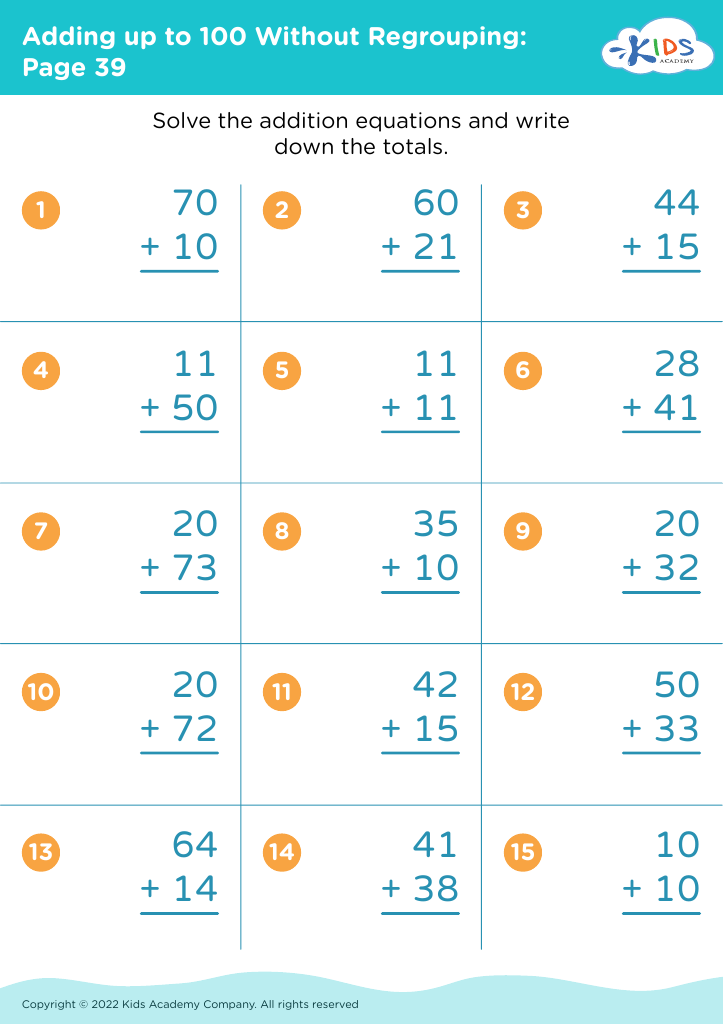
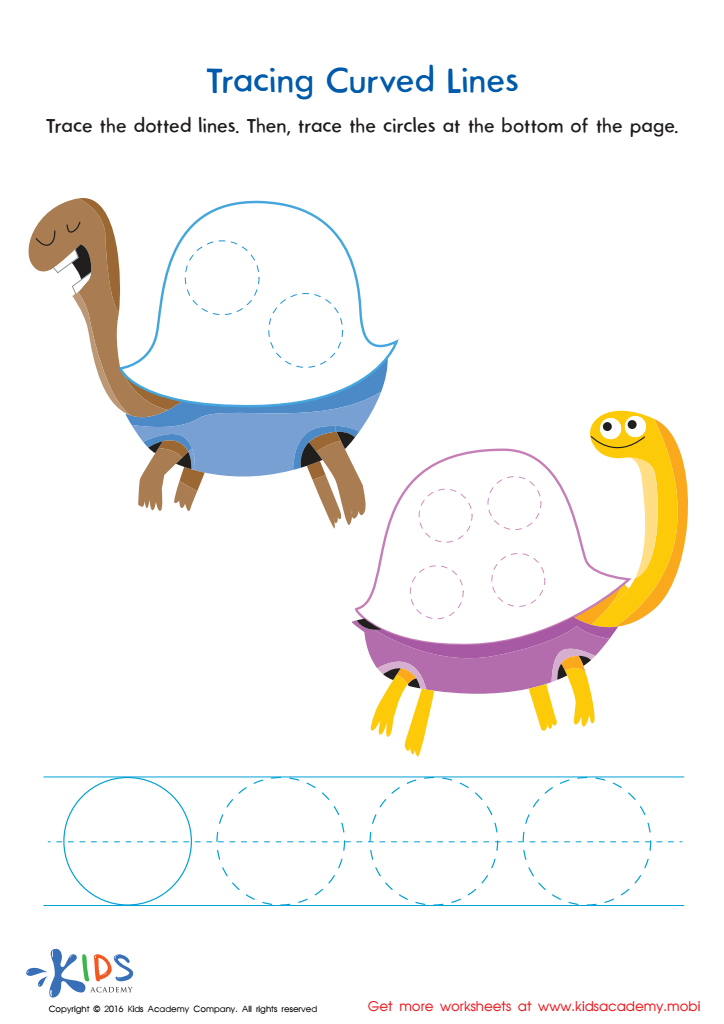
Discover our engaging Fine Motor Skills Math Worksheets, perfect for children ages 3-9! These carefully crafted activities not only introduce fundamental math concepts but also promote the development of crucial fine motor skills. Each worksheet combines fun, hands-on exercises with educational challenges, ensuring that young learners enhance their hand-eye coordination, dexterity, and precision while solving math puzzles. Whether through tracing numbers, cutting patterns, or connecting dots, children will enjoy a dynamic learning experience that fosters both academic and physical growth. Explore our extensive collection of worksheets today and empower your child’s learning journey with fun, interactive math activities!
 Assign to My Students
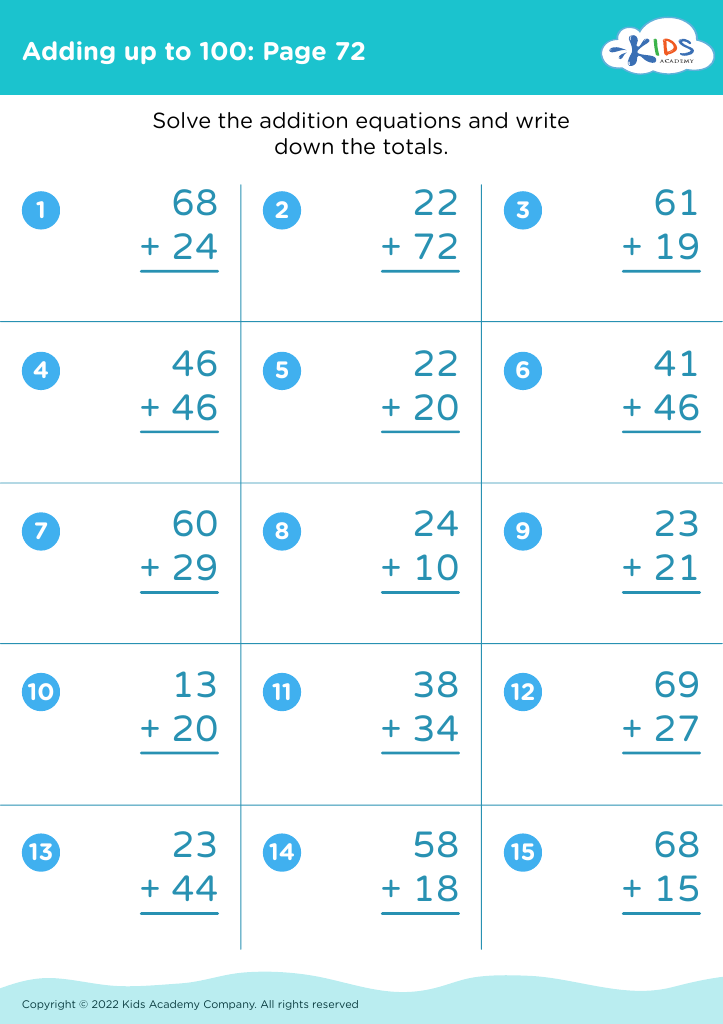








Enhancing fine motor skills in children aged 3-9 is crucial as it lays the foundation for various academic and life skills, particularly in math. Fine motor skills involve the coordination of small muscles, enabling tasks such as writing, drawing, and manipulating small objects – all of which are essential for understanding math concepts. For instance, activities like connecting dots or building with blocks not only foster dexterity but also enhance spatial awareness and problem-solving skills critical for mathematics.
Moreover, fine motor development is directly linked to early literacy, as children who have well-developed fine motor skills can better control pencils and books, leading to improved writing and reading comprehension. In a math context, children with stronger fine motor skills can engage more easily in hands-on learning activities, such as counting, sorting, and measuring. These experiences promote an understanding of mathematical concepts and principles in a tangible way.
Parents and teachers play a key role in encouraging activities that develop these skills – from using scissors and play dough to engaging in games that require pinching or grasping. Investing time in this developmental area supports broader cognitive growth, nurtures confidence in academic abilities, and fosters a lifelong love for learning.








