Enhancing fine motor skills Math Worksheets for Ages 3-9
3 filtered results
-
From - To
Discover the perfect blend of learning and fun with our "Enhancing Fine Motor Skills Math Worksheets for Ages 3-9". Specially designed for young learners, these worksheets blend engaging math problems with activities that enhance fine motor skills. Through coloring, tracing, and precise drawing exercises, kids will not only improve their mathematical understanding but also develop essential hand-eye coordination and dexterity. Ideal for both classroom and at-home practice, our worksheets are a fantastic resource to foster academic growth and physical development. Set the foundation for a successful learning journey today with these comprehensive and interactive worksheets!
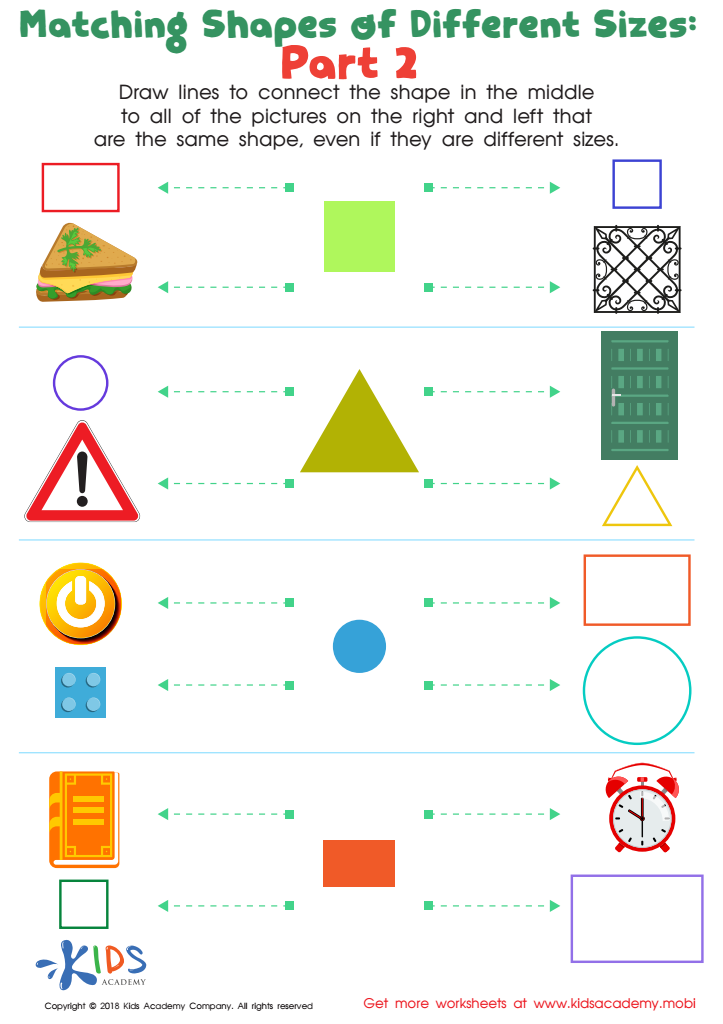
Geometry: Part 2 Worksheet
 Assign to My Students
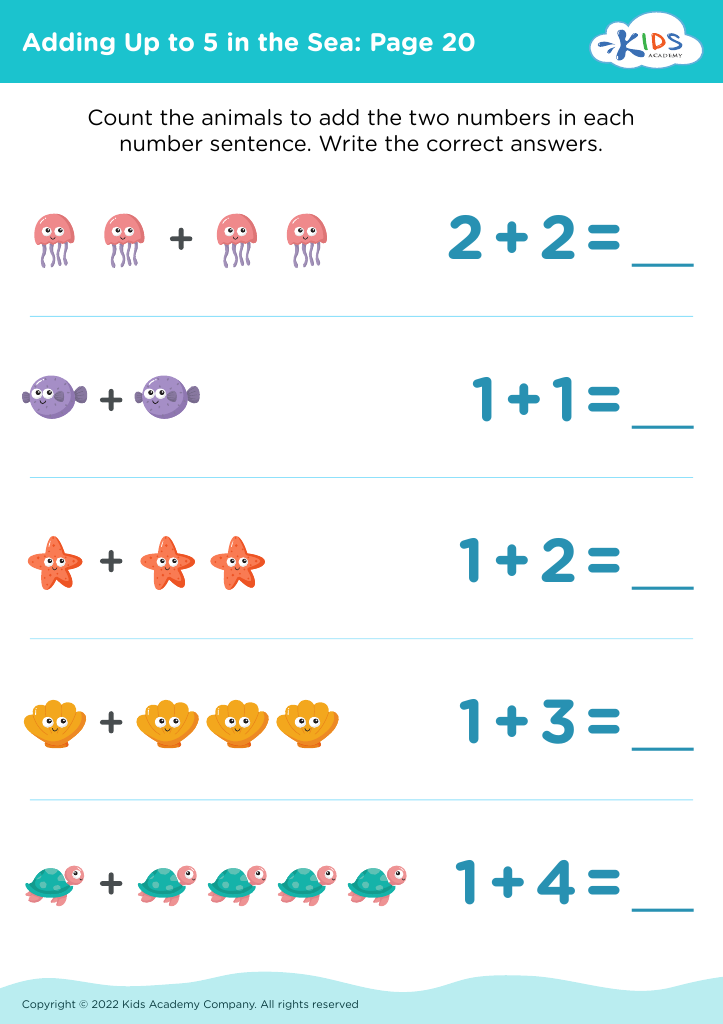
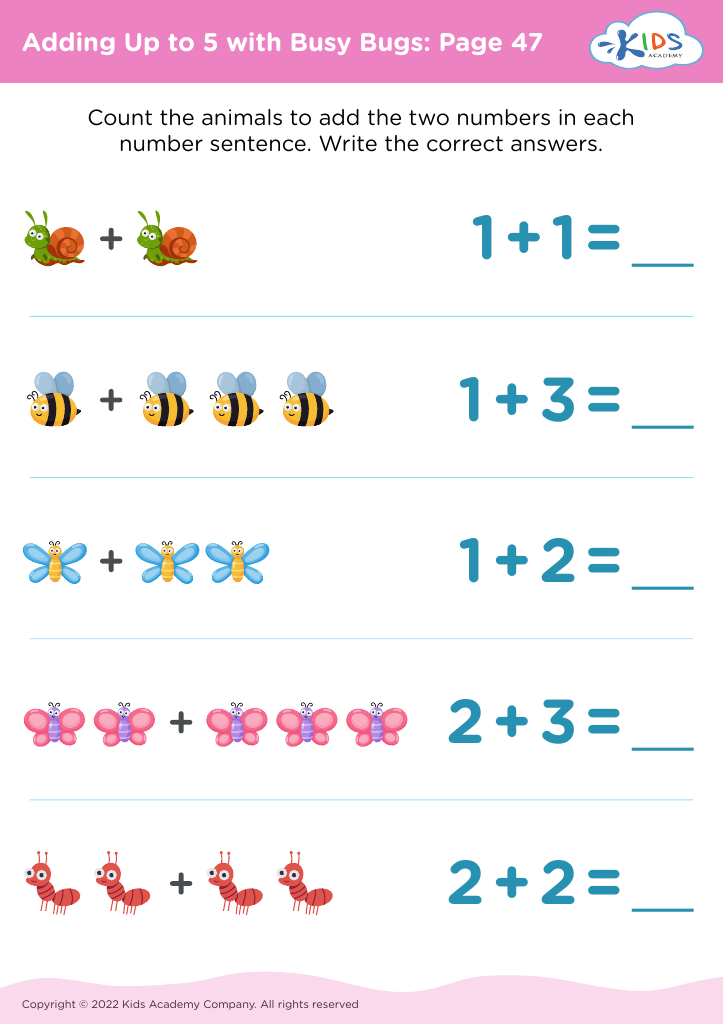




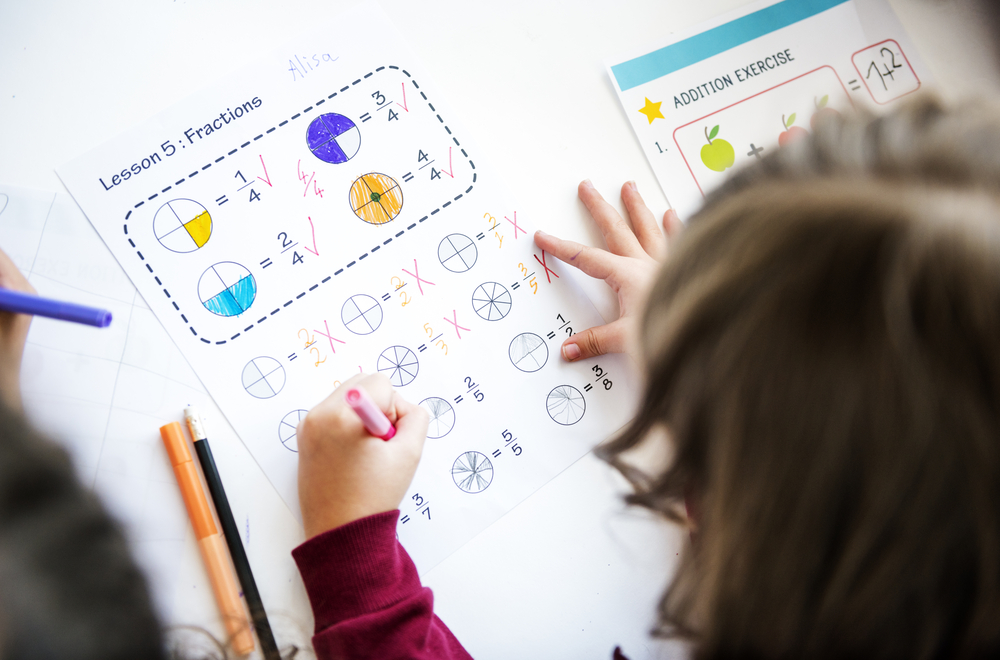



Enhancing fine motor skills in young children, particularly in the context of math education, is crucial for their overall development and academic success. Fine motor skills involve the coordination of small muscles in movements, usually involving the hands and fingers. These skills are fundamental for various tasks such as writing, buttoning clothes, and manipulating small objects.
For children aged 3-9, developing fine motor skills is particularly beneficial when learning math. Activities like counting small objects, using tweezers to sort items, or drawing shapes help strengthen hand-eye coordination and dexterity. Fine motor skills enable children to express their understanding of math concepts more effectively. For instance, writing numbers, solving puzzles, or constructing shapes with blocks all rely on precise hand movements.
Moreover, the process of enhancing fine motor skills can make learning math more engaging. Hands-on activities, such as playing with building blocks or threading beads, make abstract concepts tangible. This kinesthetic learning process caters to various learning styles and can boost comprehension and retention.
In short, prioritizing fine motor skill development in early math education helps create a strong foundation for complex mathematical thinking and other essential life skills. It's an investment in a child’s future academic achievements and daily independence, making it a vital focus for both parents and teachers.








