Fine motor development Math Worksheets for Ages 3-9
7 filtered results
-
From - To
Enhance your child's fine motor skills while mastering essential math concepts with our expertly designed Fine Motor Development Math Worksheets for Ages 3-9. These engaging, age-appropriate activities combine fun and learning, from tracing numbers and simple shapes to solving basic math problems. Suitable for preschool through early elementary students, these worksheets not only improve coordination and dexterity but also foster a love for math. Each sheet is crafted to build confidence and proficiency, making learning a rewarding experience. Explore our collection and provide your young learner with the tools they need for academic success and motor skill growth!
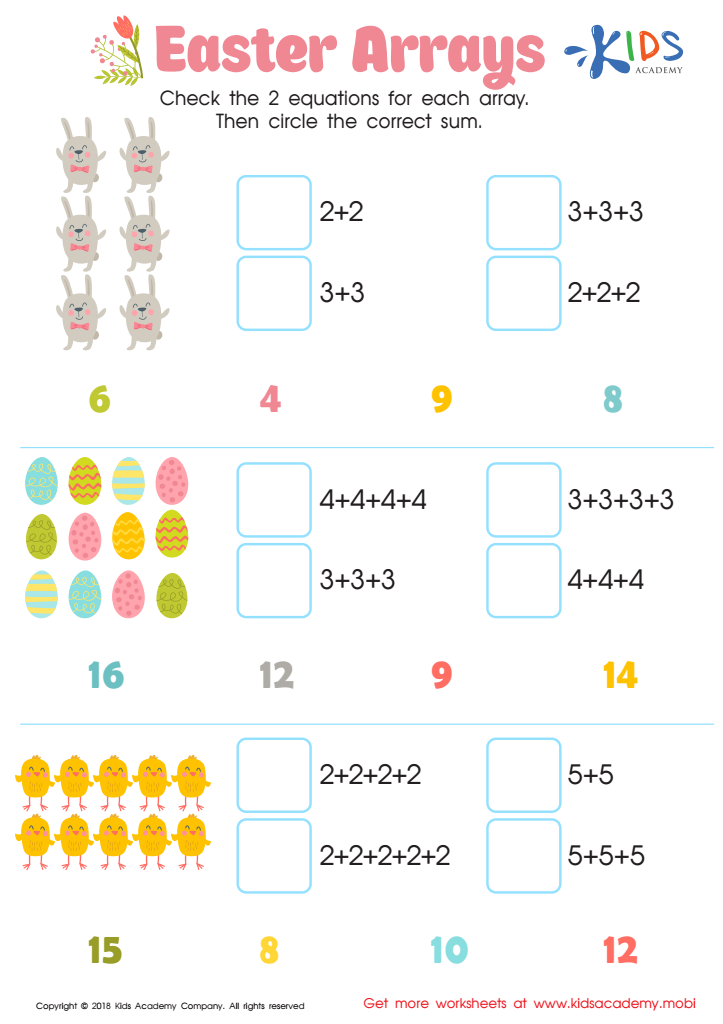
Easter Arrays Worksheet
 Assign to My Students
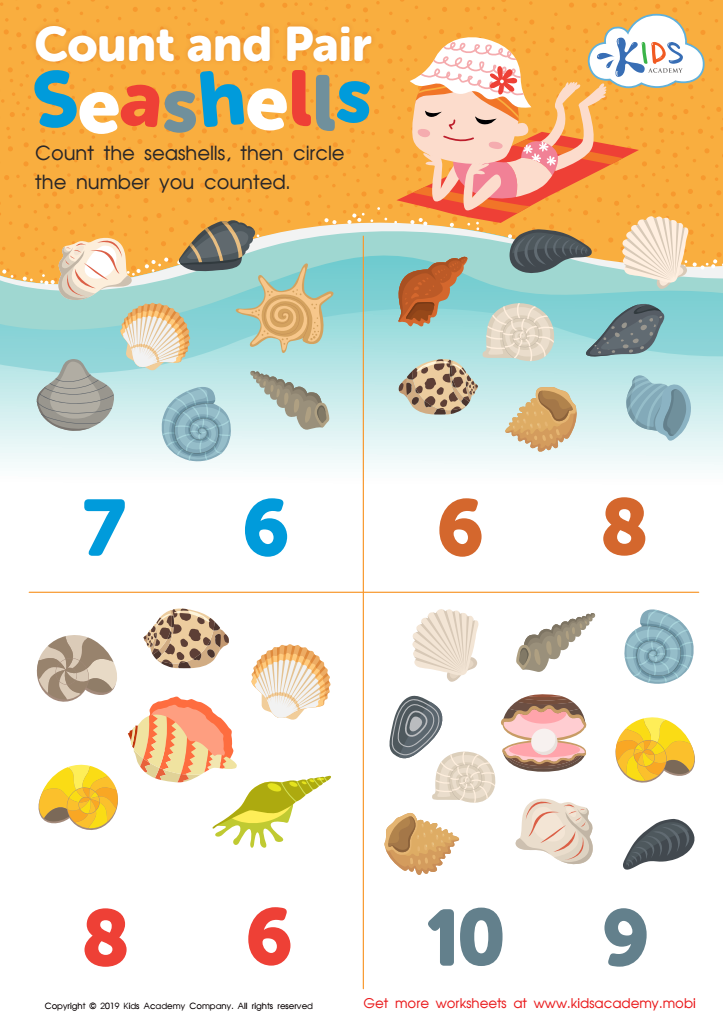
Count and Pair Seashells Worksheet
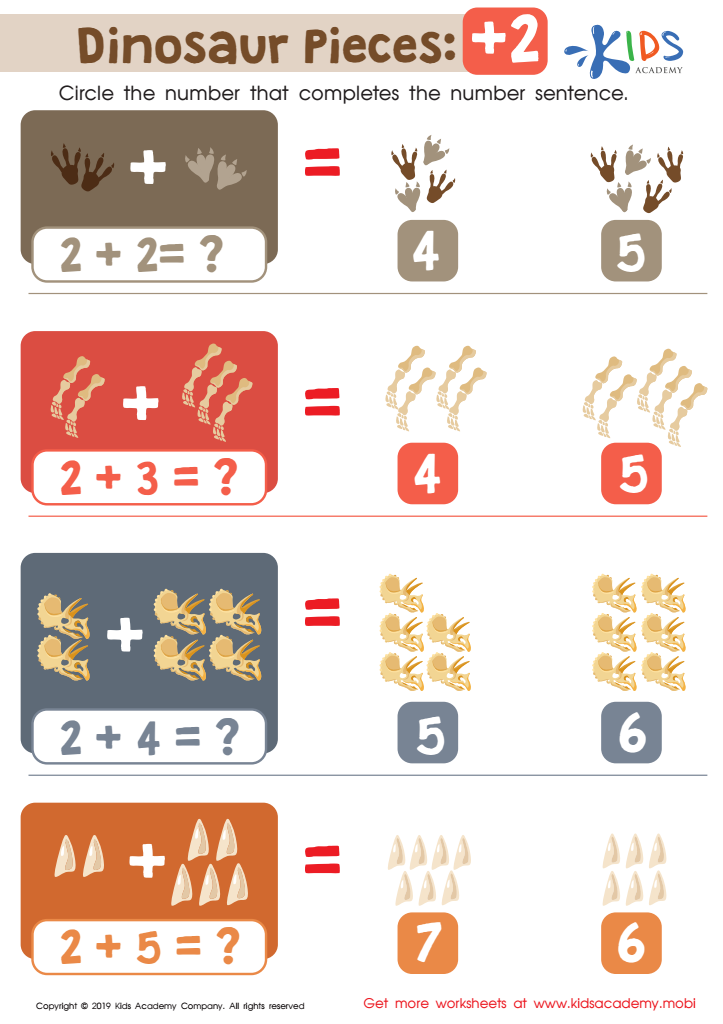
Dinosaur Pieces: +2 Worksheet
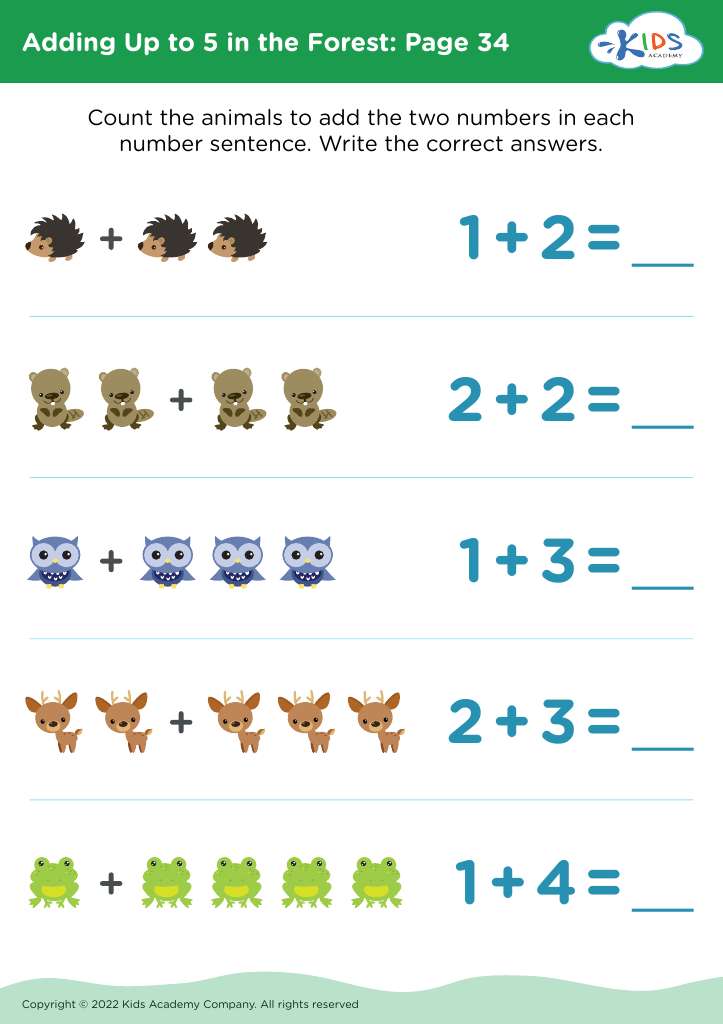
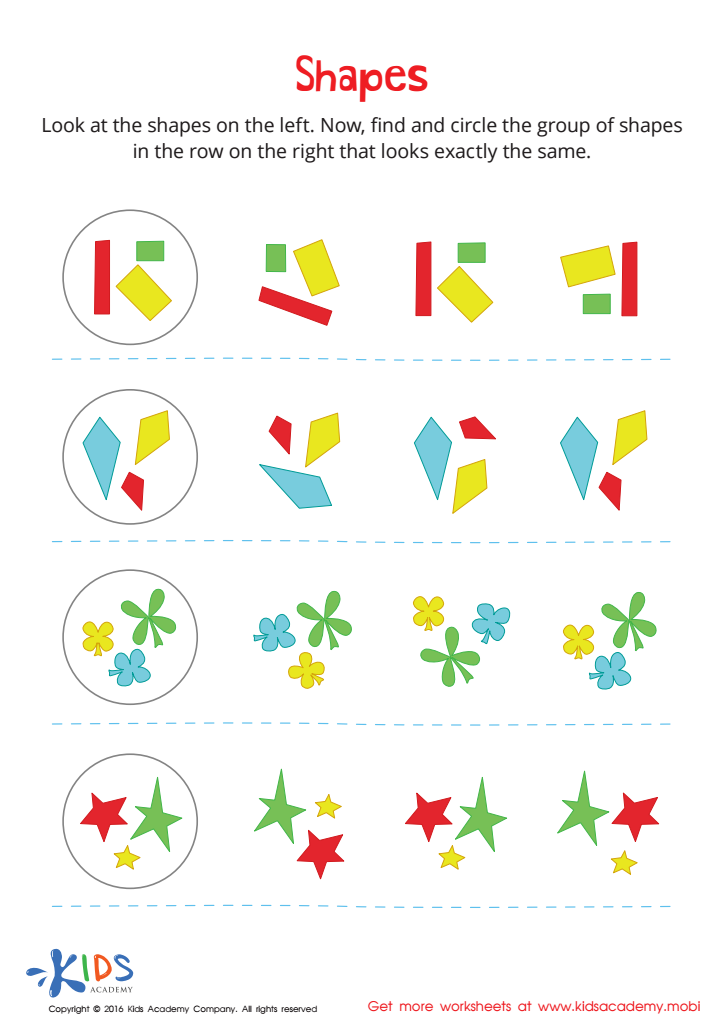
Shapes Worksheet

Kindergarten Number Tracing: Medow Flowers Worksheet







.jpg)
Fine motor development is crucial for children ages 3-9, as it directly impacts their ability to perform essential tasks in both daily life and academic settings. Fine motor skills involve the coordination of small muscles, particularly in the hands and fingers, and are critical for activities such as writing, cutting, and manipulating small objects. In the context of math learning, fine motor development is particularly significant.
Mathematics at an early age often includes activities that require precise hand movements, like arranging beads for counting, stacking blocks to understand geometric shapes, or using a pencil to write numbers. When children have well-developed fine motor skills, they can more easily complete these tasks, which in turn enhances their learning experience. It allows them to focus on understanding math concepts rather than struggling with the physical act of performing a task.
Furthermore, activities that develop fine motor skills, such as coloring, threading beads, or playing with clay, also help with cognitive development, hand-eye coordination, and problem-solving abilities.
For parents and teachers, fostering fine motor development can create a supportive learning environment that prepares children for more complex math tasks in the future. By integrating fine motor skill-building activities into daily routines or lessons, adults can significantly enhance a child's ability to grasp fundamental math concepts, setting a strong foundation for later academic success.








