
Improve problem-solving Math Worksheets for Ages 3-9
4 filtered results
Difficulty Level
Grade
Age
-
From - To
Subject
Activity
Standards
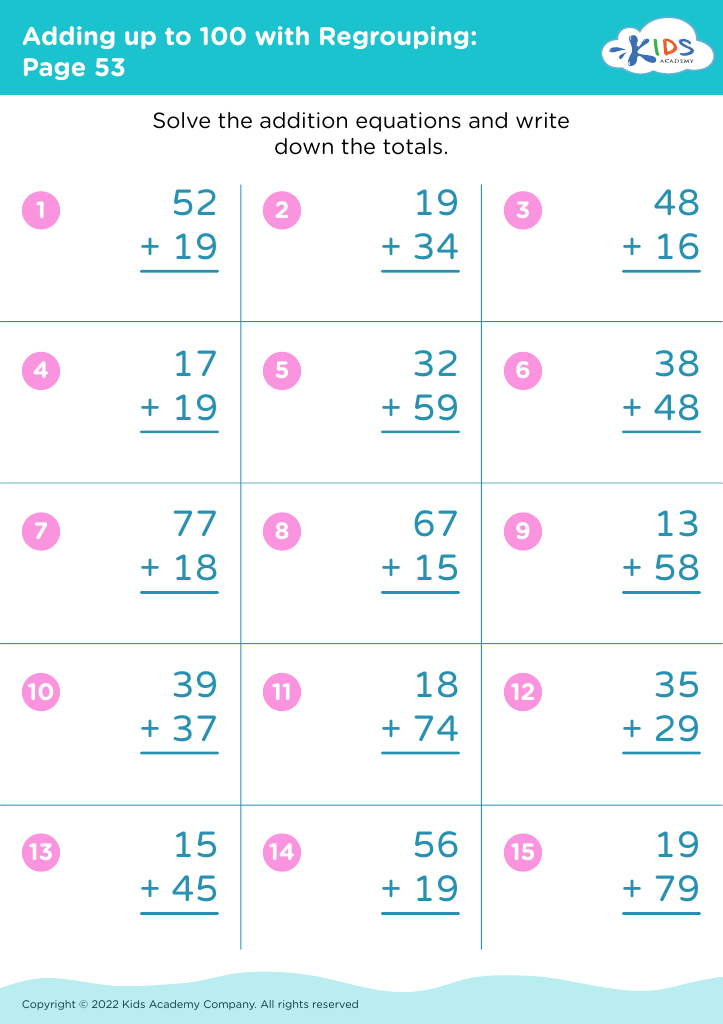
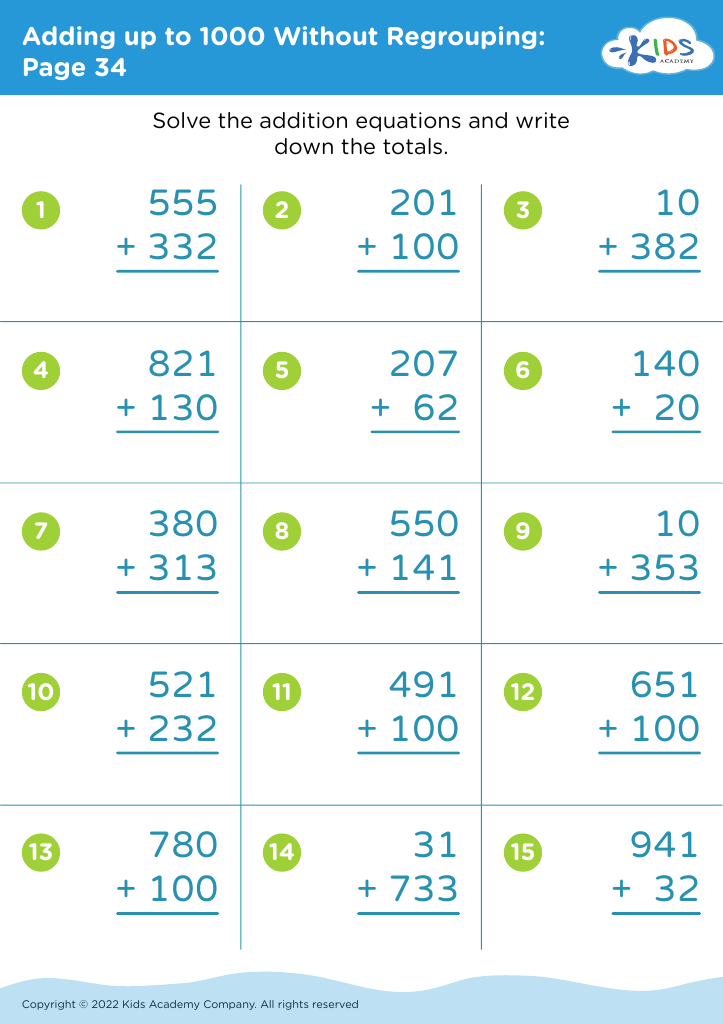
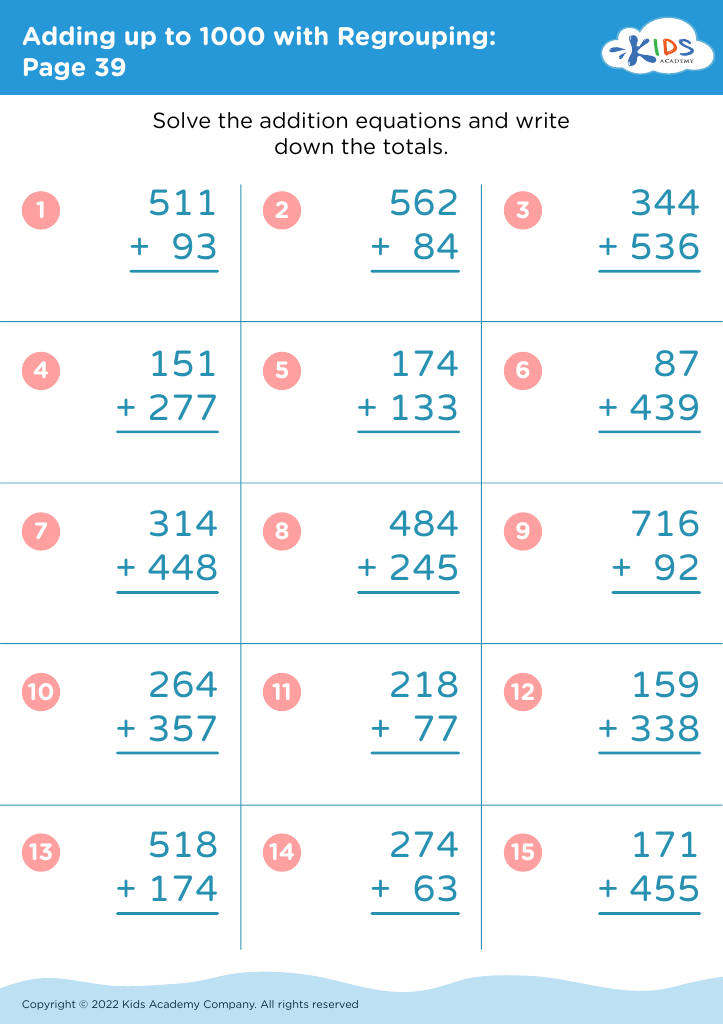
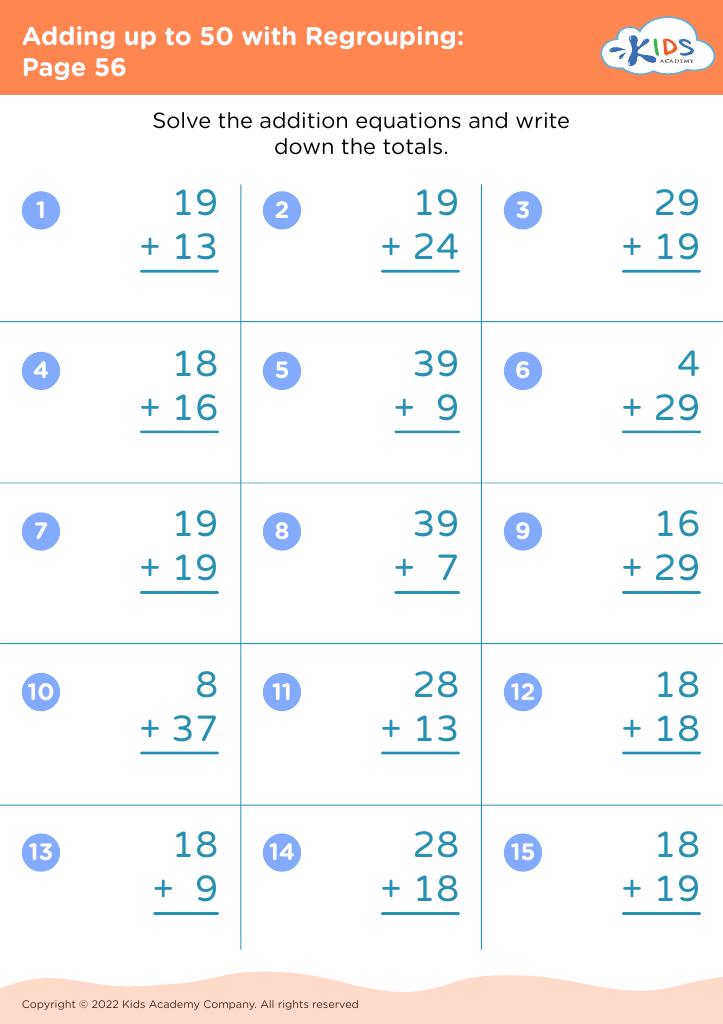
Enhance your child's problem-solving skills with our specially curated Math Worksheets for ages 3-9 at Kids Academy. Designed to spark critical thinking and boost confidence, these worksheets offer a fun and engaging approach to learning foundational math concepts. Each worksheet is tailored to match your child's developmental stage, offering intriguing puzzles, engaging activities, and challenging problems to refine their analytical abilities. Perfect for both classroom use and homeschooling, our worksheets turn challenges into opportunities. Watch your child master math with ease while enjoying every step of the learning journey. Start improving your child's problem-solving math skills today!
Favorites
With answer key
Interactive
Join Kids Academy for Free
Who is primarily going to use this learning content?







Investing time and energy into improving problem-solving math skills in children aged 3-9 is crucial for their overall cognitive development and future academic success. At this formative stage, young minds are incredibly receptive and are rapidly building the foundation for critical thinking and analytical skills. By nurturing problem-solving abilities early on, we help children become more confident and capable learners, equip them to tackle challenges, and foster a growth mindset.
Parents and teachers play a pivotal role in creating an enriching environment where math isn't seen as daunting but rather engaging and fun. Through interactive activities and hands-on experiences, children can learn to approach problems methodically, enhance their spatial reasoning, and build resilience in the face of difficulties. These skills are not just essential for math but are transferable across various subjects and real-life situations.
Early proficiency in math is also linked with better academic performance in later years, serving as a strong predictor of achievement not only in math but also in reading and science. Moreover, emphasizing problem-solving from a young age helps bridge gender gaps in STEM and encourages all students to aspire to careers in these fields. Thus, improving problem-solving math skills sets children on a path of lifelong learning and success.








